
Film
Proxima
A French astronaut prepares for a year in space while raising her seven-year-old daughter alone, caught between the pull of scientific ambition and maternal devotion. Proxima is a quietly devastating film about impossible choices, shot with glacial precision. It asks what we owe to the people we love most, and whether some dreams demand too high a price. For anyone who's felt torn between competing loves.
Should you watch it?
Watch it if you are drawn to quiet family dramas where the emotional stakes sit in small gestures, like a mother and daughter practising goodbye in a kitchen, and you want the space-training world treated with exacting realism.
Skip it if you want a story that builds to a big set-piece or a clear emotional payoff, since this one stays observational and keeps its feelings tightly held rather than spelled out.
What it asks of you: Patience with a slow, close-up rhythm and a lot of silence between lines. It runs about 107 minutes and rewards attention to faces and routine more than plot turns.
Not sure? Find tonight's pick in a minute.
If you liked this
Manchester by the Sea2016
A portrait of grief and fractured family bonds that refuses easy answers. Casey Affleck's performance sits in silence the way Proxima does—saying everything through what's withheld. Both films understand that love and failure can coexist.
But Deliberately paced and emotionally austere. If you need catharsis or resolution, this will leave you aching instead.

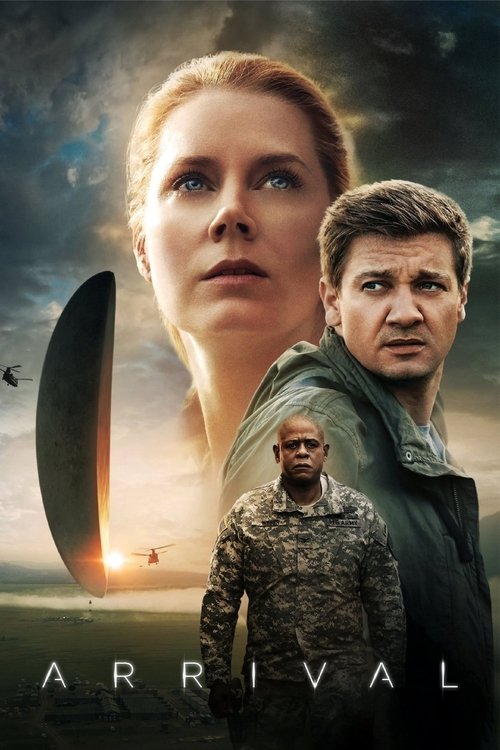
Arrival2016
Another meditation on sacrifice and motherhood wrapped in science fiction. Like Proxima, it treats the female protagonist's inner world as the true subject, not the spectacle around her. Both films are about what we're willing to lose.
But Slower than its premise suggests. The emotional core matters far more than the sci-fi elements, which some find underwhelming.
Tully2018
Charlize Theron as a mother drowning in exhaustion and ambivalence. It shares Proxima's refusal to sentimentalize motherhood, instead examining the resentment and love that live in the same space. Tender and merciless.
But The third act twist divides viewers sharply. Some find it revelatory; others feel it undermines what came before.

Not sure tonight? Get a pick in a minute, starting from Proxima
The wildcard
Something you would not have found on your own.
Stalker1979
Both are about a solitary figure pursuing an ambition that demands everything, filmed with cold precision. Both use the vastness of their settings—space, the infinite corridor—to mirror emotional isolation.
Tarkovsky's three-hour meditation on desire, sacrifice, and what we're willing to risk for a chance at meaning. Like Proxima, it's spare and hypnotic, built from long takes and internal weather. Both films trust you to sit with uncertainty and let it change you.
But At nearly twice Proxima's length and far more abstract. Some call it transcendent; others find it impenetrably slow and philosophical to the point of numbness.

More like this (7)
A Ghost Story2017
Grief, time, and what we leave behind. Like Proxima, it's a small, strange film about enormous emotional weight. Both use their premises to ask fundamental questions about what matters.
But Genuinely weird and deliberately slow. The sheet ghost and the long takes aren't for everyone, and the philosophy can feel heavy-handed.

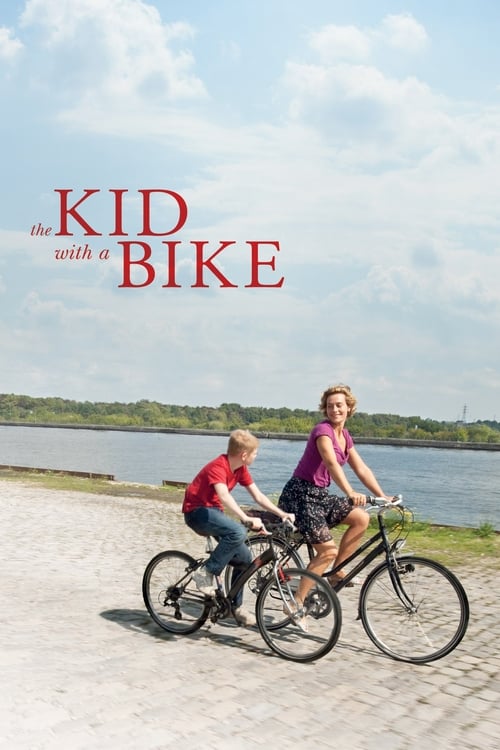
The Kid with a Bike2011
The Dardenne brothers' portrait of a boy and the woman who tries to save him explores obligation and love with unsentimental grace. Like Proxima, it's about the exhausting, ambiguous work of caring for someone.
But Structurally repetitive and restrained to the point of numbness. Some viewers find that restraint moving; others find it frustrating.
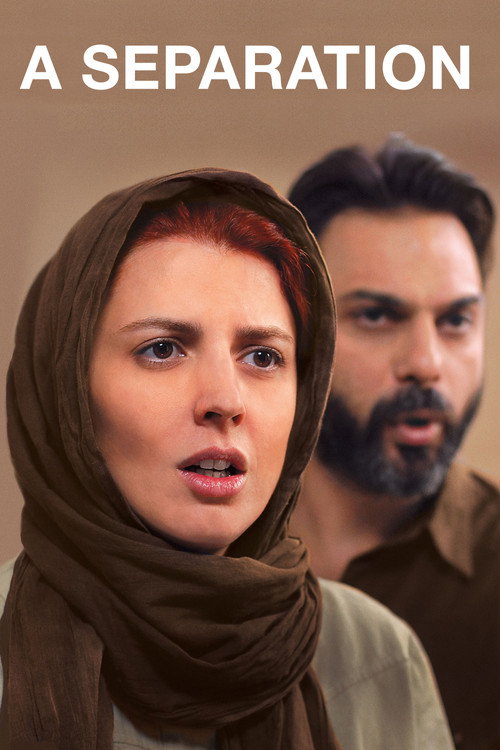
A Separation2011
A divorce film that dismantles every assumption you bring to it. Like Proxima, it refuses to assign blame and shows how love and harm can spring from the same person. Intellectually rigorous and emotionally devastating.
But Densely plotted and morally ambiguous—there are no heroes. The ending feels unresolved because life is unresolved.
Wild Strawberries1957
Bergman on memory, legacy, and what we pass down to the next generation. Both films are built from quiet scenes and internal struggle. Both ask what a parent owes a child, and what a person owes themselves.
But Seventy years old and philosophically dense. It moves at its own glacial pace and expects your full attention.

The Farewell2019
Family, duty, and the gap between what we say and what we feel. Lulu Wang finds dark humor in a painful situation without letting it diminish the pain. Like Proxima, it's about competing loyalties and the impossibility of being in two places at once.
But The tonal shifts between comedy and grief can feel jarring. Some find the cultural specificity limiting; others find it essential.

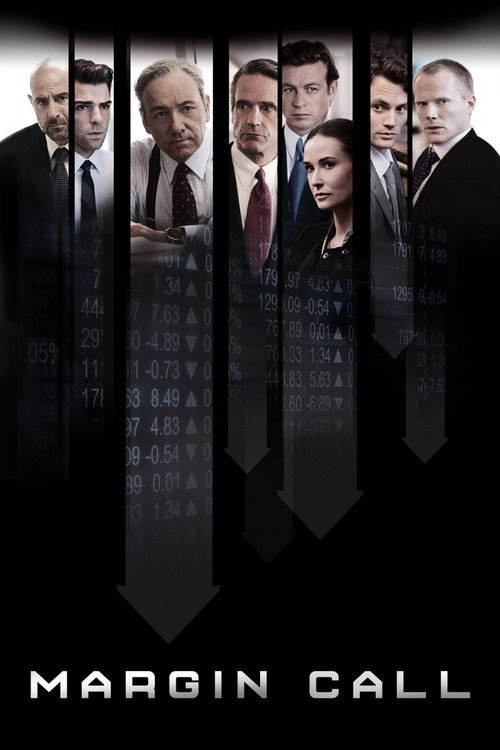
Margin Call2011
A film about ambition, responsibility, and the cost of success. Its ensemble cast makes impossible choices under pressure. Like Proxima, it's interested in what we sacrifice and what we tell ourselves about why.
But Dialogue-heavy financial thriller with no heroes. If you find Wall Street finance dull or the moral calculus obvious, this won't move you.
Aftersun2022
Both films are about a parent's divided attention and the child left waiting. Both use visual precision to convey emotional numbness. Both suggest that love and distance are inseparable.
A father and daughter on holiday; memory, addiction, and love unspoken. Charlotte Wells' film is structured like memory itself—fragmented, impressionistic, full of gaps. It captures what Proxima reaches for: the texture of love between parent and child, and how little we truly know the people closest to us.
But Deliberately vague and circular. The narrative resists clear meaning. Some find that gorgeous; others find it withholding to the point of frustration.

People
Cast
 Eva GreenSarah Loreau
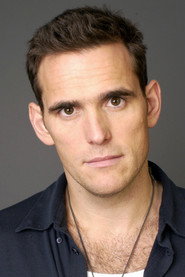 Matt DillonMike Shannon
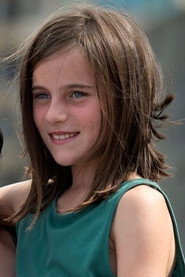 Zélie Boulant-LemesleStella Akerman Loreau
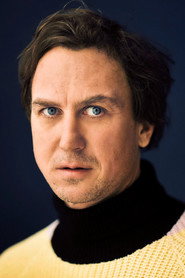 Lars EidingerThomas Akerman
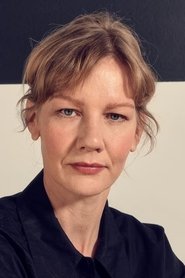 Sandra HüllerWendy Hauer
 Alexey FateevAnton Ochievski
- Trond-Erik VassalJurgen
 Nancy TateNaomi Shannon
 Grégoire ColinSarah's Doctor
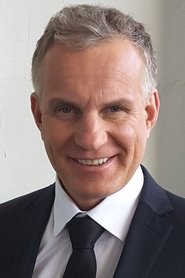 Igor FilippovDima
 Anna SherbininaRussian Journalist
Directing
- Alice WinocourDirector
- Nicolas GuilleminotFirst Assistant Director
- Mallorie Ballestra-DuquesnoySecond Assistant Director
- Diane CapoThird Assistant Director
Writing
- Alice WinocourScreenplay
- Jean-Stéphane BronWriter
Production
- Anaïs DuranCasting
- Ardavan SafaeeCo-Producer
- Nina FreseCo-Producer
- Emilie TisnéProducer
- Isabelle MadelaineProducer