
Film
Black Mirror: Bandersnatch
A 1984-set interactive film where you make choices that splinter the story into different paths, watching a game programmer spiral as reality fractures around him. It's wildly ambitious and often brilliant, though the gimmick occasionally overwhelms the narrative. For people who love control—or love losing it.
Should you watch it?
Watch it if you enjoy playing with the machinery of a story, like choose-your-own-path puzzles where the fun is noticing how each choice bends the world around you.
Skip it if you want a film that moves at one steady pace; the constant branching means it stops and starts, and some routes feel slower or thinner than others.
What it asks of you: Around ninety minutes, but your attention is the real currency: you will be asked to make decisions, return to earlier points, and keep track of what you already know.
Not sure? Find tonight's pick in a minute.
If you liked this
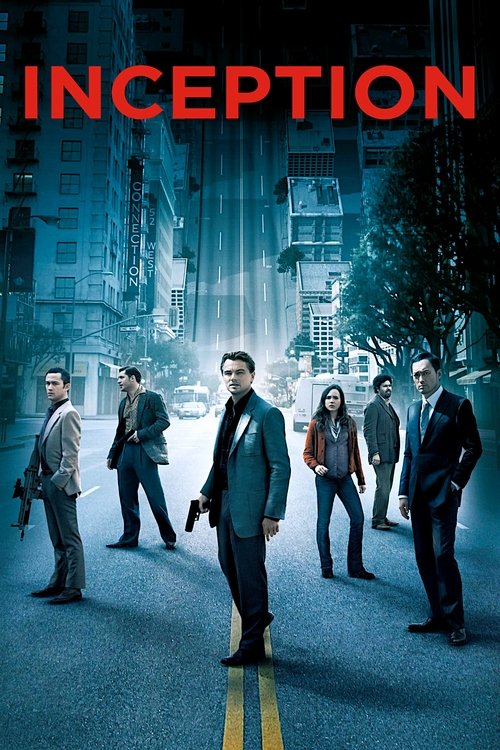
Inception2010
Dreams within dreams, reality questioning itself, a protagonist doubting what's real. Nolan does the same philosophical vertigo as Bandersnatch but with more money and cleaner plotting.
But Three hours long and genuinely complex—you may need to rewatch it to understand the ending (or accept you won't).
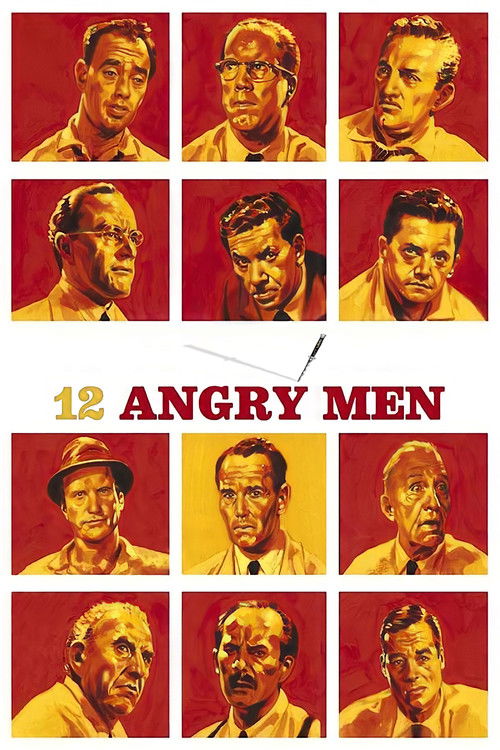
12 Angry Men1957
A closed-room thriller where perspective shifts with each argument, where what you believe at the start unravels by the end. Different era, same architecture of doubt.
But Black-and-white courtroom drama with heavy dialogue. If you want constant visual spectacle, this isn't it.
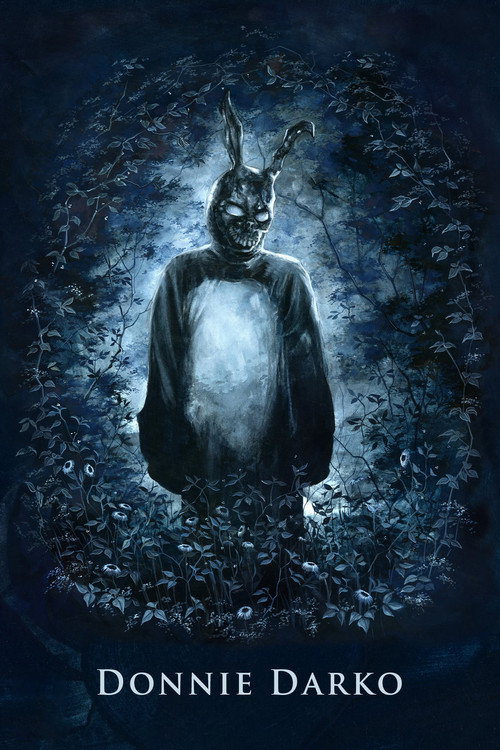
Donnie Darko2001
A young man unraveling, paranoid, seeing patterns that might be real or delusion, asking if he controls his life or time does. Deeply weird and genuinely unsettling.
But The ending requires you to sit with ambiguity and possibly read supplementary material to feel satisfied.
Not sure tonight? Get a pick in a minute, starting from Black Mirror: Bandersnatch
The wildcard
Something you would not have found on your own.
Synecdoche, New York2008
Both ask what happens when the boundary between what you're creating and what's real dissolves; both feature protagonists trapped in systems of their own making.
A theatre director's reality collapses as his creation consumes him, worlds nested inside other worlds, the line between performance and life erased. Same vertigo, same terror of losing control, but through the lens of art and ego rather than technology.
But Deliberately oblique and maximalist—it may feel pretentious or simply impenetrable on first viewing. Kaufman doesn't guide you gently.

More like this (8)
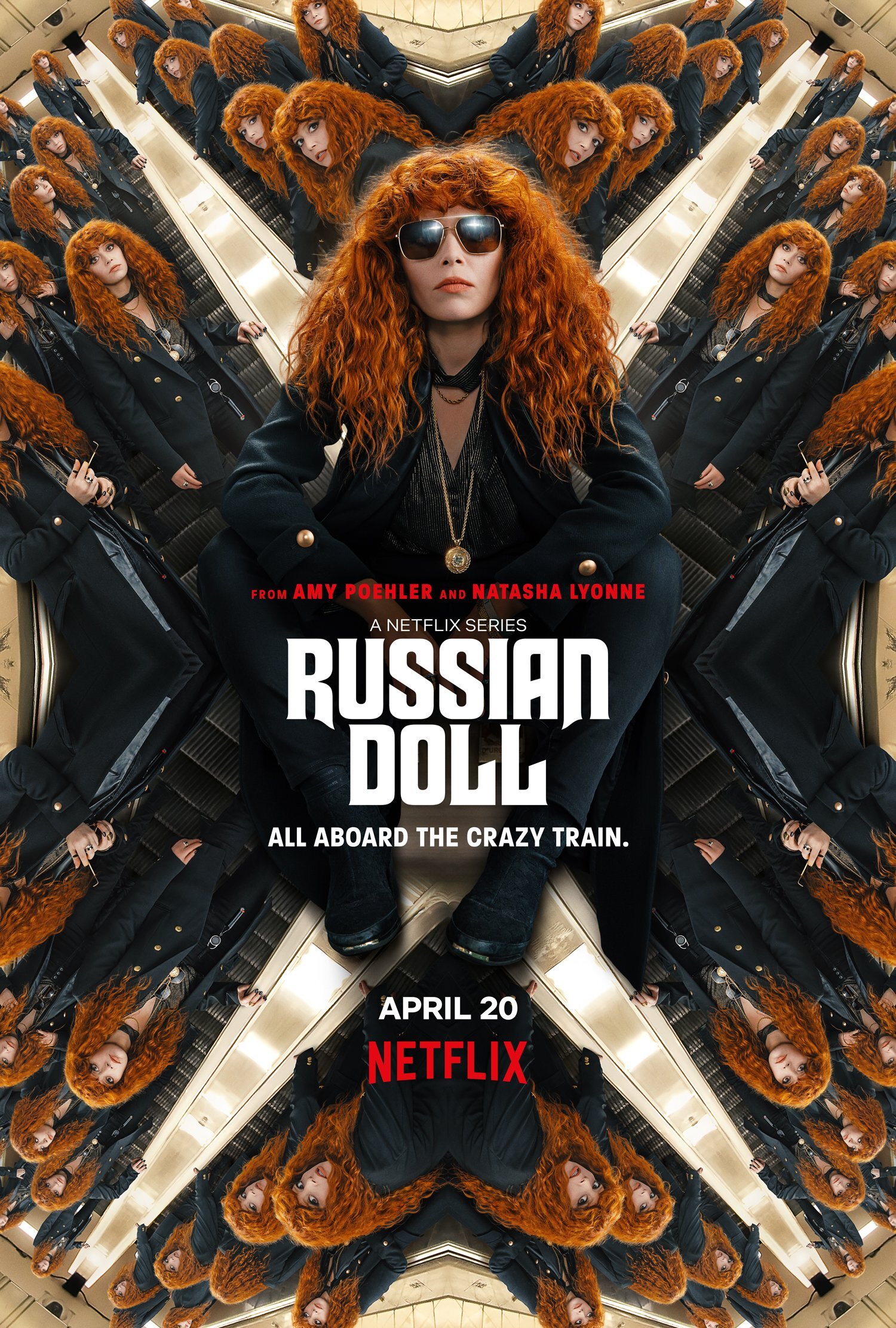
Russian Doll2019
A woman trapped in a loop, dying and resetting, slowly realizing the rules of her prison. Interactive storytelling meets existential horror with dark humour.
But Second season shifts tone and approach—some fans felt it lost what made the first one special.
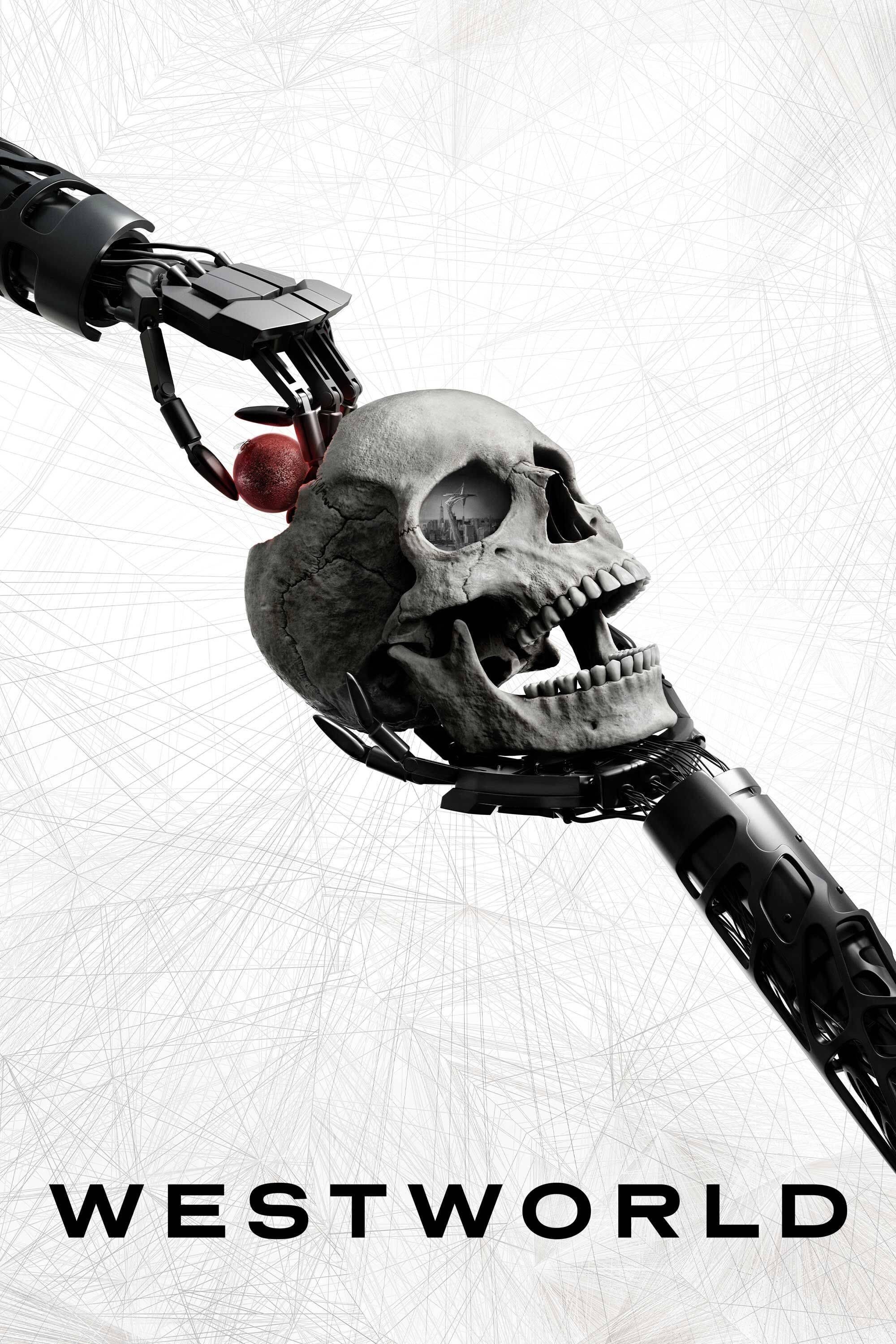
Westworld2016
Artificial beings questioning their reality, guests losing grip on what's real, every scene hiding layers. Deliberately maze-like, inviting obsessive rewatching.
But Becomes increasingly convoluted; the later seasons lose focus and reward theory-crafting over storytelling.
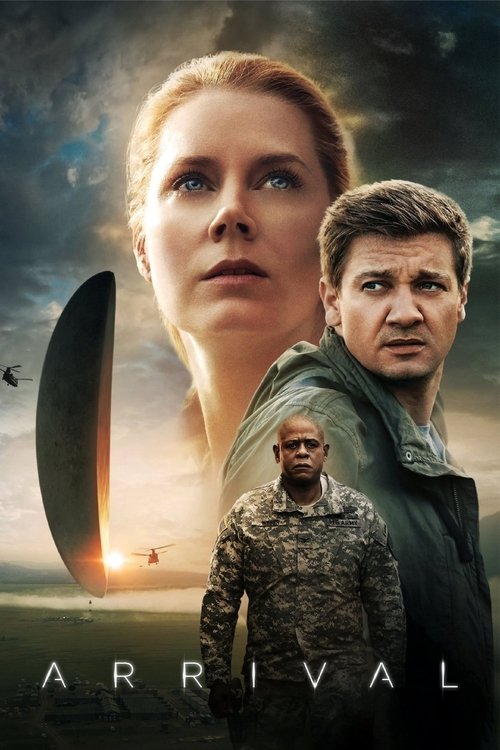
Arrival2016
Time and language, choice and consequence, a woman learning to see reality differently. Quietly devastating and structurally ingenious.
But Science-fiction that prioritizes emotion over spectacle can feel slow if you're not locked in emotionally.
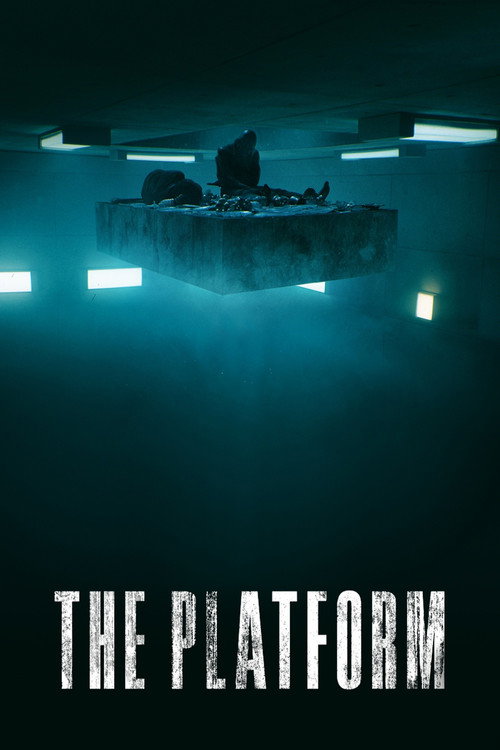
The Platform2019
A Spanish sci-fi thriller about hierarchies and perspective—what you believe about the system changes entirely depending on where you stand. Allegory with teeth.
But Visceral body horror and allegory that doesn't soften its message. Bleak in a way that can feel relentless.
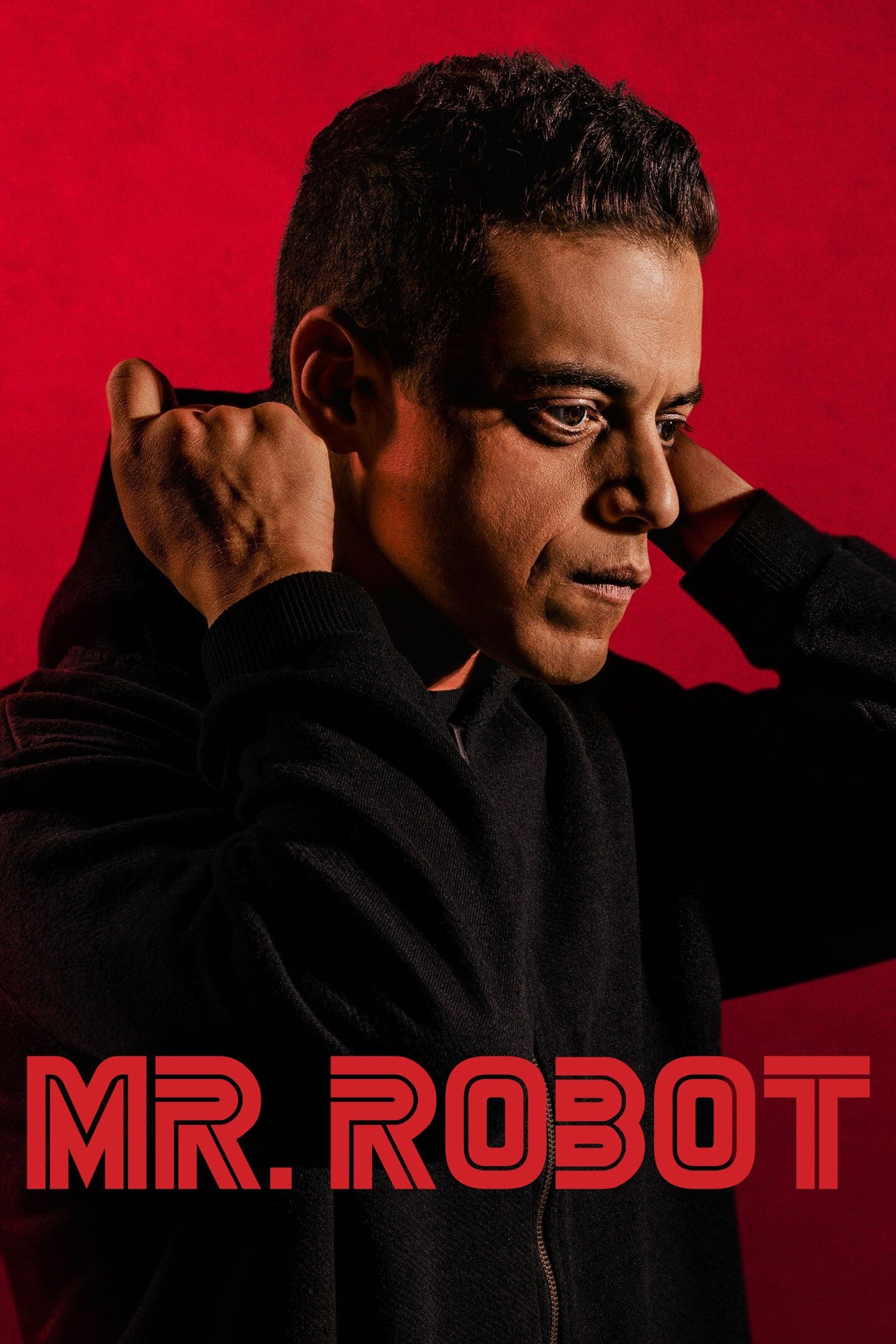
Mr. Robot2015
An unreliable narrator programmer watching reality splinter, corporate conspiracy meets psychological breakdown. Season one is nearly flawless.
But Later seasons lose coherence and the show's formal experiments start to feel like affectation rather than necessity.
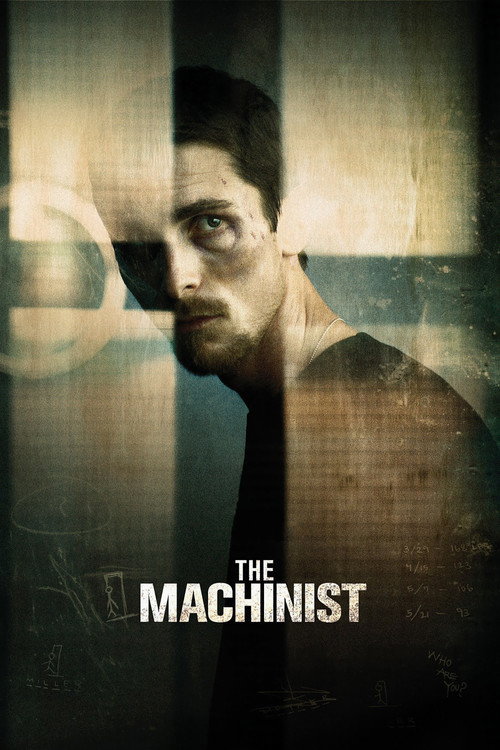
The Machinist2004
A man disintegrating, insomnia and paranoia rotting him from the inside, nothing quite adding up. Prestige thriller with a genuinely haunting performance.
But Deliberately slow, bleak, and designed to make you uncomfortable rather than entertain you.
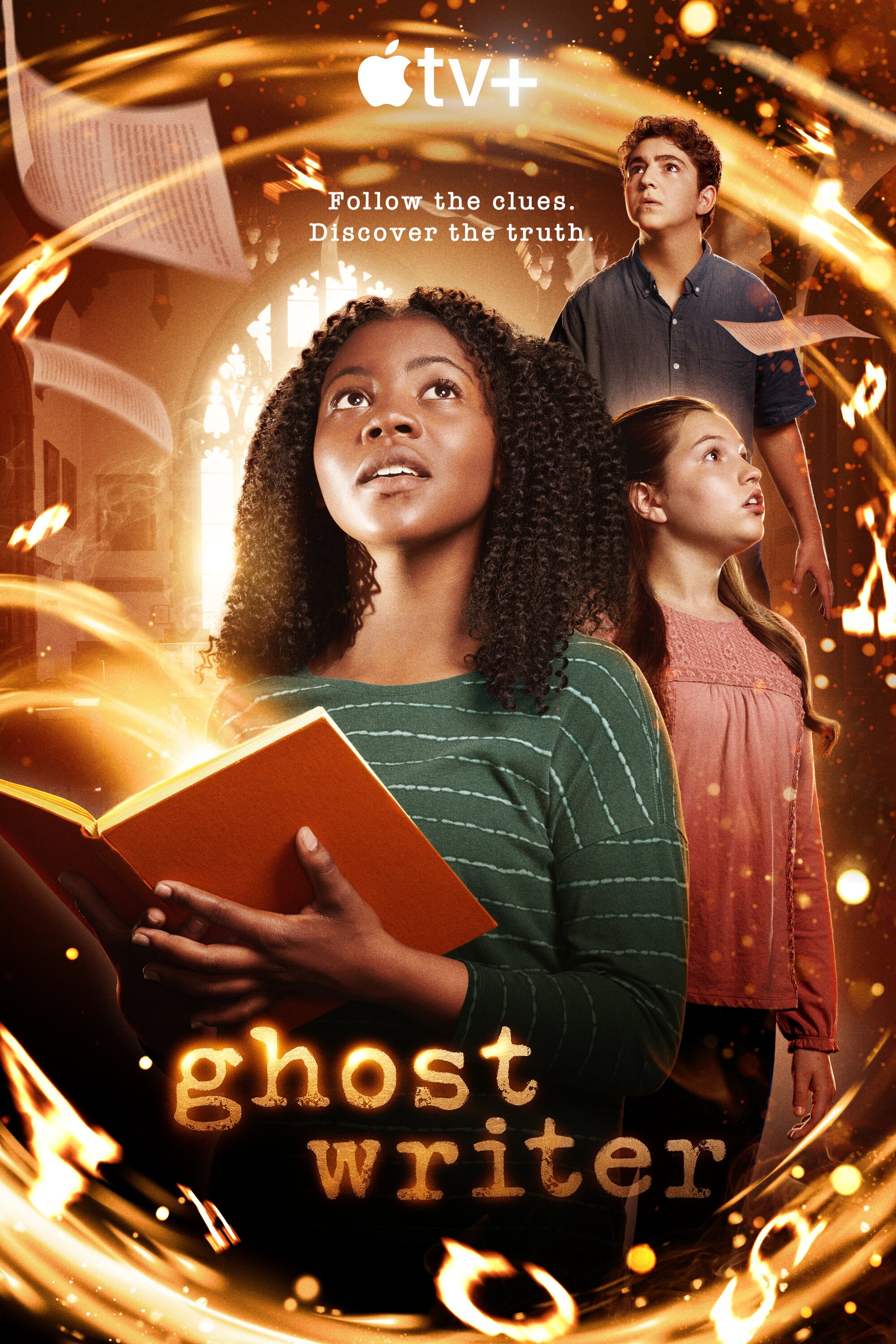
Ghostwriter2019
Both use the medium itself as part of the story—you're not just watching narrative, you're navigating it; both play with how stories can trap or free us.
A ghost communicates through books and screens to a group of kids solving a literary mystery, told partly through an interactive format that respects your intelligence. Clever, playful, fundamentally about the power of stories to change reality.
But It's technically children's content, which may feel like a tonal whiplash after Bandersnatch's darkness. Some will dismiss it on that basis alone.
The Act of Killing2012
Both explore how a person's narrative about themselves—and the medium through which they tell it—can become indistinguishable from reality, and how that gap between story and truth is where horror lives.
A documentary that asks mass murderers to recreate their crimes as cinema, blurring documentary and performance until you can't tell where truth ends and fantasy begins. Genuinely disturbing reckoning with how stories reshape memory.
But Deeply morally troubling—watching perpetrators play-act atrocities tests your stomach and your patience. Not entertainment; it's interrogation.

People
Cast
 Fionn WhiteheadStefan Butler
 Craig ParkinsonPeter Butler
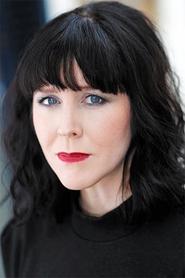 Alice LoweDr. Haynes
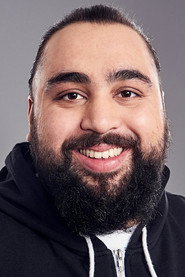 Asim ChaudhryMohan Thakur
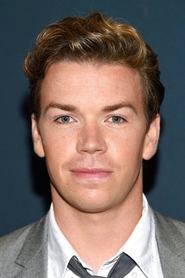 Will PoulterColin Ritman
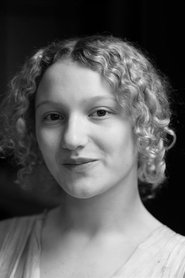 Tallulah HaddonKitty
 Catriona KnoxLeslie
- Paul BradleyRobin
 Jonathan ArisCrispin
- A.J. HoughtonYoung Stefan
 Fleur KeithMum
 Laura EvelynPearl Ritman
Directing
- David SladeDirector
- Jay ArthurFirst Assistant Director
- Marilyn KirbyScript Supervisor
- Nick SimmondsSecond Assistant Director
- Mike ChapmanThird Assistant Director
Writing
- David GirvanScript Editor
- Charlie BrookerWriter
Production
- Catherine GarlickCasting Assistant
- Olivia BrittainCasting Associate
- Jina JayCasting Director
- Mark KinsellaCo-Producer
- Annabel JonesExecutive Producer
- Charlie BrookerExecutive Producer
- Marshall LevitenLine Producer
- Kitty McWilliamsPost Production Coordinator
- Russell McLeanProducer