
Film
The Arrival
Other titles called The Arrival: the 1996 film.
- Drama
- Slow-burning
A six-minute film about a woman waiting in a café, turning a single moment of stillness into something luminous. Emily Barber carries the weight with her face alone—no fanfare, no explanation. It's quietly stunning, for anyone who believes films can say everything in the space between heartbeats.
Should you watch it?
Watch it if you like short films that trust a single room and one face to carry a weighing of a choice, and you don't need much plot to stay gripped while someone thinks something through.
Skip it if you need plot, company or a strong sense of place to stay engaged, since nearly everything here happens inside one person's head over a few quiet minutes.
What it asks of you: Six minutes of mostly still attention, without a story pulling you along; it stays patient and quiet, so you have to lean in from the first frame.
Not sure? Find tonight's pick in a minute.
If you liked this
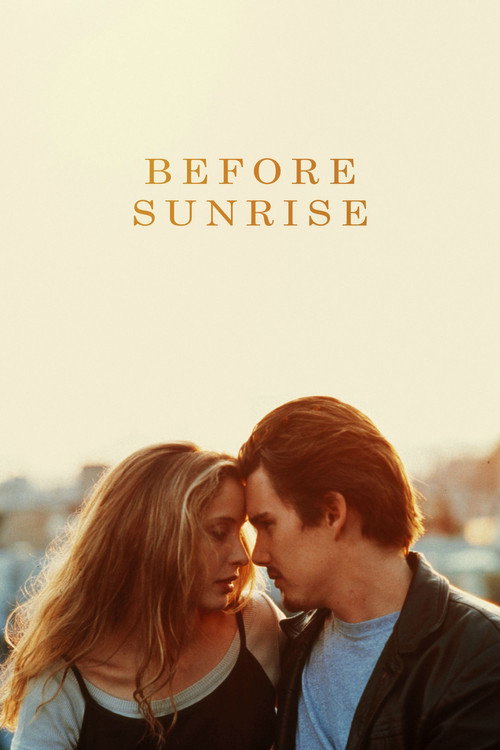
Before Sunrise1995
Two strangers share one magical night of conversation before parting forever. Linklater finds universes in dialogue and the small tics of falling connection. Proof that nothing needs to happen for everything to matter.
But It's slow, dialogue-heavy, and deliberately understated. If you need plot momentum or external conflict, this will feel like waiting for a train that's already left.
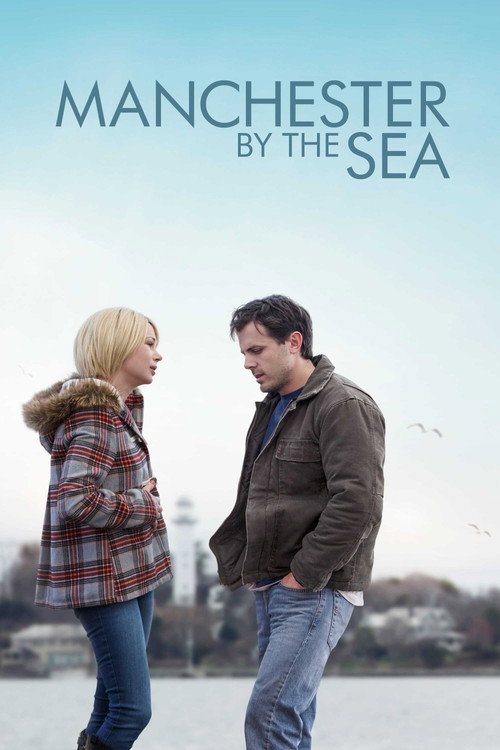
Manchester by the Sea2016
Casey Affleck carries an entire tragedy in his silence and still shoulders. Kenneth Lonergan finds the poetry in ordinary devastation—the weight of what we don't say, the life that happens in pauses.
But The grief is relentless and never resolved. It's a film about learning to live with pain, not overcome it. That honesty costs something to watch.
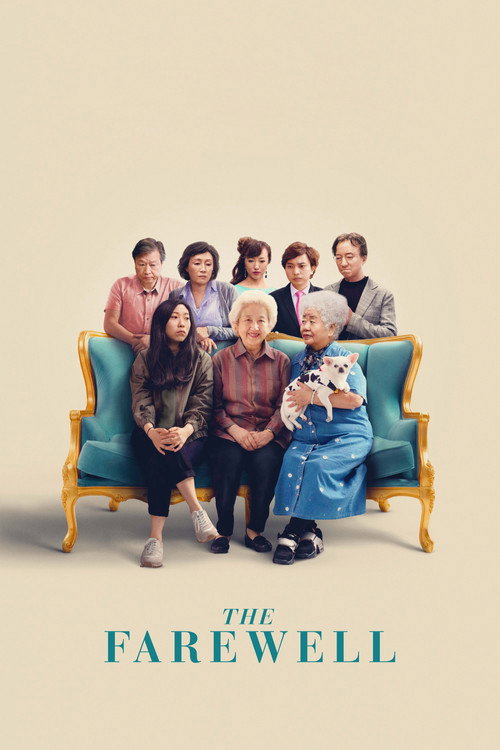
The Farewell2019
A family gathers to say goodbye without saying goodbye, and Lulu Wang captures the absurdity and tenderness of ritual, silence, and unspeakable love. Deeply moving and occasionally hilarious in the same breath.
But It hinges on cultural moments that may feel unfamiliar. The pacing favours observation over story, which some will find meditative and others will find glacial.
Not sure tonight? Get a pick in a minute, starting from The Arrival
The wildcard
Something you would not have found on your own.
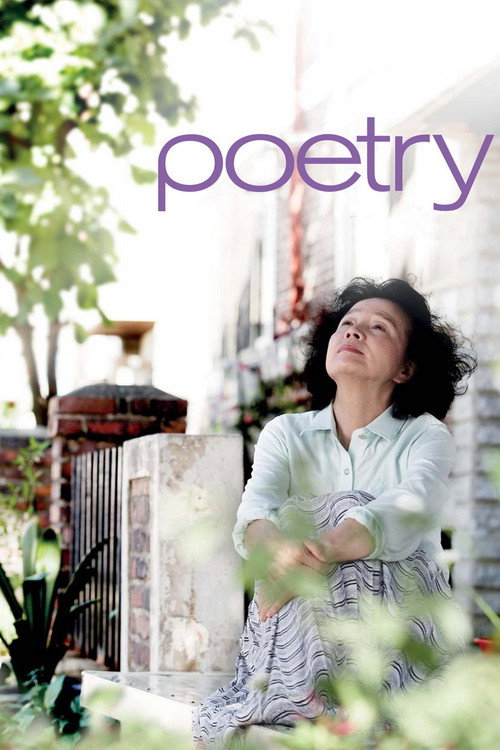
Poetry2010
Both films rest on an actor's face and the weight of a decision not yet made—the internal made visible through waiting.
An elderly woman takes a poetry class while processing grief and complicity. Lee Chang-dong finds transcendence in small human acts—writing, noticing, the refusal to turn away from difficulty. Devastatingly tender.
But It's a slow South Korean drama with thematic complexity and minimal plot. The ending asks something difficult of the viewer and offers no comfort.
More like this (7)
Mulholland Drive2001
David Lynch builds a dream about identity and ambition, where a single moment—a memory, a face—cracks open into something vast and unknowable. Bewildering and hypnotic in equal measure.
But It doesn't explain itself and refuses to cohere. If you need a film to make logical sense, Lynch will frustrate you for three hours.

A Ghost Story2017
A ghost sits in a house. Rooney Mara eats pie for five minutes straight. Somehow this becomes a meditation on time, loss, and the things we leave behind. Experimental and weirdly devastating.
But The pacing is deliberately punishing and the emotional core won't land if you aren't willing to sit with sadness. It's precious in places and actively unpleasant in others.

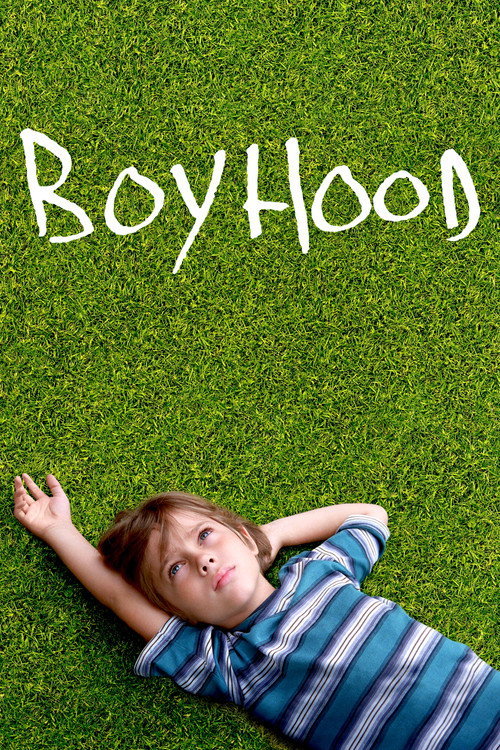
Boyhood2014
Linklater filmed the same boy over twelve years, letting life accumulate in small moments. Watching time pass on screen is strange and affecting—you're watching something cinema wasn't designed to do.
But At three hours, it relies entirely on the power of quotidian moments. If you're resistant to slow cinema, those hours will feel like years for the wrong reasons.
Spotlight2015
Journalists uncover institutional horror with patience and precision. It's a thriller about people sitting in rooms doing research—tense despite itself, because the work matters and the stakes are real.
But It's procedural and methodical to the point of being dry. There's no catharsis or stylistic flourish, just the grinding certainty of people who won't let go.

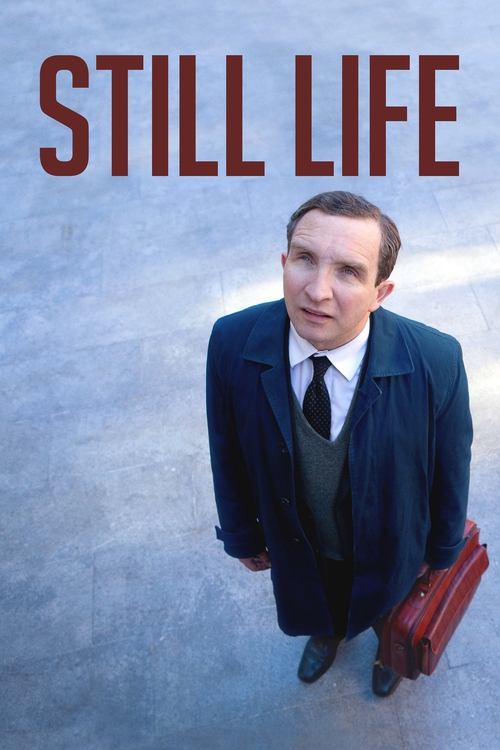
Still Life2013
Jia Zhangke follows a man searching for his wife in a city being demolished. He moves through dissolving landscapes with the logic of memory and dream—elegy for everything that vanishes.
But It's distant and glacial, shot with an anthropologist's eye. Plot is minimal and the film asks you to find meaning in what's left unsaid and unseen.
Winter Light1963
Bergman's shortest film about faith and doubt and the terror of not mattering. A pastor, his organist, and a woman wrestling with God in the Swedish cold. Sparse, ruthless, and strangely beautiful.
But It's a Bergman film from 1963—severely formalist and interested only in spiritual despair. If you want warmth or narrative momentum, look elsewhere immediately.

Sans Soleil1983
Like *The Arrival*, it's a short film that uses stillness and observation to ask: what happens in a moment when we stop rushing through it?
Chris Marker's essay film about memory, travel, and time itself. Twenty-five minutes that feel infinite. It moves between Guinea-Bissau and Japan like a dream, narrated by a letter read aloud, asking what it means to be present for anything.
But It's not a narrative. It's a collage of images, philosophical voiceover, and fragments. Many viewers find it impenetrable; others find it the only true form cinema should take.

People
Cast
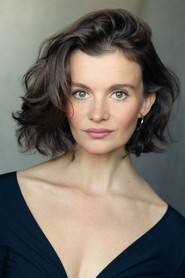 Emily BarberAnna
- Ciaran Dow JonesWaiter
- Alison WilliamsOlder Woman
- Olivia HeadYoung Couple Woman
- Emma Osei-LahYoung Mother
- Rachel RybaYoung Woman 2
- Trev WilliamsOlder Man
- Sehee ChunYoung Woman 1
- Olivier RawlingsYoung Couple Man
Directing
- Daniel MontanariniDirector
Production
- Jacob ThomasProducer