
Film
After Impact
- Post-apocalyptic
- Drama
- Very dark
After Impact is a sci-fi survival drama about grief, isolation, and moral compromise when the world ends. A man inherits a greenhouse as an asteroid approaches, then shelters in his family bunker to endure the aftermath. It's intimate and claustrophobic, asking whether survival matters if it costs your conscience. For viewers who want catastrophe filtered through one person's inner collapse.
Should you watch it?
Watch it if you like end-of-the-world stories that stay close to one man, where the dread is quiet and personal and survival matters more than spectacle.
Skip it if you need momentum or relief, since long stretches of injury and despair sit heavy with little forward drive.
What it asks of you: Ninety-five minutes that linger in silence and physical discomfort, staying with one man's isolation and rarely hurrying to explain itself.
Not sure? Find tonight's pick in a minute.
If you liked this
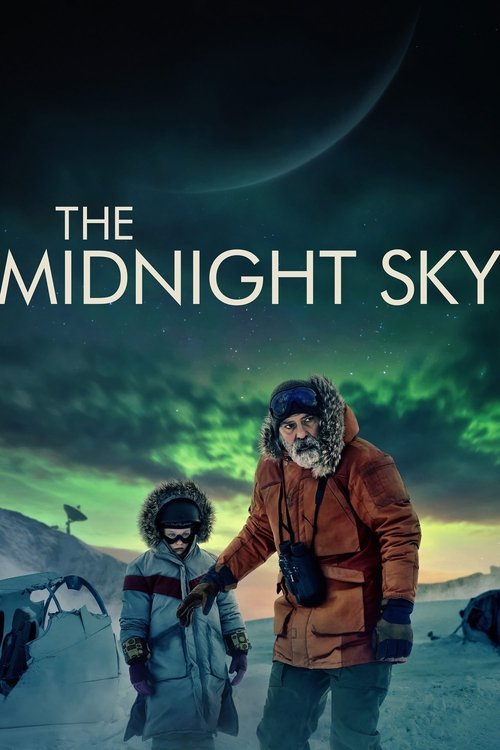
The Midnight Sky2020
A solitary protagonist in an enclosed space after global catastrophe, grappling with isolation and connection. Stunning visuals of a dead Earth and the same slow-burn existential dread about what's worth saving.
But George Clooney's monologues can feel self-serious, and the emotional payoff hinges on a twist some find manipulative.
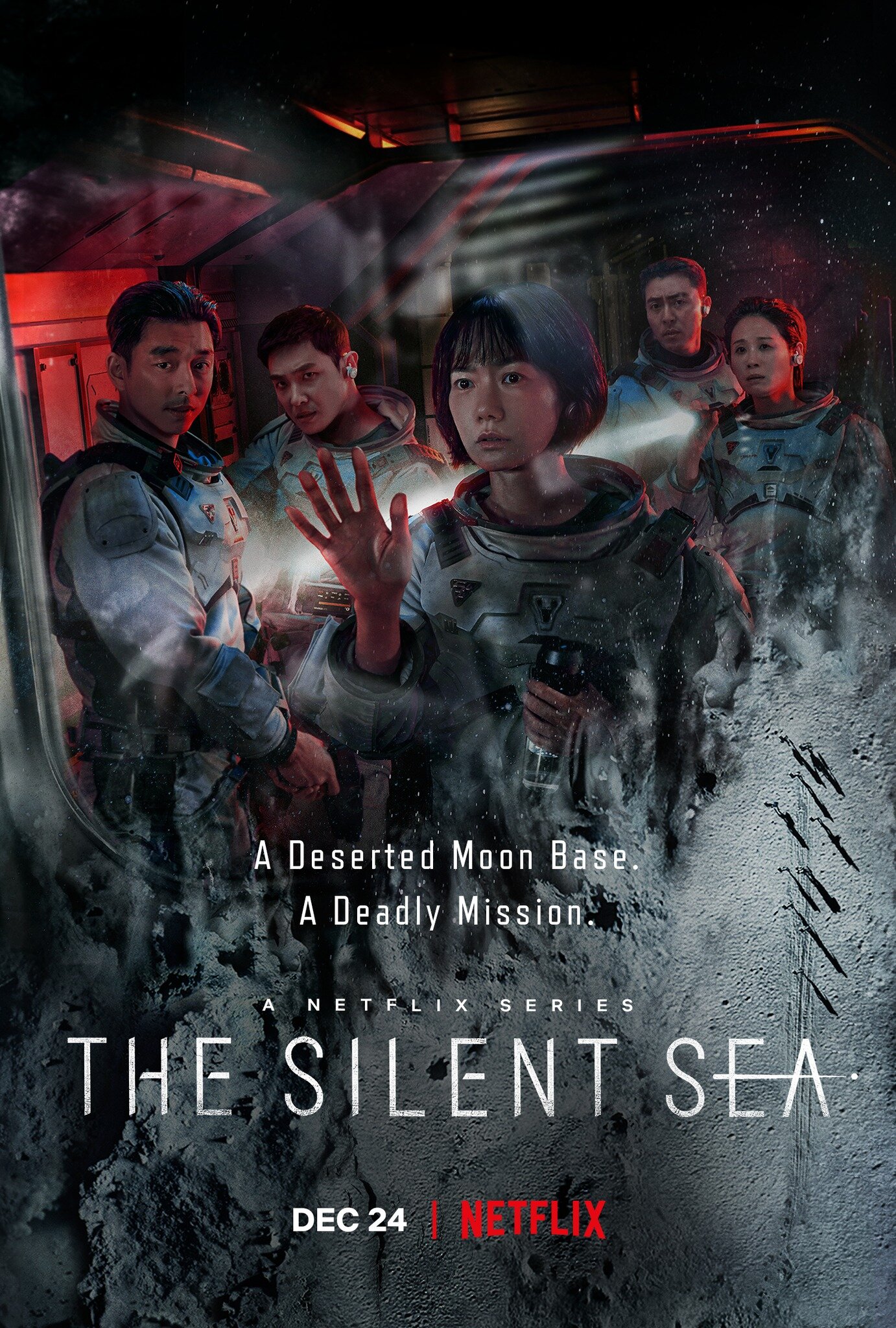
The Silent Sea2021
A small crew on a dying Earth with a mission that feels increasingly futile. Gorgeous cinematography, dread that builds quietly, and characters facing impossible choices about survival and sacrifice.
But Only six episodes and it ends on an ambiguous note that frustrated viewers wanting resolution.
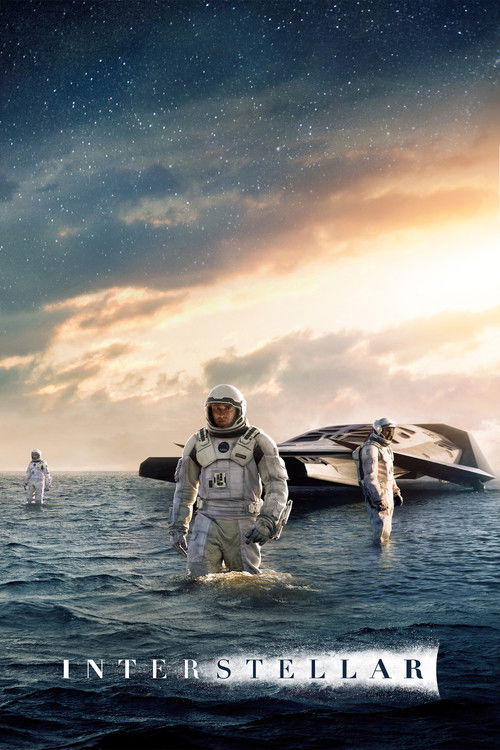
Interstellar2014
Cosmic-scale catastrophe filtered through a parent's desperation to save what matters. The same ache of isolation, the same questions about what we owe to those we love versus everyone else.
But Three hours, complex science exposition, and Nolan's tendency to prioritize spectacle over emotional intimacy.
Not sure tonight? Get a pick in a minute, starting from After Impact
The wildcard
Something you would not have found on your own.
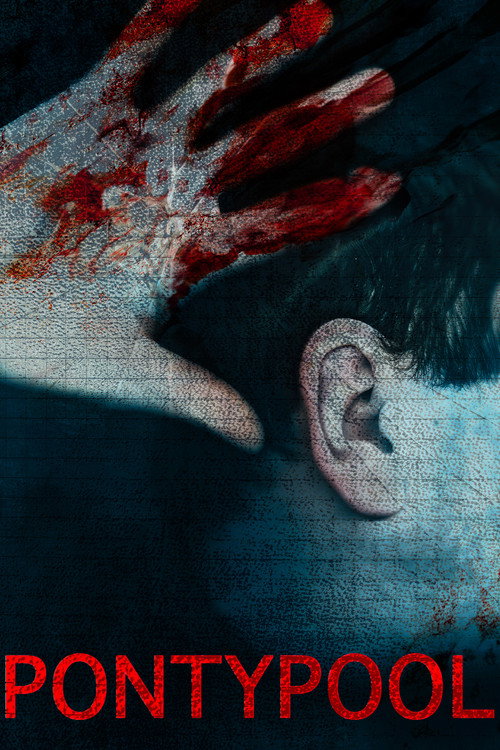
Pontypool2009
Both use radio contact as the sole connection to a dying world, but Pontypool makes the medium itself the story—isolation not from catastrophe but from comprehension.
A radio DJ in a small Ontario town watches civilization collapse through caller voices and fragmentary reports—never leaving the station. Same isolation, same radio as lifeline, but the apocalypse is linguistic and spreads like a virus through language itself. Wildly original and genuinely unsettling.
But Canadian indie with a low budget and an abstract threat that some find frustratingly vague and more conceptual than gripping.
More like this (7)
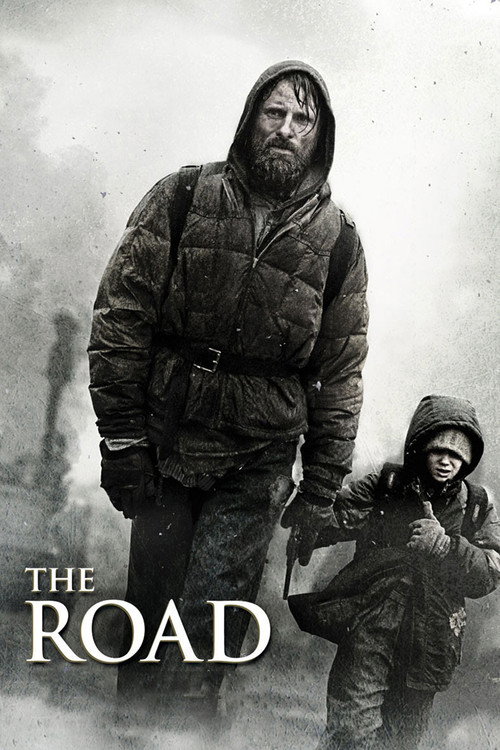
The Road2009
Ash-covered wasteland, a father and son in a bunker-like existence, the constant question of whether survival without hope is worth it. Bleakly moving in a way that doesn't flinch from despair.
But Relentlessly bleak—no levity, no comfort, and Viggo Mortensen's performance is so heavy it can feel exhausting.
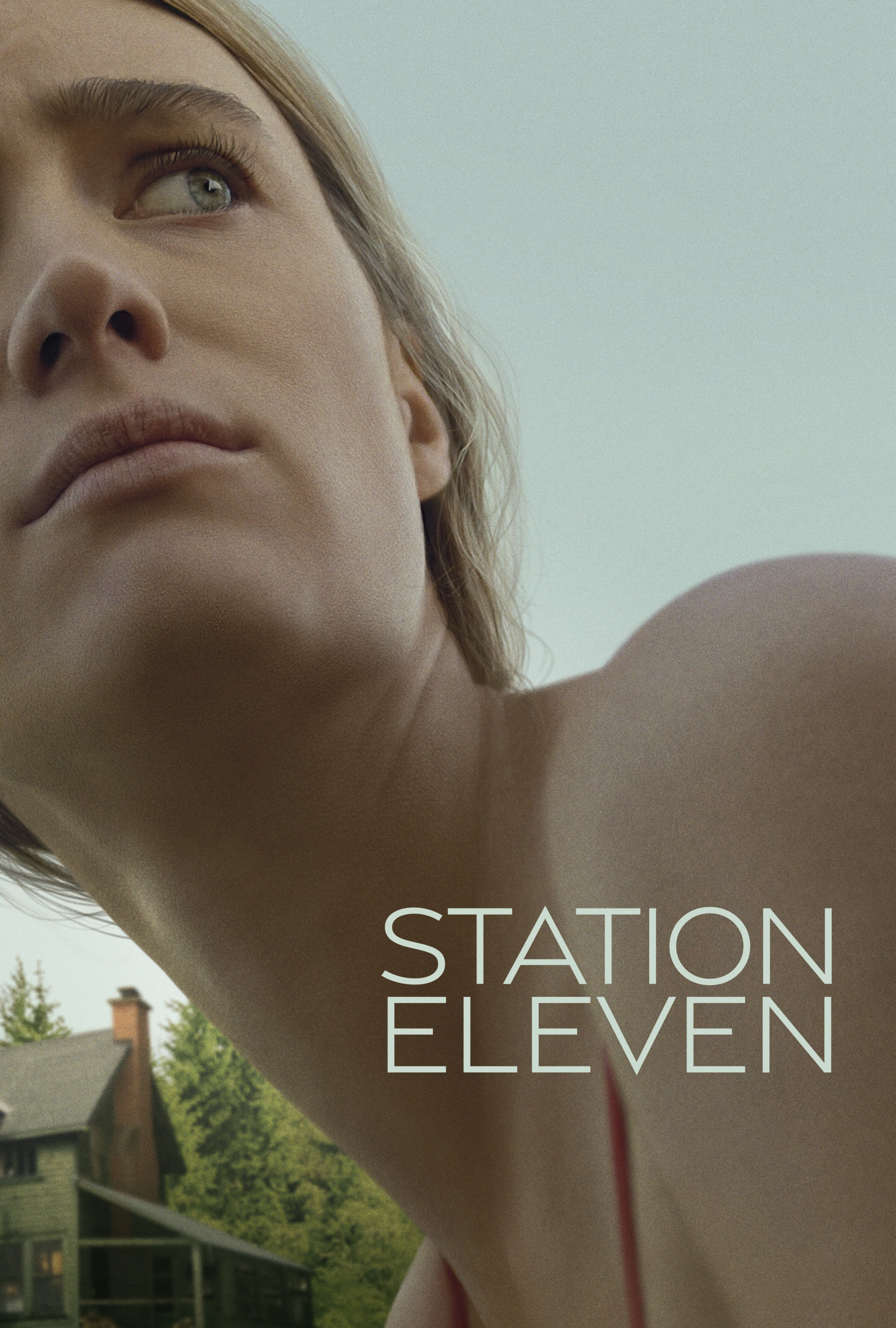
Station Eleven2021
Post-apocalypse through art and connection rather than action. Jumps across time to show how society fragments and how people find meaning in collapse. Beautifully made and genuinely hopeful without being dishonest.
But Ten episodes of varying quality, and the structure can feel diffuse if you're looking for a tight thriller.
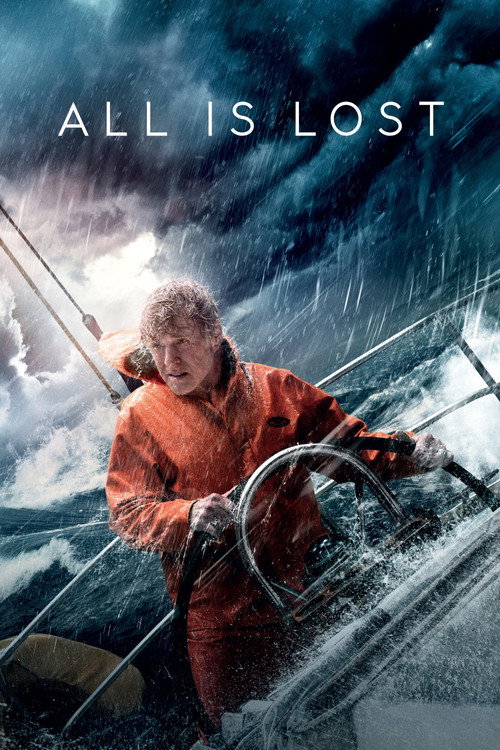
All Is Lost2013
Nearly wordless survival film with Robert Redmond alone against the ocean. Pure isolation, pure problem-solving, the same exhaustion of a body and spirit pushed to breaking point.
But Minimal plot and dialogue—some find it meditative, others find it slow to the point of tedium.
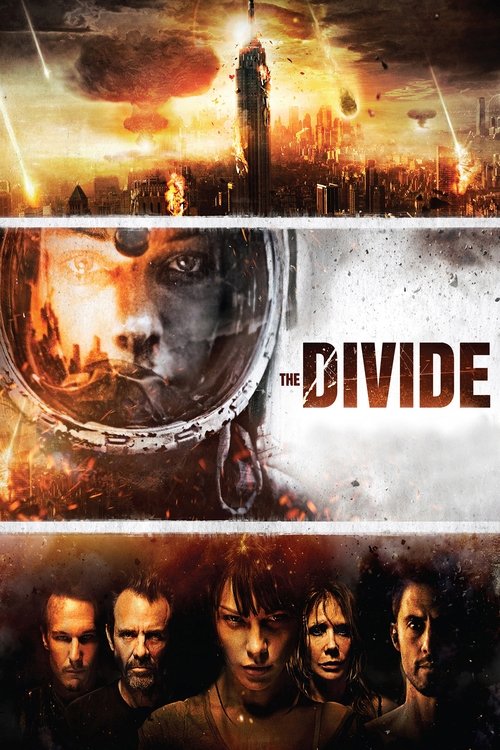
The Divide2012
A bunker, a handful of survivors, and the awful logic of who lives and dies when resources run out. Dark examination of how quickly civilization dissolves under pressure and betrayal becomes survival strategy.
But Nihilistic and nasty without offering much insight into why—provocation without purpose can feel cheap.
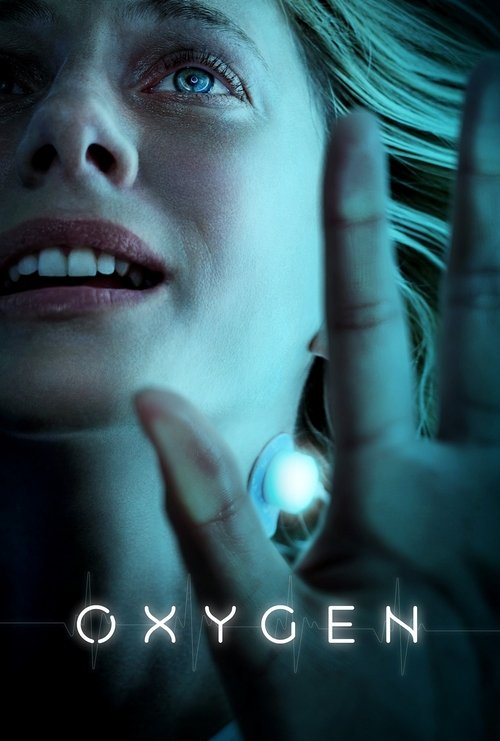
Oxygen2021
One woman, a pod, dwindling oxygen, and the mystery of how she got there. Claustrophobic sci-fi about consciousness and choice in an impossible situation—tight, tense, and smartly constructed.
But Eighty-six minutes means a short runtime that some find underwhelming, and the reveal doesn't satisfy everyone.
Under the Skin2014
Both are minimalist survival/isolation narratives where the protagonist must reckon with an incomprehensible threat and their own humanity in response.
Scarlett Johansson driving through Scotland in a van, picking up hitchhikers who vanish. Slow, hypnotic sci-fi about an alien observing humanity with no dialogue to explain it. Pure mood and dread, visually stunning.
But Deliberately oblique—no plot explanation, minimal dialogue, and the pacing is glacial. Requires patience and tolerance for ambiguity.

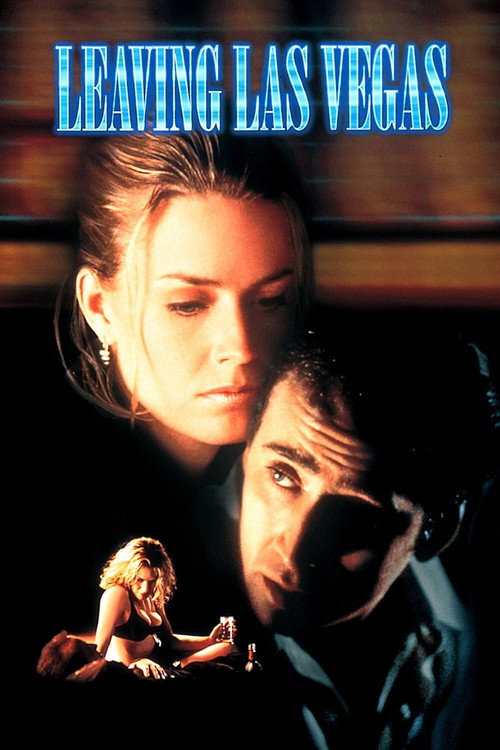
Leaving Las Vegas1995
Where After Impact asks whether survival costs your humanity, Leaving Las Vegas explores what happens when you've already lost it—both are about people enduring in the aftermath of personal and systemic collapse.
Nicolas Cage as a man whose life has ended, living in the wreckage of what he was, unable to stop the collapse even when connection offers itself. Gut-wrenching portrait of someone choosing self-destruction. Brutal and compassionate.
But Extremely dark, often hard to watch, and offers no redemption—Cage's character spirals without learning or changing, which some find punishing.
People
Cast
 Michiel RensenEthan
- Maxie LiJessie
- Riki AntonievichJack
- Will ClagueConnor
- Lee-Ann DirksSophie
 James CromptonReligious Member
- Moehau Hodges-TaiDesmond
 Lisa ZhangMadeline
 Karlton LaingPhillip
 David TikoJohn
- Carolyn DengBrie Harrison
Directing
- Liam CarterDirector
- Michiel RensenDirector
Writing
- Michiel RensenWriter
Production
- Liam CarterExecutive Producer
- Michiel RensenProducer