
Film
Making Waves: The Art of Cinematic Sound
- Light-hearted
A vital 95-minute love letter to the invisible craft of sound design. Interviews with Walter Murch, Ben Burtt, and Gary Rydstrom trace how audio evolved from silent-film accompaniment to an equal partner with image. Essential for anyone who's ever felt a film's power and wondered what they were actually hearing.
Should you watch it?
Watch it if you hear a film's soundtrack and want to know how the crackle of a blaster or the hush of an empty room was actually built, and you enjoy craftspeople talking shop about their tricks.
Skip it if you came for a story with characters and momentum, because this is a guided tour of techniques built from interviews and clips rather than a narrative about people.
What it asks of you: It asks for a sustained, close listen rather than a casual background watch, and at ninety-five minutes it moves in brisk, talky stretches that reward attention to what you're hearing.
Not sure? Find tonight's pick in a minute.
If you liked this
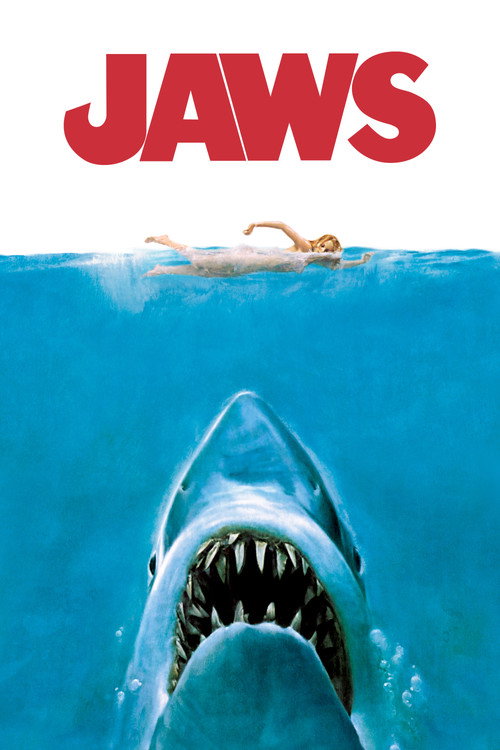
Jaws1975
Spielberg and Williams' masterclass in how sound *creates* terror. The shark itself is less frightening than what you hear before you see it—pure Pavlovian genius that changed blockbuster filmmaking forever.
But It's nearly 50 years old and slower-paced than modern thrillers. If you need constant action, the long stretches of waiting will test your patience.
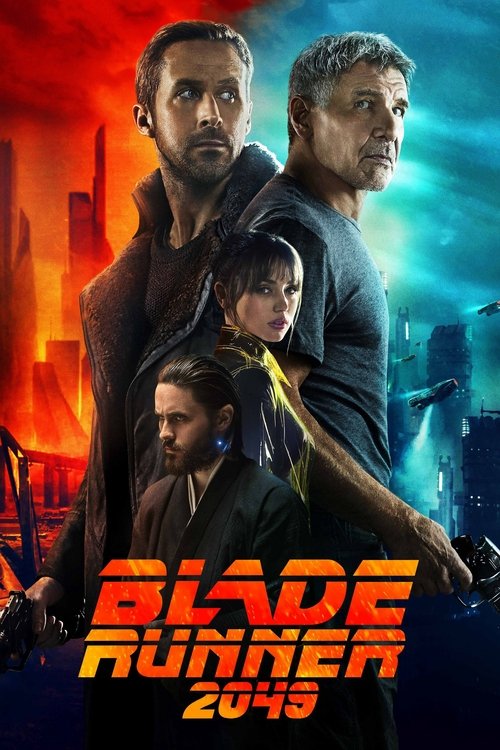
Blade Runner 20492017
Denis Villeneuve and sound designer Hans Zimmer use audio design as pure world-building. The film is as much about what you hear as what you see; silence becomes a character. A visual and sonic experience few films attempt.
But It's methodically paced and meditative rather than plot-driven. Some find it glacial; the sound design won't save you if you need narrative momentum.
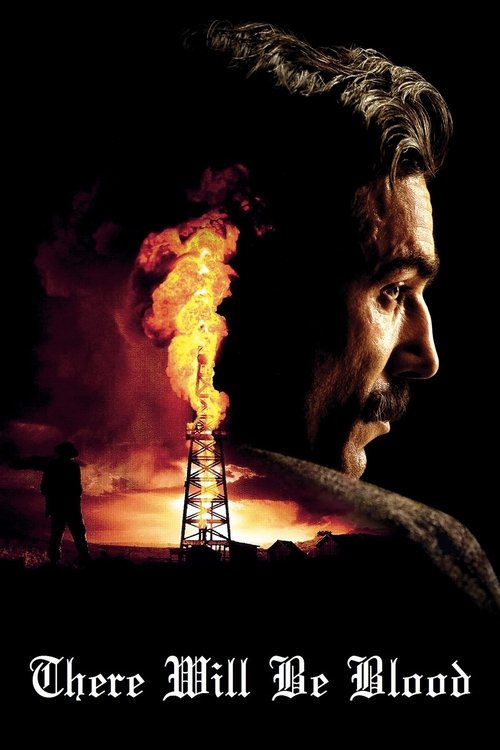
There Will Be Blood2007
Paul Thomas Anderson and Jonny Greenwood prove that an ambitious score can be more unsettling than traditional orchestration. The sound design isolates voices and amplifies dread in ways that feel almost tactile and wrong in the best way.
But It's a bleak portrait of American ambition with minimal dialogue. The tone is relentless; if you want lightness or resolution, you won't find it.
Not sure tonight? Get a pick in a minute, starting from Making Waves: The Art of Cinematic Sound
The wildcard
Something you would not have found on your own.
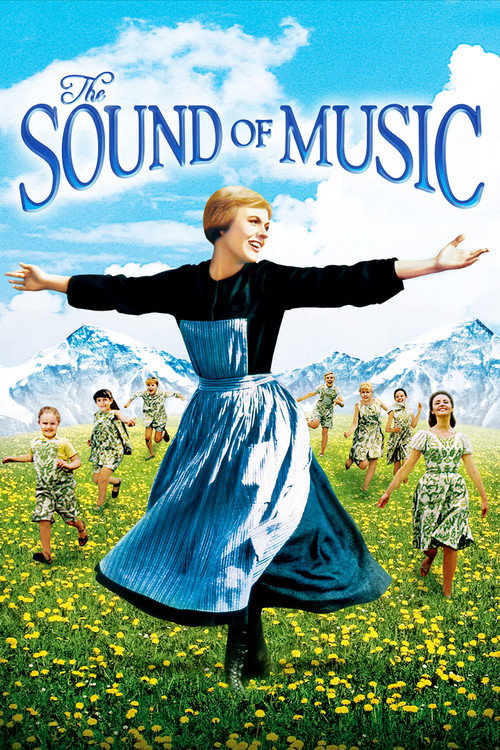
The Sound of Music1965
Both argue that sound (whether ambient design or composed music) is not accompaniment to cinema—it *is* cinema. One uses silence and naturalism; the other uses melody and emotion. Same thesis, opposite approaches.
Counterintuitive but essential: Rodgers and Hammerstein proved that music *is* cinema. Where *Making Waves* celebrates invisible craft, this celebrates music as the primary narrative force. It's a different language for the same argument about sound's power to move us.
But It's a three-hour musical about nuns and Nazis. If you dismiss musicals on principle, you'll miss the point about what sound can do.
More like this (7)
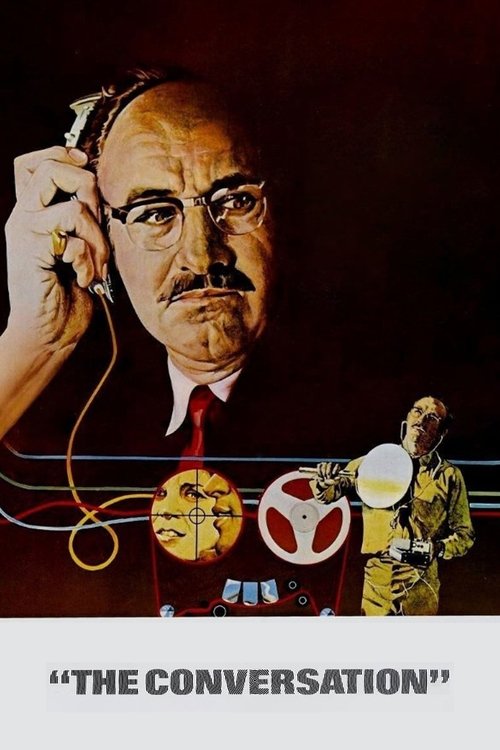
The Conversation1974
Coppola's paranoia thriller makes sound the entire subject—surveillance, eavesdropping, the terror of listening. Predates modern privacy anxieties and feels disturbingly current. A structural masterpiece about obsession and guilt.
But The pacing is deliberate and the ending deliberately ambiguous. It's a thinking film, not a visceral one; patience is non-negotiable.
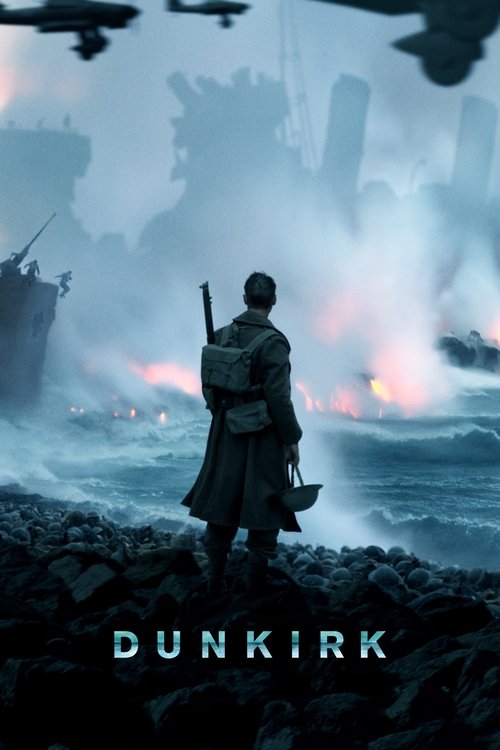
Dunkirk2017
Nolan collaborates with Hans Zimmer to weaponize sound. The tinnitus, the engine roar, the underwater muffling—it's not background audio, it's the film's emotional architecture. One of the most immersive war experiences on screen.
But The sound design is so aggressive it borders on punishing. Some viewers find it exhausting rather than thrilling; the volume and intensity aren't for everyone.
Under the Skin2014
Jonathan Glazel and composer Mica Levi create an alien soundscape that makes the mundane uncanny. The audio design is as important as Scarlett Johansson's muted performance; together they create profound unease and wonder.
But It's deliberately opaque with long stretches of silence and minimal dialogue. If you need clarity or conventional narrative, this will frustrate you deeply.

Stalker1979
Andrei Tarkovsky's sci-fi meditation uses sound sparingly but devastatingly—every noise matters, every silence speaks. It's a masterclass in restraint and the power of what you *don't* hear. Hypnotic and philosophically profound.
But It's three hours of philosophical rumination with almost no plot. Modern audiences often find it impenetrably slow and emotionally remote.

Mad Max: Fury Road2015
George Miller and sound designer Colin Gibson create a two-hour percussion symphony. Every engine, every gunshot, every grunt is precisely orchestrated; the sound design is as kinetic as the visuals. Pure audiovisual storytelling.
But The relentless pacing and noise might overwhelm you if you prefer quieter, character-driven narratives. It's visceral by design, not introspective.

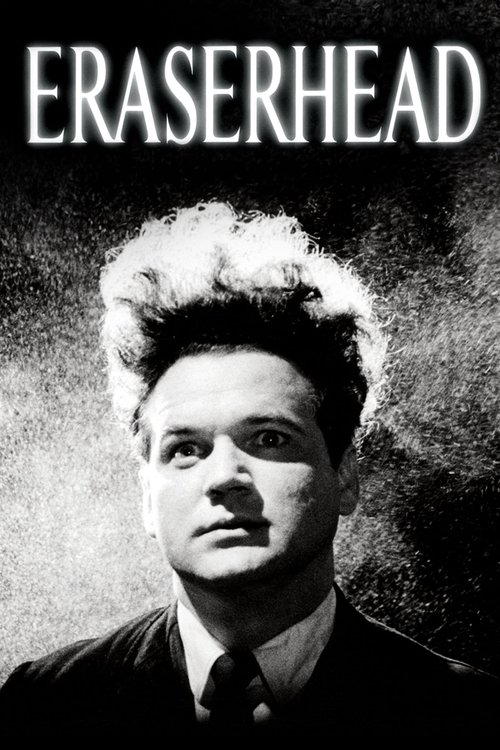
Eraserhead1977
David Lynch's industrial nightmare is 89 minutes of unsettling sound design that feels deliberately wrong. The ambient drones, the mechanical hums, the grotesque vocal performances—it's a portrait of anxiety made audible and unforgettable.
But It's deliberately abrasive and nightmarish with no conventional plot. If you watch films to feel comforted, this will disturb you for days.
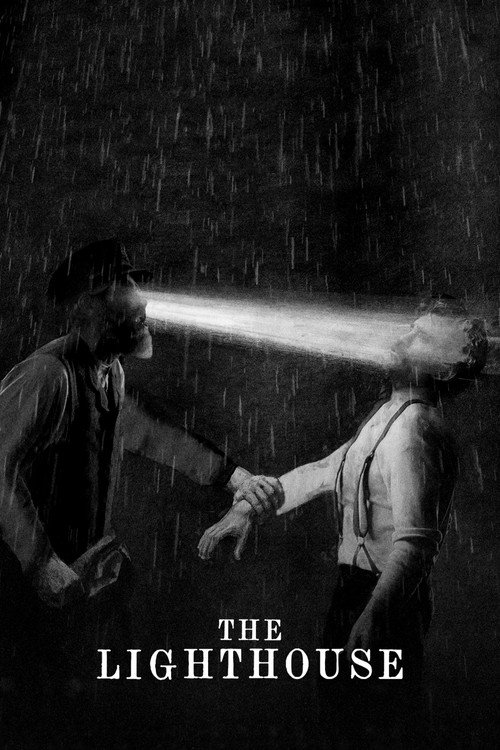
The Lighthouse2019
A contemporary response to exactly what *Making Waves* argues. Eggers learned the lesson: constrain your technical palette (format, color, sound) and those constraints become your story's nervous system.
Robert Eggers films on 35mm black-and-white with a 1.19:1 aspect ratio and a sound design that mimics foghorns, creaking wood, and seagulls as constantly as the image shifts. Released the same year as *Making Waves*, it's a filmmaker's direct answer: sound design as visual constraint.
But The archaic aspect ratio and monochrome can feel gimmicky. The psychological unraveling is unpleasant; two men descending into madness isn't fun to watch.
People
Cast
 Walter MurchSelf
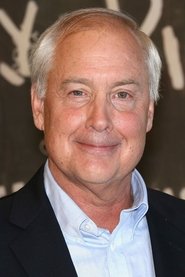 Ben BurttSelf
 Gary RydstromSelf
 Sofia CoppolaSelf

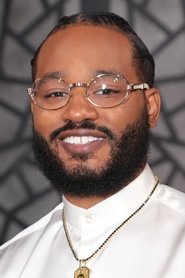 Ryan CooglerSelf
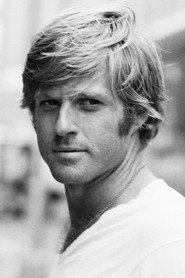 Robert RedfordSelf
 Barbra StreisandSelf
 Ang LeeSelf
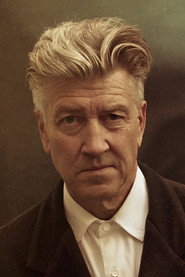 David LynchSelf
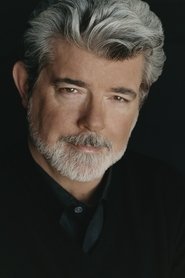 George LucasSelf
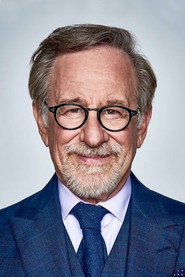 Steven SpielbergSelf
Directing
- Midge CostinDirector
Writing
- Bobette BusterWriter
Production
- Amy ReynoldsAssociate Producer
- C. Patrick ReynoldsAssociate Producer
- Dan GabrielAssociate Producer
- Matthew A. StewartAssociate Producer
- Peter WilliamsAssociate Producer
- Alex RahimCo-Producer
- Caroline CostinCo-Producer
- Cynthia CostinCo-Producer
- Thomas J. CostinCo-Producer
- Carla BrewingtonExecutive Producer
- David Green AhmansonExecutive Producer
- Jot TurnerExecutive Producer
- Marietta TurnerExecutive Producer
- RoAnn CostinExecutive Producer
- Bobette BusterProducer
- Karen JohnsonProducer
- Midge CostinProducer
- Ashley MariaProduction Manager
- Christopher WinterbauerProduction Manager
- Jill M. SobleProduction Manager
- Matia KarrellProduction Manager
- Merva FaddoulProduction Manager
- Robin KincadeProduction Manager
- Katie GatelyResearcher