
Film
May
- Coming-of-age
- Strange
May is a 2003 body-horror comedy about loneliness curdled into obsession. Angela Bettis plays a socially fractured woman whose fixation on human perfection becomes increasingly deranged. It's funny and deeply unsettling—a film that trusts you to laugh at something disturbing without losing the horror underneath. For people who like their dark comedy genuinely dark.
Should you watch it?
Watch it if you like horror that grows out of a lonely, awkward character's private longing, where the squirm of social discomfort is as unsettling as the gore and the tone swings between tender and nasty.
Skip it if you need your darkness to stay tidy, since the film's squirmy comedy gets messy and its pace is deliberately uneven, with stretches that drag before they lurch.
What it asks of you: A brisk ninety-three minutes, locked tightly to one woman's head, so long quiet stretches of watching her face carry more weight than plot.
Not sure? Find tonight's pick in a minute.
If you liked this
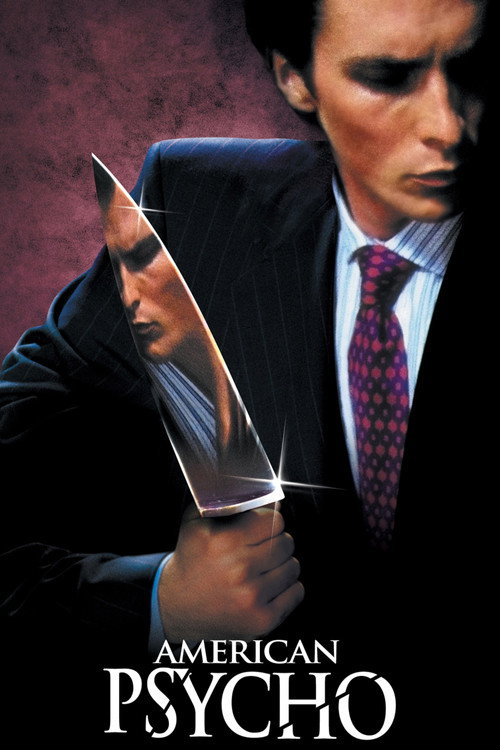
American Psycho2000
A wealthy Manhattan banker's obsessive fixation on surfaces and perfection masks something far more disturbing. Like May, it finds dark comedy in the gap between how a person sees themselves and what they actually are.
But The satire can feel thin if you're not in the mood for '80s materialism as metaphor, and the ending doesn't resolve anything neat.
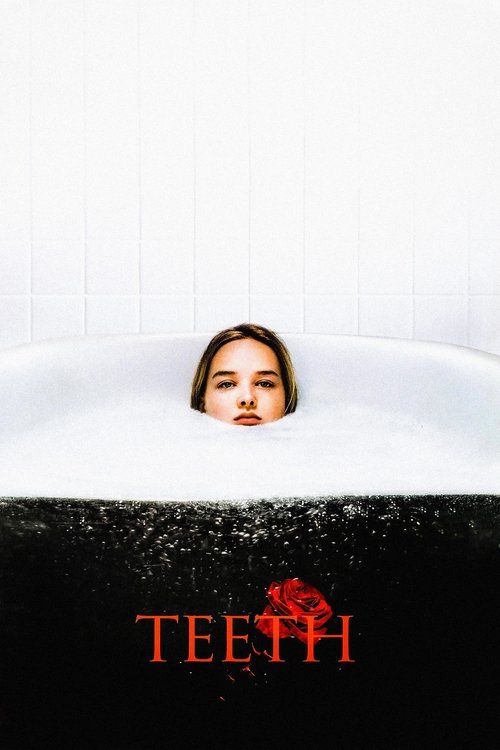
Teeth2008
Another film about a young woman whose body rebels against predatory men, using body horror to tell a story about power and violation. Manages to be genuinely funny and genuinely disturbing in the same moments.
But It's intentionally grotesque and sexually uncomfortable. Some of the humor lands better than others depending on your tolerance for provocative premises.
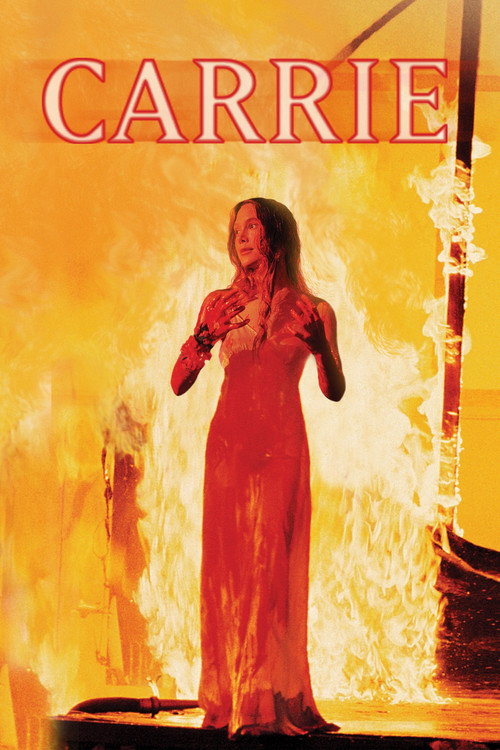
Carrie1976
A socially outcast teenager's isolation and humiliation trigger something catastrophic. De Palma finds real pathos in Carrie's loneliness before the blood starts flowing, which is what makes the horror work.
But It's from 1976, so the pacing is deliberate. If you're expecting constant scares, you'll spend the first half watching high school social dynamics instead.
Not sure tonight? Get a pick in a minute, starting from May
The wildcard
Something you would not have found on your own.
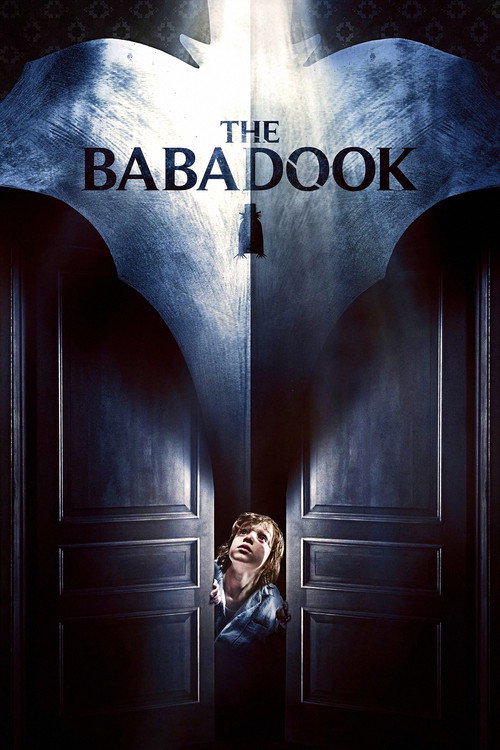
The Babadook2014
Both films show isolation and obsession warping perception until the internal becomes indistinguishable from external threat. Both use genre tropes to explore psychological deterioration.
An Australian single mother and her son are haunted by something in their house—but the real threat is internal, psychological, grief-made-manifest. It uses horror imagery to explore how trauma and emotional isolation distort reality and consume you from inside.
But It's slow and impressionistic; the scares are psychological, not visceral. And the ending is deliberately ambiguous about whether anything supernatural is real.
More like this (8)
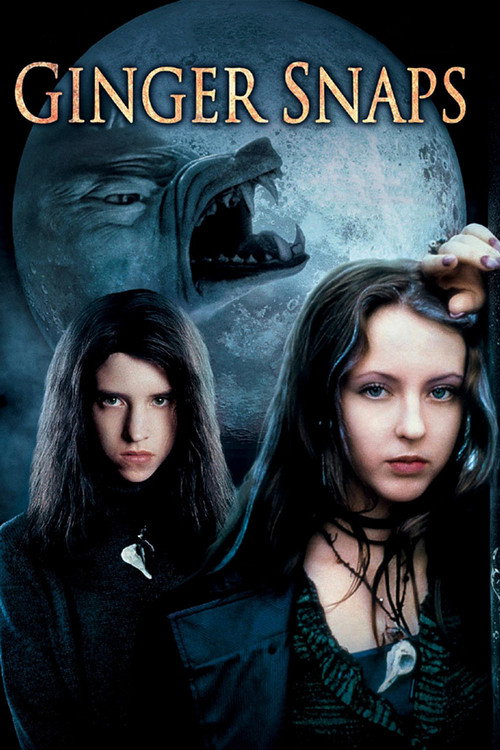
Ginger Snaps2000
Two sisters navigate female adolescence as one of them becomes a werewolf. Sharply written, unexpectedly moving, and uses body horror to explore what it means to change in ways you can't control.
But The werewolf metaphor is pretty literal. If you prefer subtlety in your symbolism, this swings a sledgehammer at it.
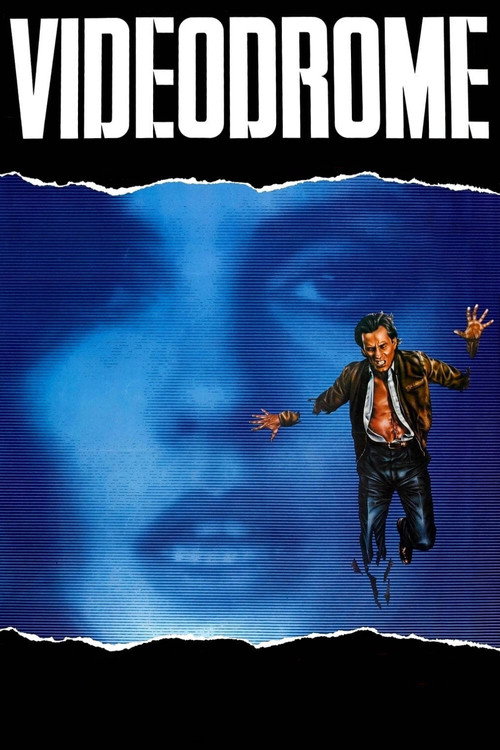
Videodrome1983
Cronenberg's nightmare about a man losing grip on reality through media consumption. Visually stunning and deeply unsettling, with practical effects that still look wrong in the best way possible.
But It's deliberately confusing and refuses to clarify what's real. Some find this brilliant; others find it pretentious and inaccessible.
Under the Skin2014
Scarlett Johansson as an alien predator who lures lonely men. Hypnotic, austere, and heartbreaking—it finds tragedy in isolation and predation without needing to explain itself.
But Very slow, very weird, very little dialogue. It's more like watching a mood than a plot unfold. Patience is mandatory.

Mulholland Drive2001
Lynch's LA fever dream about obsession, identity, and the story we tell ourselves. It rewards obsessive rewatching and contains some of the most unsettling moments in cinema.
But It's deliberately cryptic and doesn't offer a clear answer. If you need a film to explain itself, this will frustrate you.

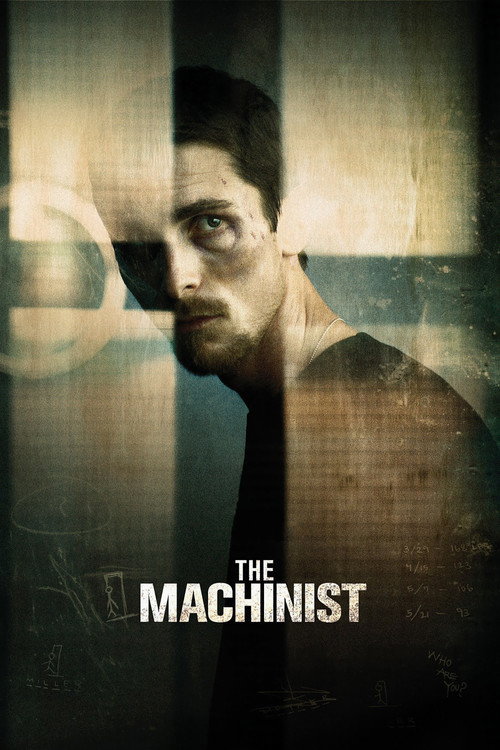
The Machinist2004
Christian Bale as an insomniac unraveling into paranoia and delusion. Lean, claustrophobic, and committed to showing a mind eating itself from the inside.
But Relentlessly bleak and deliberately slow. It's a meditation on collapse, not a thriller with payoffs. Bale's extreme weight loss is also difficult to watch.
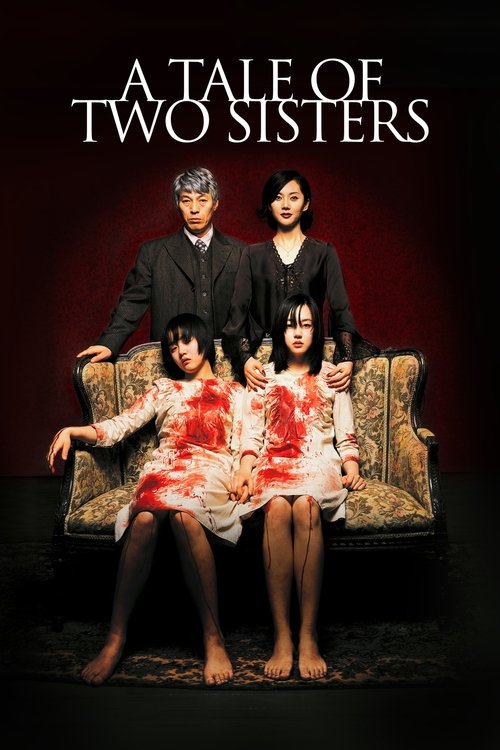
A Tale of Two Sisters2003
Two sisters navigate something traumatic with a stepmother in a film that's visually gorgeous and narratively unreliable. Tragic, beautiful, and genuinely unsettling without relying on jump scares.
But The twist, when it lands, asks you to reinterpret everything you've watched. Some find it brilliant; others find it invalidates the emotional investment.
Come and See1985
Both films are about a protagonist whose perception of reality becomes unmoored—May through obsession, the boy through trauma. Both trust the audience to stay with something deeply uncomfortable. Both suggest that horror emerges from human brokenness.
Elem Klimov's devastating Soviet film about a boy conscripted into the war. It's the inverse of May—instead of internal obsession creating external horror, external atrocity destroys an innocent's sense of reality. Visually overwhelming and morally uncompromising.
But It's relentlessly brutal and shows real violence and real suffering. Not a film you watch for pleasure; you watch it to be destroyed by it. Not recommended after a difficult day.

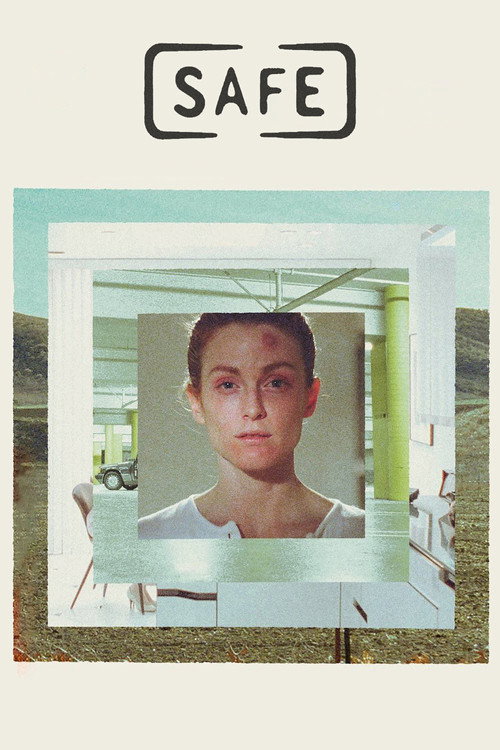
Safe1995
Like May, it uses specificity (perfectionism, environmental sensitivity) as a lens into deeper psychological dysfunction. Both films are about characters whose obsessions/symptoms are simultaneously real and delusional. Both create horror from within rather than from external threats.
Todd Haynes' slow-burn nightmare about a woman developing mysterious environmental illnesses that no one can diagnose. It's ambiguous whether her condition is real or psychosomatic—and brilliantly suggests that the distinction doesn't matter. A film about the ultimate isolation.
But It's suffocating by design, with minimal plot and maximum dread. Julianne Moore's character becomes increasingly inert. Some find this profound; others find it unbearably tedious.
People
Cast

 Jeremy SistoAdam
 Anna FarisPolly
 James DuvalBlank
 Nichole HiltzAmbrosia
 Kevin GagePapa
 Merle KennedyMama
- Chandler Riley HechtYoung May
- Rachel DavidPetey
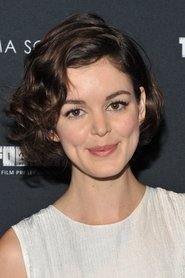 Nora ZehetnerHoop
 Will EstesChris
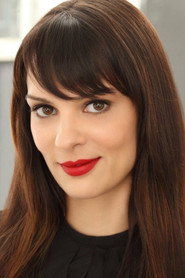 Roxanne DayBuckle
Directing
- Lucky McKeeDirector
- Brad ArnoldFirst Assistant Director
- W. Alex KorpSecond Assistant Director
Writing
- Lucky McKeeScreenplay
Production
- Shannon MakhanianCasting
- Jennifer GoldsteinCasting Associate
- Richard MiddletonCo-Producer
- Eric KoskinExecutive Producer
- John VeagueExecutive Producer
- Maryus VaysbergProducer
- Scott SturgeonProducer
- Richard MiddletonUnit Production Manager
Recommended by
Ingrid Goes West, Lars and the Real Girl, Raw, Swimfan, Chernobyl Diaries, Curse of Chucky, Teeth, Bride of Chucky, Body Bags, Cherry Falls, Excision, The Janitor, Sick Girl, Sick Nurses, Crush, Anatomy, The Burning Bed, He Loves Me… He Loves Me Not, Prom Night, Lisa Frankenstein, Childstar