
Film
Anatomy
A German medical-school thriller where a competitive student discovers her dissection assignment is someone she knew, leading her down a rabbit hole of institutional secrets and body horror. It's tense and genuinely unsettling, with a clinical visual style that makes you squirm. For anyone who wants their horror smart and grounded rather than supernatural.
Should you watch it?
Watch it if you enjoy slow-building paranoid thrillers where dread grows out of a cold academic setting and a heroine's stubborn curiosity, more than out of gore.
Skip it if the scares come in sparing bursts, so if you want relentless shocks, this may feel slow, procedural and talky.
What it asks of you: It asks you to stay patient through long stretches of quiet detective work and anatomy-lab routine, a little under two hours of gradual unease.
Not sure? Find tonight's pick in a minute.
If you liked this
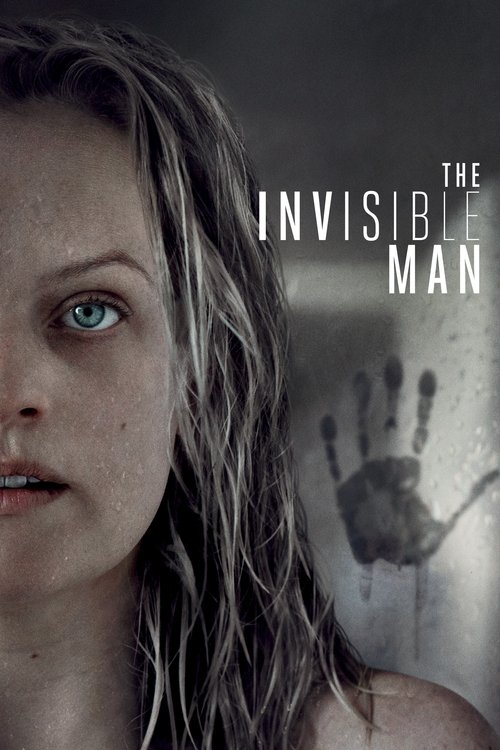
The Invisible Man2020
A smart thriller about systems of control and institutional gaslighting wrapped in a propulsive genre package. Elisabeth Moss is electric, and the film uses restraint and negative space to generate real dread.
But The political subtext is deliberate and unsubtle. If you came for jump scares, you'll leave frustrated.
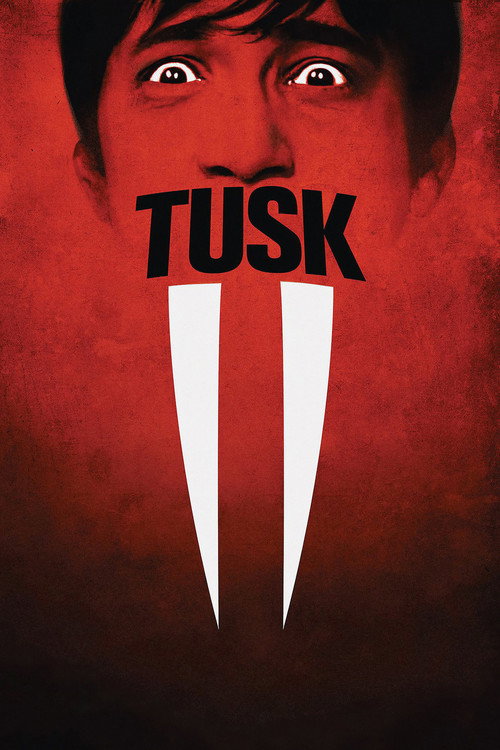
Tusk2014
Body horror as psychological thriller. A man wakes up in a nightmare he didn't see coming, and the film's commitment to its sick premise is absolute. Hideously creative and utterly committed.
But Genuinely difficult to watch in the middle section. The tone is queasy and dark in a way that some viewers find more gross than compelling.
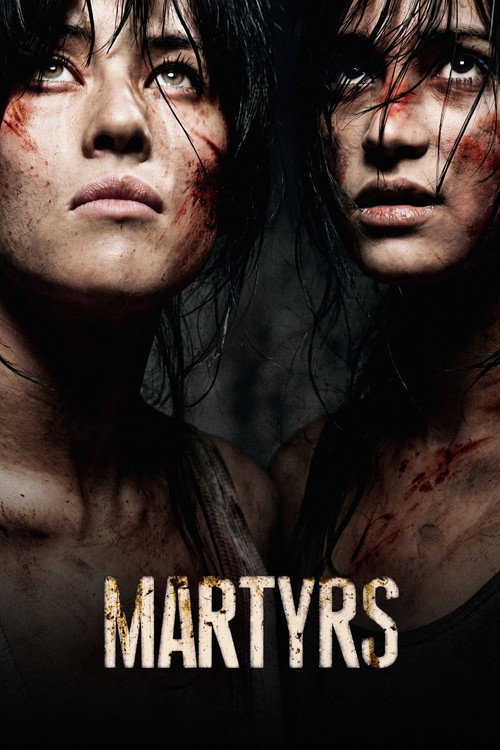
Martyrs2008
A French-Canadian film that takes institutional cruelty seriously as both plot and theme. Visually striking, morally complex, and uncompromising in a way that stays with you for weeks.
But Extremely graphic violence. This is not entertainment; it's an ordeal by design, and not everyone needs that kind of endurance test.
Not sure tonight? Get a pick in a minute, starting from Anatomy
The wildcard
Something you would not have found on your own.
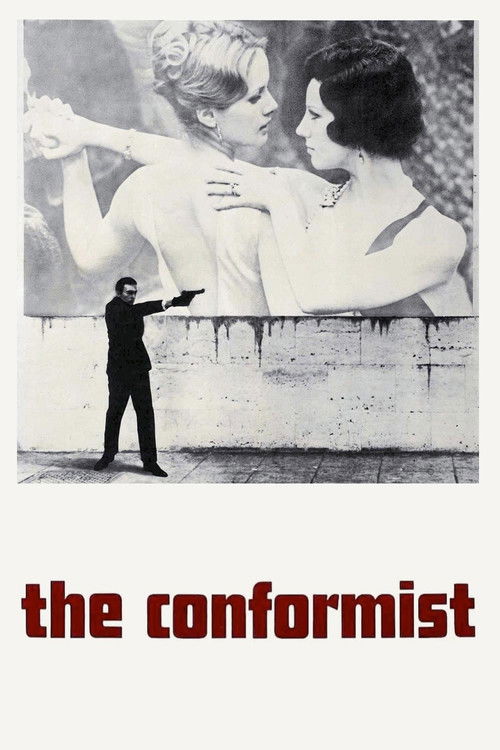
The Conformist1971
Both explore how institutions corrupt individuals through beauty, order, and the seduction of belonging. Both are about the horror of systems rather than monsters.
Bernardo Bertolucci's masterpiece about a man constructing himself to fit a system. It's about complicity, architecture, and how institutional logic corrupts the individual—the same thematic DNA as Anatomy but through an entirely different lens.
But Slowly paced 1970s art cinema. The connection to Anatomy is thematic, not narrative, which means you're signing up for a completely different kind of film.
More like this (8)
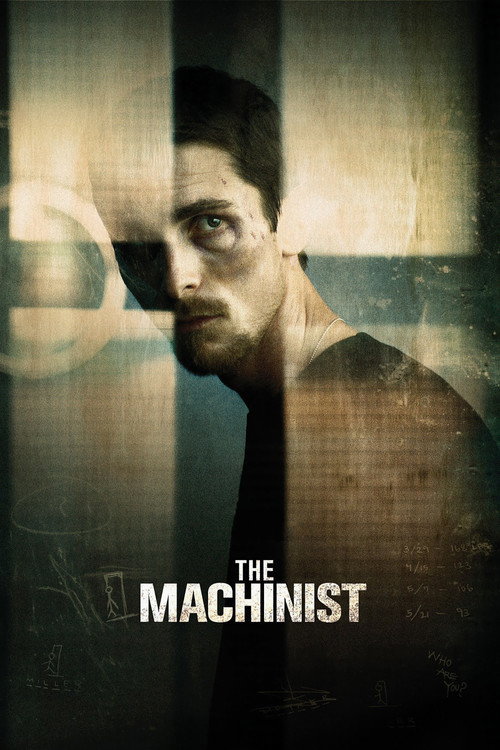
The Machinist2004
Christian Bale at his most physically committed, playing a man unravelling in a paranoid industrial nightmare. Clinical, claustrophobic, and genuinely disturbing without relying on gore.
But Deliberately punishing to watch. The pacing is glacial and the mood never lifts, which means it can feel more exhausting than entertaining.
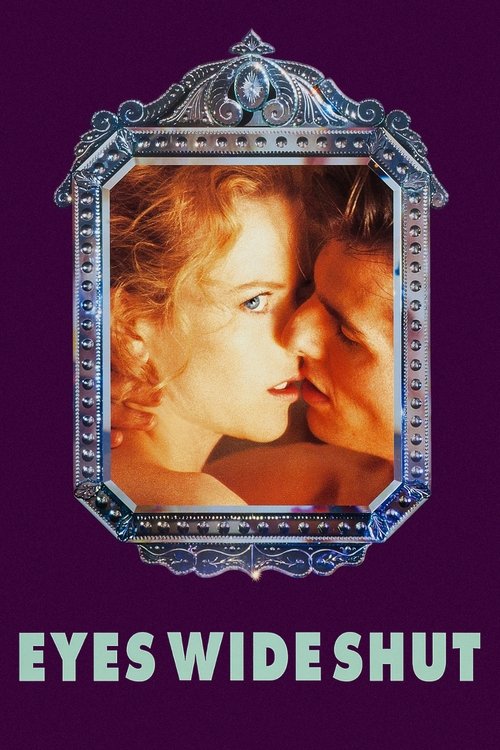
Eyes Wide Shut1999
Kubrick's procedural mystery set in a world of architectural elegance hiding ugly power dynamics. It moves like Anatomy does—methodical, suspicious, the everyday made alien.
But Nearly three hours of a man wandering around looking bewildered. The eroticism is clinical rather than erotic, and the ending divides audiences permanently.
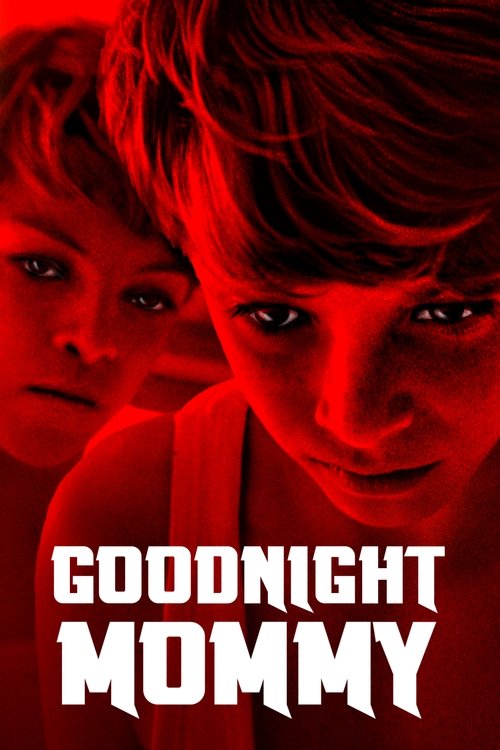
Goodnight Mommy2015
An Austrian film about two boys and their mother after facial surgery. It builds dread through domestic unease and a twist that recontextualizes everything. Hypnotic and cruel.
But Long stretches with almost no dialogue, which some find meditative and others find tedious. The final act is disturbing rather than satisfying.
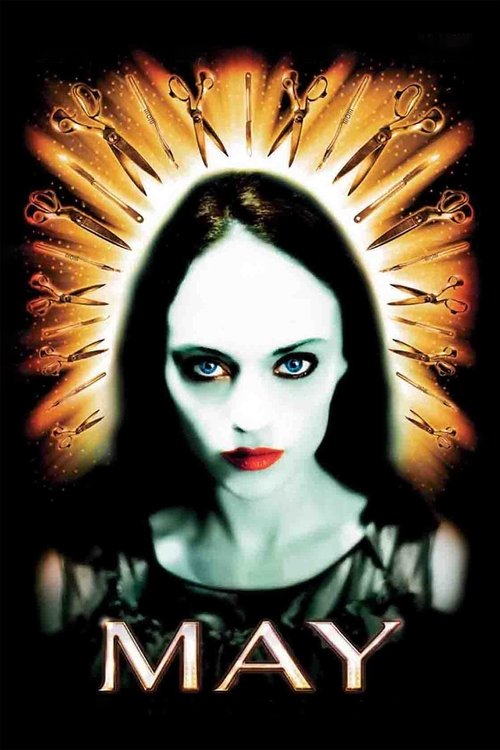
May2003
A lonely woman obsessed with beauty begins to reassemble the world in her image. It's body horror as character study—creepy, sad, and genuinely inventive in how it uses revulsion to build sympathy.
But The tone is arch and the third act leans into camp, which undercuts the psychological tension for some viewers.
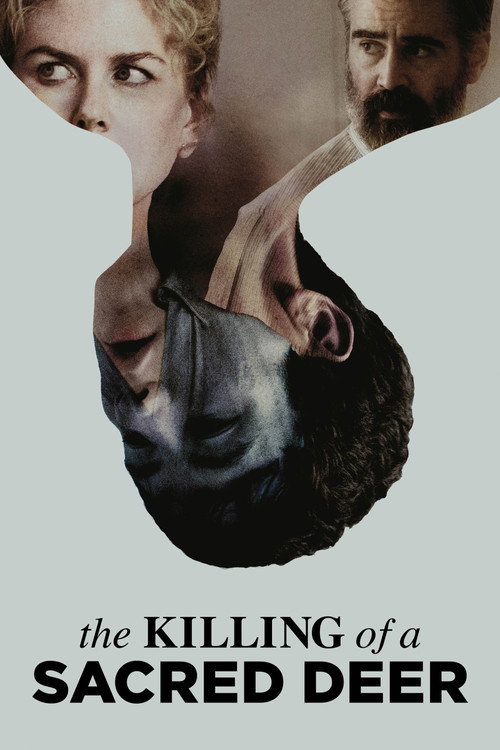
The Killing of a Sacred Deer2017
A surgeon and his family are stalked by the son of a man he killed. It's ritualistic, hypnotic, and structured like a Greek tragedy in a modern hospital. Utterly distinctive voice.
But Deliberately artificial dialogue and blocking. If you want naturalism, this will frustrate you. The pacing is slow and the resolution is deliberately unsatisfying.
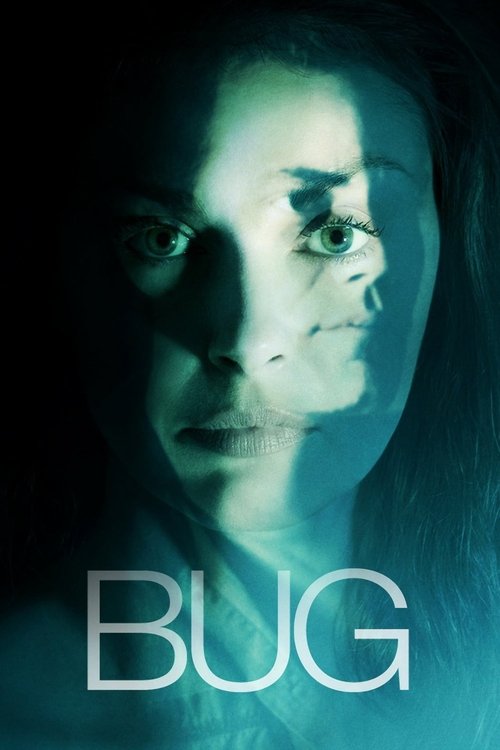
Bug2007
William Friedkin directing William H. Macy and Ashley Judd in a two-hander about paranoia and infection. The escalation is horrifying and the commitment to unease is total. A genuine nightmare.
But Ninety minutes in a dingy motel room with two increasingly unhinged people. If claustrophobia bothers you, don't approach this.
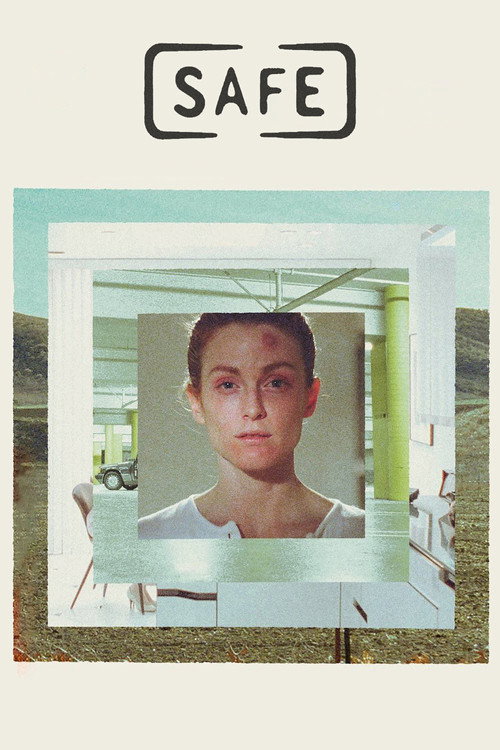
Safe1995
Both use the medical and institutional setting to explore violation and invisibility. Both are about bodies as sites where larger social anxieties become visible.
Todd Haynes' film about a woman developing mysterious illnesses in response to the modern world. It's body horror as metaphor for environmental and psychological contamination—the clinical observation of Anatomy applied to chronic illness and institutional dismissal.
But It's oblique and refuses clear answers. If you need the film to explain what's happening, you'll leave angry rather than unsettled.
Come and See1985
Both are procedurals of complicity, watching good people absorbed into systems of atrocity. Both use your own witnessing as part of the horror.
Elem Klimov's Soviet war film follows a boy's descent into horror during WWII. It's structured like Anatomy—a competent person entering a system that methodically destroys their assumptions—but escalates into something apocalyptic and nearly unwatchable.
But This is not entertainment. It's a brutalization disguised as cinema. Many who watch it genuinely regret the experience, and that regret is the point.

People
Cast
 Franka PotentePaula
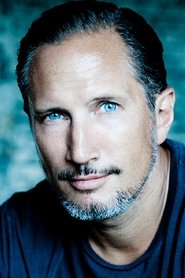 Benno FürmannHein
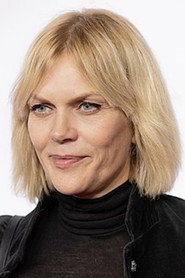 Anna LoosGretchen
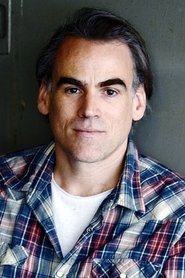 Sebastian BlombergCaspar
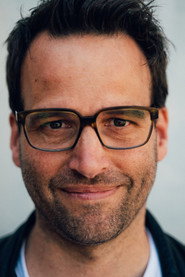 Holger SpeckhahnPhil
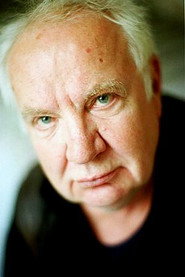 Traugott BuhreProf. Grombek
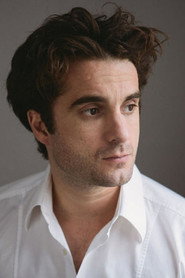 Oliver WnukLudwig
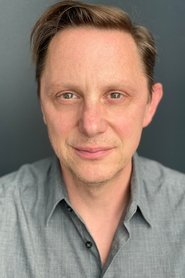
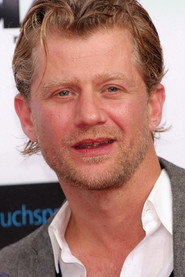 Andreas GuentherFranz
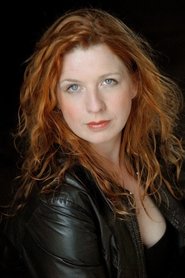
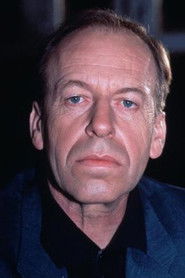 Rüdiger VoglerDr. Henning
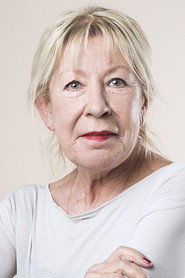 Barbara Magdalena AhrenFrau Henning
Directing
- Anton Maria AignerAssistant Director
- Caroline FischerContinuity
- Karin HartlContinuity
- Stefan RuzowitzkyDirector
Writing
- Stefan RuzowitzkyScreenplay
Production
- Christine KottermaierAccountant
- Thomas RathfelderAssistant Production Manager
- Britta KnöllerAssistant Unit Manager
- Nessie NesslauerCasting
- Kristin BrandsCasting Assistant
- Norbert PreussExecutive Producer
- Dagmar ReimerExtras Casting
- Erwin NowakExtras Casting
- Anja GiessingLine Producer
- Bernd KrauseLine Producer
- Lancelot von NasoLocation Manager
- Andrea WillsonProducer
- Jakob ClaussenProducer
- Thomas WöbkeProducer
- Uschi RohwedderProduction Coordinator
- Burgi EhrhardtProduction Manager
- Filip HeringProduction Manager
- Ulrike PutzProduction Manager
- Ursula SchlieperProduction Manager
- Anja GiessingUnit Manager
- Dirk EngelhardUnit Manager