
Film
The Source Family
The Source Family documents a 1970s Hollywood commune led by charismatic Father Yod, whose spiritual experiment—including his thirteen wives and unconventional ideals—captivated Sunset Strip insiders before authorities intervened. It's a strange, sympathetic portrait of idealism colliding with reality, told largely through archive footage and surviving members' reflections. For anyone curious about cult dynamics, utopian failure, or that specific fever dream of '70s counterculture.
If you liked this
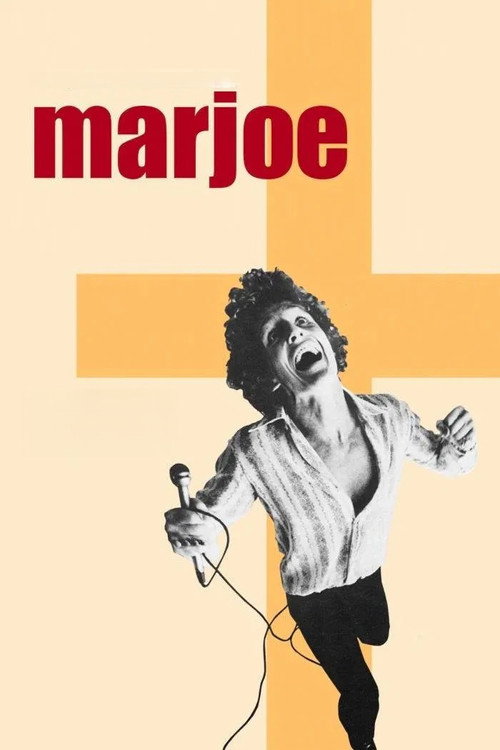
Marjoe1972
A mesmerizing documentary exposé of a televangelist who admits the whole thing is a con while performing at his peak. Like The Source Family, it captures charisma and manipulation with uncomfortable intimacy, letting the subject unwittingly reveal the machinery beneath.
But It's a portrait of exploitation that doesn't always condemn as loudly as you'd want. Some viewers find the tone too observational when the subject deserves harder judgment.
Grey Gardens1976
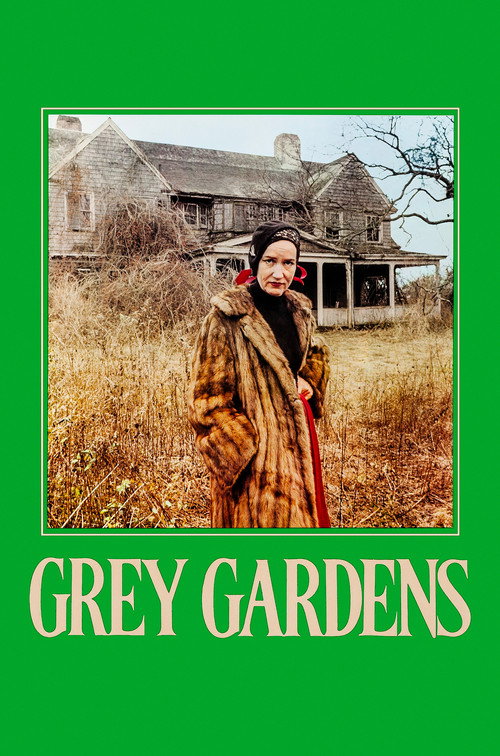
The Maysles brothers' masterpiece observes two isolated women in their decaying mansion with remarkable tenderness and no agenda. Like The Source Family, it's a documentary that finds beauty and tragedy in people living outside conventional norms.
But The pacing is glacial and there's genuine discomfort in watching mental illness and squalor documented so closely. Some find it cruelly voyeuristic.
Gaslit2022
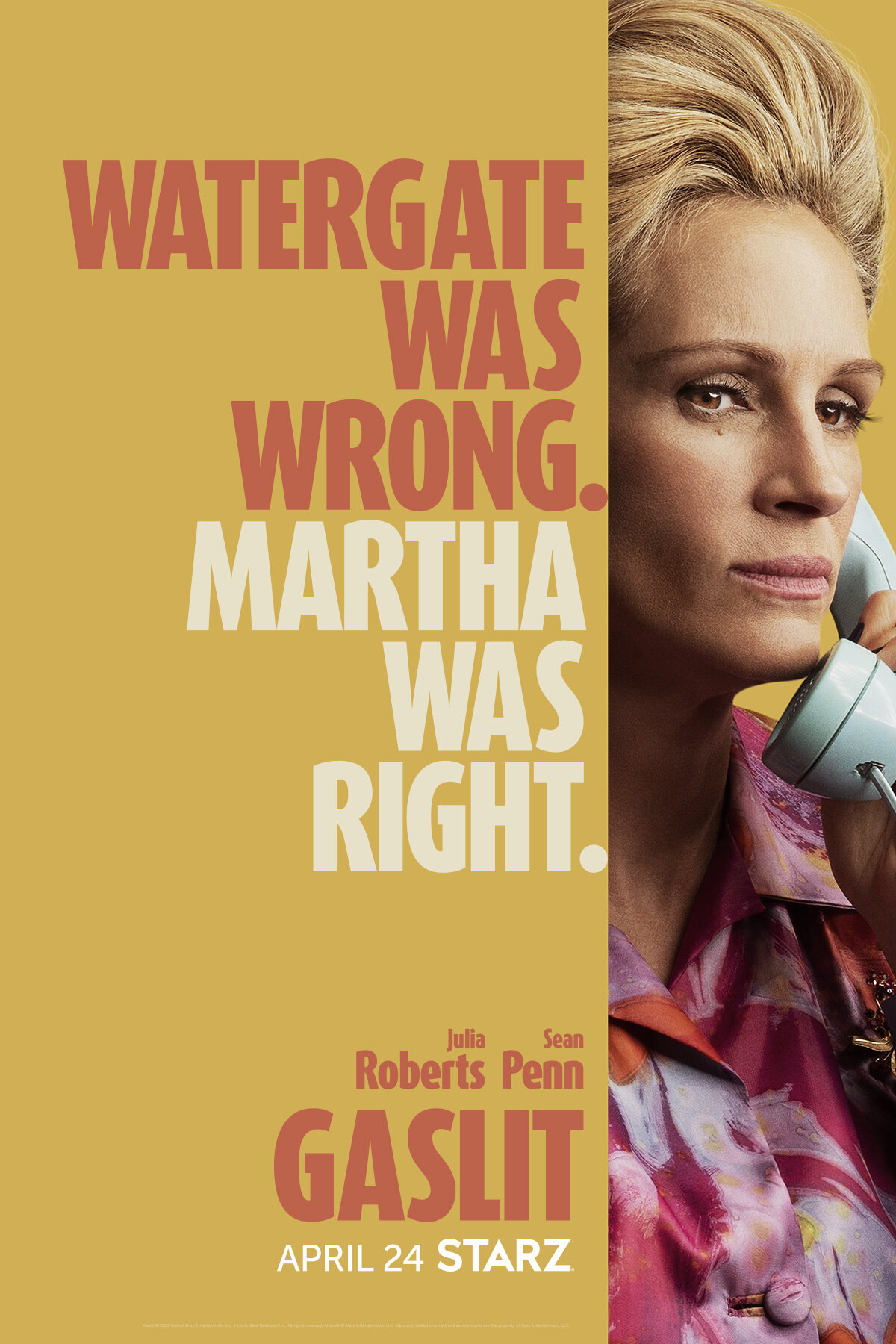
Martha Mitchell—ignored, gaslit, punished for speaking truth—becomes a cipher for how power silences inconvenient witnesses. Complements The Source Family's interest in charismatic authority and who gets believed.
But The historical record is overcooked with modern indignation. It prioritises drama over nuance in ways serious viewers might resist.
Not sure tonight? Get a pick in a minute, starting from The Source Family
The wildcard
Something you would not have found on your own.
Under the Skin2014
Both interrogate charisma and submission through an almost anthropological distance. The Source Family documents real cult authority; Under the Skin fictionalises predatory power as aesthetic and inescapable.
Jonathan Glazer's film (released the same year as The Source Family) is hypnotic and alien—Scarlett Johansson as an unnamed entity harvesting humans in Scotland. The connection: both films are slow, archive-like records of power dynamics between isolated individuals and an unknowable central figure. Both ask: what do we owe an authority we don't understand?
But It's deliberately obscure and will test your patience. There's minimal dialogue, no explanation, and an ending that some find pretentious rather than profound.

More like this (5)
The Vow2020
Survivors of the NXIVM cult break down recruitment, coercion, and the psychological hooks that bind followers to leaders. It's a forensic examination of exactly the machinery The Source Family only hints at.
But It becomes tabloid-adjacent in later episodes, trading insight for scandal. And the cult's actual practices—branding, blackmail—make it feel less like utopian failure and more like straightforward criminality.
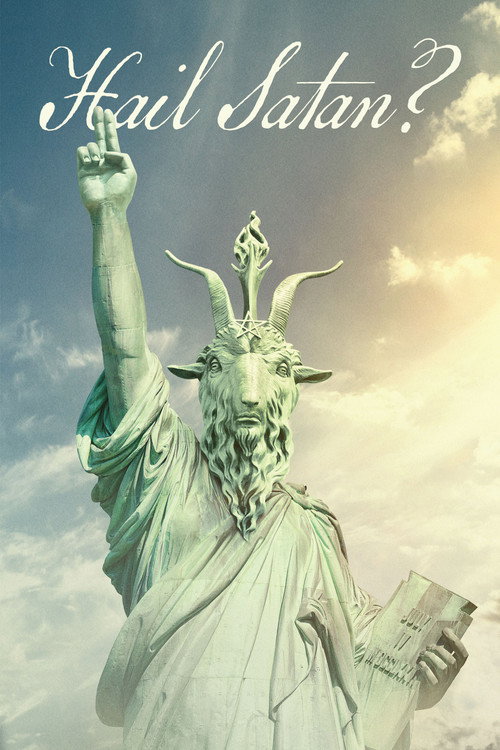
Hail Satan?2019
Sympathetic portrait of The Satanic Temple and why they exist—examining religious freedom, institutional power, and outsider communities that question authority. Shares The Source Family's interest in unconventional spirituality without condescension.
But If you're deeply religious, the film's framing might feel designed to needle you. Some secular viewers also find its libertarianism frustrating.
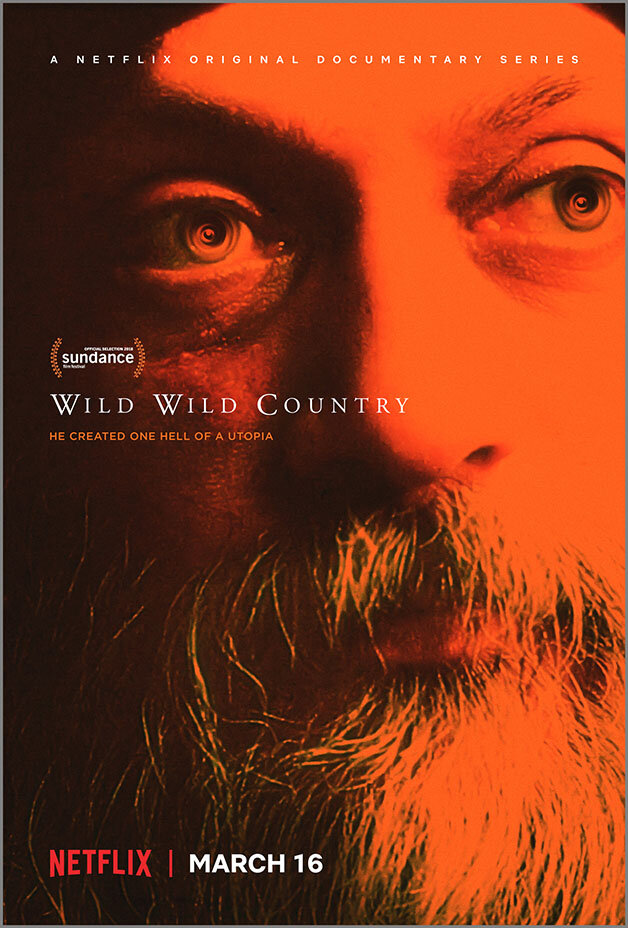
Wild Wild Country2018
The Rajneeshees' experiment in Oregon: a real-time collision between utopian vision and paranoid backlash, told with empathy for both believers and skeptics. Gorgeously shot and narratively gripping in ways The Source Family gestures toward.
But It's often in Rajneesh's spiritual interests to downplay uncomfortable truths about the community. The series doesn't always push back hard enough.
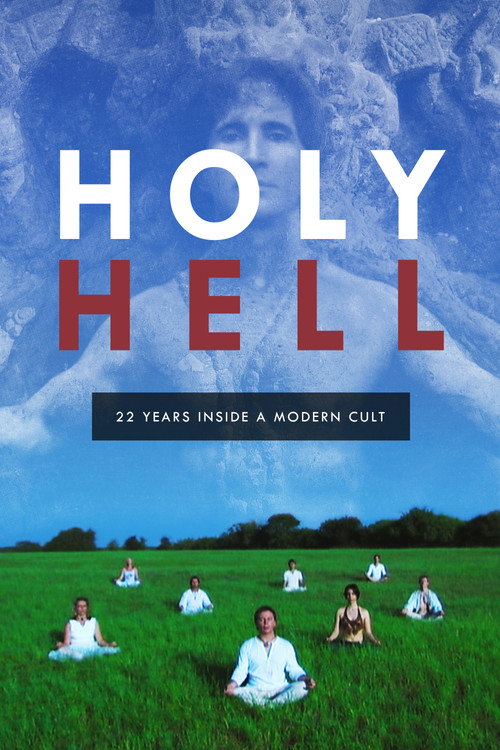
Holy Hell2016
A former member of the Buddhafield cult uses his own footage to document his years inside—performance, manipulation, and gradual awakening. Rare because the insider became filmmaker, giving unprecedented access.
But The filmmaking is deliberately amateur in ways that sometimes feel self-pitying. And watching the director process his own complicity can feel interminable.
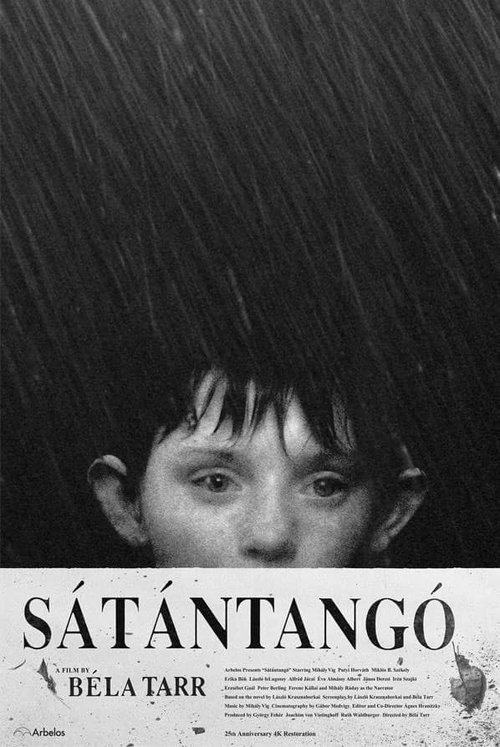
Satantango1994
Both examine how charisma fills spiritual voids. The Source Family documents it happening; Sátántangó dramatises the mechanism—showing how abstraction and mystery become irresistible.
Béla Tarr's seven-and-a-half-hour Hungarian masterpiece: a messianic figure moves through a desolate community making impossible promises. Shot in crackling black-and-white, it's hypnotic and completely committed to its own logic—like watching a cult form in real-time through pure cinema.
But Seven and a half hours. Black-and-white. Slow. If you have never seen Tarr and believe cinema should move, do not start here.
People
Cast
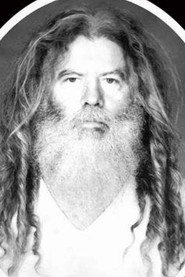 Father YodSelf (archive footage)
- Om-Ne AquarianSelf
- Damian PaulSelf (as Yahowha #3)
- Zinaru AquarianSelf
- Djin AquarianSelf
- Elena MichaelsSelf (as Electra Aquarian)
- Ob GoldSelf (as Orbit Aquarian)
- Dawn HurwitzSelf (as Galaxy Aquarian)
- Isis AquarianSelf
Directing
- Jodi WilleDirector
- Maria DemopoulosDirector
Writing
Production
- Isis AquarianAssociate Producer
- Adam ParfreyCo-Producer
- John TanzerCo-Producer
- Braxton PopeExecutive Producer
- Michael DeLuiseExecutive Producer
- Mark LipsonPost Production Producer
- Amaryllis KnightProducer
- Holly BeckerProducer
- Jodi WilleProducer
- Maria DemopoulosProducer
Recommended by
The Grateful Dead Movie, Sympathy for the Devil: The True Story of The Process Church of the Final Judgment