
Film
Hail Satan?
A wry, disarmingly good-humoured look at The Satanic Temple, the activist group that uses Baphomet statues and legal filings rather than pentagrams and goat blood to fight for church-state separation. It's less about devil worship than about trolling theocracy with its own rulebook. Funny, sharp, and quietly moving about who gets to claim moral authority in America.
If you liked this
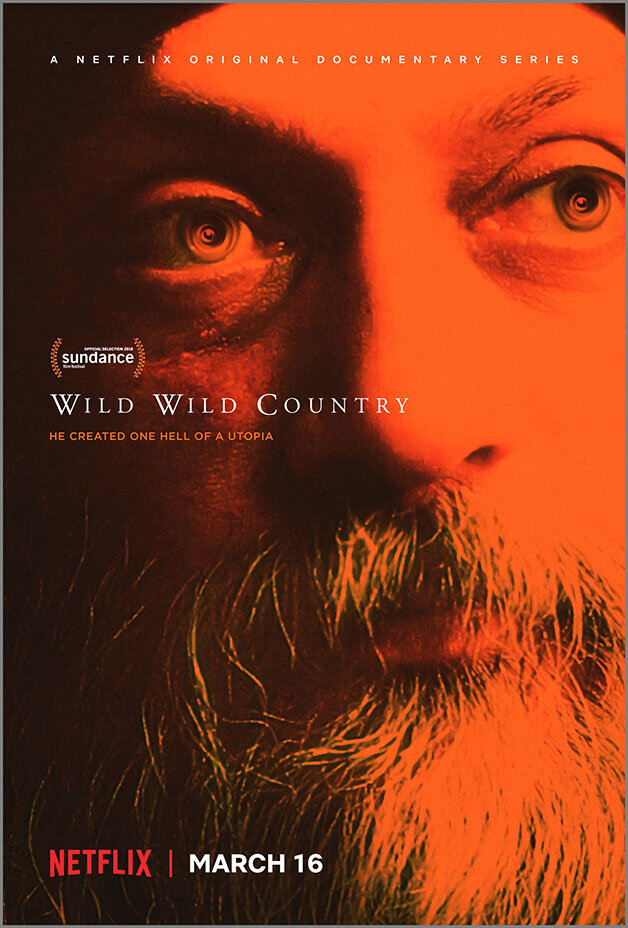
Wild Wild Country2018
A six-part Netflix deep dive into the Rajneeshpuram commune's collision with small-town Oregon — same mix of media spectacle, legal warfare, and a charismatic movement nobody quite knows how to categorise as good or bad.
But Six hours is a real commitment, and the story sprawls into bioterrorism and betrayal that's much darker than anything here.
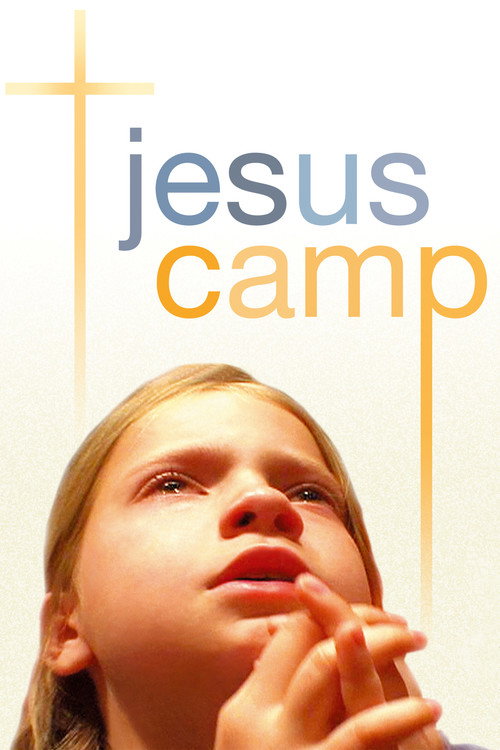
Jesus Camp2006
An unnervingly even-handed look inside evangelical Christian youth culture that lets true believers speak for themselves — the mirror image of Hail Satan?'s subjects, equally sincere, equally strange to outsiders.
But It offers almost no editorial distance or humour, so it can feel bleaker and more claustrophobic than you're expecting.
This Film Is Not Yet Rated2006no page yet
A gleeful, well-armed assault on the MPAA's secretive ratings board, made with the same appetite for using a broken system's own paperwork against it that fuels the Temple's legal stunts.
But The targets are Hollywood and censorship rather than religion, so the stakes feel smaller and more industry-insider.
The wildcard
Something you would not have found on your own.
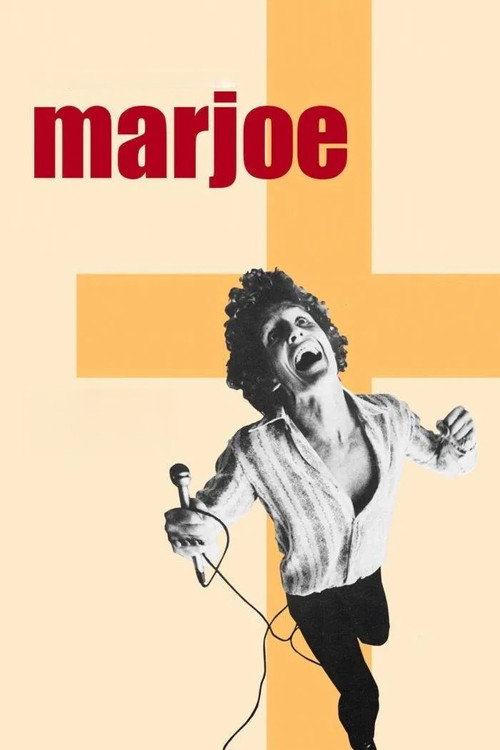
Marjoe1972
Both films are fascinated by religion as theatre and by people who use that theatre deliberately — Marjoe just shows the con from the inside decades before the Temple turned the same trick into activism.
The Oscar-winning documentary that got there first: a charismatic Pentecostal evangelist lets cameras film him faking tears, choreographing miracles, and openly admitting it's all showbiz. Nothing you'll see about religious performance is new after this.
But The 16mm grain and 1970s pacing take some adjusting to, and it has none of Hail Satan?'s deliberate playfulness.
More like this (8)
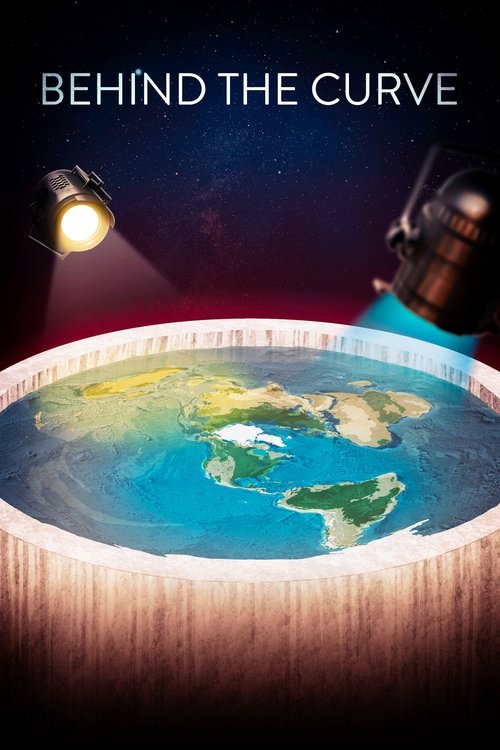
Behind the Curve2018
A patient, oddly tender portrait of flat-earth believers that never mocks its subjects even as it lets their contradictions hang in the air — a great study of belief, community, and the need to be part of something.
But There's no activist payoff here, no institution being outmanoeuvred — just people slowly, sadly cornered by their own convictions.
The Family2019no page yet
A tense five-part investigation into a secretive Christian political network wielding real power in Washington — if you want to see how blurred the line between faith and government actually gets, this is the serious version.
But It trades the earlier film's wit for genuine dread; there's no satire cushion, just a slow, unsettling accumulation of influence.
One of Us2017no page yet
Follows three people leaving Hasidic Judaism, and captures with real intimacy what it costs to walk away from a total belief system — the human cost the Temple's members are choosing to avoid.
But It's a quieter, sadder film with none of the confrontational energy or dark comedy you'll be expecting.
For the Bible Tells Me So2007no page yet
Christian families wrestle with having gay children, using scripture against scripture in exactly the kind of institution-versus-conscience argument the Temple makes from outside the church instead of within it.
But It's earnest and openly emotional where Hail Satan? stays cool and ironic — a real tonal gear change.
Believer2018no page yet
Imagine Dragons frontman Dan Reynolds organises a music festival for LGBTQ Mormon youth, turning personal faith crisis into public activism — a mainstream-friendly cousin to the Temple's outsider strategy.
But It's built around one likeable celebrity rather than a movement, so it's a gentler, more individual story.
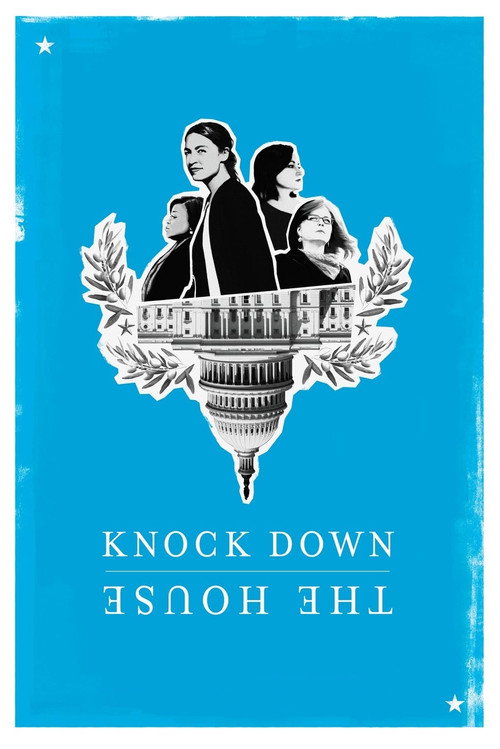
Knock Down the House2019
Follows four grassroots insurgent candidates, including a young Alexandria Ocasio-Cortez, going up against entrenched power with almost nothing but conviction and nerve — the same underdog-versus-institution thrill.
But There's no religion here at all, just electoral politics, so the connection is purely structural, not thematic.
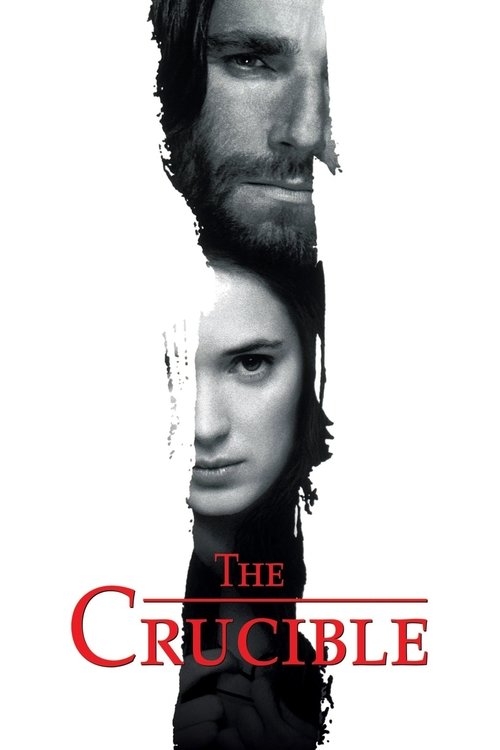
The Crucible1996
It's the origin story of America's Satanic Panic reflex: the same fear of hidden devil-worship the Temple now deploys against itself, played here for its full human cost rather than its comic potential.
Arthur Miller's Salem witch trial drama, filmed with real force by Winona Ryder and Daniel Day-Lewis, dramatises the exact American impulse — moral panic weaponised as social control — that the Satanic Temple exists to needle.
But It's a tragedy, not a comedy, and offers no satisfying institutional win — just people destroyed by hysteria and self-interest.
Dogma1999no page yet
Same core idea, opposite genre: institutions built on rules can be beaten using their own rules, told here as absurdist fantasy comedy instead of sober nonfiction.
Kevin Smith's foul-mouthed comedy sends two fallen angels on a quest to exploit a Catholic loophole and get back into Heaven, treating religious doctrine as a rulebook to be gamed — exactly the Temple's legal M.O., wearing a devil costume and cracking jokes.
But It's broad, profane studio comedy with fart jokes and Alanis Morissette as God — a completely different register from a measured documentary.
People
Cast
- Nicholas CroweSelf - TST Collaborator
- Malcolm JarrySelf - TST Co-founder
- Lucien GreavesSelf - TST Co-founder
- Jesper Aagaard PetersenSelf - Author
- Jex BlackmoreSelf - TST Member
- Jay D. WexlerSelf - Law Professor
- Sadie SatanasSelf - TST Member
- Lynita KillenSelf - TST Member
- William MorrisonSelf - TST Member
- Eve VulgarisSelf - TST Member
- Shiva HoneySelf - TST Member
- Mason HargettSelf - TST Member
Directing
- Penny LaneDirector
Production
- Nickolas HasseAssociate Producer
- Nicolas LunaAssociate Producer
- Lori CheatleExecutive Producer
- Nickolas HassePost Production Coordinator
- Gabriel SedgwickProducer
Recommended by
The Craft, Constantine, The Witches of Eastwick, The Omen, The Devil Rides Out, Night of the Demon