
Film
Apostasy
- Family drama
- Slow-burning
Apostasy is a quietly devastating portrait of a Jehovah's Witness family torn apart by shunning. The film moves with deliberate precision through moments of spiritual certainty collapsing into doubt, watching faith become indistinguishable from control. It's for anyone who's felt trapped between loyalty and conscience.
Should you watch it?
Watch it if you like a close, unshowy study of how a community's rules can quietly wreck a family, and you'd rather sit with a character's doubt than be handed answers.
Skip it if you need momentum from your films, since this is slow and mostly hushed, with long stretches of watching someone absorb pressure in silence.
What it asks of you: At 94 minutes it is brief, but it stays in a few rooms and holds its silences, so patience matters more than plot.
Not sure? Find tonight's pick in a minute.
If you liked this
Spotlight2015
Investigative journalism uncovers institutional abuse hidden by faith and hierarchy. Like Apostasy, it's about ordinary people discovering their trust was weaponized, and the courage it takes to name what happened.
But It's methodical rather than thrilling. The pace is glacial and there's no cathartic payoff, just the slow accumulation of quiet horror.

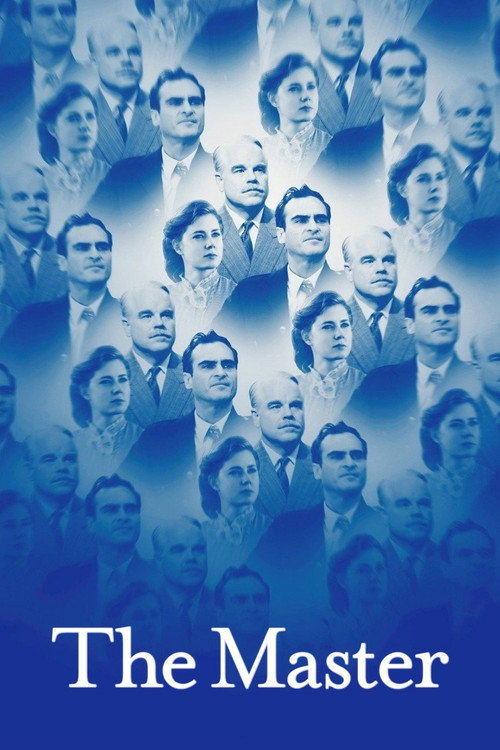
The Master2012
A charismatic cult leader and his vulnerable follower play out a psychological power struggle that mirrors Apostasy's exploration of how belief can obscure coercion. Beautifully shot and morally complex.
But It's opaque and deliberately frustrating. Paul Thomas Anderson won't hand you easy answers or clear moral judgment. Some find it infuriating.
Martha Marcy May Marlene2011
A woman escapes a cult and struggles to rebuild trust with her estranged sister. Like Apostasy, it's about the psychological scars of isolation and the difficulty of reconnecting with people who didn't understand where you've been.
But The ending is deliberately ambiguous and unsettling. It refuses to resolve anything, which some viewers find dissatisfying.

Not sure tonight? Get a pick in a minute, starting from Apostasy
The wildcard
Something you would not have found on your own.
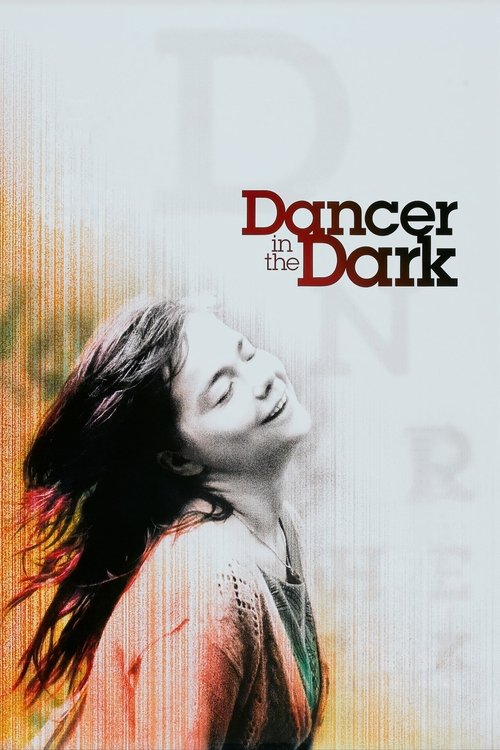
Dancer in the Dark2000
Both follow women whose faith in systems (religious, social, legal) becomes the mechanism of their own destruction. Each asks: how does belief make us defenseless?
A woman's faith—in God, in goodness, in her own worth—is systematically dismantled. Like Apostasy, it tracks the precise moment when trust becomes a vulnerability that others exploit. A shattered portrait of devotion.
But It's one of the most devastating films ever made. Not metaphorically; actually. Björk's performance is raw enough to be painful to watch.
More like this (7)
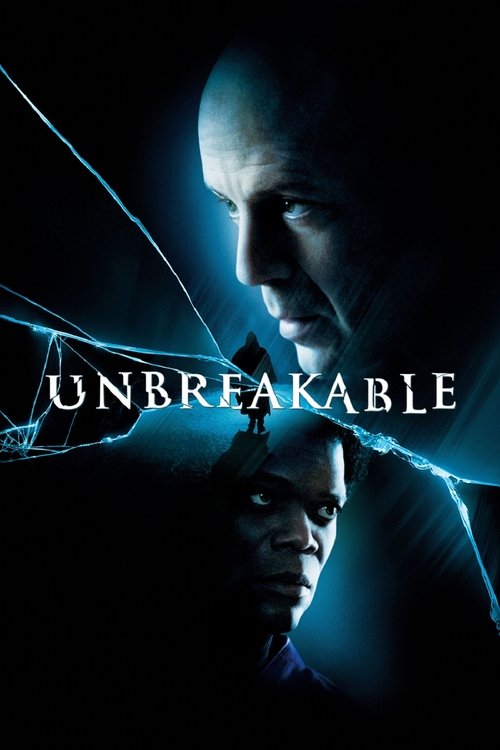
Unbreakable2000
A Jehovah's Witness woman wrestles with faith after tragedy in this quietly powerful character study. Samuel L. Jackson plays a man shaped entirely by the theology he inherited, showing faith as both protection and prison.
But It's a superhero film where the superpowers are secondary. If you want spectacle, you'll be disappointed by the restraint.
Under the Skin2014
An alien woman moves through Scotland collecting people. Like Apostasy, it's about the distance between inner experience and what's visible on the surface—isolation beneath routine, predation beneath politeness.
But It's glacial and abstract. There's almost no dialogue, and it asks a lot from the viewer in terms of patience and interpretation.

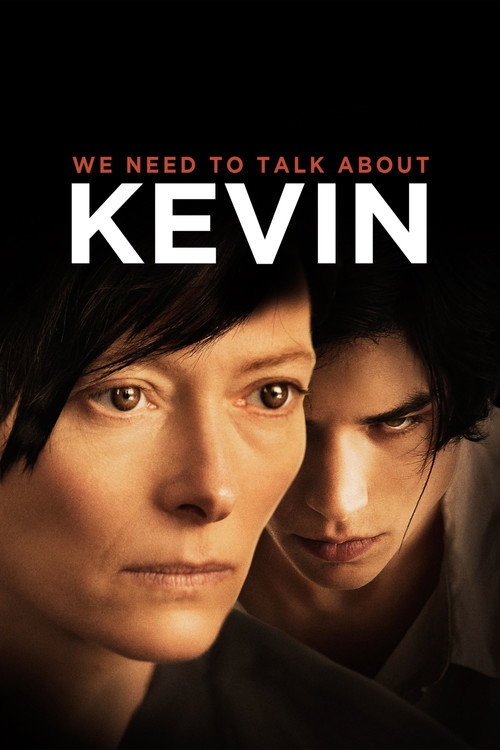
We Need to Talk About Kevin2011
A mother processes her love for a son she fears and what she might have failed to prevent. Like Apostasy, it's about the guilt of not acting sooner, and the question of whether love absolves you of responsibility.
But It's genuinely distressing and made with almost punitive intensity. Not a film that comforts you. Deliberately hostile in its emotional affect.
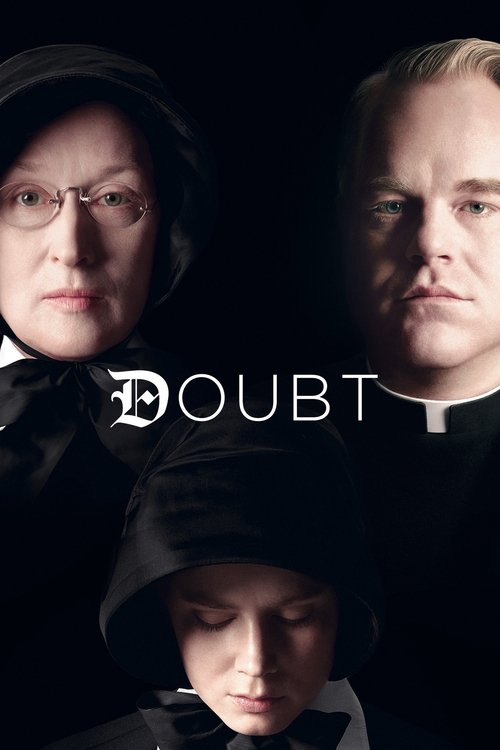
Doubt2008
Meryl Streep's nun suspects abuse within the Church and must decide whether to act. Like Apostasy, it's about institutional loyalty versus conscience, and how certainty can be weaponized.
But It can feel like a well-made stage adaptation—a bit theatrical and occasionally on-the-nose in a way that feels dated.
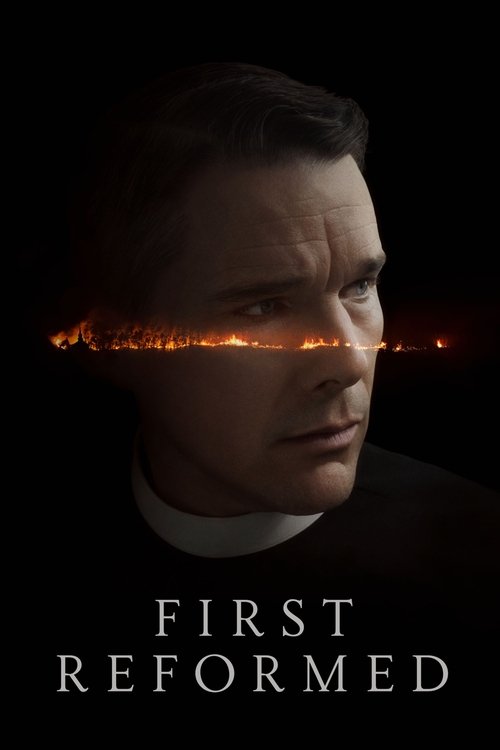
First Reformed2018
A minister questions his faith and his role in a faith community that seems increasingly complicit with evil. It shares Apostasy's willingness to sit with spiritual despair without rushing toward redemption.
But It's densely symbolic and sometimes hermetic. It demands active interpretation and won't meet you halfway.
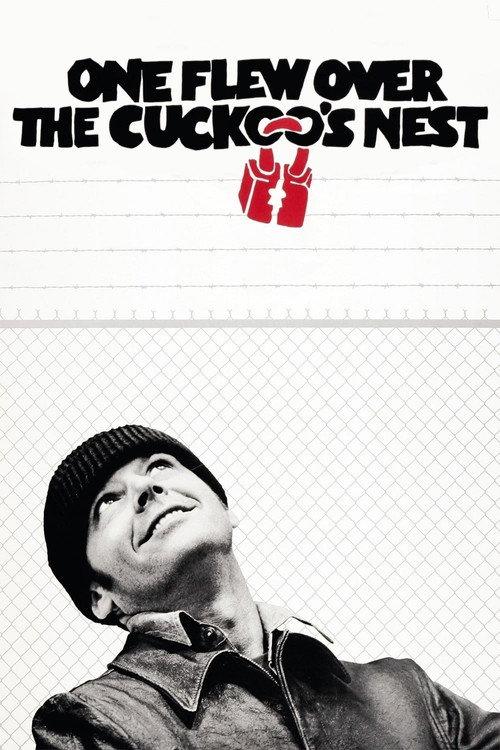
One Flew Over the Cuckoo's Nest1975
Both examine how hierarchical institutions (faith community, psychiatric facility) use moral authority to justify control, and how those inside learn to internalize the system's violence as care.
An institution uses the language of care to justify absolute control. Nurse Ratched runs her ward with the certainty of absolute moral authority, using compassion as a weapon. It's about how systems can destroy people while claiming to save them.
But The gender politics are complicated and dated. The depiction of mental illness is reductive by today's standards, even if the critique of institutional power holds up.
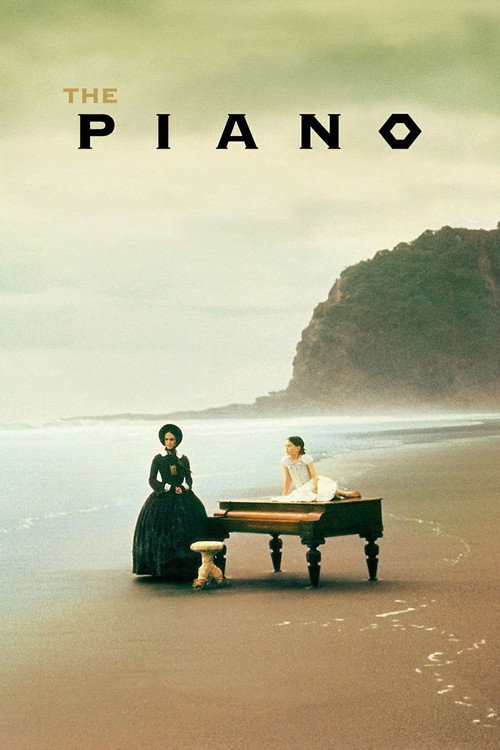
The Piano1993
Like Apostasy, it's about a woman whose isolation becomes a tool others use against her, and her slow, painful move toward choosing herself over the system that defined her.
A mute woman in colonial New Zealand is trapped between her husband's property rights and her own will. She finds voice through music, not words, and must decide what she's willing to lose. A woman reclaiming agency from systems that own her.
But The sexual violence is explicit and not fade-to-black. It's gorgeous and powerful, but it doesn't soften itself for audience comfort.
People
Cast
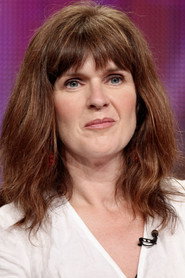 Siobhan FinneranIvanna
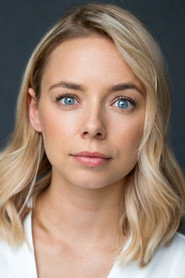 Sacha ParkinsonLuisa
 Molly WrightAlex
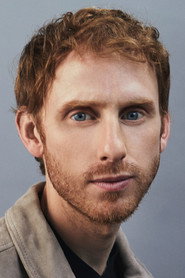 Robert EmmsSteven
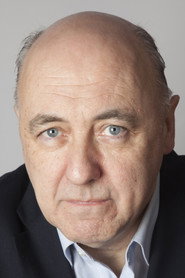 James QuinnElder Brian
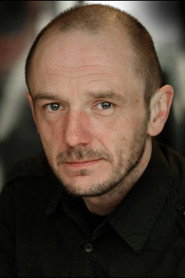 James FosterElder Alan
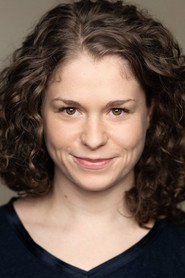 Jessica BaglowCousin Michelle
- Christian FosterCousin Barry
- Clare McGlinnAunty Linda
- Aqib KhanUmar
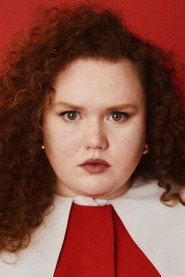 Bronwyn JamesChloe
- Wasim ZakirBrother Jatin
Directing
- Daniel KokotajloDirector
- Ursula HaworthFirst Assistant Director
- Claire ChangScript Supervisor
- John William TurnerSecond Assistant Director
- Lucy Gough-JonesThird Assistant Director
Writing
- Lila RawlingsScript Editor
- Daniel KokotajloWriter
Production
- Michelle SmithCasting
- Christopher Granier-DeferreExecutive Producer
- Christopher MollExecutive Producer
- Josh DynevorLine Producer
- Mike HigsonLocation Manager
- Andrea CornwellProducer
- Marcie MacLellanProducer
- James YoudProduction Manager