
Film
Mad Detective
A retired cop with untreated schizophrenia is pulled back into service to solve a twisted murder case. Johnnie To's 2007 Hong Kong thriller uses mental illness not as tragedy but as investigative superpower—a disorienting, darkly funny ride that treats the fractured mind as the story's central architecture, not its punchline.
If you liked this
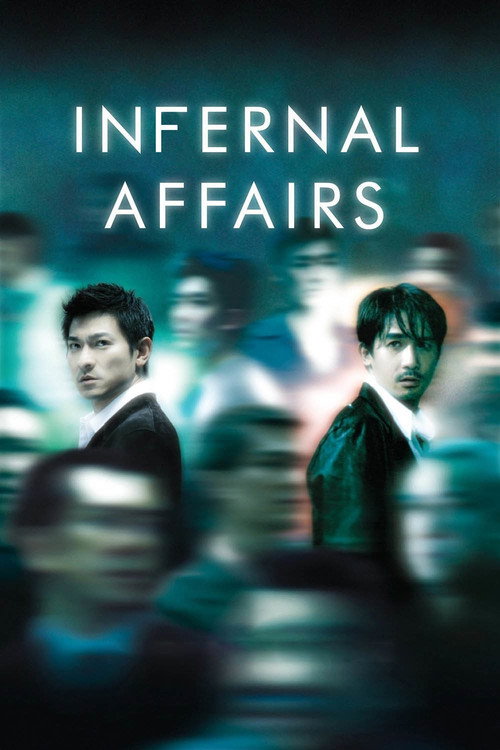
Infernal Affairs2002
The definitive Hong Kong cop thriller: a mole planted in the police force, identity collapse, moral ambiguity. Slick, propulsive, and the template every subsequent HK crime film measures itself against.
But It's been remade, referenced, and absorbed into the culture so thoroughly that it can feel familiar even if you haven't seen it. The twists land harder on first viewing.
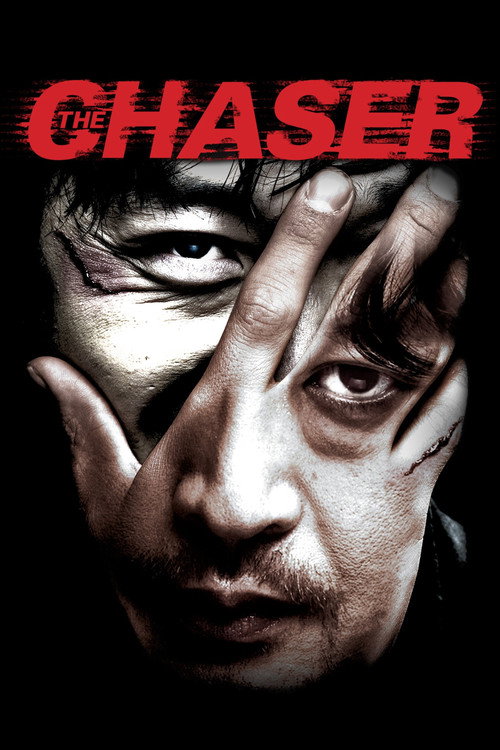
The Chaser2008
Korean thriller about a cop and pimp versus a serial killer, structured as pure chase and counter-chase. Brutal, blackly comic, and features one of cinema's great antagonists—a performance that rewires your brain.
But It's genuinely nasty. The violence has teeth, and the film respects neither the audience's comfort nor its heroes' morality. Not cathartic, exactly.
Memories of Murder2003
Bong Joon-ho's masterpiece about detectives hunting a serial killer in 1980s Korea. Technically dazzling, emotionally devastating, and it asks questions about justice that linger far longer than the plot.
But Three hours, slow-burn pacing, and an ending that refuses closure. It's a film that gets bigger in your mind after watching, which isn't for everyone.

Not sure tonight? Get a pick in a minute, starting from Mad Detective
The wildcard
Something you would not have found on your own.
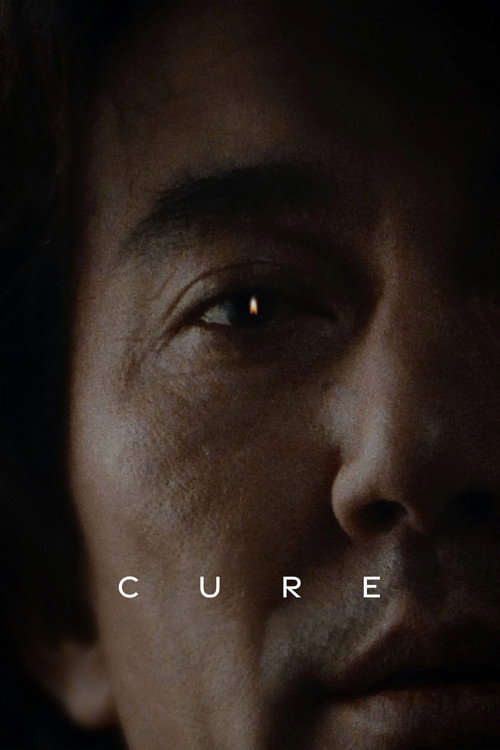
Cure1997
Both films treat fractured psychology as the story's architecture. In Cure, violence spreads like an idea; in Mad Detective, the cop's schizophrenia isn't a liability but the tool that solves the case. Both filmmakers trust the audience to sit inside broken minds.
Kiyoshi Kurosawa's Japanese horror-thriller about a detective hunting a serial killer who operates by suggestion, leaving X-marks carved into victims' bodies. It's genuinely terrifying and philosophically precise about the nature of violence and contagion.
But It's slow, atmospheric horror rather than thriller momentum. The scares are psychological and sustained, not sudden. And it ends in a place that will feel incomplete to some viewers.
More like this (8)
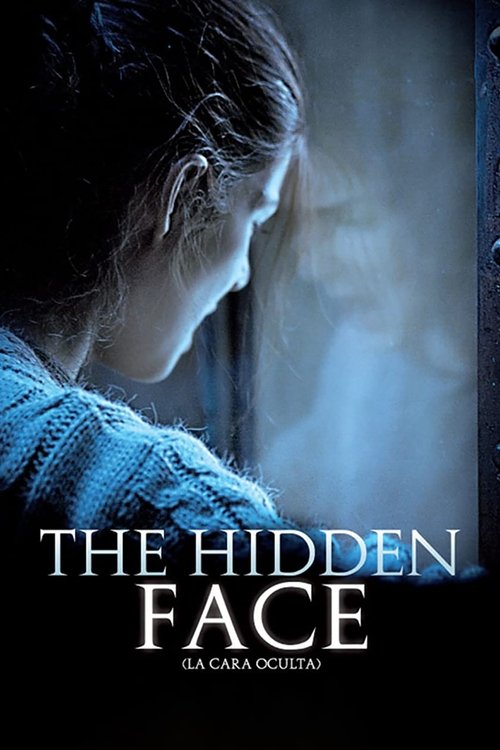
The Hidden Face2011
A Colombian thriller structured as a double-blind: you think you're watching one story, then the film resets and you watch the same events from a different perspective, completely recontextualizing everything you just saw.
But The twist is the entire film. Once you know it, rewatching loses its power. And some viewers find the moral reframing manipulative rather than clever.
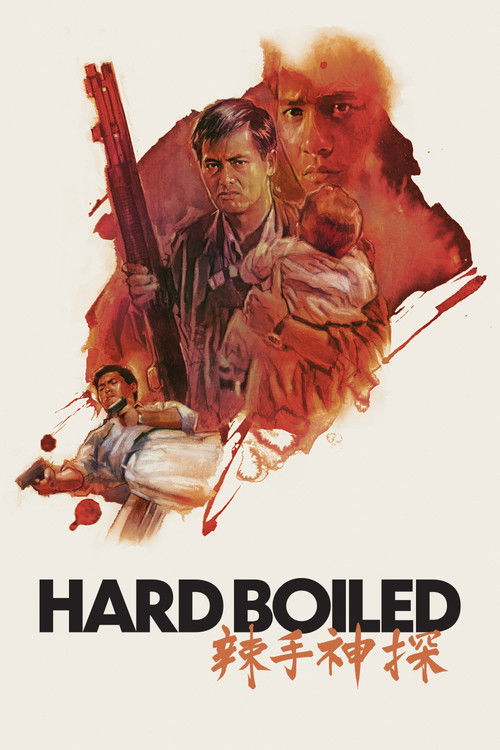
Hard Boiled1992
John Woo's operatic masterpiece: Chow Yun-fat, Tony Leung, endless gunfire, and a heroism so stylized it becomes abstract. Pure cinema, basically—action as poetry.
But The plot is tissue-thin and the emotional beats are secondary to the ballistics. If you're watching for story logic, you'll spend the whole time confused about which side is winning.
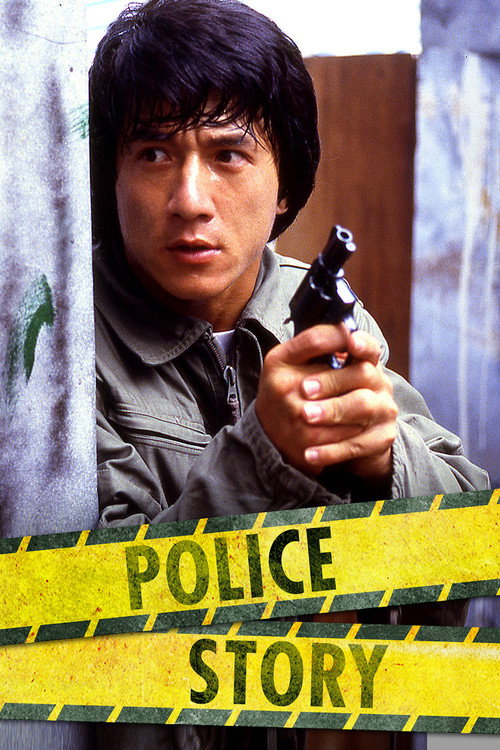
Police Story1985
Jackie Chan in his prime, fighting his way through a sprawling narrative that's less important than the constant inventive physicality. A perfect action film that uses every object in a room as a weapon.
But The story is genuinely convoluted and the acting is broad. You have to actively not care about plot to enjoy it fully, which sounds easy but can be harder than it sounds.
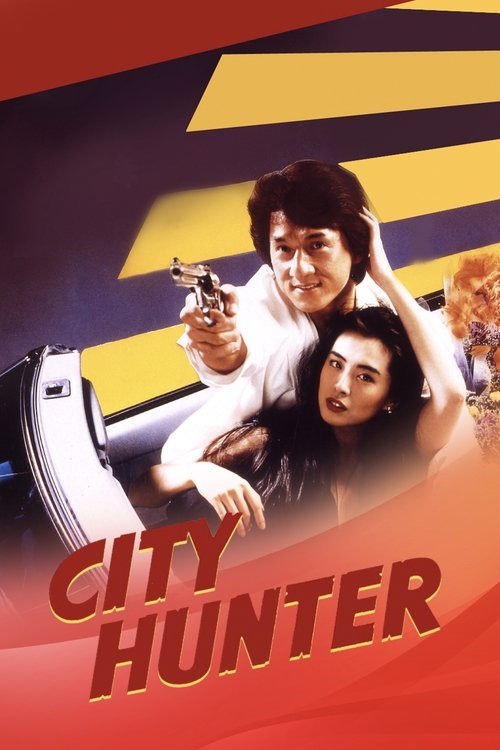
City Hunter1993
Jackie Chan comedy-thriller with genuine character work underneath the mayhem. It's funny in a way many action films pretend to be, and the emotional beats land because Chan commits fully to them.
But The tonal whiplash between comedy and danger confused audiences in 1993 and still confuses them now. It wants to be three films at once, sometimes successfully and sometimes not.
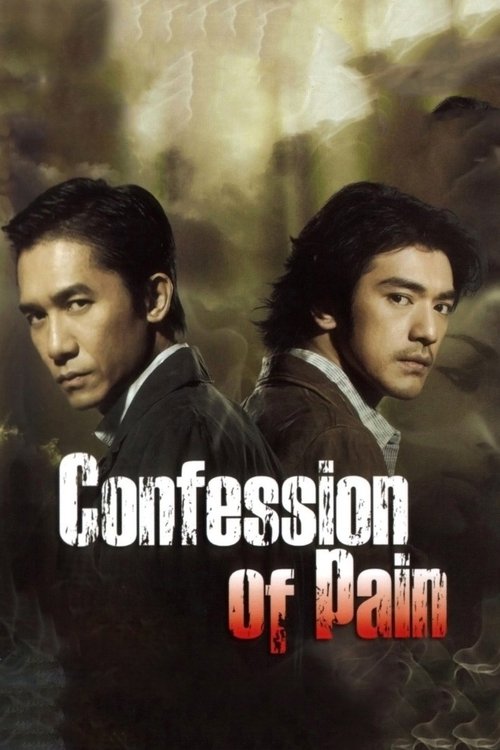
Confession of Pain2006
Johnnie To's companion piece to Mad Detective: two men bound by murder and grief, shot with To's signature geometry and moral fog. Less flashy but more emotionally precise than his more famous work.
But It's spare and slow. Very little actually happens until the third act, and you have to trust the filmmaker to justify the patience required.
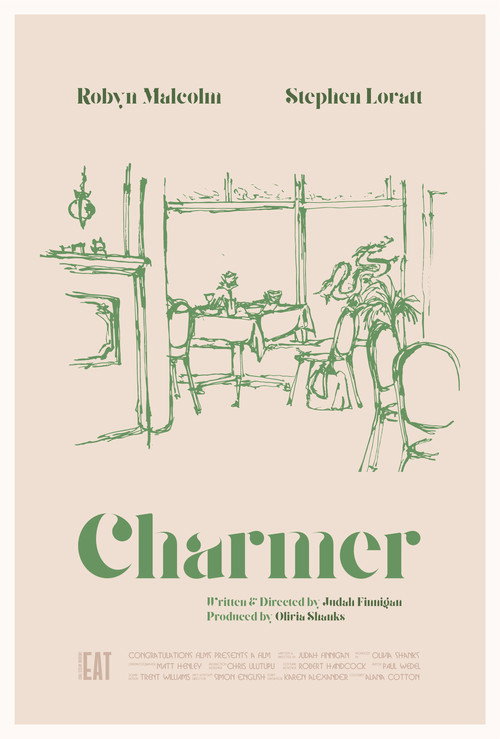
Charmer2018
A Thai film about a con man and a cop that shifts genre mid-stream without warning. Smart, funny, and structurally bold in ways that sneak up on you.
But The tonal shifts will feel jarring to some viewers. It's deliberately uneven, which is either the point or proof that the film lost its way, depending on your taste.
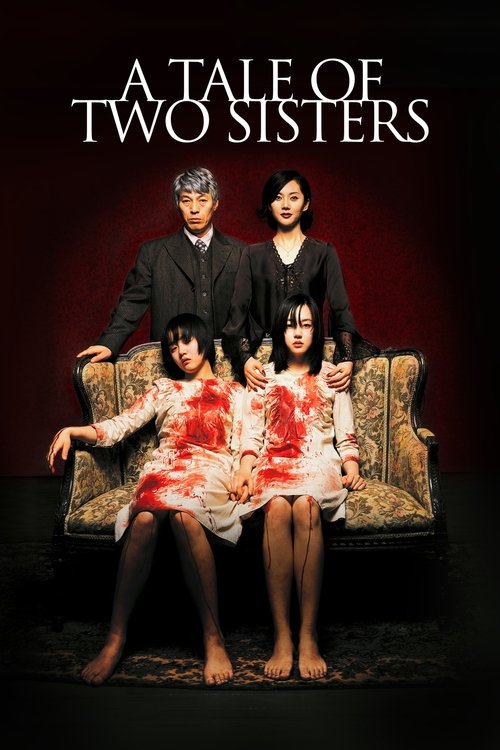
A Tale of Two Sisters2003
Like Mad Detective, it uses an unreliable perspective as the narrative engine. The film asks what we actually see versus what we understand, making the audience complicit in misreading events. Both films hide their true subject in plain sight.
Korean horror that deconstructs itself mid-film—what you think is happening and what's actually happening are two different stories sharing the same footage. Visually gorgeous, deeply disturbing, and structurally genius.
But It's a narrative puzzle that requires active engagement. Some people find the twist recontextualizes everything in a profound way; others feel cheated that the straightforward reading was a lie.
Under the Skin2014
Both films use genre (thriller, sci-fi) as a delivery system for stories about perception and difference. Mad Detective finds superpower in mental illness; Under the Skin finds horror in the alien perspective. Both ask what it means to see the world differently, and make that difference the story.
Jonathan Glazel's film about an alien predator moving through Glasgow is visually hypnotic and deeply strange—less plot than mood, surface and subtext constantly warring. Scarlett Johansson in a role that dismantles celebrity and humanity simultaneously.
But There's almost no conventional narrative. If you're watching for plot, dialogue, or typical character development, you'll be frustrated. It's a film that requires surrender, not analysis.

People
Cast
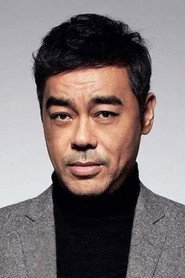 Lau Ching-wanInspector Chan Kwai Bun
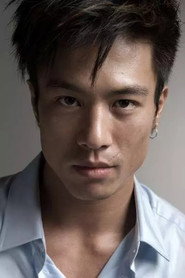 Andy On Chi-kitInspector Ho Ka-on
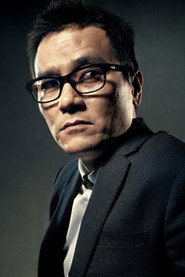 Gordon Lam Ka-tungKo Chi Wai
 Kelly Lin Hsi-LeiMay Cheung

 Joseph Lee Kwok-LunWong Kwok Chu
 Cheung Siu-faiViolent Man - Ko's Inner Personality
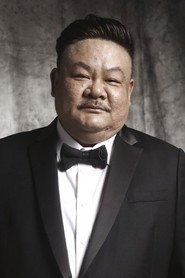 Lam SuetFatso - Ko's Inner Personality
 Jay Lau Kam-LingCalculating Woman - Ko's Inner Personality
- Jeff Cheung Ka-KitKo's Inner Personality
 Lu Ching-tingKo's Inner Personality
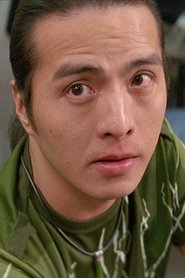 Chiu Chi-shingKo's Inner Personality
Directing
- Johnnie ToDirector
- Wai Ka-faiDirector
Writing
- Au Kin-yeeScreenplay
- Wai Ka-faiScreenplay
Production
- Charles HeungExecutive Producer
- Kuk Kok-LeungLine Producer
- Johnnie ToProducer
- Wai Ka-faiProducer
- Chiu Chi-shingUnit Manager