
Film
The Dead Don't Die
Jim Jarmusch's zombie film is a deadpan comedy that treats the apocalypse like a scheduling inconvenience. It's deliberately paced, casually weird, and more interested in small-town ennui than scares. For fans of Jarmusch's oblique style and actors who can deliver a line like it doesn't matter.
Should you watch it?
Watch it if you love deadpan, sideways comedy where the genre rules are treated as a joke the characters are too bored to finish, and you enjoy Jarmusch's flat, observational rhythm.
Skip it if you want zombies that are scary or fast, since the film is mostly small-town chatter and gags that land unevenly, and its knowing self-awareness can feel smug.
What it asks of you: It asks for patience with a slow, stilted pace and idle small talk before anything happens, and it rewards attention to offhand lines rather than plot momentum.
Not sure? Find tonight's pick in a minute.
If you liked this
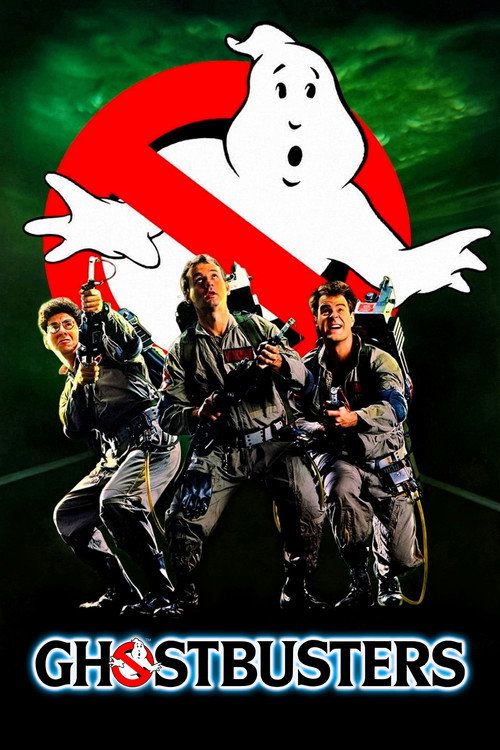
Ghostbusters1984
Supernatural chaos in a city, treated with wry humour and ensemble charm. The dead are a problem to be managed by likeable professionals who'd rather be doing anything else.
But The comedy is gentler and stranger here; if you want big laughs or genuine scares, this won't deliver either in traditional measure.
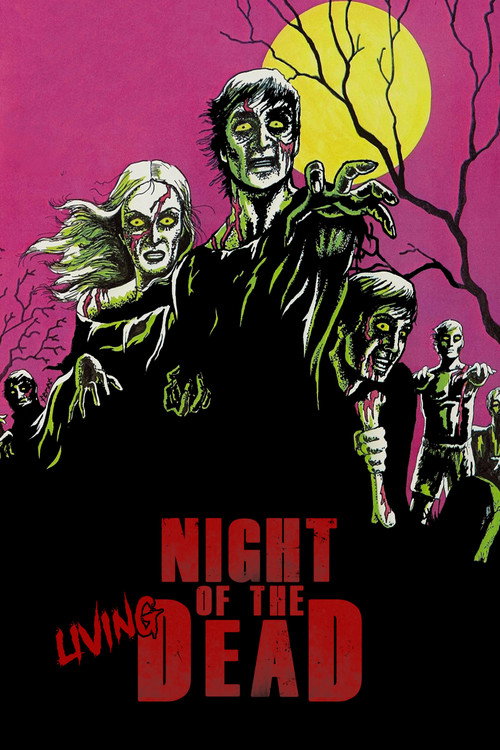
Night of the Living Dead1968
The original zombie film, made on a shoestring in black-and-white. Raw, urgent, and genuinely unsettling—the DNA of everything that came after. A masterclass in constraint and dread.
But No humour, no comfort, no neat resolution. The bleakness is the point, and it refuses to let you look away or feel safe.
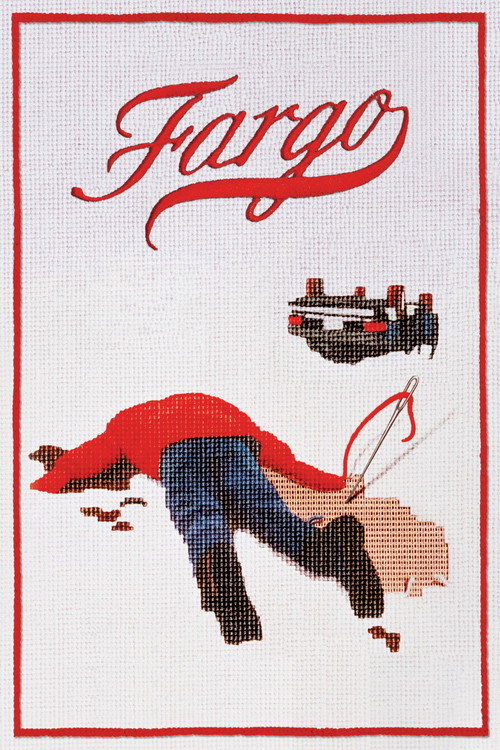
Fargo1996
Small-town America gets strange and violent. Coen brothers precision in a setting that looks ordinary. Characters talking past each other with perfect Midwestern politeness while everything falls apart.
But The crime is brutal and the tone shifts between funny and very dark. If you need consistency in mood, this will whipsaw you.
Not sure tonight? Get a pick in a minute, starting from The Dead Don't Die
The wildcard
Something you would not have found on your own.
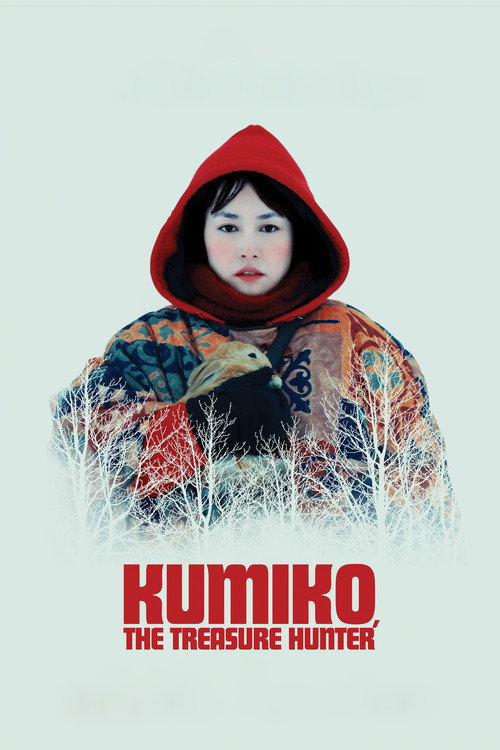
Kumiko, the Treasure Hunter2014
Both treat their weird premises with total sincerity, refusing to wink at the audience. Both are fascinated by misfits in small towns moving through a world that doesn't quite accommodate them.
A woman in Tokyo becomes obsessed with *Fargo*, convinced the buried money is real, and travels to Minnesota to find it. Deadpan, achingly strange, about delusion and longing. Made by the Zellner brothers (who also made *Wrong*). It's a puzzle-box about how we misread art to survive.
But The pacing is glacial and the humour is so dry it barely registers as funny. The ending is melancholy in a way that sticks with you uncomfortably.
More like this (7)
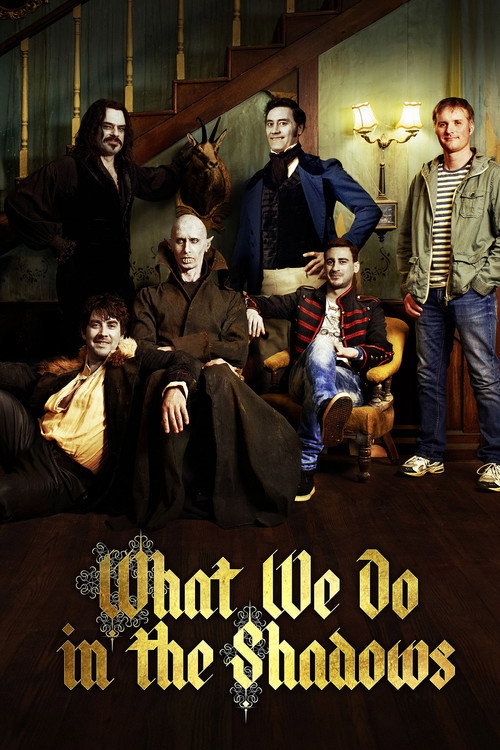
What We Do in the Shadows2014
Vampires in Wellington, New Zealand, bored and petty and oddly endearing. Shot as a mockumentary. Supernatural horror played for character comedy—deadpan in the best sense.
But The humour is dry and observational rather than punchy. If you need constant laughs or any sense of stakes, the flatness might feel like nothing is happening.
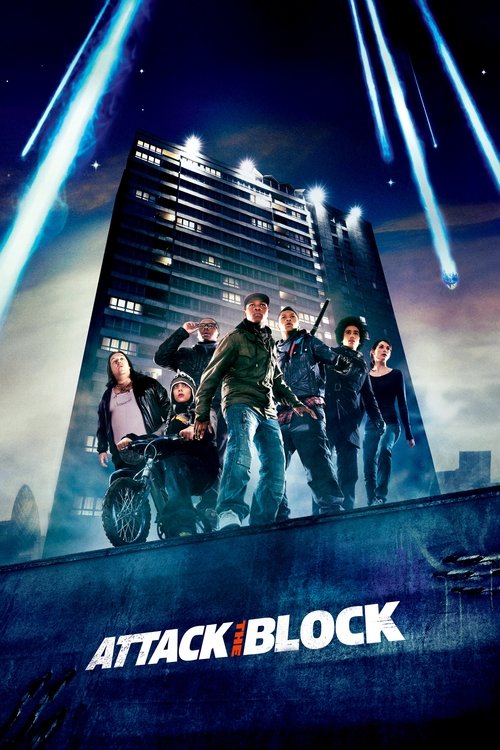
Attack the Block2011
Aliens invade South London. Scrappy, funny, made on nothing. A genuine love letter to its characters even as terrible things happen to them. Genre as social comedy.
But The slang is thick and the budget shows. It's rough and small-scale; if you need polish or stakes, this might read as slight.
Under the Skin2014
Scarlett Johansson as something not quite human, cruising Scotland. Minimal dialogue, gorgeous and horrible, built on mood and unease. Alien as art-house meditation.
But Almost nothing happens in conventional terms. It's slow, abstract, and deliberately obscure about its own rules and meaning.

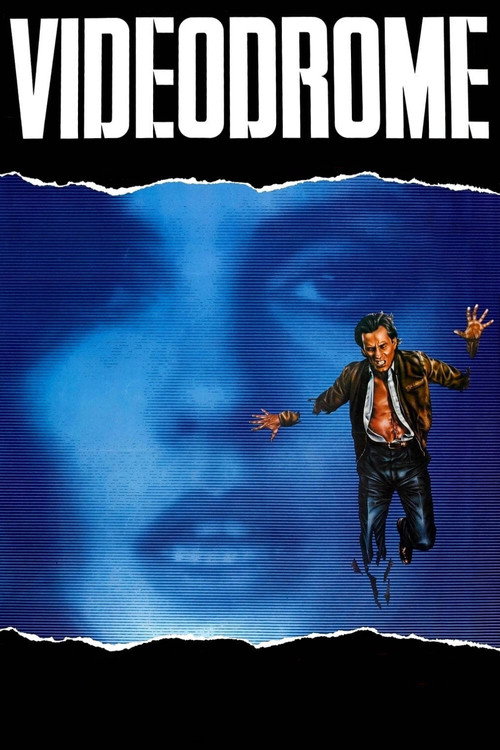
Videodrome1983
Cronenberg's reality-bending nightmare about media consumption and bodily horror. Genuinely strange and nasty, with style that feels like watching someone's fever dream.
But It's grotesque, sometimes incomprehensible, and made in 1983 so the effects look deliberately gummy and weird. Not for people who want clarity or comfort.
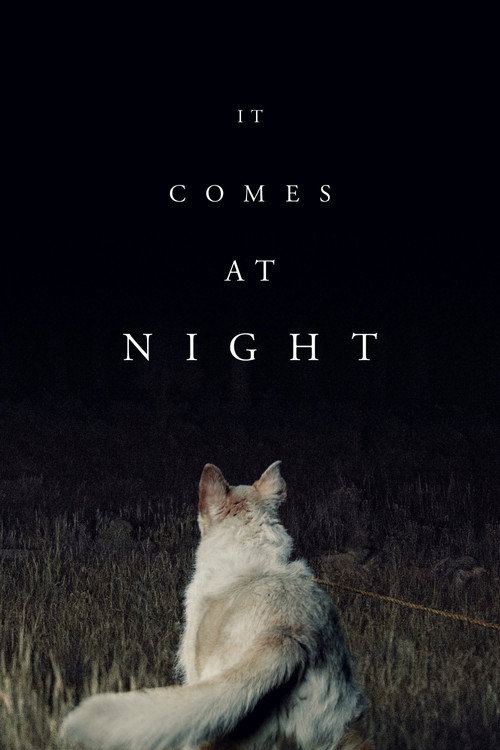
It Comes at Night2017
Paranoia in an isolated cabin during plague. Slow-burn dread with real craft. The threat is mostly psychological—what you imagine is worse than what you see.
But Nothing explodes. The horror is patient and internal. If you came for jump scares or a clear enemy, you'll feel cheated.
Mulholland Drive2001
Both use genre—the crime film, the zombie film—as a container for something stranger and sadder about American life. Both trust their audience to sit with unresolved strangeness.
David Lynch's three-hour fever dream about Hollywood, identity, and how stories we tell ourselves collapse. Sublime, weird, structured like a mood that keeps shifting. A masterpiece of formal ambition that rewards repeated watching.
But It's deliberately cryptic. Lynch will not explain himself. If you need narrative clarity, you will leave frustrated and feeling clever people are laughing at you.

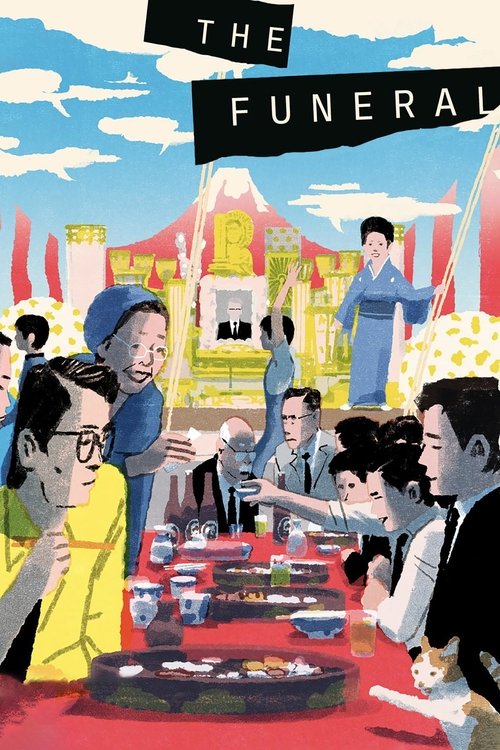
The Funeral1984
Both films are essentially elegies disguised as genre pieces. Both find horror not in the supernatural but in ordinary human strangeness and disconnection. Both take their small towns and quiet failures absolutely seriously.
Abel Ferrara's black-and-white meditation on grief and ritual. A family gathers after a death. Almost nothing 'happens.' Two hours of people in a room, smoking, drinking, remembering. Shot in extreme close-up. A minor key masterpiece about how we fail each other while trying to mourn.
But It's a funeral in real time. Glacially paced. Bleak. If you need plot or uplift, this is the opposite of entertainment.
People
Cast
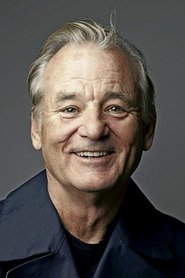 Bill MurrayChief Cliff Robertson
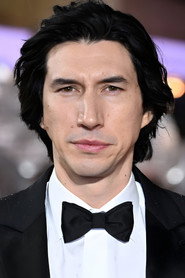 Adam DriverOfficer Ronnie Peterson
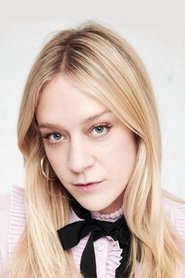 Chloë SevignyOfficer Mindy Morrison
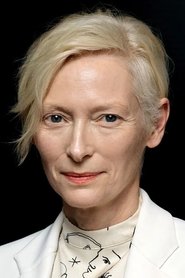 Tilda SwintonZelda Winston
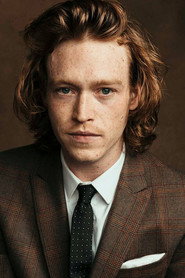 Caleb Landry JonesBobby Wiggins
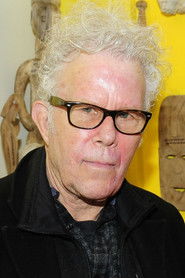 Tom WaitsHermit Bob
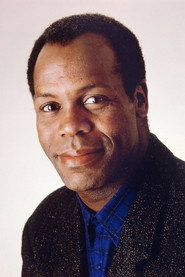 Danny GloverHank Thompson
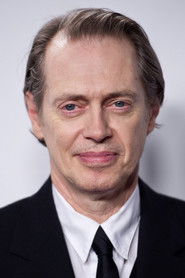 Steve BuscemiFarmer Frank Miller
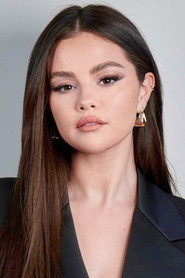 Selena GomezZoe
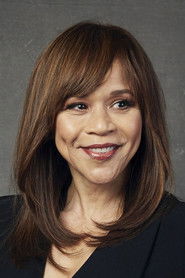 Rosie PerezPosie Juarez
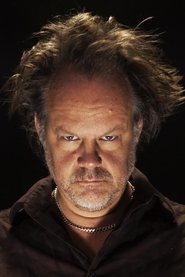 Larry FessendenDanny Perkins
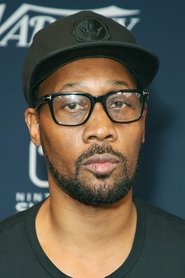 RZADean
Directing
- Jim JarmuschDirector
- Atilla Salih YücerFirst Assistant Director
- Katri BillardScript Supervisor
- Robb FogliaScript Supervisor
- Kamen VelkovskySecond Assistant Director
- Will RimmerSecond Second Assistant Director
- Randall BalsmeyerSecond Unit Director
- Alejandro RamiaSecond Unit First Assistant Director
Writing
- Jim JarmuschWriter
Production
- Bruce WinantADR Voice Casting
- Dann FinkADR Voice Casting
- Justin CamachoAssistant Location Manager
- Marshall JohnsonAssistant Production Manager
- Arielle De Saint PhalleAssociate Producer
- Ellen LewisCasting
- Kate SpranceCasting Associate
- Fredrik ZanderCo-Executive Producer
- Marcelo GandolaCo-Executive Producer
- Peter PossneCo-Executive Producer
- Carrie FixCo-Producer
- Peita CarnevaleCo-Producer
- Frederick W. GreenExecutive Producer
- Norio HatanoExecutive Producer
- Lexa HayesExtras Casting Assistant
- Sunny EdelmanExtras Casting Assistant
- Kaya Ozan SorakKey Set Production Assistant
- Garrett KliewerLocation Assistant
- Jeff BarryLocation Assistant
- Jeffrey A. BrownLocation Manager
- Jamie CoffeyPayroll Accountant
- Peita CarnevalePost Production Accountant
- Carter LoganProducer
- Joshua AstrachanProducer
- Shellie GillespieProduction Accountant
- Andrew DaleProduction Assistant
- Caleb SpawProduction Assistant
- Heath CottengimProduction Assistant
- Jack FessendenProduction Assistant
- Jesse RolfeProduction Assistant
- Kristina McFaddenProduction Assistant
- Nate CrowleyProduction Assistant
- Randi LangdonProduction Assistant
- Skylar LoraquetteProduction Assistant
- Zack SpicehandlerProduction Assistant
- Libby FeltchProduction Coordinator
- Mary HodgeProduction Secretary
- Justus McLartyProduction Supervisor
- Peita CarnevaleSecond Assistant Accountant
- Carrie FixUnit Production Manager
- Michael SleddUnit Production Manager