
Film
Wonderstruck
Todd Haynes' dreamlike dual narrative follows two deaf children across time—one in 1920s New York, one in 1970s Minnesota—both searching for connection and identity. It's visually sumptuous and formally ambitious, told partly in silence. For viewers patient with deliberate pacing and metaphorical storytelling, it's quietly haunting.
Should you watch it?
Watch it if you love films that let silence and old-fashioned wonder do much of the talking, and enjoy watching two lonely kids' parallel searches slowly braid together like a puzzle box.
Skip it if you need momentum, since the pace is deliberate and hushed throughout and the early stretches can feel like waiting for the two storylines to finally connect.
What it asks of you: Roughly two hours of unhurried, mostly quiet stretches, with one thread told largely without dialogue, so it wants steady, unbroken attention.
Not sure? Find tonight's pick in a minute.
If you liked this
The Night Circus
Enchanting, design-forward storytelling with dual timelines and a sense of mystery woven through beautiful, deliberately paced sequences. Like Wonderstruck, it trusts atmosphere over exposition.
But Slow-moving and lyrical in ways that feel indulgent if you're not in the mood. Plot takes a backseat to mood.
Moonlight2016
Three chapters of intimate character study exploring identity and connection across time. Visually poetic, emotionally reserved in the same way—meaning you have to meet it halfway.
But Deliberately quiet and introspective. If you need explicit plot momentum or explanation, you'll feel frustrated.

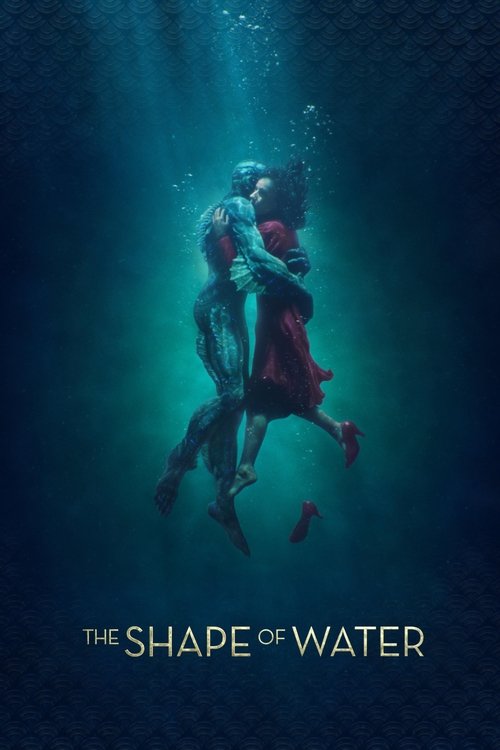
The Shape of Water2017
Haynes' contemporary, similarly lavish and formally inventive. Gorgeous production design, fantastical elements grounded in emotional sincerity, and a fascination with outsiders finding connection.
But The metaphor sometimes overwhelms the human stakes. Not everyone connects with Guillermo del Toro's particular brand of whimsy.
Not sure tonight? Get a pick in a minute, starting from Wonderstruck
The wildcard
Something you would not have found on your own.
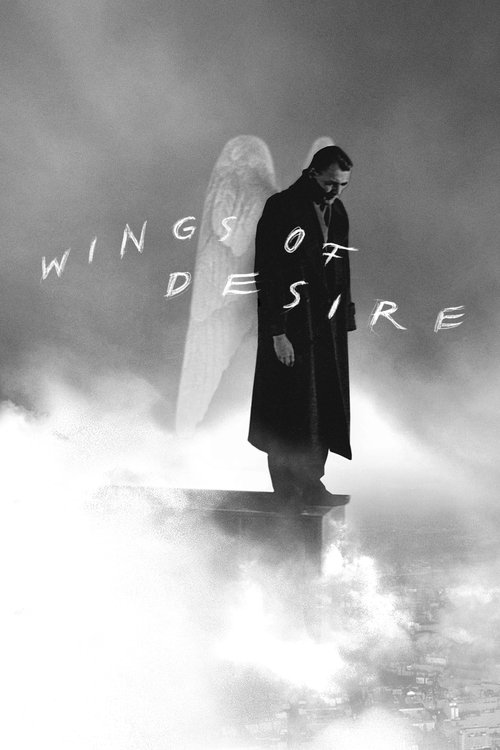
Wings of Desire1987
Both films treat separation (across time, across walls, across the boundary between observer and observed) as the central emotional architecture. Both are visually lush expressions of yearning.
Wim Wenders' rapturous meditation on observation, longing, and connection across invisible boundaries. Two angels watch Berlin divided; it shares Wonderstruck's fascination with witnessing and the gulf between worlds.
But Deliberately philosophical and impressionistic rather than dramatically propulsive. Requires patience with abstraction and metaphor as the primary language.
More like this (8)
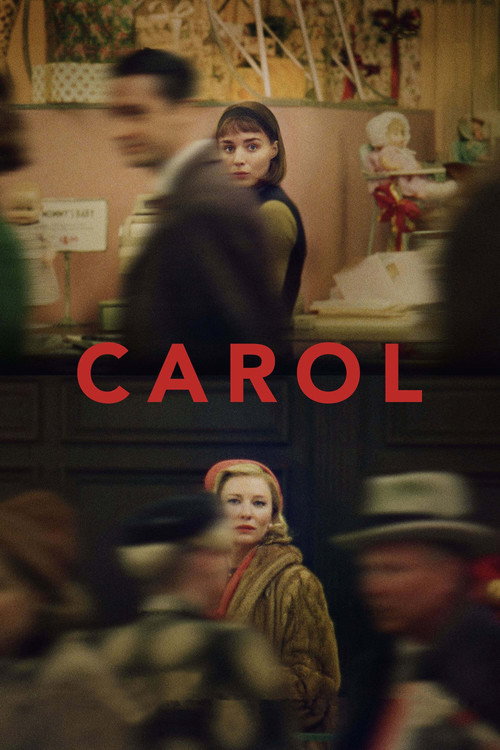
Carol2015
Todd Haynes again—master of restraint and visual storytelling. Period detail, two women drawn together, and the unspoken emotional weight carried by glances and production design.
But Spare and interior. Long stretches contain minimal dialogue, and the plot mechanics are secondary to atmosphere and longing.
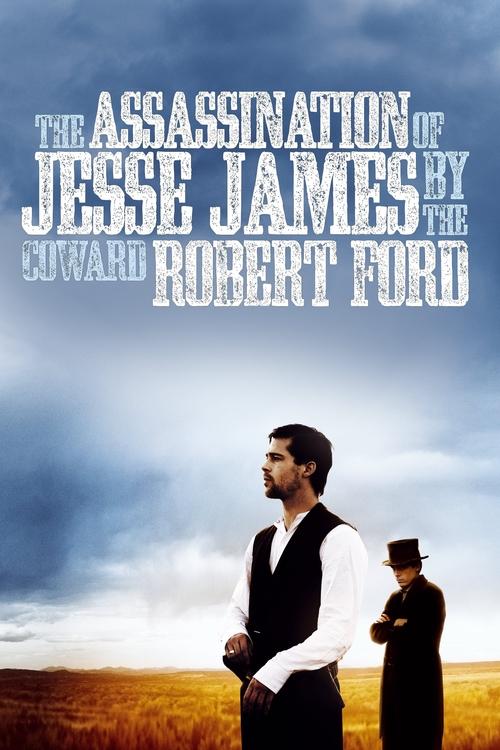
The Assassination of Jesse James by the Coward Robert Ford2007
Hypnotic, visually baroque storytelling with dual narrative strands and obsessive character study. Prioritizes mood and psychology over conventional plotting.
But Deliberately slow and painterly. At over two hours, it demands patience and rewards contemplation more than narrative momentum.
A Ghost Story2017
Meditative exploration of time, loss, and connection using boldly simple formal choices. Like Wonderstruck, it's about longing across temporal distance and finding meaning in absence.
But Experimental and austere. A sheet-covered ghost watching silently is not everyone's idea of compelling cinema. The pacing will test you.

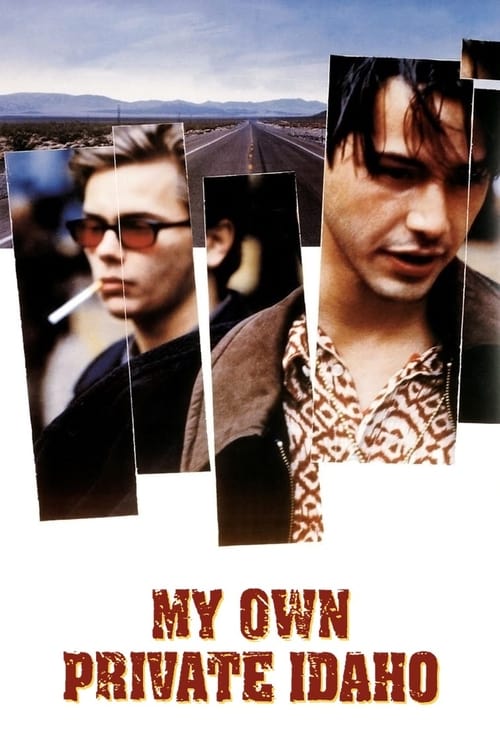
My Own Private Idaho1991
Gus Van Sant's poetic, formally inventive film about young men searching for connection and home. Dreamy, digressive, unconventional in structure and deeply felt.
But Episodic and elliptical. The narrative is deliberately fragmented, and it doesn't always explain itself. River Phoenix's narcoleptic character may feel frustratingly passive.
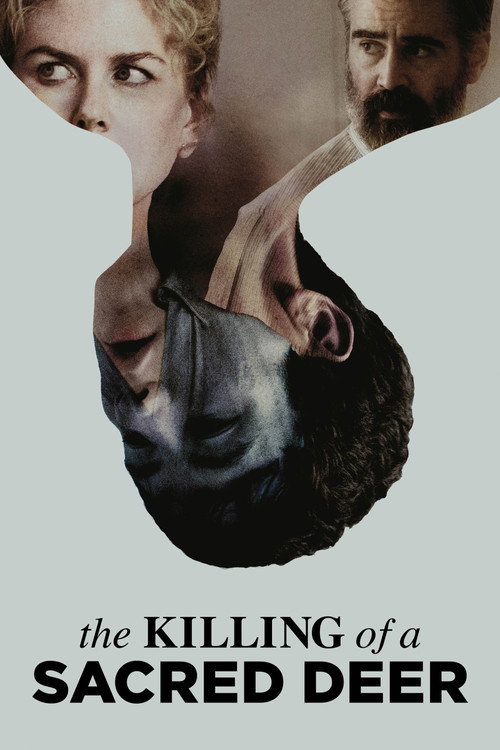
The Killing of a Sacred Deer2017
Yorgos Lanthimos' controlled, unsettling chamber piece about mysterious connection and moral consequence. Visually precise, slow-burn tension, and thematic depth.
But Cold and deliberately artificial in tone. Some find the formal control alienating rather than hypnotic. The violence, when it comes, is shocking.
Under the Skin2014
Jonathan Glazel's minimalist science-fiction tone poem about an alien observing humanity. Visual storytelling over dialogue, mysterious and melancholic.
But Genuinely austere and cryptic. Minimal plot, ambiguous meaning, and long stretches of silence. It's more about sensation than narrative satisfaction.

Come and See1985
Both use children as focal points of narrative and revelation. Both are formally ambitious in how they convey interiority. But where Wonderstruck is dreamlike, this is visceral—the inverse approach to the same question about what a child can see.
Elem Klimov's devastating war film told from a child's perspective discovering an incomprehensible world. A formal masterpiece about innocence encountering truth—devastating and unforgettable.
But Extremely graphic and brutal. Not visually lush in the way you might expect—it's a nightmare rather than a dream. One of cinema's most harrowing experiences.

The Leopard1963
Both are fascinated by historical distance and how we bridge it through image and memory. Both suggest that beauty and sorrow are inseparable, and that seeing across time is the truest form of connection.
Visconti's monumental period epic about time, change, and connection across a collapsing world. Visually sumptuous in the extreme, formally baroque, deeply engaged with loss and beauty.
But Three hours. Italian cinema from the 1960s, operatic in scale and pacing. Some cuts are problematic—seek the restored version. Not everyone has patience for Visconti's measured rhythms.

People
Cast
 Oakes FegleyBen
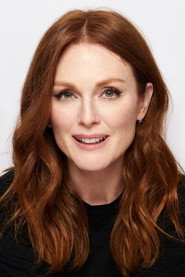 Julianne MooreLillian Mayhew / Rose
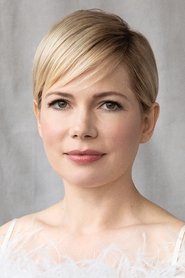 Michelle WilliamsElaine
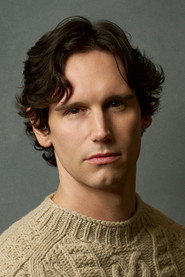 Cory Michael SmithWalter
 James UrbaniakDr. Kincaid, Rose's Father
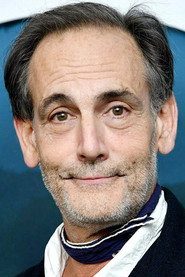 Damian YoungOtto, Museum Guard
 Patrick MurneyWorkman
 Lauren RidloffPearl, The Maid
- Anthony NataleDr. Gill, Teacher of the Deaf
- Carole AddabboMiss Conrad at the Museum
- Howard SeagoRemy Rubin, Theater Director
Directing
- Todd HaynesDirector
- Timothy BirdFirst Assistant Director
- Mary BaileyScript Supervisor
- Mark FriedbergSecond Unit Director
Writing
- Brian SelznickNovel
- Brian SelznickScreenplay
Production
- Rich MoodyAssistant Production Coordinator
- Laura RosenthalCasting
- Kim OstroyCasting Assistant
- Jodi AngstreichCasting Associate
- Maribeth FoxCasting Associate
- Frank MurrayCo-Producer
- Brian BellExecutive Producer
- Matthew KaniaLocation Manager
- Christine VachonProducer
- John SlossProducer
- Pamela KofflerProducer
- Kathi ScharerProduction Accountant
- Gary MartynProduction Coordinator
- Brian BellUnit Production Manager