
Film
I Am Slave
A harrowing true story of a Sudanese girl trafficked into slavery across continents. Wunmi Mosaku anchors this unflinching drama with quiet fury, tracking her character's survival through systematic dehumanization. It's brutal but unsentimental—more interested in the claustrophobic reality of modern bondage than in offering easy catharsis. For viewers who can sit with difficult truths.
Should you watch it?
Watch it if you want a grounded, unflinching true-story drama that stays close to one young woman's point of view and treats the injustice as a human, not a headline.
Skip it if you need a fast, plotted thriller, since this is a slow, heavy watch that dwells on cruelty and rarely lets the tension lift into momentum.
What it asks of you: Expect a short run of around eighty minutes, with long stretches of quiet dread and little relief, so give it your full attention rather than half of it.
Not sure? Find tonight's pick in a minute.
If you liked this
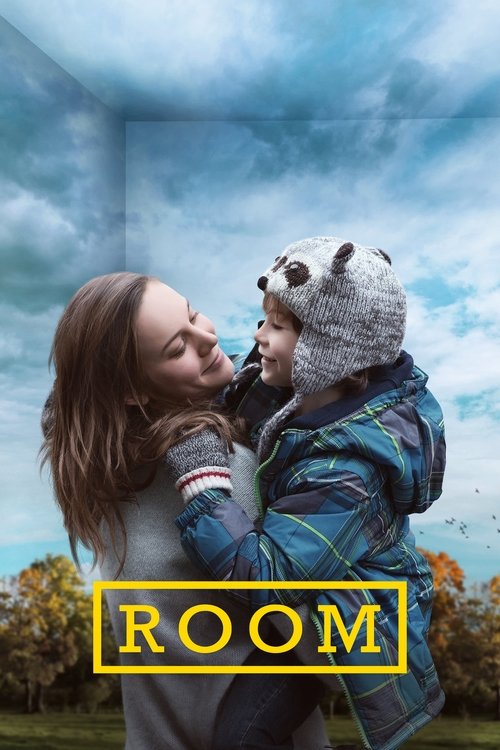
Room2015
Brie Larson and Jacob Tremblay's devastating performance capture psychological captivity and the slow, agonizing work of reclaiming agency. A masterclass in how to show confinement without sensationalizing it.
But The first act is almost unwatchable in its intensity. Some find the second half's freedom narrative less compelling than the locked-room section.
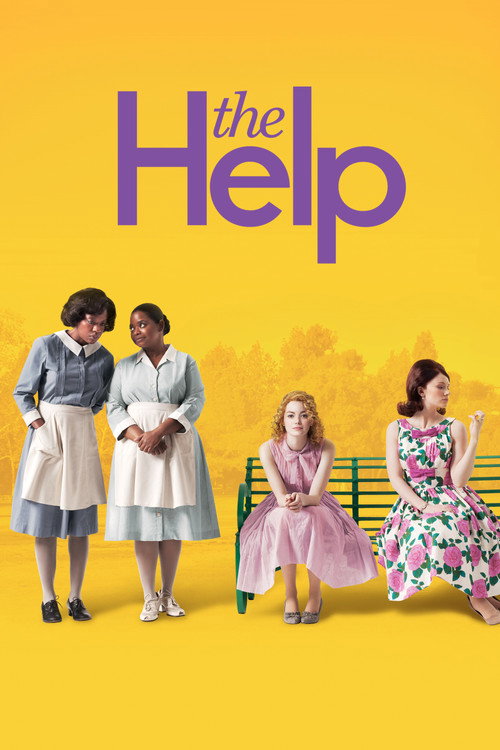
The Help2011
A similarly ensemble narrative about hidden servitude and the women who break their silence, grounded in real historical injustice. Octavia Spencer and Viola Davis deliver performances that haunt you.
But More historical drama than thriller—it moves at a deliberate pace and leans toward uplift. Some find it soft-focused on American racism compared to its source material.
Under the Skin2014
Scarlett Johansson hunts vulnerable people in an alien landscape. Like *I Am Slave*, it strips away dialogue and sentiment to focus on predation and the absolute terror of being powerless before something vast.
But Experimental and austere. Long stretches of dread without plot explanation. Not for viewers who need narrative reassurance.

Not sure tonight? Get a pick in a minute, starting from I Am Slave
The wildcard
Something you would not have found on your own.
Twice Born2012
Both chart how forced displacement and familial coercion create psychological enslavement. Neither film treats trauma as overcome; instead, survival means learning to live inside a permanent wound.
Penélope Cruz and Émile Hirsch navigate trauma and family across war and diaspora in post-Yugoslav Europe. Structurally and thematically echoes *I Am Slave*—bondage operates through geography, belonging, and severed identity. Radically different in execution: intimate rather than spare, layered rather than linear.
But Melodramatic European art cinema. The editing can feel fractured. Some will find it emotionally manipulative compared to *I Am Slave*'s restraint.

More like this (7)
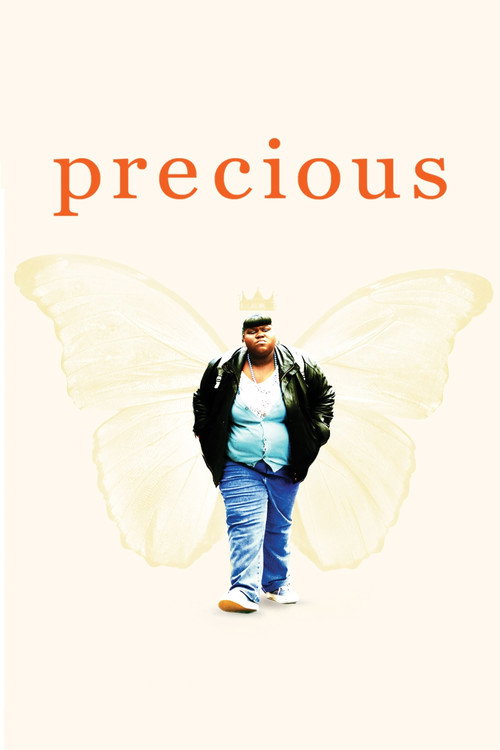
Precious: Based on the Novel 'Push' by Sapphire2009
Mo'Nique's performance as a mother wielding abuse as a weapon is unforgettable. Like *I Am Slave*, it refuses to look away from systemic cruelty and the intelligence required simply to survive.
But Relentlessly grim. The abuse is graphic and the pacing can feel glacial. You will not leave this film feeling uplifted.
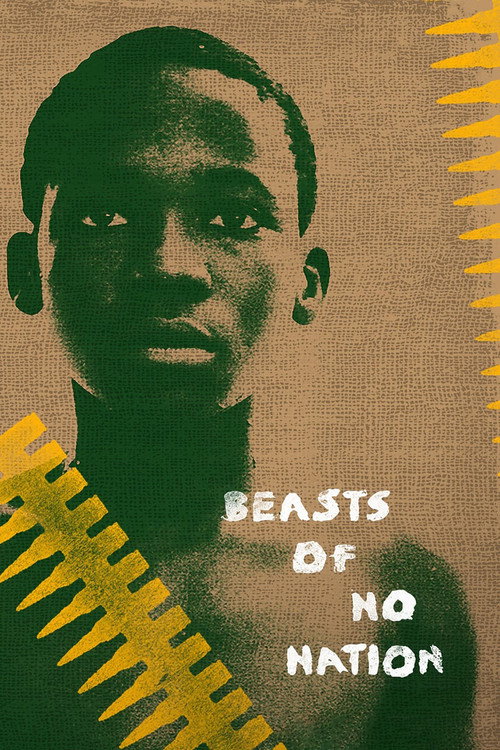
Beasts of No Nation2015
Abraham Attah's performance as a child soldier captures the same process of systematized dehumanization. Cary Joji Fukunaga's direction finds poetry in horror without ever softening what's being shown.
But Graphic depictions of child abuse. Long stretches without traditional plot movement. The experimental visual style won't work for everyone.
Spotlight2015
Methodical, ensemble-driven investigation of institutional abuse. The power comes from the careful assembly of evidence, not melodrama. Similar refusal to sentimentalize suffering for narrative effect.
But Slow burn newsroom procedural. If you're looking for visceral drama or clear villains, you'll find neither. It's cerebral to the point of coldness.

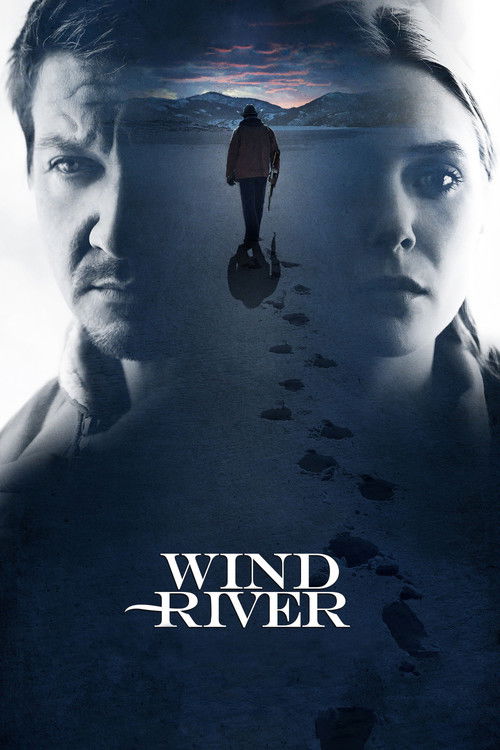
Wind River2017
Gil Birmingham and Jeremy Renner investigate missing Indigenous women. Treats systemic violence with the gravity it deserves, never rushing toward false resolution or comfortable catharsis.
But Deliberately paced to the point of austerity. The investigation matters more than character development. Some find the ending ambiguous in frustrating ways.
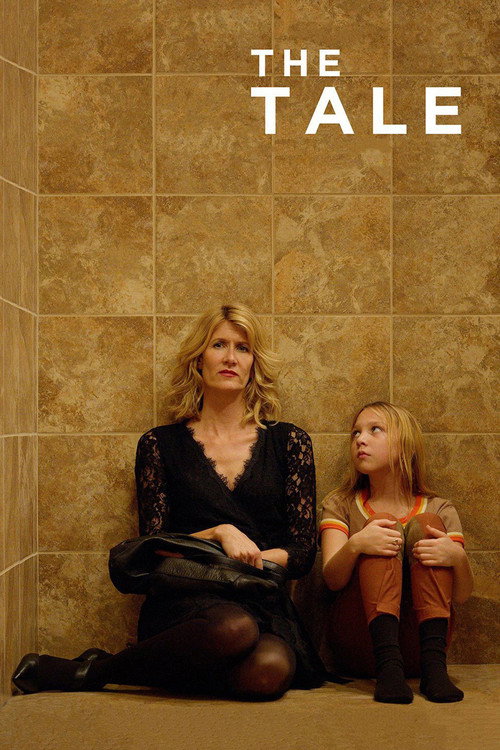
The Tale2018
Laura Dern investigates her own childhood abuse through documentary and reconstruction. Formally inventive and deeply intelligent about how trauma fragments memory and narrative.
But Experimental structure can feel self-conscious. The abstraction distances some viewers from the material when directness might be more powerful. Not conventionally gripping.
Kes1970
Both center on a young person stripped of power within systems designed to control them. *Kes* is the inverse register—gentler, older, closer to poetry—but the psychological captivity is identical.
Ken Loach's portrait of a working-class British boy finding dignity through a kestrel hawk. Decades old, in grayscale, yet it captures the same core subject: a young person denied agency and choice, searching for one space that belongs to them.
But Slow 1970s British cinema. Bleak social realism with no plot momentum or redemptive arc. The ending is devastating in a way modern audiences often resist.

Come and See1985
Both are formally unflinching examinations of how systems grind children into compliance and survival. The difference is geopolitical—war zone versus domestic servitude—but the mechanism of dehumanization is identical.
Elem Klimov's Soviet masterpiece follows a boy caught in WWII's brutality. Like *I Am Slave*, it doesn't narrate trauma—it forces you to witness the slow erasure of childhood and the permanent deformation of a human being exposed to systematic violence.
But Genuinely difficult viewing. Graphic, relentless, and nihilistic in ways that can feel punishing. At 142 minutes, it demands endurance many viewers won't grant.

People
Cast
 Wunmi MosakuMalia
 Lubna AzabalHaleema
 Nyokabi GethaigaHana
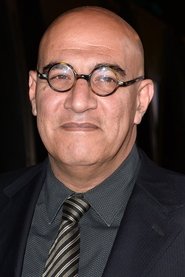 Igal NaorSaid
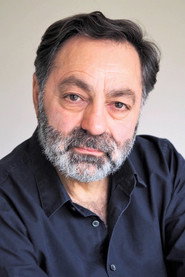 Nasser MemarziaIbrahim
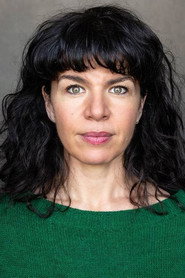 Sirine SabaNanny
 Farzana Dua ElaheArab Shop Assistant
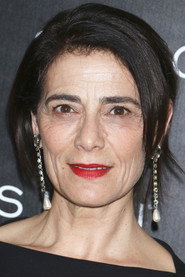 Hiam AbbassLaila
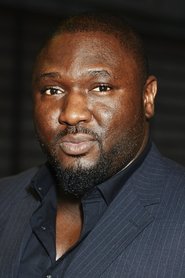 Nonso AnozieMusa
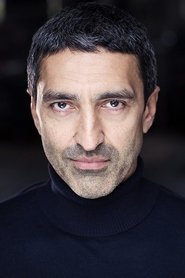 Selva RasalingamAmir
 Sarah HassanSudanese NGO
Directing
- Gabriel RangeDirector
Writing
- Jeremy BrockScreenplay
Production
- Shaheen BaigCasting
- Deepak SikkaExecutive Producer
- Gabriel RangeExecutive Producer
- Gail EganExecutive Producer
- Jamie CarmichaelExecutive Producer
- Jim ShamoonExecutive Producer
- Katherine ButlerExecutive Producer
- Liza MarshallExecutive Producer
- Mark FolignoExecutive Producer
- Pauline BurtExecutive Producer
- Andrea CalderwoodProducer