
Film
A White, White Day
- Drama
- Very dark
A grieving Icelandic police chief spirals into obsession after his wife's death, convinced a local man knows more than he's saying. Director Hlynur Pálmason builds suffocating psychological tension across stark, snow-bound landscapes, watching a good man corrode from within. It's a portrait of how grief can poison everything it touches—deliberate, cold, and emotionally devastating.
Should you watch it?
Watch it if you love slow, weathered films where grief is worn into the landscape and silence, and where a stubborn man's logic slowly curdles into something you can't look away from.
Skip it if you need brisk momentum or a clear genre hook, since the pace is deliberate and long stretches rest on bleak, unhurried landscape and quiet dread.
What it asks of you: Around nearly two hours, with patient scenes that linger in cold light and hold their silences; attention pays off only if you let it settle.
Not sure? Find tonight's pick in a minute.
If you liked this
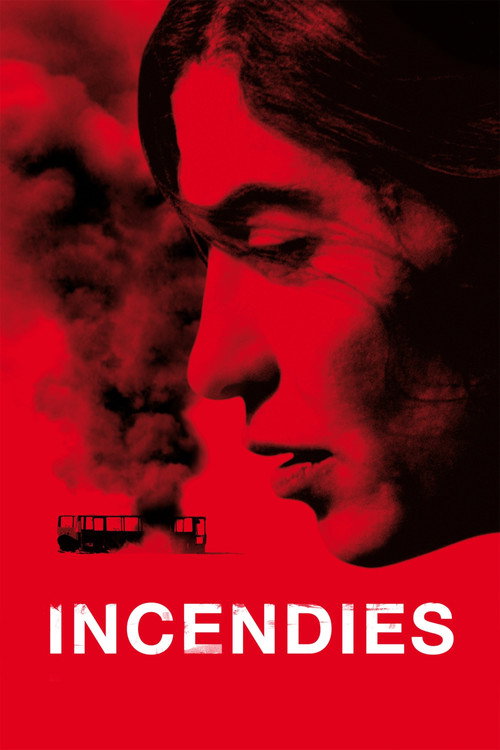
Incendies2010
Denis Villeneuve's masterpiece about a mother's final requests that unravel her children's understanding of family history. Like A White, White Day, it's about how the past festers in silence and secrets compound tragedy across generations.
But The narrative structure unfolds in reverse, which demands active attention, and the final revelation is brutally heavy.
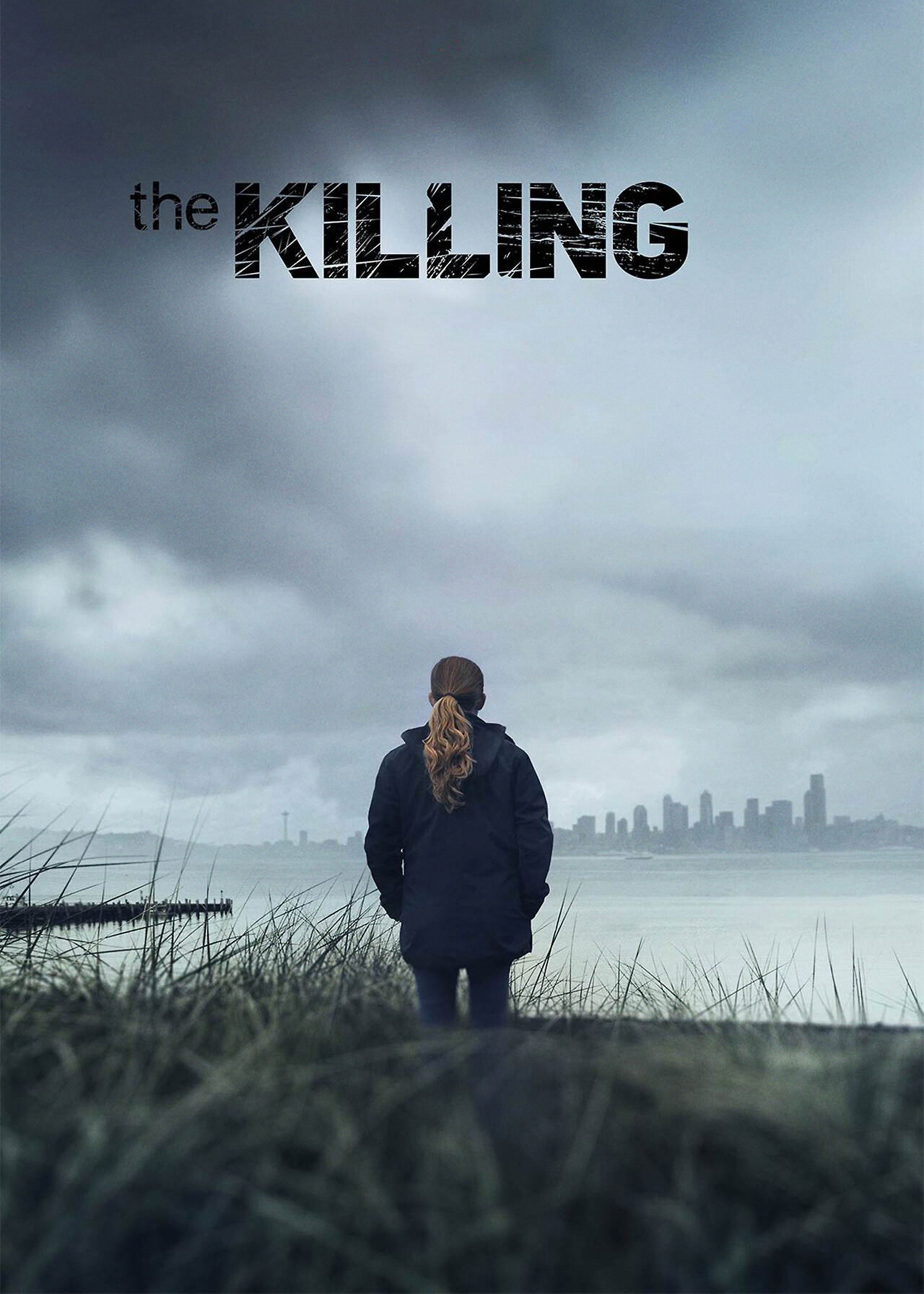
The Killing2011
Sarah Lund's obsessive investigation into a teenage girl's murder mirrors our protagonist's descent into fixation. Both explore how professional detachment crumbles when emotion takes the wheel, with Iceland's cousin Denmark delivering that same grey, unforgiving atmosphere.
But It's 20 episodes and the pacing can feel glacial if you're not invested in procedural detail.
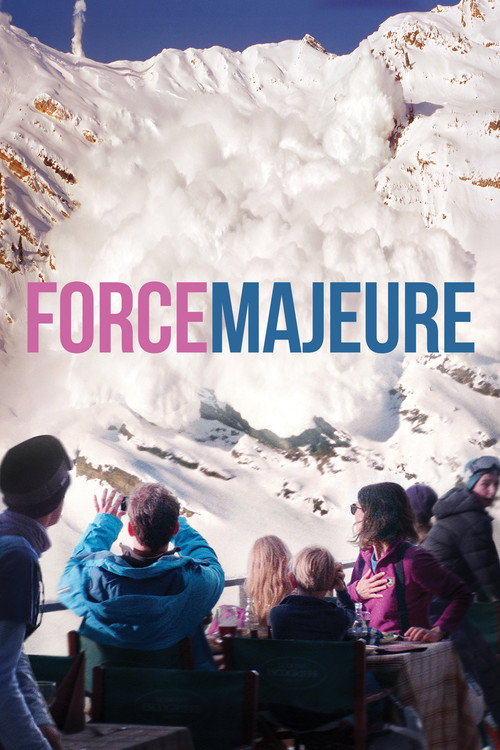
Force Majeure2014
Ruben Östlund's film about a family avalanche and its aftermath studies how catastrophe reveals what people actually are beneath their roles. Both films find psychological horror in ordinary spaces and the ruptures that tear families apart.
But It's uncomfortable in ways that feel deliberate and unresolved—designed to make you squirm, not comfort you.
Not sure tonight? Get a pick in a minute, starting from A White, White Day
The wildcard
Something you would not have found on your own.
Winter Light1963
Both are studies of a man's interior collapse in an indifferent landscape, shot in cold, severe tones, where silence is as much a character as the protagonist.
Bergman's film about a pastor's crisis of faith is the DNA of A White, White Day: a man alone in a cold landscape, faith corroding, unable to connect or help those who need him. Both are about spiritual emptiness wearing a human face.
But It's a 1963 Bergman film in black and white about religious despair—not exactly a crowd-pleaser, and the pace is glacial even by art film standards.

More like this (6)
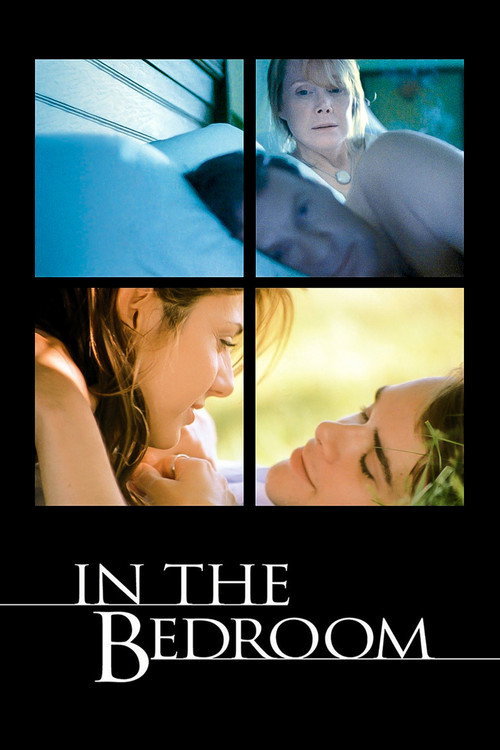
In the Bedroom2001
Todd Field's film about a couple destroyed by their son's murder explores the same territory: grief as a slow poison that metastasizes into something unrecognizable. Both are studies in how love and rage become indistinguishable.
But The pacing is patient to the point of punishing, and the violence, when it comes, is jarring rather than cathartic.
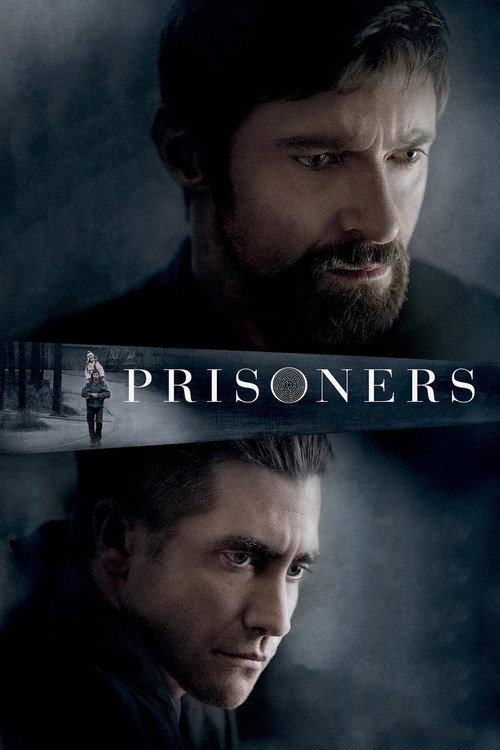
Prisoners2013
Denis Villeneuve again—a father's abduction investigation becomes a moral descent. Like A White, White Day, it's about the corruption of a good man by circumstance and obsession, and whether justice and vengeance are ever the same thing.
But It's three hours of emotional wringing with no catharsis, and the ending refuses to resolve neatly.
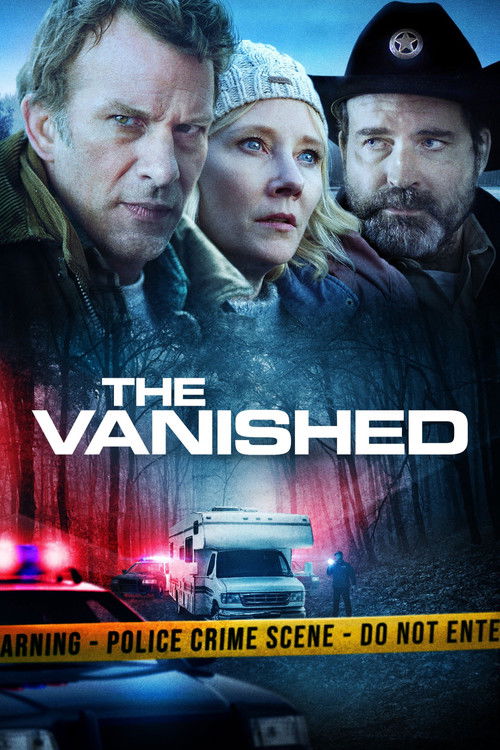
The Vanished2020
Peter Facinelli's obsessive hunt for his missing daughter in a small town mirrors our Icelandic police chief's spiral. Both trap you in a headspace where paranoia and intuition become indistinguishable, and everyone nearby becomes a suspect.
But The film is trickier with its narrative than it earns, and some viewers feel cheated by the final revelation.
Under the Skin2014
Jonathan Glazel's film is glacial, hypnotic, and set in a cold landscape with an alienated protagonist. Both films use space and silence to create dread, and both require you to do emotional work rather than having it handed to you.
But It's abstract and deliberately withholding. Some find it profound; others find it impenetrable.

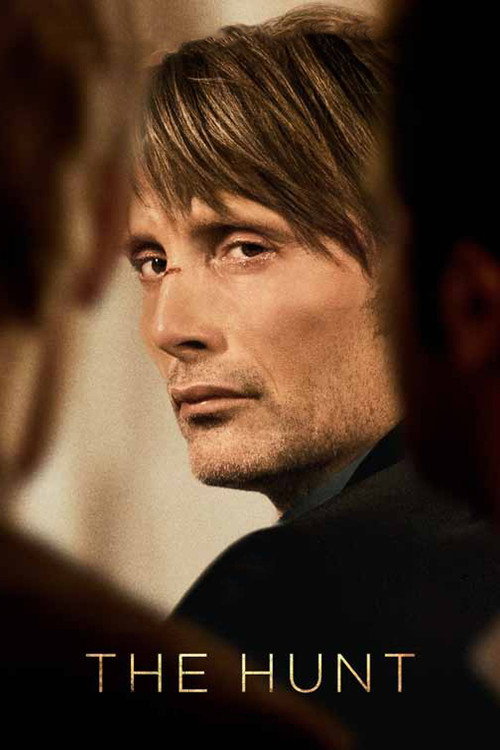
The Hunt2012
Thomas Vinterberg's Danish drama about a man falsely accused of child abuse and his descent into rage parallels our protagonist's obsession. Both explore how suspicion and accusation can destroy a life and community, guilt or innocent.
But It's bleak and offers no redemption. The violence toward the protagonist can feel gratuitous if you're not aligned with the film's moral questions.
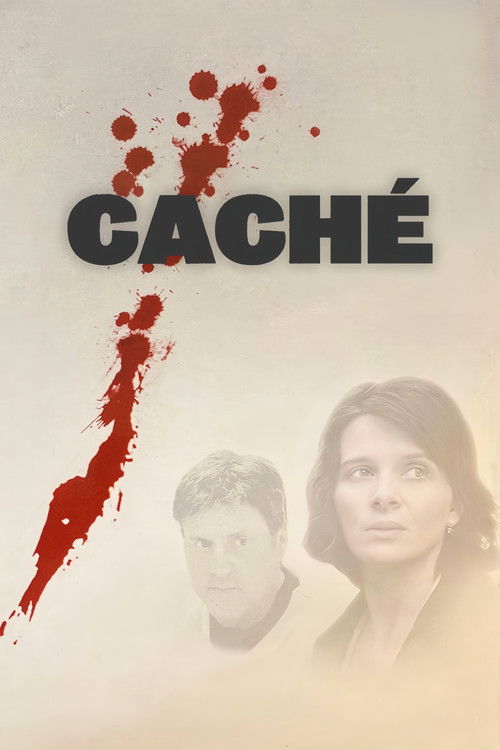
Caché2005
Both use formal precision (static camera, long takes, restrained performances) to study paranoia and the impossibility of knowing the truth about another person's inner life.
Michael Haneke's film about a family receiving mysterious videotapes that hint at past secrets plays with obsession and surveillance as psychological torture. Like A White, White Day, it's about how the past refuses to stay buried and how suspicion poisons everything.
But Haneke is deliberately withholding—the mystery is never resolved to satisfaction, and the political subtext about colonial guilt may overshadow the domestic thriller you're expecting.
People
Cast
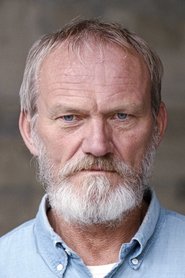 Ingvar E. SigurðssonIngimundur

 Hilmir Snær GuðnasonOlgeir
 Björn Ingi HilmarssonTrausti

 Sara Dögg ÁsgeirsdóttirIngimundur's wife
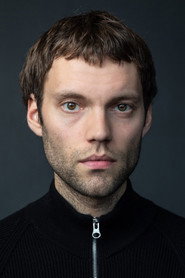 Haraldur Ari StefánssonStefán
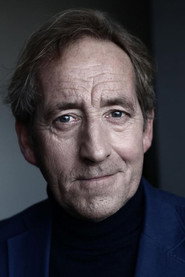 Sigurður SigurjónssonBjössi

 Laufey ElíasdóttirIngibjörg
 Thor TuliniusGeorg (as Þór Hrafnsson Tulinius)
 Sverrir Þór SverrissonSveppi
Directing
- Kristinn GuðmundssonAssistant Director
- Siggi KjartanAssistant Director
- Hlynur PálmasonDirector
Writing
- Hlynur PálmasonScreenplay
Production
- Guðmundur Arnar GuðmundssonExecutive Producer
- Hlynur PálmasonExecutive Producer
- Ingvar E. SigurðssonExecutive Producer
- Anton Máni SvanssonProducer
- Kristín TraustadóttirProduction Accountant
- Sara YousefiProduction Accountant
- Suvi KorpelaProduction Coordinator
- Emil MorávekProduction Manager