
Film
Chained for Life
A 2019 drama about a gorgeous actress and her disfigured co-star making a film together under a demanding European director. It's a sharp, uncomfortable meditation on beauty, disability, and how we see each other—part character study, part critique of cinema itself. For anyone interested in films that interrogate their own medium.
Should you watch it?
Watch it if you enjoy films that turn a story about performance into a sharp, uneasy study of vanity, looking, and who gets to be looked at.
Skip it if you want warmth or a tidy arc, since this stays cool and deliberately uncomfortable, and its handling of beauty and disfigurement can feel more chilly than cathartic.
What it asks of you: Ninety-one minutes, unhurried and mostly quiet, with scenes that linger on faces and awkward silences, so patience matters more than plot momentum.
Not sure? Find tonight's pick in a minute.
If you liked this
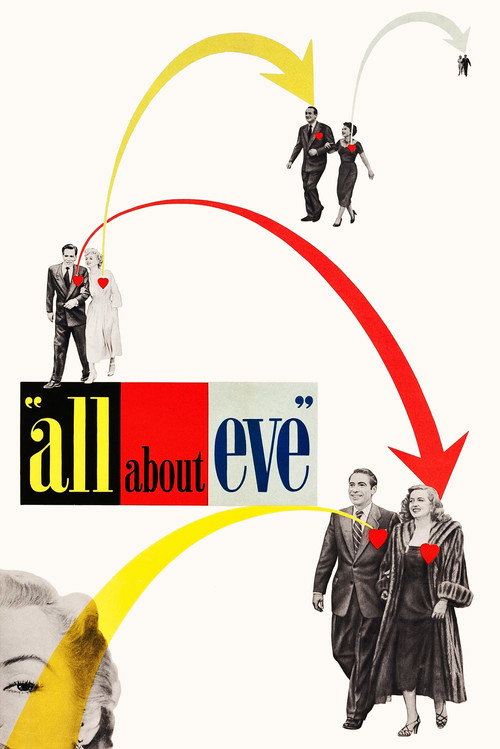
All About Eve1950
A surgical dissection of ego, ambition and performance in showbusiness. Bette Davis and Anne Baxter circle each other with the intensity of dancers; every line crackles. It shares Chained for Life's fascination with how we perform identity.
But It's seventy years old, in black and white, and moves at a pace that demands attention rather than rewarding it passively.
Under the Skin2014
Jonathan Glazel's hypnotic sci-fi uses Scarlett Johansson's beauty as a weapon and a trap. Like Chained for Life, it's deeply interested in how we respond to surfaces and what that says about us. Haunting and formally daring.
But It's deliberately obscure, visually abstract, and offers no conventional narrative satisfaction. Some will find it pretentious; others, glacial.

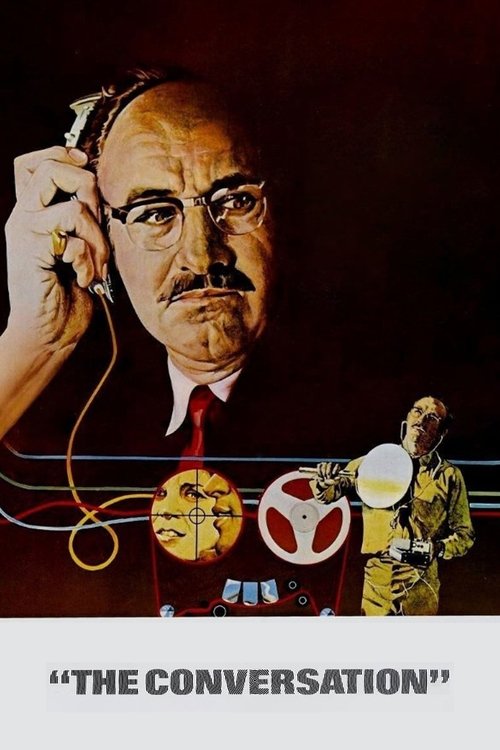
The Conversation1974
Coppola's masterpiece about surveillance, complicity and moral blindness. Gene Hackman is mesmerizing as a paranoid wiretapper. Both films examine what we choose to see and the cost of that choice.
But Slow-burn 1970s paranoia cinema. If you need plot momentum, this will feel like being trapped in someone else's anxiety.
Not sure tonight? Get a pick in a minute, starting from Chained for Life
The wildcard
Something you would not have found on your own.
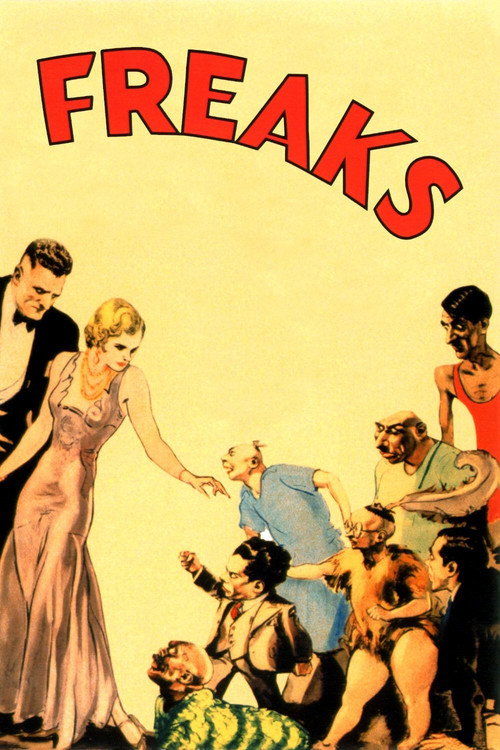
Freaks1932
Both films use casting and the camera itself to interrogate audience discomfort with disability and beauty—what we're taught to look at, and what that looking means.
Tod Browning's 1932 proto-horror cast actual performers with disabilities, treating them as complex human beings rather than objects of pity or spectacle. A radical act for its time, and formally fearless. It shares Chained for Life's interest in how cinema frames the body.
But It's nearly a century old, structurally crude by modern standards, and some of its moral positions feel incomplete. The ending is brutal.
More like this (8)
In a Lonely Place1950
Humphrey Bogart as a volatile screenwriter—a portrait of damaged charisma and self-deception. Ray's film understands how performance and personality blur, how charm can mask cruelty. Essential.
But It's bleak, cynical about human nature, and offers no redemption. The romance at its heart feels like a mistake even as it unfolds.

The Act of Killing2012
Joshua Oppenheimer's extraordinary documentary lets Indonesian death-squad leaders reenact their own atrocities. Like Chained for Life, it's fascinated by how we perform ourselves, and how cinema can expose the performance.
But It documents real violence and asks you to sit with perpetrators re-creating their own murders. It's morally vertiginous and genuinely disturbing.

La Haine1995
Mathieu Kassovitz's black-and-white fury about three young men in Paris. Raw energy, formal brilliance, and a clear-eyed view of how society marks bodies as dangerous. Visually and thematically sophisticated.
But French with subtitles, urban alienation isn't for everyone, and it ends on a moment of dread rather than resolution.

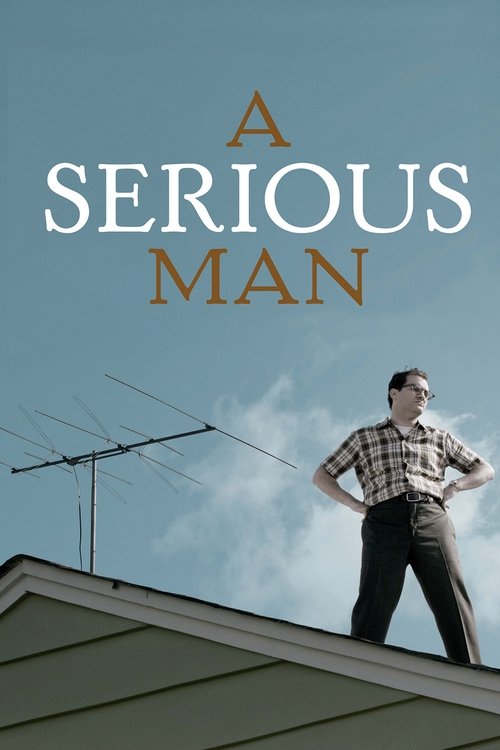
A Serious Man2009
The Coen Brothers at their most acidic. Michael Stuhlbarg navigates a world of casual cruelty and incomprehension. Like Chained for Life, it's about feeling unmoored in systems that don't see you.
But It's funny but cold, Jewish-specific in ways that won't resonate with everyone, and offers no catharsis.
Moonlight2016
Barry Jenkins' visual poetry about desire, identity and invisibility. Three chapters in the life of a Black queer man. Intimate, formally inventive, and deeply humane about how we hide and reveal ourselves.
But Quietly paced and structurally unconventional. Some find it too slow; others feel the lack of dialogue leaves too much unsaid.

Synecdoche, New York2008
Charlie Kaufman's baroque mess of a film about a theatre director building a replica of New York inside a warehouse. Grandiose, fractured, obsessed with artifice, performance and the gap between life and art.
But It's deliberately incoherent, self-indulgent, and designed to frustrate rather than satisfy. Some will find it self-conscious nonsense.

The Killing of a Sacred Deer2017
Like Chained for Life, it's about two people bound together by circumstance and art, forced into proximity that becomes a kind of siege. Both explore what happens when you cannot look away.
Yorgos Lanthimos's hypnotic, ritualistic thriller about debt and obligation. Colin Farrell and Barry Keoghan create unbearable tension. It's formally controlled and deeply strange—a European auteur film about performance and moral weight.
But It's fundamentally creepy, often funny in unsettling ways, and the narrative logic is dreamlike rather than rational. Some will find it cold and punishing.

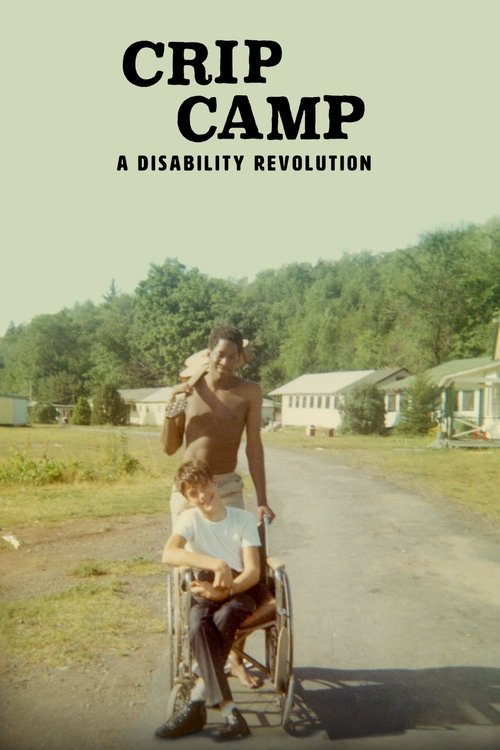
Crip Camp: A Disability Revolution2020
Where Chained for Life examines how cinema represents disability, Crip Camp shows disabled people representing themselves—seizing the camera and the narrative. They're two sides of the same interrogation.
Nicole Newnham and Jim LeBrecht's documentary about a summer camp for disabled teens in the 1970s—and the disability rights revolution that emerged from it. Joyful, radical, and uninterested in inspiration-porn narratives. It reframes disability entirely.
But It's a documentary, so if you came for fiction, you're starting from a place of resistance. Some find activist cinema didactic or heavy-handed.
People
Cast
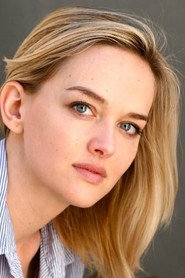 Jess WeixlerMabel
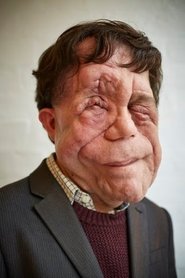 Adam PearsonRosenthal
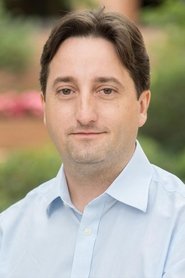 Charlie KorsmoHerr Director
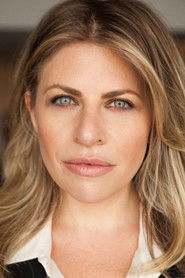 Sari LennickSarah
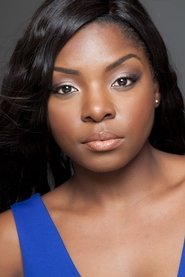 Joaquina KalukangoMichelle
- Sammy MenaBrutto
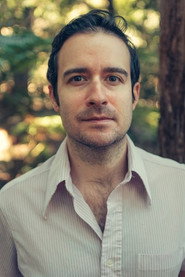 Frank MosleyFrank
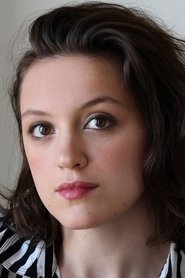 Eleanore PientaMolly
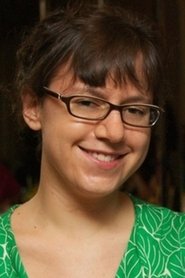 Joanna ArnowThe Hospital Liaison
- Cosmo BjorkenheimThe Grip
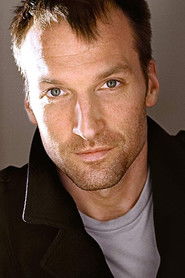 Will BlomkerThe Waiter
Directing
- Aaron SchimbergDirector
- Annalise LockhartFirst Assistant Director
- Sam EvoyScript Supervisor
- Willy McGeeSecond Assistant Director
- Jason GainesSecond Second Assistant Director
Writing
- Aaron SchimbergWriter
Production
- Jessica KellyCasting
- Kate GellerCasting
- Adam PearsonCo-Producer
- Carlos ZozayaCo-Producer
- Chris FosterCo-Producer
- Isaac KienerCo-Producer
- Ryan ZacariasCo-Producer
- Adam RegelmannExecutive Producer
- Jess WeixlerExecutive Producer
- Nathan SlottExecutive Producer
- Jon DieringerLine Producer
- Daniel Patrick CarboneProducer
- Jane SchoenbrunProducer
- Matthew PetockProducer
- Vanessa McDonnellProducer
- Zachary SheddProducer
- Alex BackusProduction Assistant
- Erica SeversonProduction Assistant
- Ian HermanProduction Assistant
- Pratap AmalrajProduction Assistant
- Tamera DavisProduction Assistant
- Rachel ThompsonProduction Coordinator