
Film
Sweetie
Jane Campion's debut feature is a scabrous family comedy about two sisters who couldn't be more opposite: Kay, anxious and controlled, and Sweetie, a chaotic force of nature who derails everything. It's tonally restless—veering between cringe humour and genuine hurt—and visually strange, shot through a lens that makes suburbia look distorted and claustrophobic. For people who appreciate comedy that doesn't smooth over its own discomfort.
Should you watch it?
Watch it if you like family comedies that turn uncomfortable by degrees, where the laughs curdle and a quiet character study hides behind a loud central performance.
Skip it if you need plot momentum or a tidy, reassuring tone, since this drifts through odd moods and long stretches where little seems to be going anywhere on purpose.
What it asks of you: Settle in for slow hundred-minute stretch of uneasy atmosphere, where the funny moments arrive without warning and you're expected to stay with discomfort rather than be rescued from it.
Not sure? Find tonight's pick in a minute.
If you liked this
Under the Skin2014
Another film that treats domestic life and family obligation as sources of genuine dread. Glazer constructs meaning from behaviour and silence rather than plot, creating a thick atmosphere of unease that matches Campion's sensibility.
But It's cryptic and slow, more interested in mood and metaphor than narrative payoff. If you need plot clarity, this will frustrate you.

Mulholland Drive2001
Lynch's Hollywood nightmare shares Campion's gift for making surfaces unstable and family/intimate relationships the site of psychological horror. Visually audacious and structurally daring, it rewards active watching.
But It's fragmentary and often impenetrable. The film doesn't hand you answers, and some viewers find that infuriating rather than liberating.

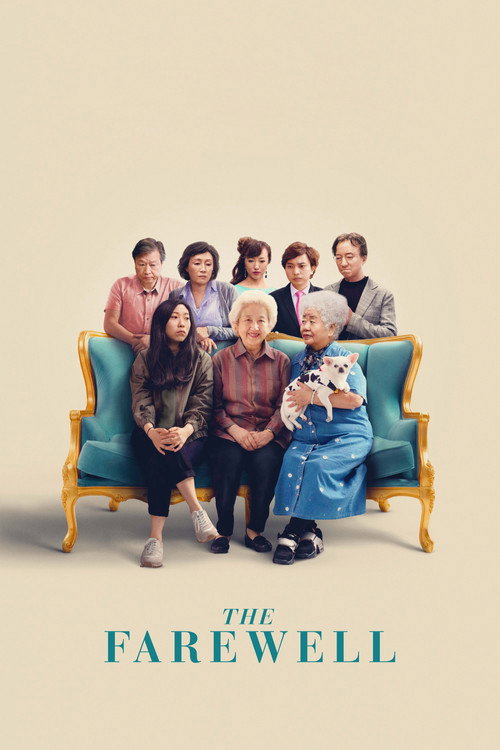
The Farewell2019
A sharp, funny exploration of family damage and cultural displacement. Lulu Wang balances comedy and pain with the same tonal intelligence as Campion, and the ensemble acting is phenomenal.
But It's quieter than you'd expect from a comedy, and the emotional weight sneaks up on you. Not everyone likes being moved when they came for laughs.
Not sure tonight? Get a pick in a minute, starting from Sweetie
The wildcard
Something you would not have found on your own.
A Prophet2009
Both films treat confined spaces—the family home, the prison—as microcosms where character is revealed through proximity and obligation rather than action. The camera watches behaviour with the same alert intensity.
Audiard's prison drama about transformation and survival works like a chamber piece, where every gesture and alliance carries weight. It shares Sweetie's interest in character under pressure, specifically how people reshape themselves when trapped.
But It's set in a French prison and moves at its own pace. If you're looking for conventional narrative momentum, you won't find it.

More like this (7)
Krisha2016
Ari Aster's feature debut is a portrait of family dysfunction and mental illness that's simultaneously darkly comic and harrowing. The handheld camera work has a voyeuristic intensity that recalls early Campion.
But It's deeply uncomfortable to watch. The line between dark comedy and genuine tragedy gets deliberately blurred in ways that some find punishing.

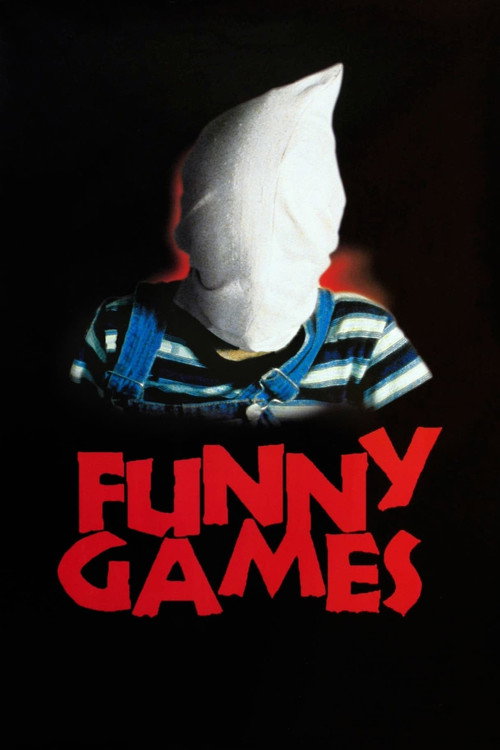
Funny Games1997
Haneke makes family life a prison and watches the fallout with cold precision. Like Campion, he refuses to let you settle into one emotional register—the film sabotages your comfort.
But It's a provocation more than entertainment. If you suspect the director is mocking you, that's because he probably is.
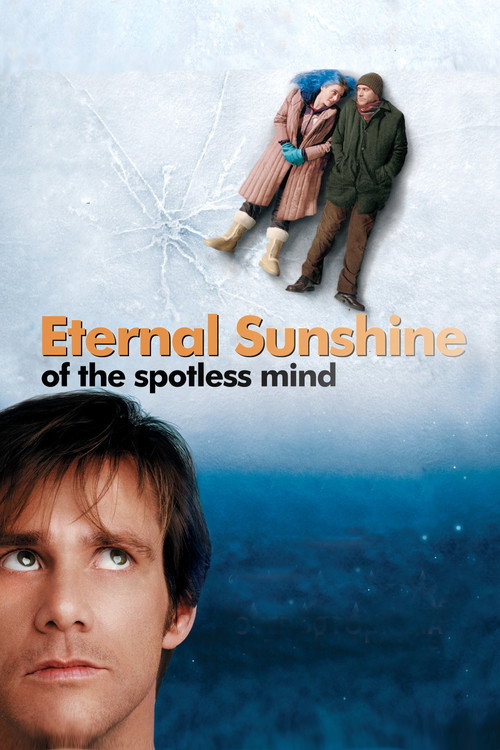
Eternal Sunshine of the Spotless Mind2004
Kaufman and Gondry craft something genuinely strange from intimate material—memory, love, self-deception. The visual inventiveness serves emotional truth rather than showing off, much like Campion's visual choices.
But The non-linear structure and conceptual framing can feel arch if you're not onboard with the film's particular brand of whimsy.
The Killing of a Sacred Deer2017
Lanthimos constructs a claustrophobic family nightmare with the same unsettling precision Campion brought to suburbia. Formally controlled but emotionally unhinged.
But The stylization can feel cold and distancing. The film's refusal to engage you emotionally in the expected way bothers some viewers more than it intrigues them.

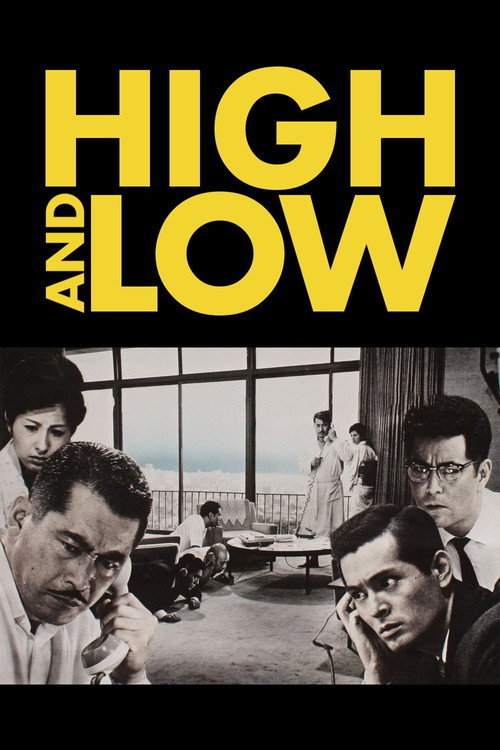
High and Low1963
Kurosawa's exploration of class, family obligation, and moral compromise unfolds with extraordinary intelligence. It's a genre film that's also a moral interrogation—proof that character and stakes matter more than spectacle.
But It's over three hours, and the pacing is deliberate. Modern viewers sometimes find the measured approach test their patience.
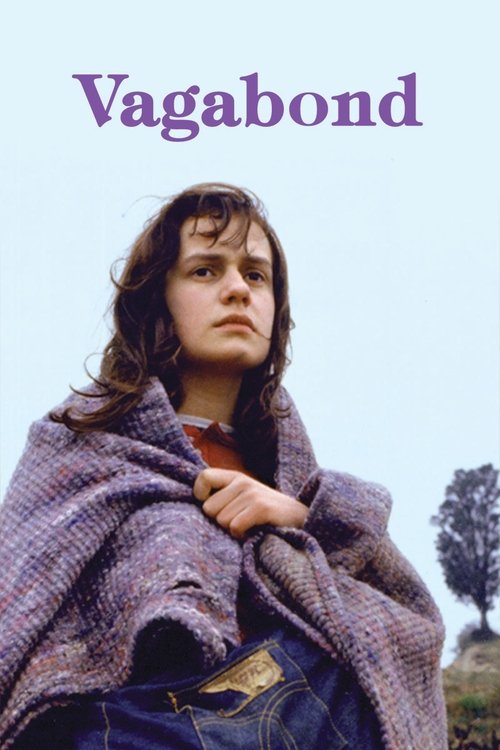
Vagabond1985
Both are inventive explorations of social failure and women who don't fit. Both use jarring visual strategies to unseat the viewer, and both locate tragedy in ordinary refusal rather than catastrophe.
Varda's documentary-inflected study of a drifter is built from the gaps between what people say and what they do. Like Campion, Varda finds profound strangeness in ordinariness and uses formal invention to make alienation visible.
But It's deliberately amateurish in its execution and refuses conventional empathy. The protagonist is not sympathetic, and the film offers no redemption.
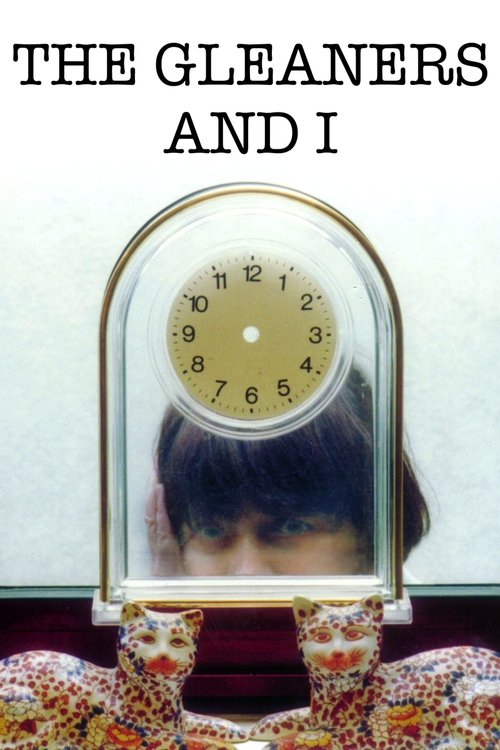
The Gleaners and I2000
Like Sweetie, it's interested in lives and behaviours that don't fit neatly into frames. Both films use formal disruption as an act of aesthetic generosity—refusing to tidy up what's actually messy.
Varda's documentary essay is playful and digressive, but it's really about waste, value, and what falls through the cracks of respectable society. The formal inventiveness—multiple cameras, video notation, essays on-screen—mirrors Campion's restless visual intelligence.
But It's a documentary essay, not narrative. If you need plot or conventional story structure, this will feel like drift, which is partly the point.
People
Cast
 Geneviève LemonDawn 'Sweetie'
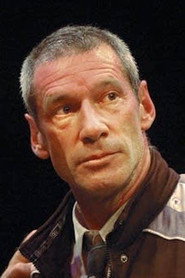 Tom LycosLouis
- Jon DarlingGordon
- Andre PataczekClayton
- Michael LakeBob
- Jean HadgraftMrs. Schneller
 Paul LivingstonTeddy Schneller
- Louise FoxCheryl
- Ann MerchantPaula
- Robyn FrankRuth
Directing
- Lynn-Maree DanzeyContinuity
- Jane CampionDirector
- John FretzFirst Assistant Director
- Tina AndreefSecond Assistant Director
- Trudi BillsberryThird Assistant Director
Writing
- Jane CampionOriginal Story
- Gerard LeeScreenplay
- Jane CampionScreenplay
- Billy MacKinnonScript Editor
Production
- Don ColantonioAssistant Production Manager
- Jane CampionCasting
- Tina AndreefCasting Assistant
- Billy MacKinnonCo-Producer
- John MaynardProducer
- Sam ThompsonProduction Coordinator
- Patricia L'HuedeProduction Manager
- Christopher GillProduction Runner