
Film
The War Zone
Tim Roth's directorial debut is a suffocating chamber piece about a family fractured by incest. Shot in cold, antiseptic tones with minimal music, it captures the numb isolation of trauma—how violation can live in the same rooms as breakfast and television. Essential but demanding; for viewers ready to sit with real damage.
Should you watch it?
Watch it if you want a raw, unsparing family drama where the dread builds through small, ordinary gestures and the performances carry more weight than the plot does.
Skip it if you need a story to move briskly, since this is bleak, slow and often hard to sit through, with a grim tone that rarely lifts.
What it asks of you: Long stretches of quiet, ordinary family life, and a willingness to stay in an uncomfortable room while very little seems to happen.
Not sure? Find tonight's pick in a minute.
If you liked this
Requiem for a Dream2000
Aronofsky's visual assault on addiction and desperation uses formal innovation to make interior collapse feel like exterior violence. The editing, the soundtrack, the four-way split screen—it all fractures to match fractured minds.
But It's exhausting by design. The relentless editing and Clint Mansell's repetitive score can feel punishing rather than illuminating after a while.

Come and See1985
Elem Klimov's Soviet masterpiece about a boy conscripted into WWII doesn't flinch from showing how violence corrupts innocence. The cinematography is haunting; the moral weight is absolute. A film that stays with you.
But It's genuinely harrowing. Not a film you enjoy—a film you survive. The climax is so bleak some viewers find it nihilistic rather than cathartic.

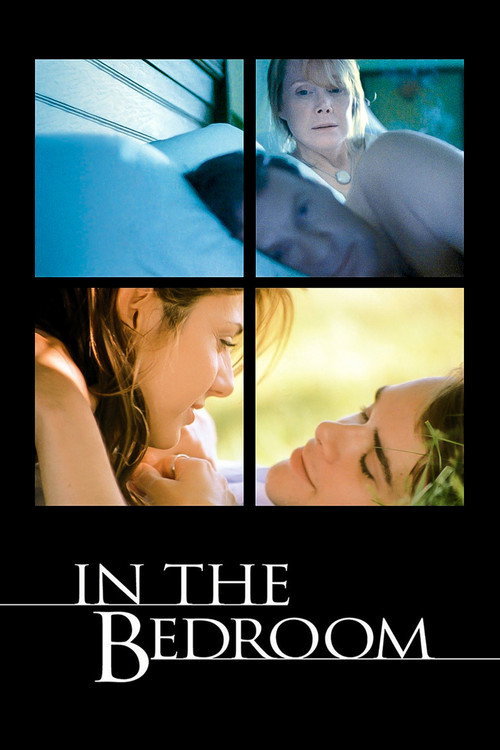
In the Bedroom2001
Todd Field's debut is a quiet devastation about grief and revenge within a marriage. Wilkinson and Spacek are extraordinary, and the film earns every moment of its slow-burn rage. About damage that compounds over time.
But The pacing will test you. Nothing happens quickly, and the emotional payoff demands patience some viewers won't have.
Not sure tonight? Get a pick in a minute, starting from The War Zone
The wildcard
Something you would not have found on your own.
Under the Skin2014
Both films use formal coldness—minimal dialogue, grey cinematography, visual austerity—to externalize interior violation. Both refuse to make damage palatable or easily readable.
Jonathan Glazel's film is mostly wordless and shot in Scotland's grey, empty landscapes. Like The War Zone, it's about surfaces concealing damage, but here the damage is existential and alien rather than familial. Visual and sculptural rather than narrative. Hypnotic and strange.
But There's almost no plot. If you need dialogue and clear story beats to stay engaged, you'll be adrift. Many viewers find it boring; many find it essential.

More like this (7)
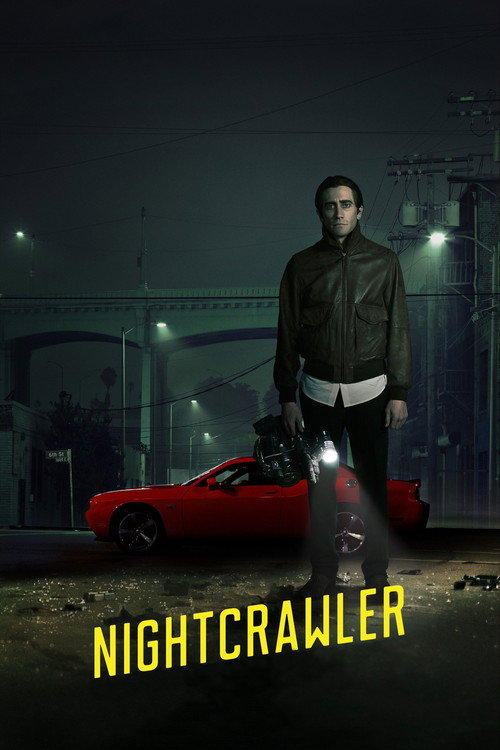
Nightcrawler2014
Dan Gilroy's portrait of a young man with no empathy using the city's violence for profit. Like The War Zone, it's about a character who lacks the moral architecture most people take for granted. Gyllenhaal's performance is a masterclass in vacancy.
But The protagonist is repellent, and the film doesn't offer easy ways to process him. If you need to like someone on screen, this won't work.
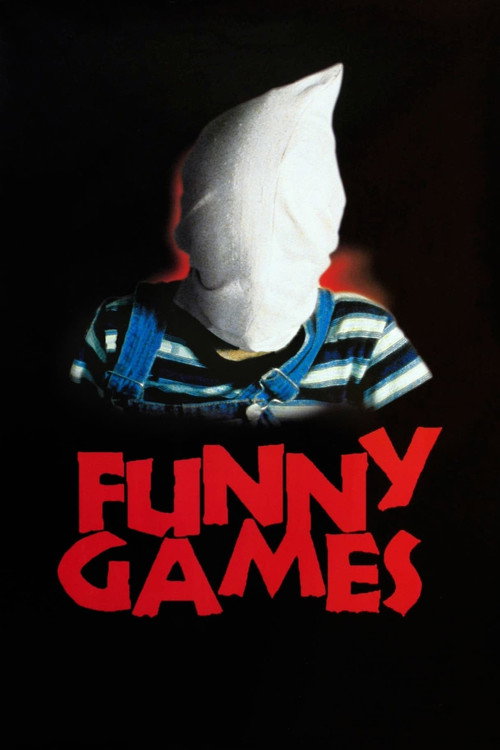
Funny Games1997
Haneke's original (not the shot-for-shot remake) traps a family with two violent youths. The formal rigour and the director's contempt for audience sadism make it intellectually necessary, not just viscerally upsetting.
But It's deliberately unpleasant and refuses to give you the catharsis you might want. Some viewers feel manipulated by Haneke's finger-wagging contempt for them.
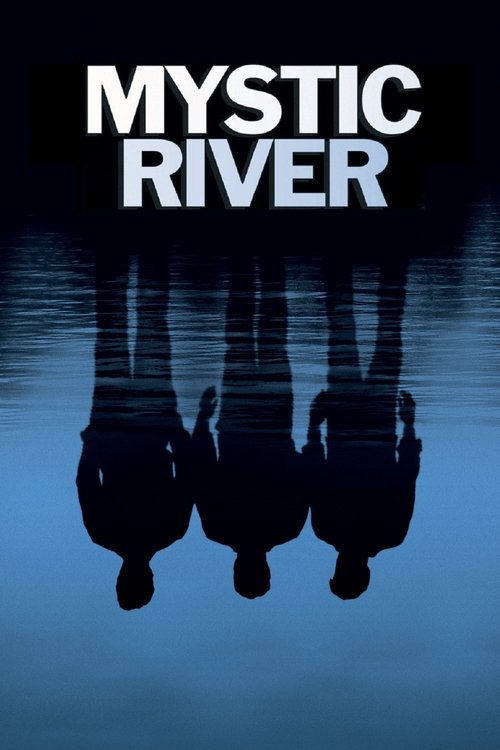
Mystic River2003
Clint Eastwood's masterpiece about three childhood friends and a murder that reopens old wounds. It's about how trauma from youth can poison entire lives. The performances are career-best work across the board.
But Despite the crime narrative, it moves slowly. Viewers looking for procedural momentum will be frustrated by the focus on emotional damage over plot momentum.
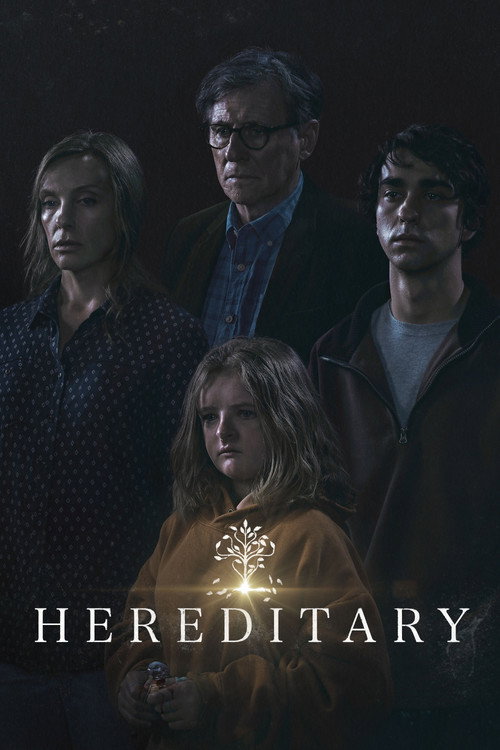
Hereditary2018
Ari Aster's family horror explores inherited trauma and generational damage through folk-horror language. It's visually extraordinary and operating on multiple registers—family nightmare and literal nightmare simultaneously.
But The tonal shifts between intimate drama and cosmic body-horror might feel jarring. Some find the third act too supernatural after being grounded in psychological family terror.
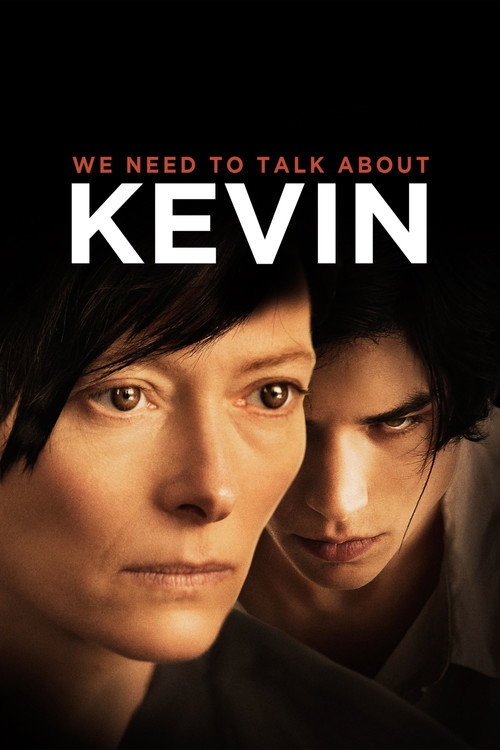
We Need to Talk About Kevin2011
Lynne Ramsay's fractured narrative about a mother and her son who commits an atrocity. It's formally daring, using color and sound design to convey psychological states. Tilda Swinton (like in The War Zone) is magnificent.
But The fragmentary editing requires active attention and won't reward passive viewing. The moral questions it poses about maternal responsibility are genuinely uncomfortable.
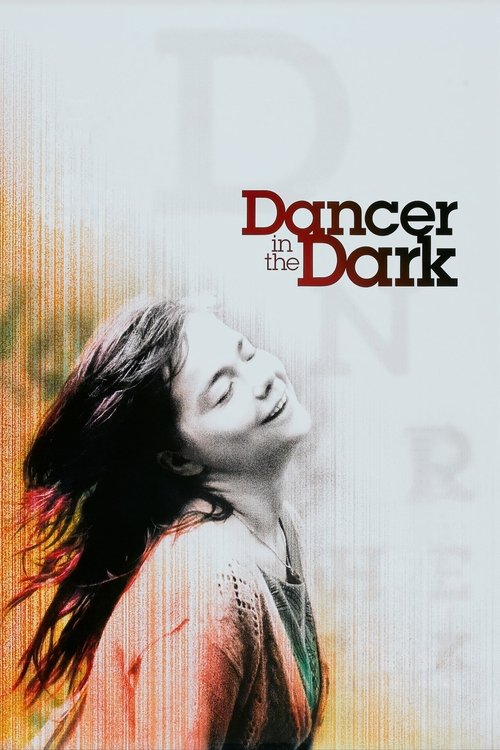
Dancer in the Dark2000
Lars von Trier's musical-drama hybrid is devastating in its commitment to showing a woman's complete systemic destruction. Björk's performance is raw and borderline unbearable. It defies genre categorization entirely.
But The tone is relentlessly grim and the ending offers no comfort. Von Trier's deliberate cruelty to his characters will alienate viewers wanting any form of redemption.
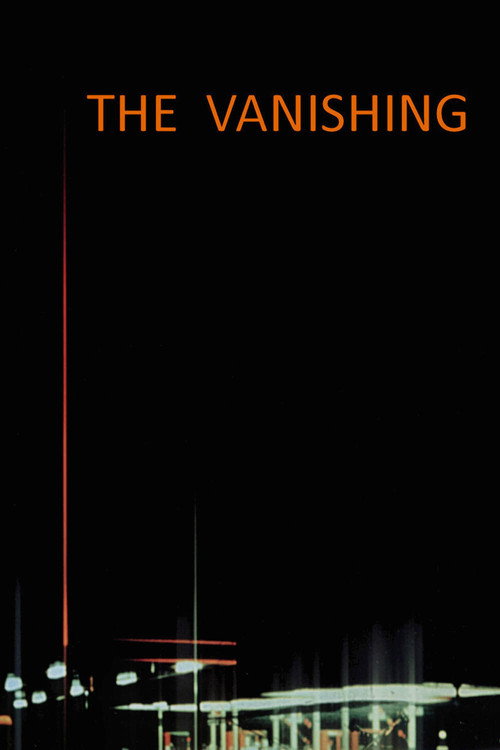
The Vanishing1988
Both films are about characters (and viewers) who cannot look away from damage. Both refuse comforting narratives and demand you sit with what you're watching.
George Sluizer's Dutch thriller is a masterclass in escalating dread. A man becomes obsessed with discovering what happened to his missing girlfriend, and the film spirals into territory The War Zone doesn't touch. Shockingly violent but quiet about it.
But The ending is genuinely difficult—not a resolution but a kind of moral trap. You'll want to un-watch the final ten minutes, and some viewers feel betrayed by where it goes.
People
Cast
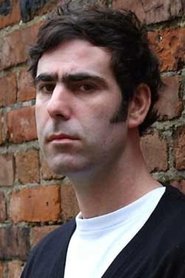
 Lara BelmontJessie
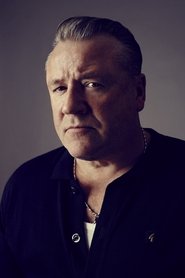 Ray WinstoneDad
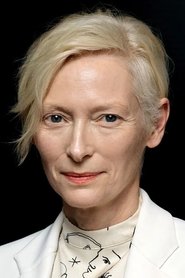
 Kate AshfieldLucy
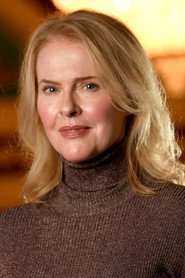 Aisling O'SullivanCarol
- Megan ThorpBaby Alice
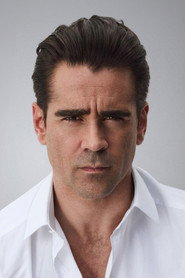 Colin FarrellNick
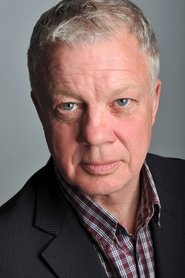 Kim WallBarman
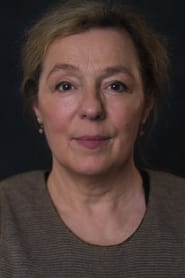 Annabelle ApsionNurse
Directing
- Tim RothDirector
- Susanna LentonScript Supervisor
Writing
- Alexander StuartNovel
- Alexander StuartWriter
Production
- Steve ButterworthAssociate Producer
- Jina JayCasting
- Sharon Howard-FieldCasting
- Eric AbrahamExecutive Producer
- Dixie LinderProducer
- Sarah RadclyffeProducer