
Film
Vox Lux
Brady Corbet's fractured, operatic study of fame, trauma, and complicity. Natalie Portman plays a pop star built from tragedy, tracked across two timelines as violence shapes and reshapes her. Visually baroque, narratively non-linear, sometimes impenetrable—it's a film that swallows you whole or spits you out. For viewers hungry for something that refuses to comfort.
Should you watch it?
Watch it if you are drawn to fractured, chaptered portraits of fame where the music, the narration and the glossy surfaces carry as much weight as the plot, and you don't need everything explained.
Skip it if you want a warm, linear showbiz story; this one is cold and deliberately distant, and its violence is handled with a chilly detachment many viewers find hard to sit with.
What it asks of you: It runs under two hours, moves in deliberate chapters, and leaves gaps you must fill yourself, with long quiet stretches broken by sudden jolts of noise.
Not sure? Find tonight's pick in a minute.
If you liked this
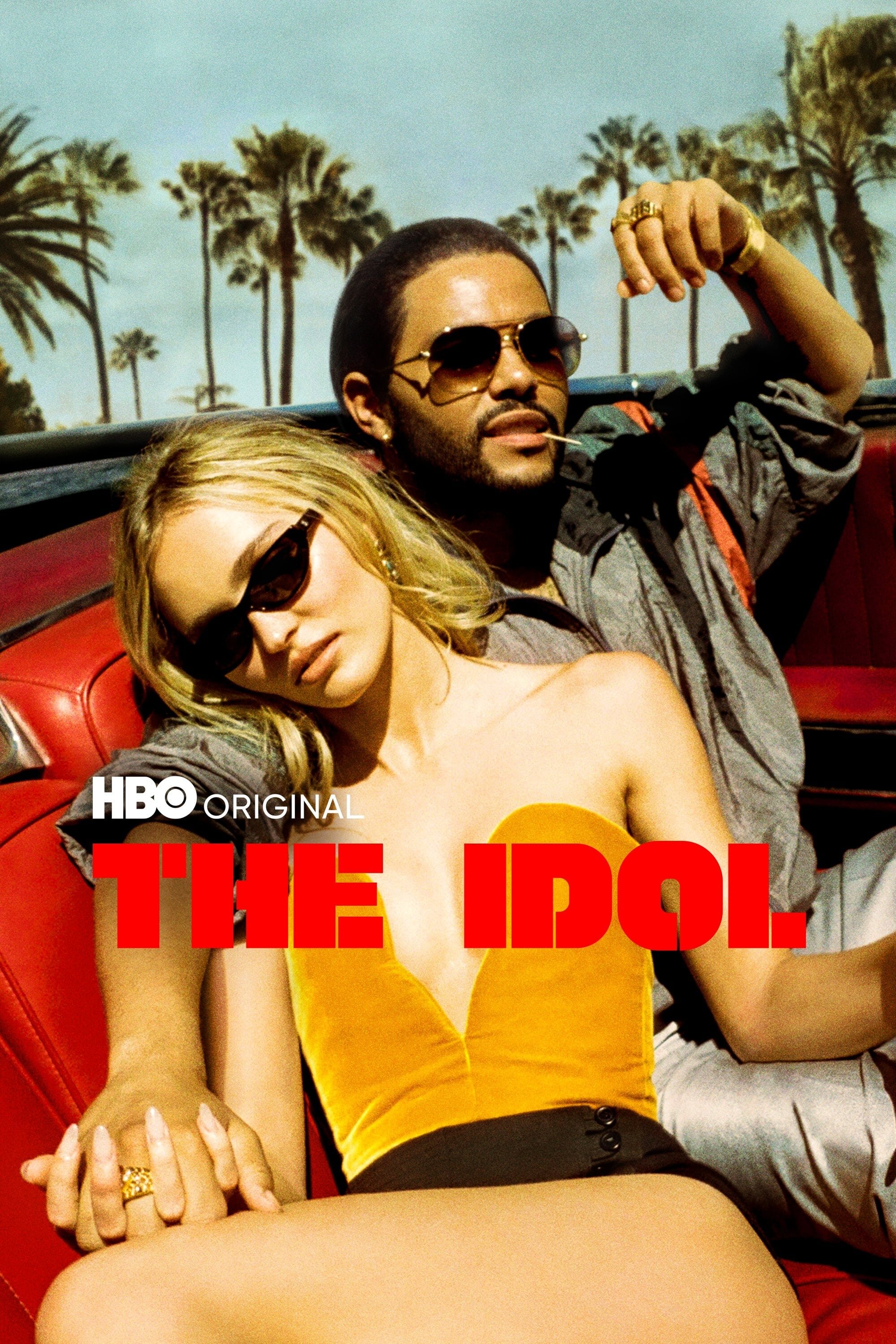
The Idol2023
A television prestige drama that dares to be genuinely ugly about fame, power, and exploitation in the music industry. Unlike most shows, it doesn't wink at its own cynicism—it drowns in it.
But The aesthetic is aggressively baroque and self-satisfied. Some will find it more interested in provocation than insight, and exhausting to watch.
A Star Is Born2018
Both films track a woman's rise through popular music with unflinching attention to what the machinery demands of her body and soul. Lady Gaga's performance has the same wounded intelligence Portman brings.
But This one is more conventionally moving, more interested in your tears. If you want Corbet's colder gaze, this might feel manipulative by comparison.

Under the Skin2014
Jonathan Glazel's sci-fi nightmare operates on similar aesthetic principles—mysterious, formally inventive, refusing to explain itself. Both films trust the viewer to sit with discomfort and strangeness without answers.
But It's slower and more distant than Vox Lux, with even less dialogue. Some find it pretentious; others find it essential. There is no middle ground.

Not sure tonight? Get a pick in a minute, starting from Vox Lux
The wildcard
Something you would not have found on your own.
Requiem for a Dream2000
Both films use operatic style and non-linear storytelling to show how desire and systems destroy their subjects. Both refuse sentimentality. Both look at what contemporary life demands from bodies and souls.
Darren Aronofsky's film tracks four people destroyed by compulsion—addiction, ambition, love, appetite. Like Vox Lux, it's a baroque descent into contemporary damage, using visual and sonic excess as the language of collapse.
But It's genuinely harrowing and offers no redemption. The formal experimentalism serves the horror, but the horror is relentless and unsparing.

More like this (7)
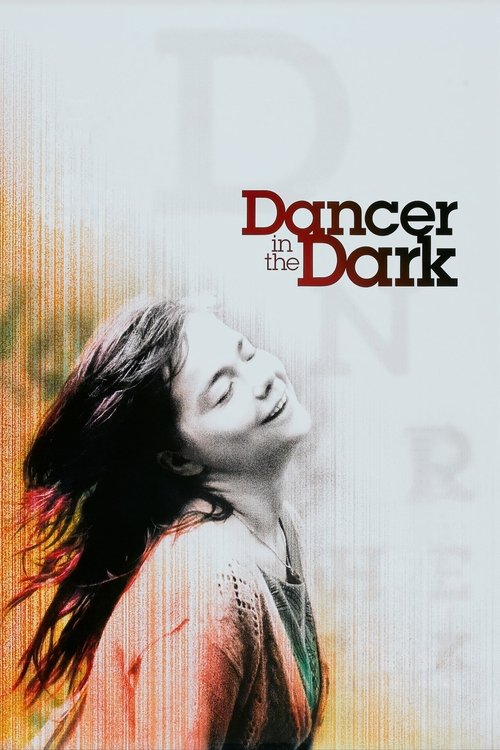
Dancer in the Dark2000
Lars von Trier and Björk make a film about a woman ground down by circumstances, where musical sequences become her only escape. The emotional devastation is complete and unapologetic.
But It's punishing in ways that feel deliberate rather than artistic. The ending is designed to wound you, and it works—but you have to want that.
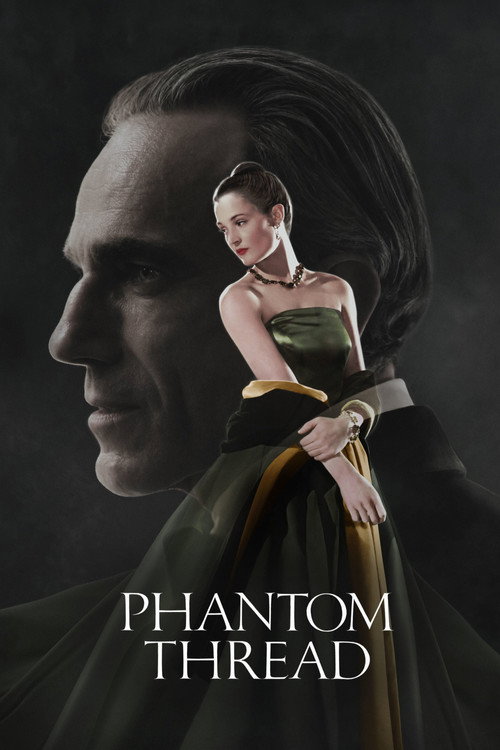
Phantom Thread2017
Paul Thomas Anderson's film about creation, control, and obsession in a closed world. Like Vox Lux, it's visually sumptuous and morally murky, finding beauty in dysfunction.
But It's a slow-burn character study, not a drama. If you're coming for plot momentum, you'll find instead a meditation on desire and power.
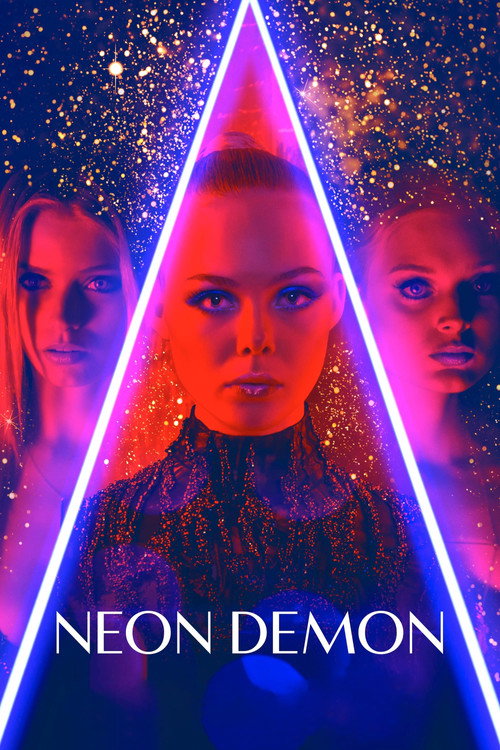
The Neon Demon2016
Nicolas Winding Refn's film about a girl consumed by the beauty industry shares Corbet's baroque visual language and interest in how systems devour their subjects. Same cold eye on exploitation.
But It's sometimes more interested in looking beautiful than saying something true. The style occasionally overwhelms any coherent vision underneath.
Mulholland Drive2001
David Lynch's fractured Los Angeles dream-nightmare about desire, identity, and the machinery of fame. Non-linear, formally ambitious, impossible to fully decode—like Corbet's approach.
But It's three hours of baroque mystery that never resolves. Some will find that liberating; others will feel toyed with.

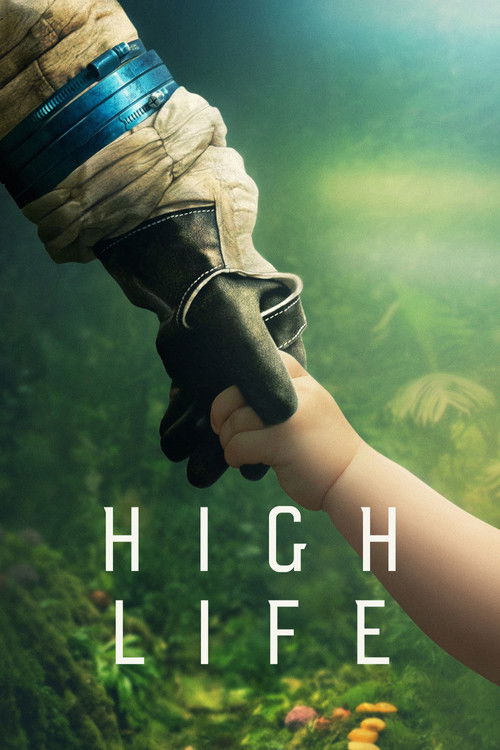
High Life2018
Claire Denis makes a sci-fi nightmare about bodies controlled and exploited in isolation. Like Vox Lux, it's visually estranged and interested in vulnerability as a kind of violence.
But It's austere to the point of coldness. Long stretches have no dialogue, no music—just dread. That's the point, but it's not for everyone.
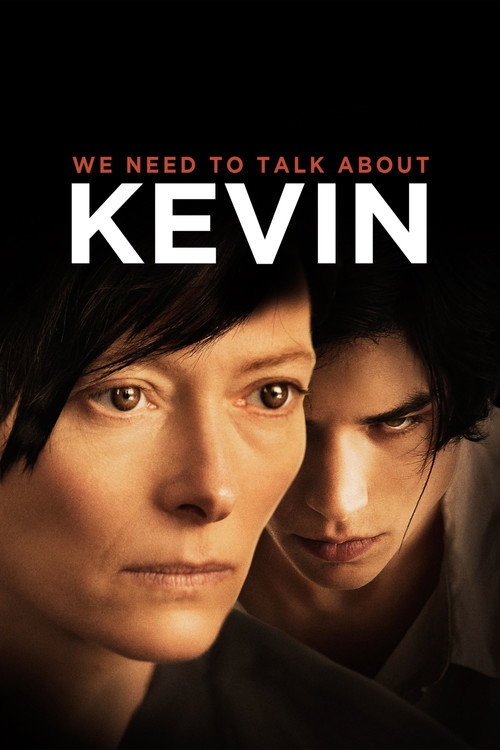
We Need to Talk About Kevin2011
Lynne Ramsay's fragmentary film about maternal guilt and violence uses formal experimentation to make the unbearable bearable. Both films believe style can express what plot cannot.
But It's aggressively difficult and deliberately alienating. The fractured chronology and sensory assault serve the vision but exclude many viewers.
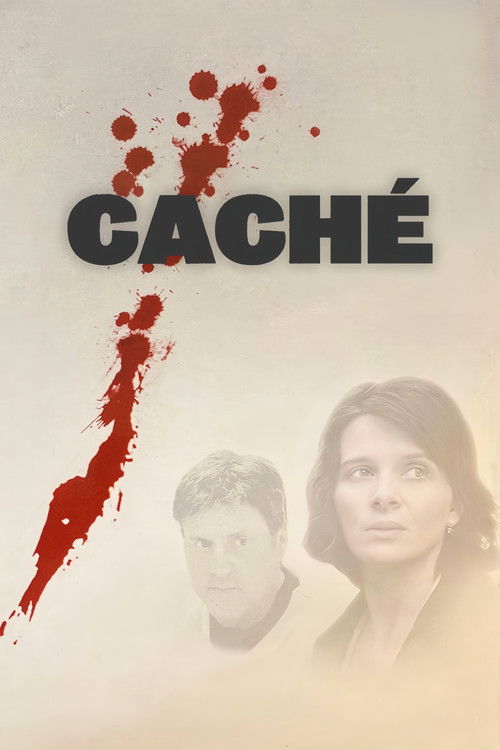
Caché2005
Both films implicate the viewer. Both suggest that violence and its aftermath are threads running through systems you're embedded in. Neither offers absolution.
Michael Haneke's film about complicity, violence, and what we choose not to see. It's formally restrained where Vox Lux is baroque, but it shares an obsession with how trauma circulates and who pays for it.
But It's distant, withholding, and morally ambiguous in ways that frustrate viewers wanting clarity. The ambiguity is the entire point.
People
Cast
 Natalie PortmanCeleste Montgomery
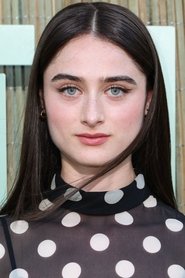 Raffey CassidyYoung Celeste / Albertine
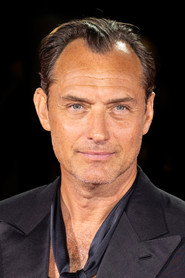 Jude LawManager
 Stacy MartinEleanor "Ellie" Montgomery
 Jennifer EhleJosie
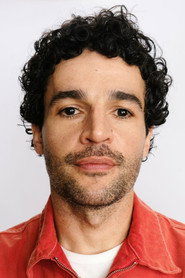 Christopher AbbottJournalist
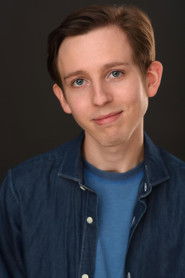 Logan Riley BrunerCullen Active
 Maria DizziaMs. Dwyer
 Meg GibsonMrs. Montgomery
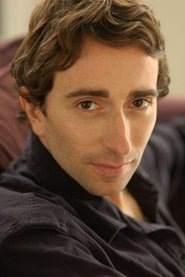 Daniel LondonFather Cliff
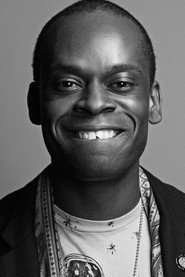
 Micheál RichardsonMusician
Directing
- Brady CorbetDirector
- Ivan J. FonsecaFirst Assistant Director
- Jennifer TrueloveFirst Assistant Director
- Cassandra SantiagoSecond Assistant Director
Writing
- Brady CorbetScreenplay
- Brady CorbetStory
- Mona FastvoldStory
Production
- Cassandra KulukundisCasting
- Aaron HimmelCo-Producer
- Cassandra KulukundisCo-Producer
- Jonathan OakesCo-Producer
- Lisa ZambriCo-Producer
- Joshua ThroneExecutive Producer
- Jude LawExecutive Producer
- Mark GillespieExecutive Producer
- Natalie PortmanExecutive Producer
- Ron CurtisExecutive Producer
- SiaExecutive Producer
- Andrew LaurenProducer
- Brian YoungProducer
- Christine VachonProducer
- D.J. GugenheimProducer
- David HinojosaProducer
- David LitvakProducer
- Gary Michael WaltersProducer
- Michel LitvakProducer
- Robert SalernoProducer
- Svetlana MetkinaProducer
- Derek MariProduction Assistant
- Raffaello VignoliProduction Supervisor
- Robert SalernoUnit Production Manager