
Film
Paanch
- Con-artist caper
- Drama
- Crime thriller
- Very dark
Paanch follows a struggling rock band whose kidnapping con turns catastrophic when real violence erupts. Anurag Kashyap's fever-dream thriller is punishingly tense, shot through with drug-addled chaos and moral vertigo. It's for viewers who want their crime stories messy, claustrophobic, and willing to let characters descend into genuine darkness without rescue.
If you liked this
A Prophet2009
A taut, accumulating spiral about a prison inmate's rise through calculated cunning and unexpected alliances. Like Paanch, it traps you in a confined space where trust evaporates and violence reshapes everything.
But French prison procedural pacing can feel glacial if you need constant momentum. Nearly two and a half hours of mounting paranoia isn't for everyone.

Requiem for a Dream2000
Darren Aronofsky's hallucinogenic descent into addiction and desperation uses fractured editing and raw performances to make decay feel visceral. Same drugged urgency and moral freefall as Paanch, compressed into unbearable intensity.
But Deliberately punishing to watch. The repetition, visual assault, and complete absence of catharsis alienate many viewers. Not therapeutic cinema.

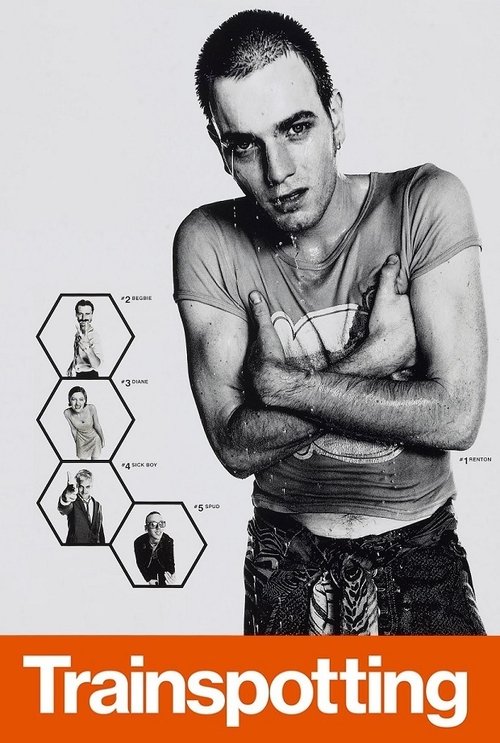
Trainspotting1996
Danny Boyle captures heroin-fueled inertia and casual criminality with darkly comic flair. Young men in free fall, schemes that go sideways, a sensory style that feels anarchic and alive. The spiritual cousin Paanch should have had.
But Dated slang and visual tics from the '90s can feel mannered now. Some scenes verge on exploitative about addiction.
Not sure tonight? Get a pick in a minute, starting from Paanch
The wildcard
Something you would not have found on your own.
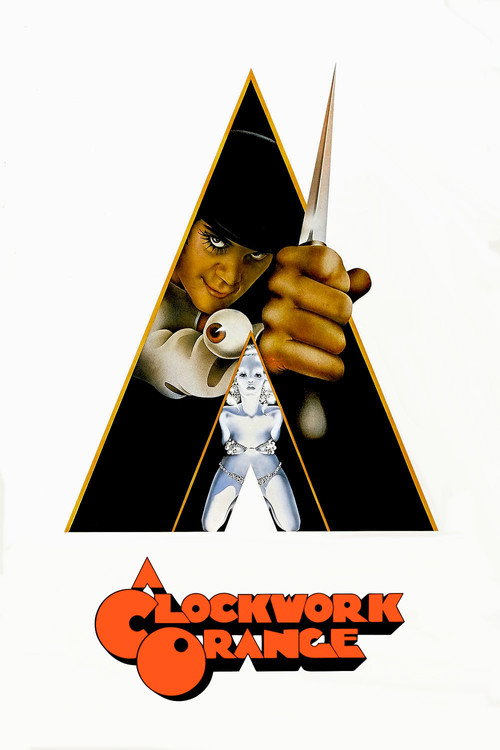
A Clockwork Orange1971
Both films use extreme form and amoral protagonists to ask whether cinema can represent violence without endorsing it. Both refuse redemption as an option.
Kubrick's formal precision applied to nihilistic violence and moral philosophy. Like Paanch, it refuses to sentimentalize its criminals or let you off the hook morally. The difference is era and budget—same engine, unhinged energy.
But The sexual violence and style-over-substance accusations haunt it for good reason. Some of that provocation feels dated now, though the formal audacity remains undeniable.
More like this (8)
In the Mood for Love2000
Wong Kar-wai's study of suppressed desire and impossible connection in confined spaces. Like Paanch, it trusts visual atmosphere and fragmented time over plot momentum. Entirely different mood, same structural intelligence.
But Glacial pacing and narratively slight. If you need plot propulsion, this will feel like being trapped in a beautiful hallway.

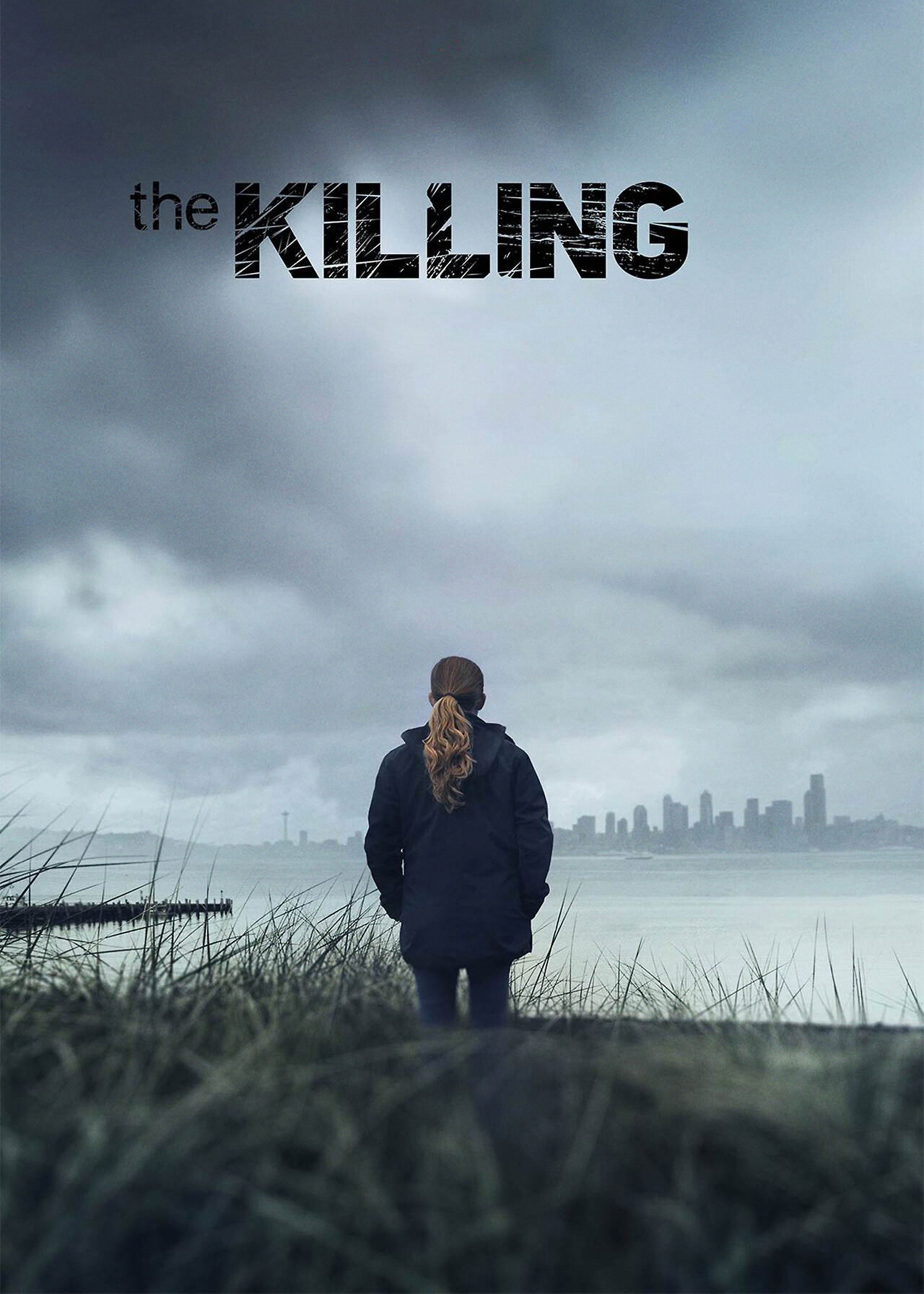
The Killing2011
Danish noir where a murder investigation becomes a claustrophobic pressure cooker of suspicion and moral compromise. Each episode peels back a layer of potential guilt. Slow-burn tension with the same paranoid logic as Paanch.
But The first season's pacing tests patience severely. Some viewers find the repetition of questioning scenes tedious rather than hypnotic.
Mulholland Drive2001
David Lynch's fractured dream-logic narrative about ambition and betrayal in a corrupt system. Non-linear storytelling, moral vertigo, the sense that characters are spinning toward inevitable doom. Paanch's art-house cousin.
But Deliberately refuses coherent plot resolution. If you need the film to make logical sense, you'll resent it rather than surrender to it.

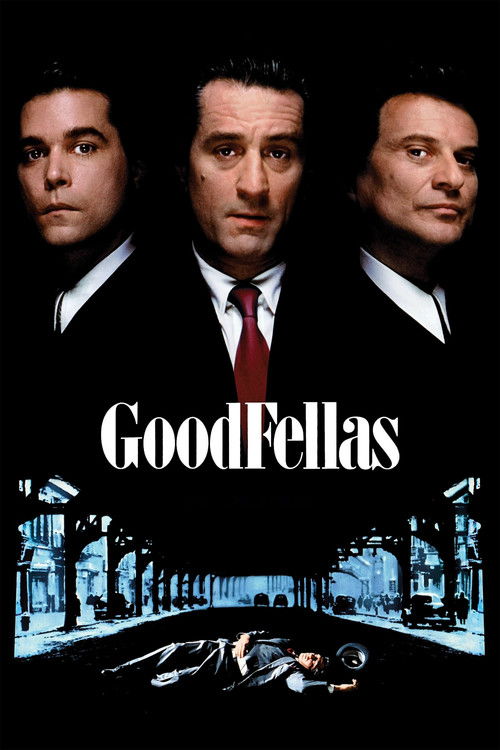
GoodFellas1990
Scorsese's adrenalized chronicle of criminal life captures the seductive rush and corroding paranoia of that world. Volatile characters, betrayals that come fast, style that makes criminality intoxicating and hollow simultaneously.
But Exhaustingly familiar now—endlessly cited, parodied, referenced. Feels like watching a blueprint you've already memorized.
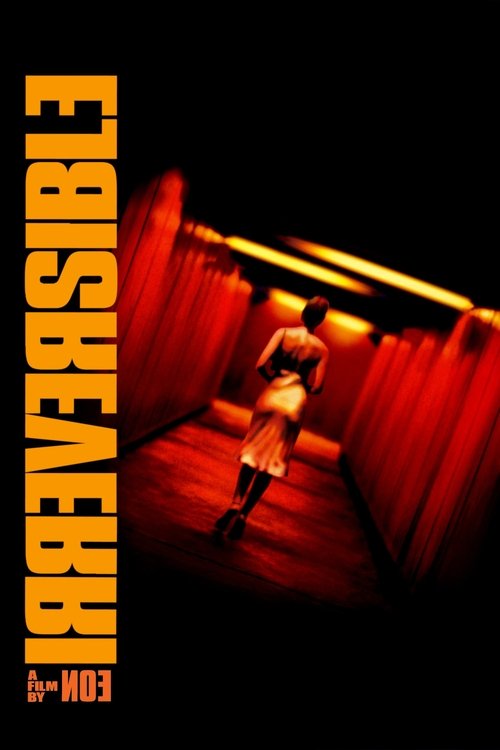
Irreversible2002
Gaspar Noé's reverse-chronological descent into violence and despair uses formal audacity to trap you in nightmare logic. Deeply unpleasant, structurally daring, interested in how trauma radiates backward through time.
But Genuinely difficult viewing. Contains graphic violence and sexual assault presented without mitigation. Not provocation for its own sake, but still brutal.
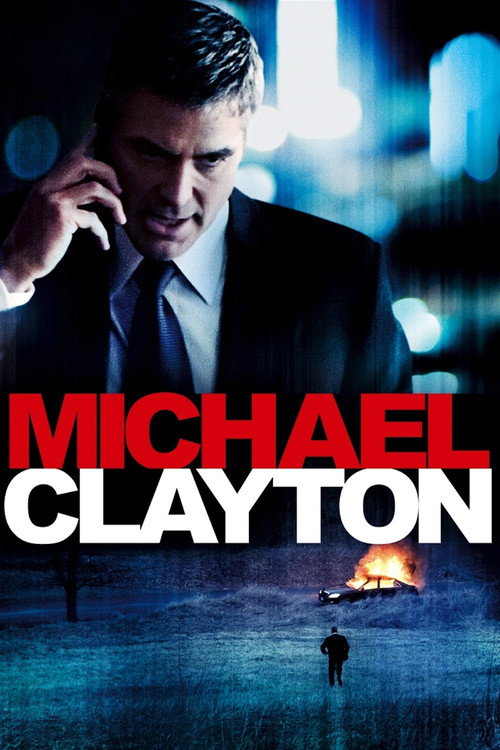
Michael Clayton2007
Corporate thriller where a fixer's attempt to manage chaos spirals into his own reckoning. Sharp dialogue, ensemble paranoia, the slow realization that everyone is complicit in something. Polished where Paanch is feverish, same moral quicksand.
But Procedural legal-thriller beats can feel rote. George Clooney's world-weary competence sometimes works against genuine tension.
Synecdoche, New York2008
Both films are about how attempting to stage or control a situation—whether a crime or an art project—becomes the mechanism of complete psychological collapse. Control is the delusion.
Charlie Kaufman's kaleidoscopic nightmare about an artist losing control of his creation inside a warehouse. Reality fractures. Scale collapses. The more you try to order chaos, the more it swallows you. The existential terror underneath Paanch's surface crime story.
But Aggressively non-linear and emotionally suffocating. Its ambition can feel pretentious, and the pay-off is despair without catharsis or insight. Pure immersion in dissolution.

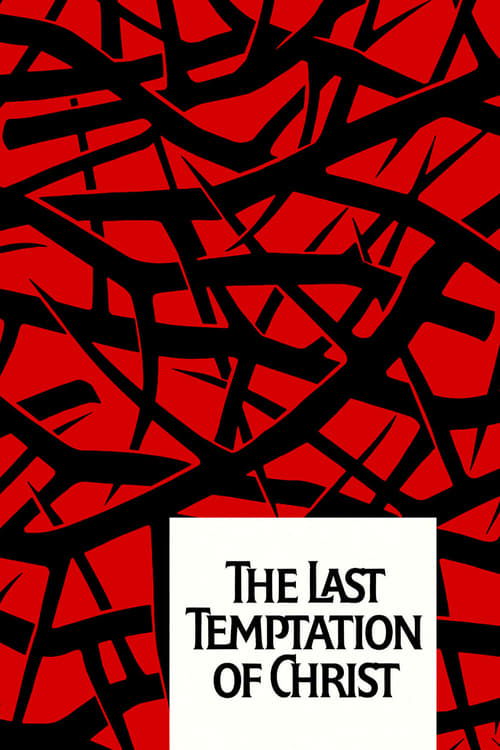
The Last Temptation of Christ1988
Both directors use excessive form, bodies in distress, and refusal of easy answers to explore moral and spiritual crisis. Both believe cinema can be a space for genuine questioning, not just action.
Scorsese's intimate, dialogic exploration of spiritual doubt and sensory temptation. Unlike a conventional religious film, it's hallucinogenic, questioning, almost punk rock in its irreverence. Anurag Kashyap learned from this about how to make a transgressive cinema of ideas.
But Over three hours of theological debate and anguished monologue. If you want narrative clarity or traditional structure, this will feel indulgent. The sacrilege still offends some viewers legitimately.
People
Cast
 Kay Kay MenonLuke Morrison
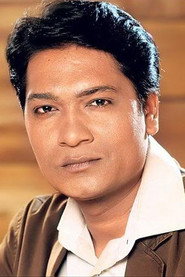 Aditya SrivastavaMurgi
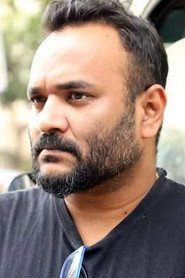 Vijay MauryaPondy
 Tejaswini KolhapureShiuli
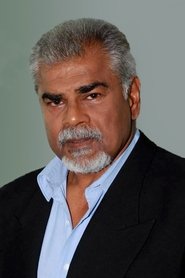 Sharat SaxenaInspector Deshpande
 Abhinav KashyapPolice Salam
Directing
- Anurag KashyapDirector
Writing
- Anurag KashyapScreenplay
Production
- Sanjay RoutrayExecutive Producer
- Tutu SharmaProducer