
Film
The Deadly Mantis
A 1957 creature feature where a prehistoric giant mantis thaws from Arctic ice and terrorizes North America. Low-budget, high-concept pulp with genuine atmosphere: shadowy interiors, radio chatter, real tension about an unknowable threat. Perfect for anyone who loves early sci-fi B-movies or wants to see how little you need to build dread.
Should you watch it?
Watch it if you enjoy 1950s creature features, where the fun is in earnest square-jawed scientists, stiff-upper-lip military men and a giant bug rampaging through familiar cities, played completely straight.
Skip it if you want slick effects or modern pacing, since the creature work is rubbery and the plot moves in procedural, talky stretches between the attacks.
What it asks of you: About seventy-nine minutes, brisk and unpretentious, with little patience for subtext; it wants you to accept its premise quickly and enjoy the set pieces without asking for much else.
Not sure? Find tonight's pick in a minute.
If you liked this
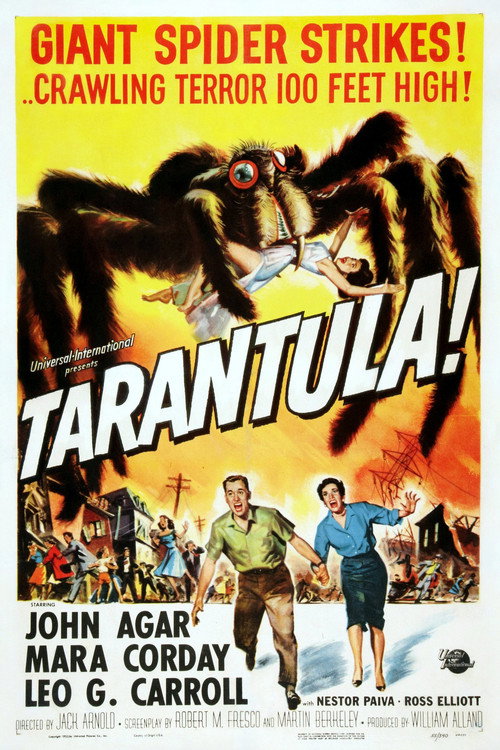
Tarantula1955
Same DNA: giant arthropod, military response, real scientists trying to solve an impossible problem. John Arnold's cinematography makes the desert feel genuinely vast and isolating. Pure creature-feature craft.
But The pacing moves slow by modern standards, and you'll see the puppet. The science gets hand-wavy in ways even 1955 audiences probably didn't buy.
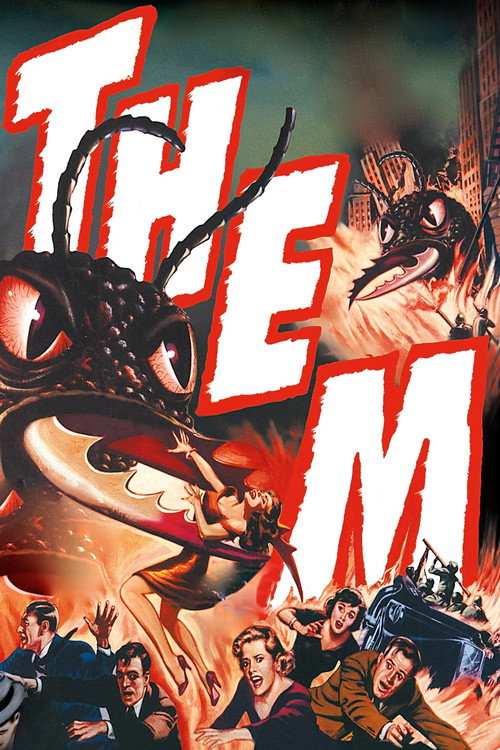
Them!1954
The template for atomic-age creature horror. Giant ants, nuclear paranoia, genuine unease. Treats the threat seriously and lets silence do the work. Influenced everything that followed, including Mantis.
But It's talky—lots of military exposition. The first appearance of the creatures comes very late. Patience required.
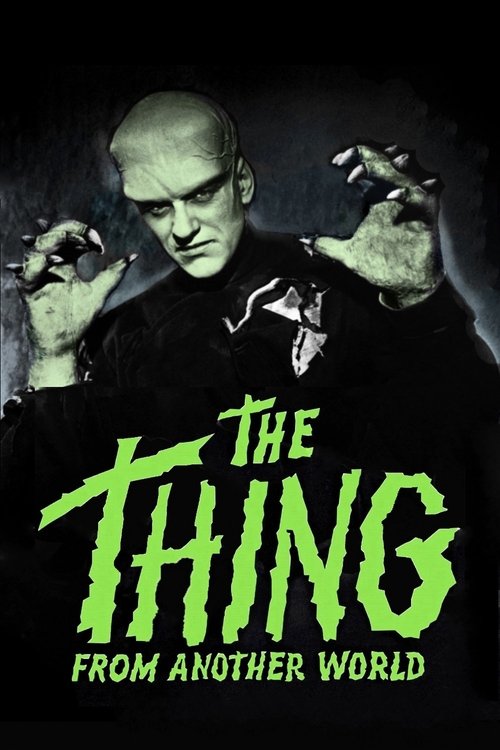
The Thing from Another World1951
Isolated base, unknown threat, military and scientists at odds. Faster-paced than Mantis with real charisma from the cast. Creates claustrophobia even in wide spaces. Hugely influential.
But The monster suit doesn't age brilliantly. Some of the dialogue feels stage-y now. The gender politics are of its time.
Not sure tonight? Get a pick in a minute, starting from The Deadly Mantis
The wildcard
Something you would not have found on your own.
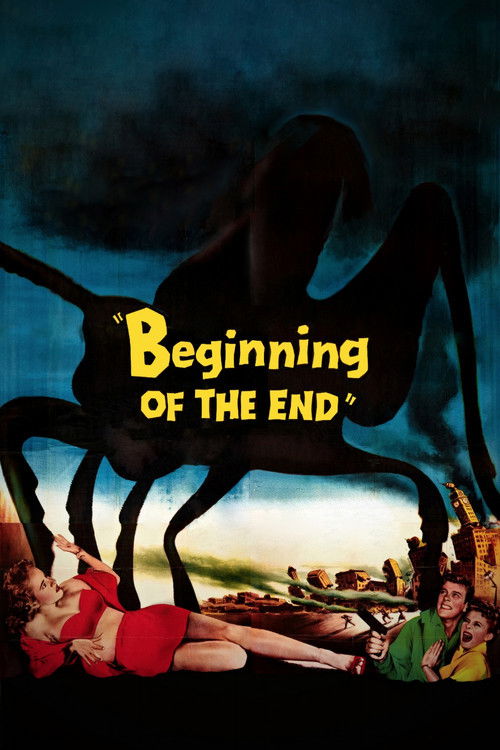
Beginning of the End1957
Both released in 1957, both use creature attacks as metaphor for nuclear anxiety, both pit individual scientists against institutional military solutions. Same year, same studio, same moral architecture.
Giant grasshoppers invade Chicago in this surprisingly thoughtful nuclear-age parable. Real locations, genuine tension, and it actually has something to say about humanity's hubris. Trades mantis claustrophobia for apocalyptic scope.
But The grasshoppers look less convincing than the mantis—they're cyclopean and slightly silly. Pacing drags in the middle. The military response feels repetitive.
More like this (7)
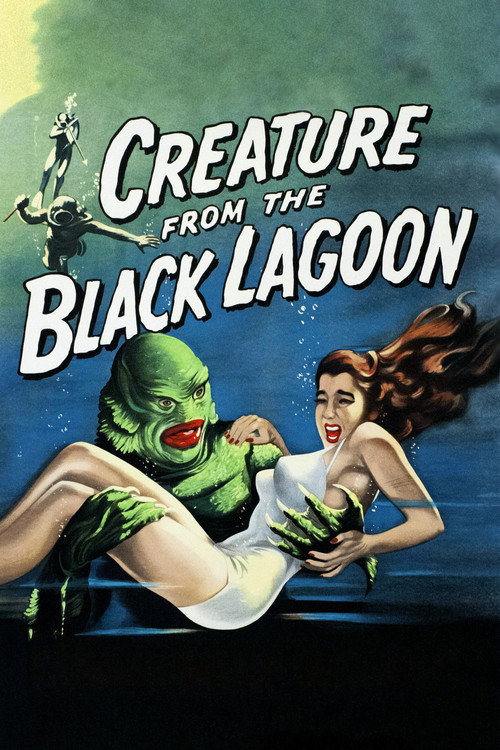
Creature from the Black Lagoon1954
Underwater mystery with genuine suspense and wonderful practical effects. The Creature is sympathetic without being cute. Shot in 3-D but works perfectly flat. Atmospheric and trim at 79 minutes.
But The romance subplot doesn't land. The pacing stumbles in the middle section. The prints that survive aren't pristine.
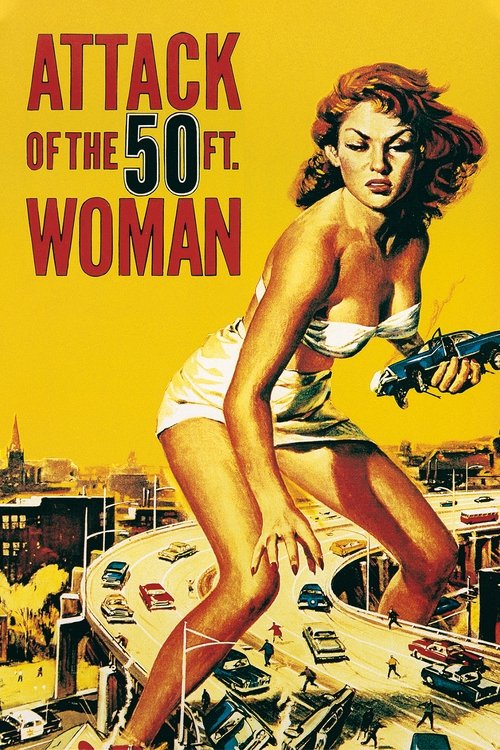
Attack of the 50 Foot Woman1958
Same era, same sensibility, wildly fun. The special effects are transparently cheap but utterly committed. It's absurd and knows it, which makes it more charming than Mantis ever tries to be.
But It's genuinely silly. The plot makes no sense. The acting is... let's call it earnest. Only 65 minutes, and it still feels padded in places.
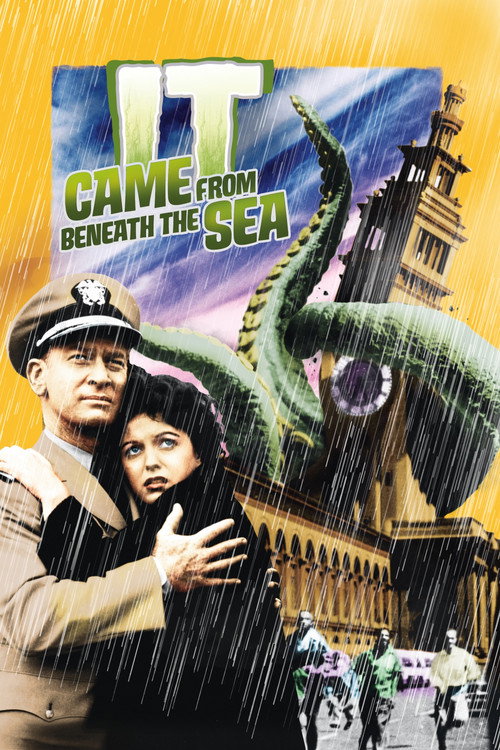
It Came from Beneath the Sea1955
Giant octopus, Golden Gate Bridge, Ray Harryhausen effects that still astound. Brisk, well-cast, treats its premise with absolute seriousness. Harryhausen's work is worth the ticket alone.
But The octopus barely appears until the final act. The romantic subplot feels obligatory. Some prints have been aggressively edited for TV.
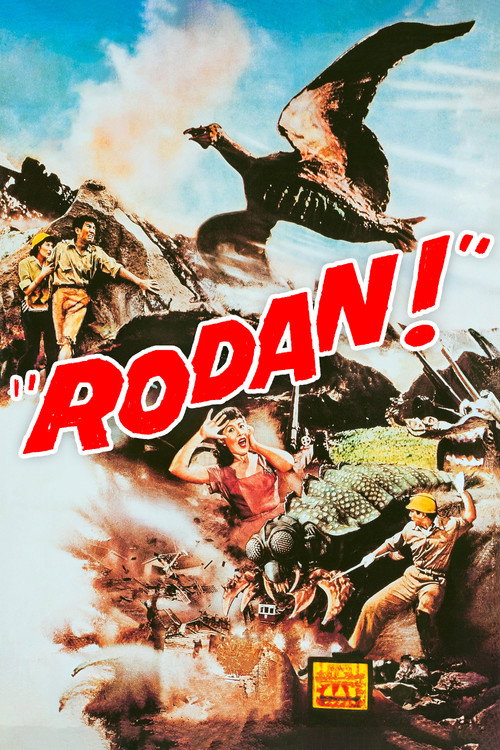
Rodan1956
Japanese creature feature with higher production values than American equivalents. Real scale, genuine destruction, and a melancholy about humanity's place in the world. Gorgeous in black and white.
But The dubbing is distracting for English speakers. It's slower-burn than American B-movies. The science is shakier.
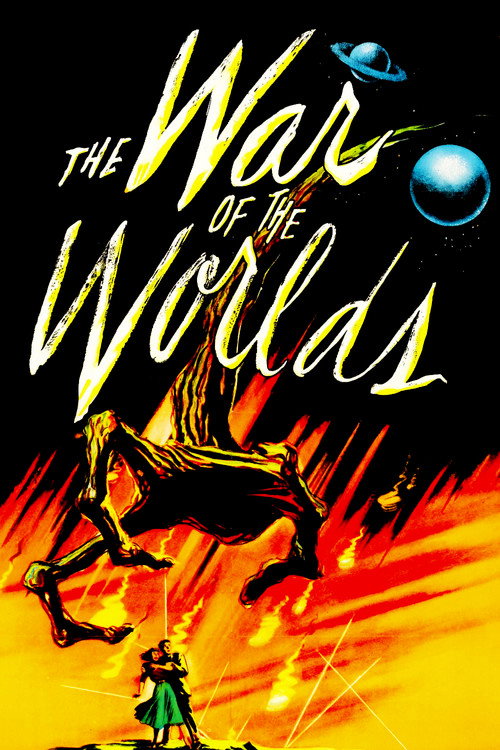
The War of the Worlds1953
Bigger budget, Technicolor, George Pal's imagination. Alien invasion with real stakes and visual flair. The Martian machines are still striking. A step up in ambition from creature-of-the-week fare.
But The religious messaging gets heavy-handed. The romance is poorly integrated. Some effects shots don't hold up, which matters when they're in color.
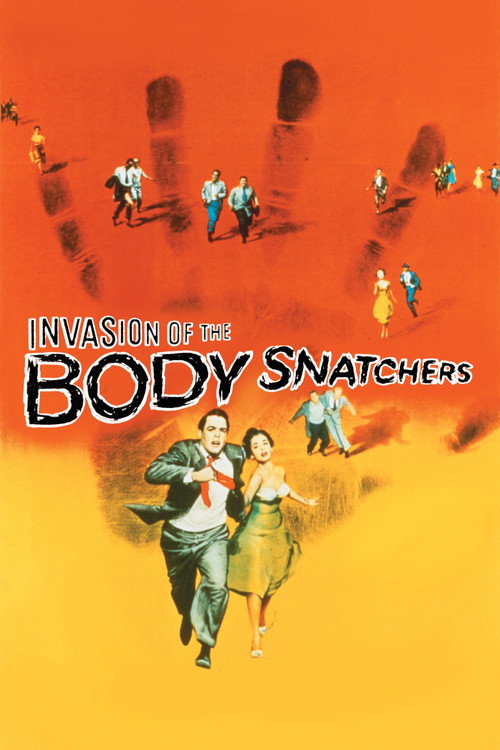
Invasion of the Body Snatchers1956
Both explore what happens when science encounters something beyond protocol. Both pit small groups of competent people against systems that can't respond fast enough. Both ask: who do you trust when the danger is unprecedented?
A different engine for Cold War dread. Paranoia instead of monsters, slow corruption instead of sudden attacks. Kevin McCarthy's desperation feels real. Remains genuinely unsettling because the threat is invisible.
But It's deliberately downbeat and offers no catharsis. The pacing is contemplative rather than thrilling. Some viewers find it slow to a fault.
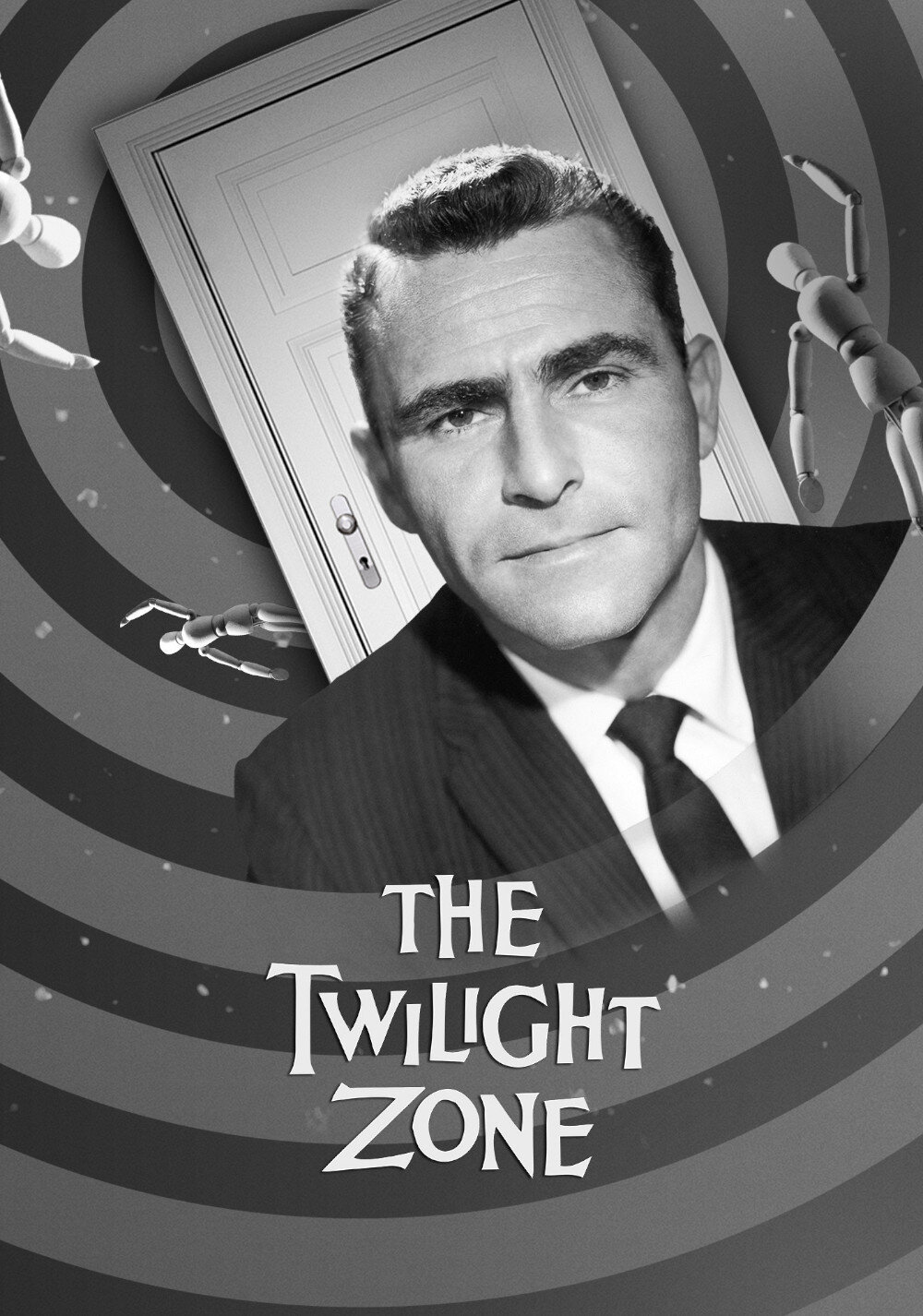
The Twilight Zone1959
Both belong to the same lineage of speculative anxiety wrapped in genre thrills. Both use creature-horror as a vehicle for asking 'what if?' Neither cares if you laugh at the effects—the ideas are the thing. Mantis is live-action pulp; Outer Limits is pulp given room to breathe.
anthology series where every episode is a miniature creature feature—aliens, mutations, impossible technologies. Higher budgets and better writing than fifties B-movies but same DNA. Joseph Stefano's scripts are genuinely clever.
But Wildly uneven—great episodes sit next to terrible ones. Some effects look cheap even by 1963 standards. The music is aggressively heavy-handed. Committing to a full series is work.
People
Cast
 Craig StevensCol. Joe Parkman
 William HopperDr. Nedrick 'Ned' Jackson
 Alix TaltonMarge Blaine
 Donald RandolphGen. Mark Ford
- Florenz AmesProf. Anton Gunther
 Paul SmithCorporal
 Paul CampbellLt. Fred Pizar
 Pat ConwaySgt. Pete Allen
 Phil HarveyLou
- Helen JayMrs. Farley
 Bing RussellState Trooper
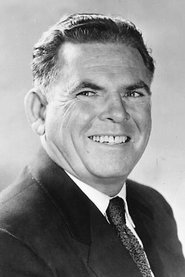 David McMahonCapt. Frank Carver
Directing
- William HollandAssistant Director
- Nathan JuranDirector
Writing
- Martin BerkeleyScreenplay
- William AllandStory
Production
- William AllandProducer
Recommended by
Earth vs. the Spider, The Black Scorpion, Night of the Lepus, Brides of Blood, The Killer Shrews