
Film
Beginning of the End
A 1957 creature feature where radiation-mutated grasshoppers threaten Chicago. It's earnest B-movie sci-fi with real budget constraints and genuine tension despite its central absurdity. Peter Graves brings gravitas to ridiculous circumstances. Perfect for anyone who loves the atomic-age monster movie era, when filmmakers wrestled with Cold War anxiety through giant insects.
Should you watch it?
Watch it if you enjoy 1950s creature features played straight, where the giant-bug menace is taken seriously and the lab-coat science and newsroom-style investigation carry the momentum more than any wink at the camera.
Skip it if you need modern effects or a steady build of dread; the giant grasshoppers are obviously miniatures and optical composites, and the middle stretch leans on talky exposition between the scares.
What it asks of you: At seventy-three minutes it is brisk and unfussy, with a stiff, earnest tone and a plot that moves in quick hops from one briefing to the next rather than lingering on any single mood.
Not sure? Find tonight's pick in a minute.
If you liked this
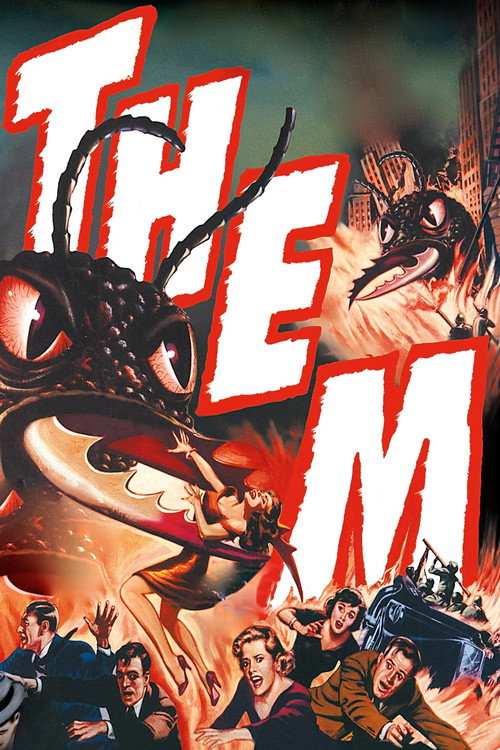
Them!1954
The definitive atomic-monster template: giant ants terrorizing America with actual suspense, fine actors, and a script that treats the premise seriously. Influences everything that follows, including Beginning of the End.
But Black-and-white and deliberately paced; it builds atmosphere over action, so if you want creature chaos from minute one, you'll need patience.
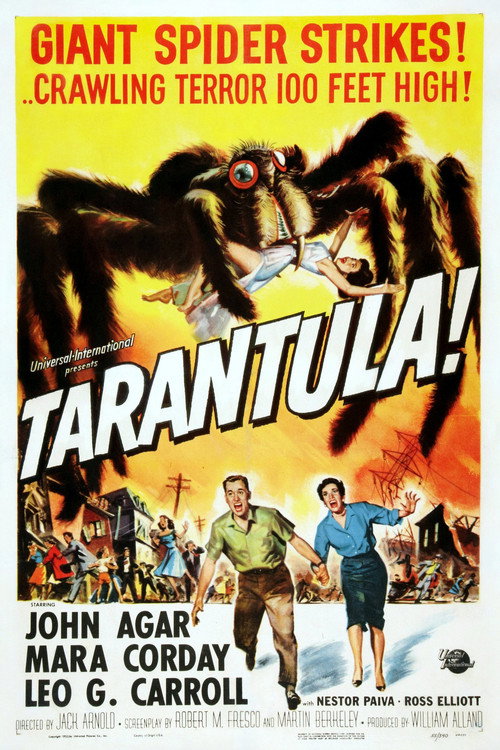
Tarantula1955
John Arnold Jr.'s cosmic spider grows enormous thanks to radiation experiments. It has genuine dread, excellent special effects for the era, and Clint Eastwood in an early role. A taut, elegant creature feature.
But The spider sequences are relatively brief and the middle section drags with romantic subplots that feel obligatory rather than earned.
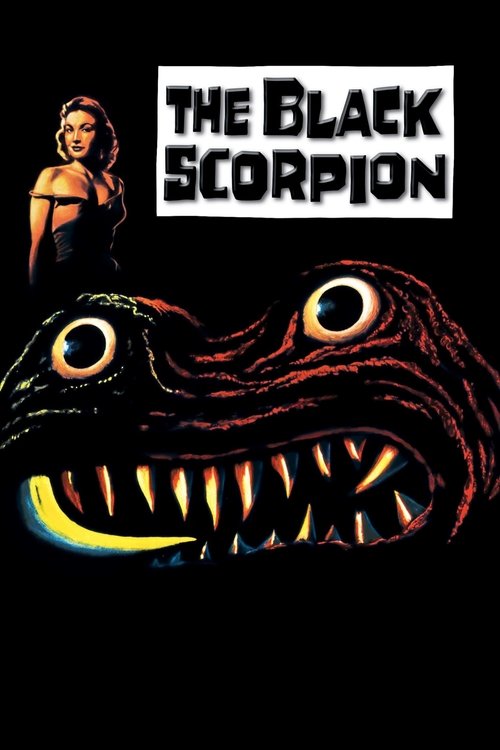
The Black Scorpion1957
Volcanic activity awakens giant scorpions in Mexico. Excellent stop-motion creature effects by Willis O'Brien, real-world locations, and a brisk, unpretentious narrative that never wastes your time.
But The romantic subplot is paint-by-numbers and the dialogue occasionally creaks, but both are mercifully brief.
Not sure tonight? Get a pick in a minute, starting from Beginning of the End
The wildcard
Something you would not have found on your own.
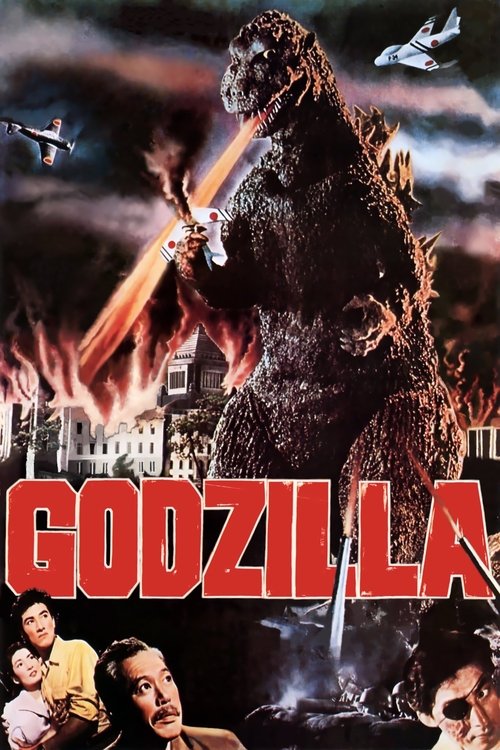
Godzilla1954
Both use radiation-born monsters as embodiments of atomic-age terror, but Godzilla internalizes the horror—it's about trauma and loss—while Beginning of the End keeps it external and solvable. One asks what we've done to the world; the other asks how we stop it.
Japan's response to atomic anxiety: a dinosaur awakened by nuclear testing who flattens Tokyo. It's simultaneously a monster movie and an anti-war parable with genuine tragedy. Kaiju cinema's origin point.
But The original Japanese cut (Godzilla, Odoriferous King of the Monsters) is slow, mournful, and philosophically heavy; it's not the fun monster rampage Western versions imply.
More like this (6)
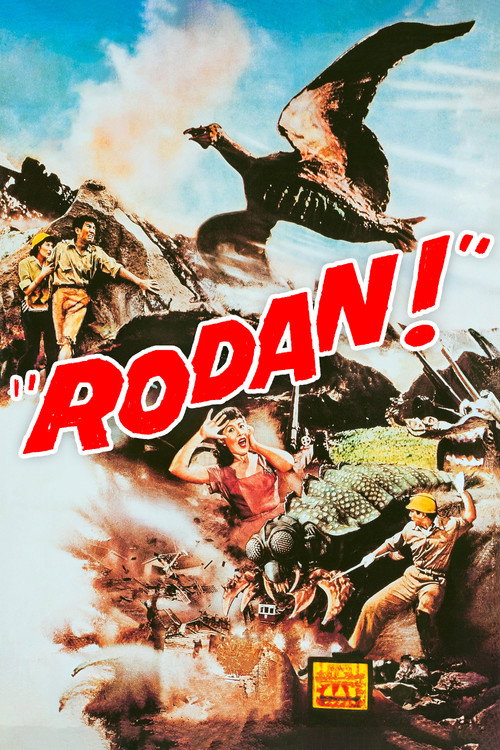
Rodan1956
Toho's flying pteranodon unleashed by mining explosions. Stunning miniature work, colour cinematography, and a sense of scale that makes the creature feel genuinely threatening. The template for how to film a monster movie.
But Subtitled, and the human story is thin; you're watching for the flying monster, and some stretches feel padded.
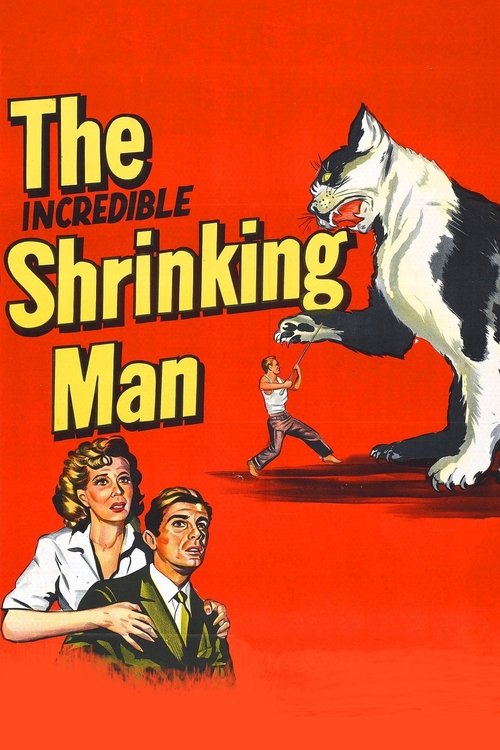
The Incredible Shrinking Man1957
A man exposed to radiation begins shrinking, transforming a domestic home into an alien landscape. Philosophically rich, visually inventive, and genuinely unsettling. Sci-fi with something to say.
But It's more cerebral than visceral; if you're watching for creature spectacle, the real threat is existential dread, which some find tedious.
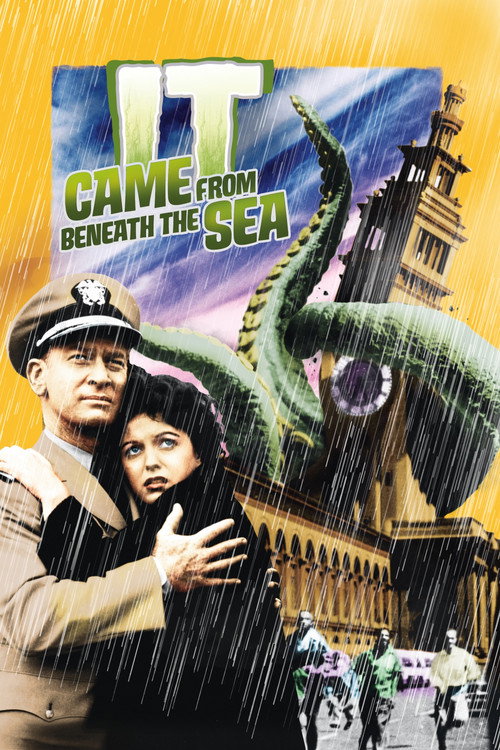
It Came from Beneath the Sea1955
A giant octopus attacks San Francisco after atomic tests disturb its deep-sea habitat. Ray Harryhausen's stop-motion is beautiful, the setting is iconic, and it moves with real pace and purpose.
But The octopus only shows up in brief sequences; the film is mostly scientists talking, and the romantic subplot is entirely functional.
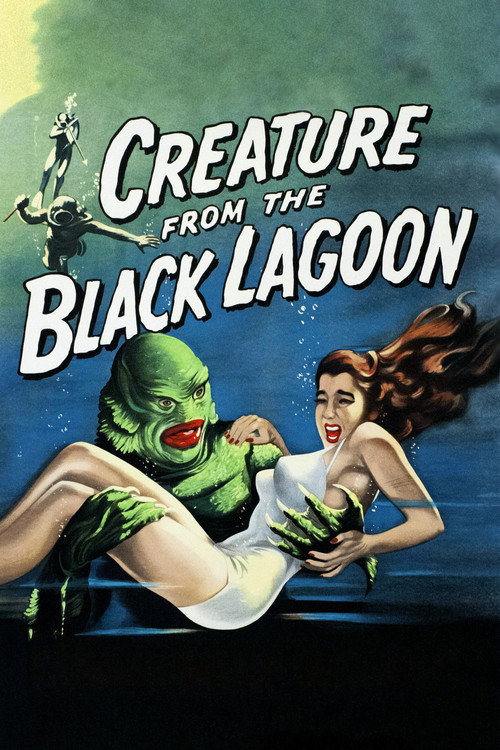
Creature from the Black Lagoon1954
A fossilized amphibian man is discovered in the Amazon. Atmospheric, well-shot in Technicolor, and the creature design is genuinely unsettling. A proto-slasher with style and mood.
But The pacing is slow, the dialogue is earnest to the point of stiffness, and it trades in some uncomfortable period attitudes about indigenous peoples.
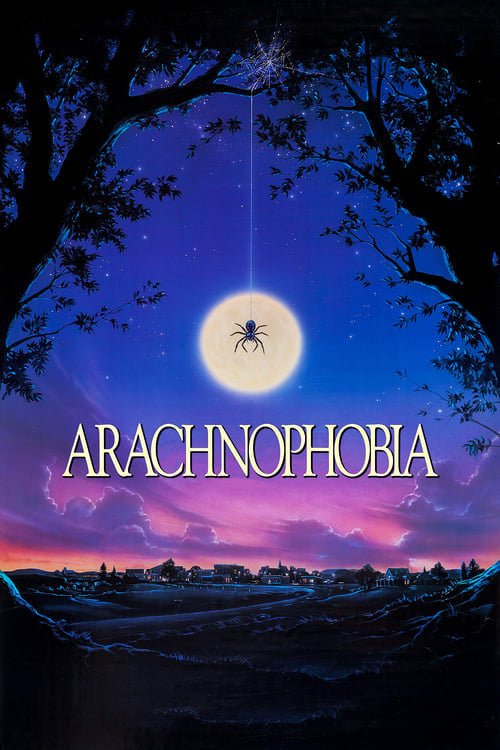
Arachnophobia1990
Both films ground their impossible premise in small-town American reality and treat bureaucratic incompetence as part of the problem. Where Beginning of the End has government scientists, Arachnophobia has insurance companies and stubborn neighbors. Same equation, thirty-three years later.
A seemingly ordinary thriller about a deadly spider infestation in a California town. Funny, clever, and genuinely suspenseful. It proves the creature-feature formula still works in the modern era if you execute it well.
But The comedy might undercut the threat for purists; it's a hybrid that fully commits to neither genre, which some find unsatisfying.
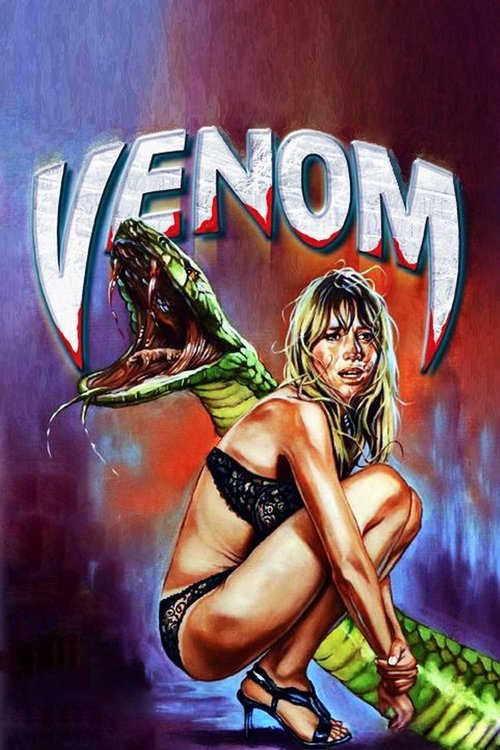
Venom1981
Both are essentially procedurals: scientists and officials trying to contain or eliminate a creature threat while it causes havoc in the background. Venom inverts it—the creature is real and small, not mythical and enormous—but the structure is identical. Both ask: who solves this, and why do they keep failing?
A black mamba escapes in a London townhouse during a hostage siege. It's a confined-space thriller with genuine craft—real tension, clever cinematography, and an exceptional cast (Klaus Kinski, Sterling Hayden, Stirling Moss). A prestige creature feature.
But It's slow and dialogue-heavy; if you want action, this is chamber drama with a snake. The snake doesn't appear often and the pacing demands patience.
People
Cast
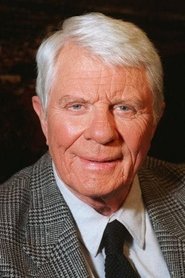 Peter GravesDr. Ed Wainwright
 Peggie CastleAudrey Aimes
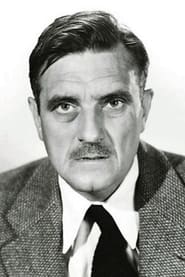 Morris AnkrumGen. John Hanson
 Than WyennFrank Johnson
 Thomas Browne HenryCol. Tom Sturgeon
 Richard BenedictCpl. Mathias
 James SeayCapt. James Barton
- John CloseMaj. Everett
 Don C. HarveyState Police Car 254 Officer
 Larry J. BlakeRoadblock Sergeant
 Eilene JanssenWilliam's Date
- Hylton SocherFrank, grainary platoon soldier
Directing
- Melville ShyerAssistant Director
- Bert I. GordonDirector
- Wilson ShyerSecond Assistant Director
Writing
- Fred FreibergerScreenplay
- Lester GornScreenplay
Production
- Bert I. GordonProducer
Recommended by
Tarantula, Tarantulas: The Deadly Cargo, The Wasp Woman, Earth vs. the Spider, Attack of the Crab Monsters, The Deadly Mantis, The Horror of Party Beach