
Film
Pulgasari
A 1986 North Korean monster film where desperate villagers forge a creature to fight their oppressive king. Part kaiju destruction, part peasant rebellion allegory, it's a technically ambitious oddity shot through with propaganda. Fascinating as both cinema and cultural artifact—a window into an era and place few films come from.
Should you watch it?
Watch it if you love creature features where the monster is a political argument as much as a set piece, and you don't mind earnest, lumbering storytelling with rubbery old-school effects.
Skip it if you want a tight, scary creature film; this one is heavy on hardship and sermonising, its monster is more symbol than shock, and the pacing sags.
What it asks of you: Expect a slow build through hunger and royal decrees before the creature gets going, and a sincere tone that never winks at its own absurdity.
Not sure? Find tonight's pick in a minute.
If you liked this
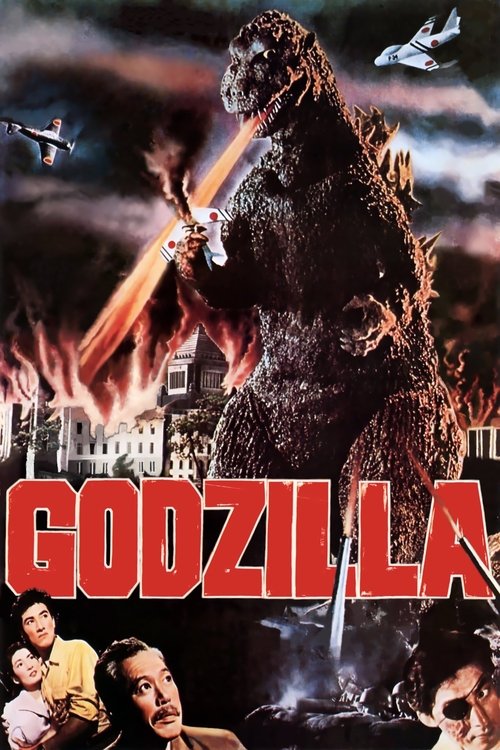
Godzilla1954
The foundational kaiju film that Pulgasari echoes: a creature born from catastrophe, symbolizing national trauma, rendered through practical effects that still astonish. Essential cinema.
But Black-and-white and slow by modern standards. The political subtext is subtle where Pulgasari wears its message openly.
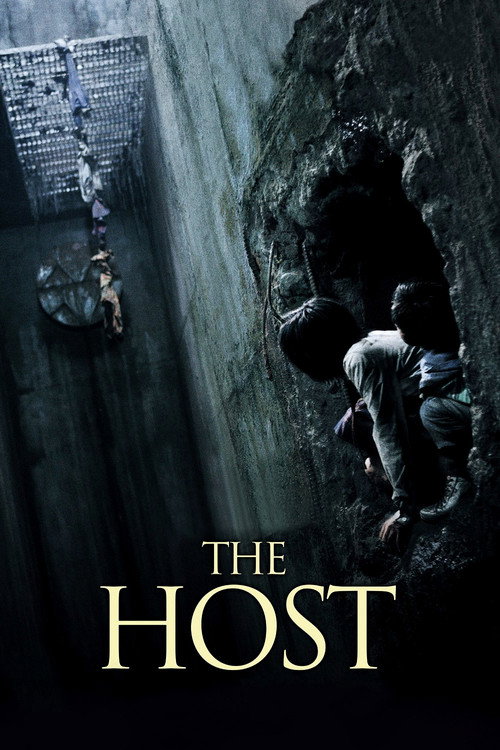
The Host2006
A Korean monster film equally invested in family survival and class rage. Stylish, darkly funny, and genuinely frightening—it proves the template can yield something thrilling without losing its edge.
But Tonal shifts between comedy and horror might feel jarring. The protagonist's incompetence is deliberate, which some find tiresome.
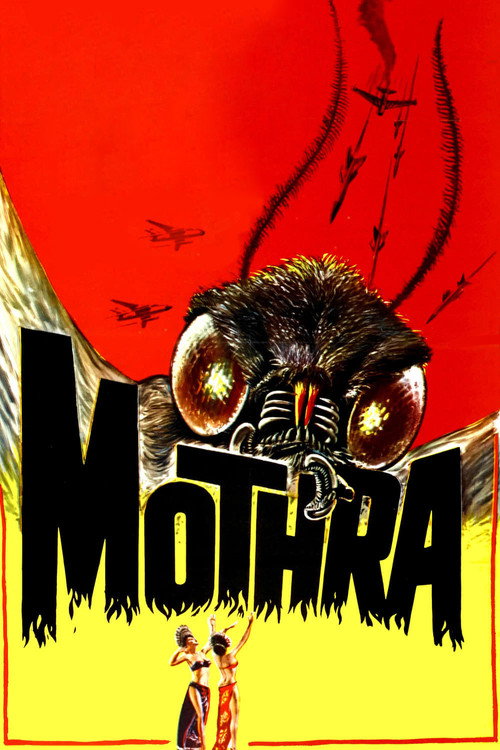
Mothra1961
Another Toho kaiju that's part spectacle, part parable—here about humanity's arrogance and nature's vengeance. Gorgeous miniatures and a genuinely eerie, operatic tone.
But The pacing is unhurried. Twin-sister fairies singing throughout may test your patience.
Not sure tonight? Get a pick in a minute, starting from Pulgasari
The wildcard
Something you would not have found on your own.
The 10th Victim1965
Both use a fantastic creature/system as direct allegory for state control and popular revolt—but where Pulgasari is earnest propaganda, this is avant-garde satire of the same impulse.
Italian sci-fi where institutionalized murder becomes entertainment and social control. Visually wild, morally audacious, and utterly unlike anything else: a film that argues violence as state policy in couture and color.
But Conceptual sci-fi from an era suspicious of explanation. The politics are oblique rather than explicit, and the pacing is mannered.

More like this (7)
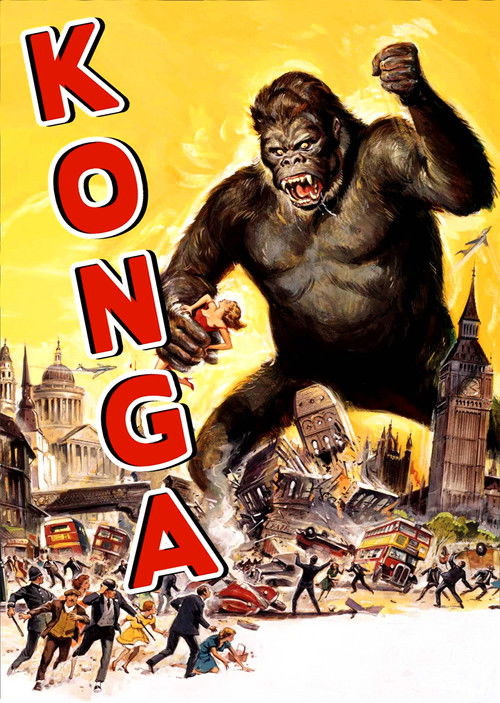
Konga1961
A scrappy British monster movie where a mad scientist grows a giant ape in his lab. Cheap and cheerful, with genuine imaginative spark and practical creature work that's endearingly rough.
But The effects don't always hold up, and the plotting is thin. It knows it's b-movie material.
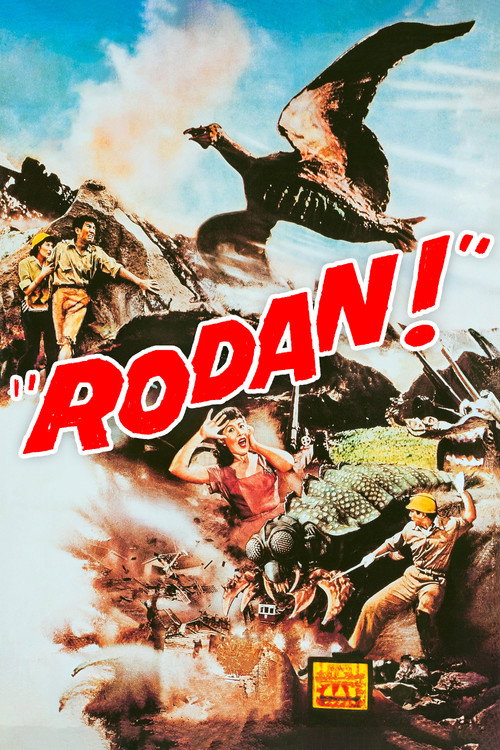
Rodan1956
A flying kaiju born from mine collapse—a meditation on industrial catastrophe wrapped in an exciting monster-battle spectacle. Toho's visual language at its most dynamic.
But Slow build-up to action. The human drama is earnest and understated, not exciting.
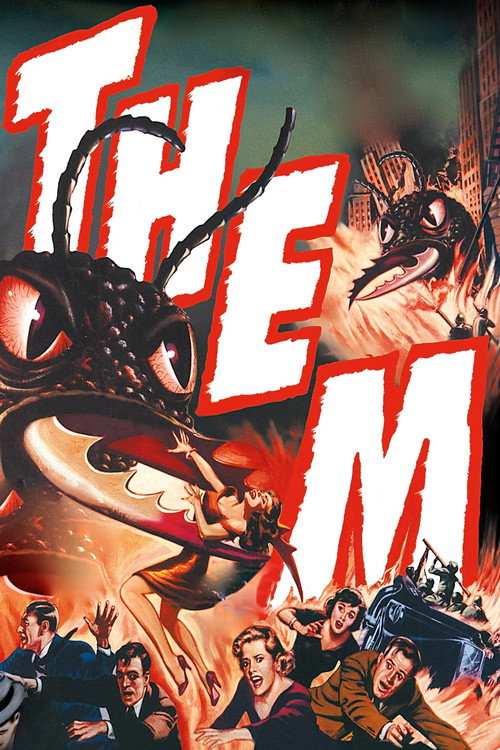
Them!1954
Giant ants emerge from atomic testing in the desert. An A-picture creature feature with genuine suspense, strong science fiction premise, and real tension between characters.
But A 1950s military procedural structure means bureaucracy and explanation over spectacle. The ants themselves are rarely fully visible.
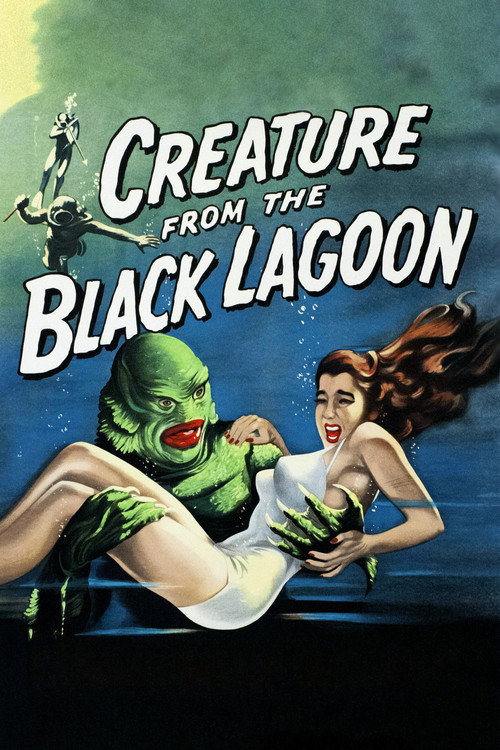
Creature from the Black Lagoon1954
A gill-man emerges from primordial jungle—Gothic, atmospheric, and genuinely unsettling in a way that transcends its era. Simple but perfectly executed.
But Minimal plot. The creature is sympathetic in a way that undermines tension. It's very much a film of its era regarding women.
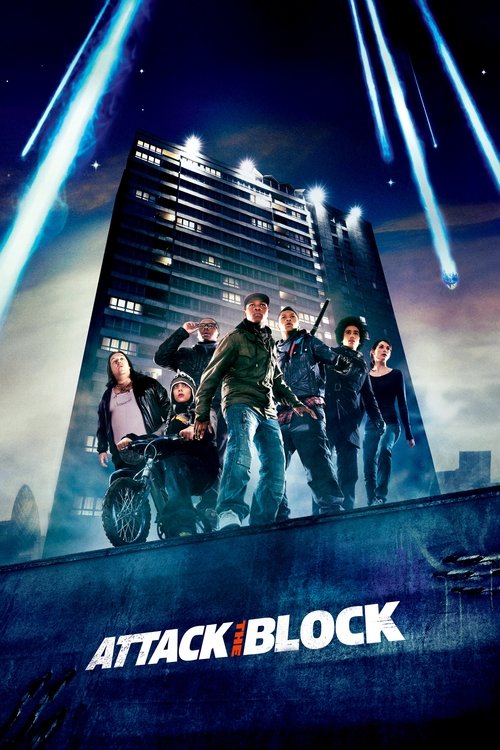
Attack the Block2011
London kids defend their housing estate from alien creatures. Fast, funny, political without preaching, and genuinely inventive with its low budget. A total blast.
But Thick South London accents may require subtitles. The tone mixes comedy and violence in ways that won't land for everyone.
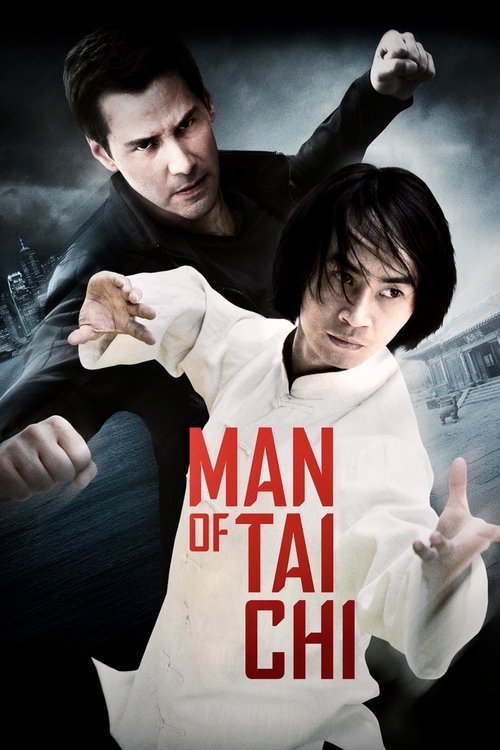
Man of Tai Chi2013
Both feature ordinary people weaponized by elites against themselves—here the masses as gladiators rather than monster-makers, but the same equation of desperation and rage.
Keanu Reeves directs and plays a wealthy villain who runs underground martial-arts death tournaments. A B-picture elevated by genuine action craft and Reeves' sudden villainy—pulp with unexpected depth.
But The plot is straightforward to the point of thinness. Action over character, and the dialogue is functional.
Come and See1985
Released the same year as Pulgasari and equally aligned with state ideology, but inverted: where Pulgasari makes rebellion heroic, this annihilates the romance of sacrifice, showing what the monster—and the system—actually costs.
A Soviet film following a boy recruited into a partisan militia during WWII. Visually apocalyptic, morally unsparing, and utterly devastating—a masterwork that fuses spectacle with genuine horror at what war does to the young.
But Brutally dark and often hard to watch. Extended scenes of violence and suffering are not cathartic—they're meant to wound. Not an escape.

People
Cast
- Ham Gi SopInde
- Jong-uk RiAna
- Gwon RiTakse
- Gyong-Ae YuInde's Mother
- Hye-chol RoInde's Brother
- Riyonun RiGeneral Fuan
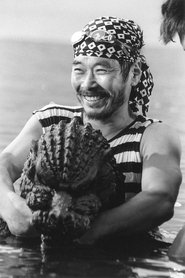 Kenpachirō SatsumaPulgasari
 Masao FukazawaJuvenile Pulgasari
Directing
- Chong Gon JoDirector
- Shin Sang-okDirector
Writing
- Kim Se-RyunScreenplay
Production
- Kim Jong-ilExecutive Producer
- Shin Sang-okProducer
- Takeshi MiyanishiProducer
Recommended by
Gamera: The Guardian of the Universe, Ultraman Tiga & Ultraman Dyna: Warriors of the Star of Light