
Film
U-Carmen eKhayelitsha
A South African reimagining of Bizet's Carmen, transplanted from 1870s Seville to contemporary Khayelitsha township. The opera's music drives a story of desire, violence, and independence set against vivid township life. It's electric and sensual, sung in Xhosa, built for audiences who want their romance dangerous and their drama operatic in every sense.
Should you watch it?
Watch it if you love operatic passion played out on gritty streets, where a familiar romance is reshaped into a township gangster story with music at its heart.
Skip it if you want a tidy, fast-moving crime thriller, since the music and the slow, intense romance take precedence over plot momentum and the tone stays heavy throughout.
What it asks of you: Settle in for a little over two hours, with long stretches of sung scenes and quiet staring that reward patience more than quick cuts.
Not sure? Find tonight's pick in a minute.
If you liked this
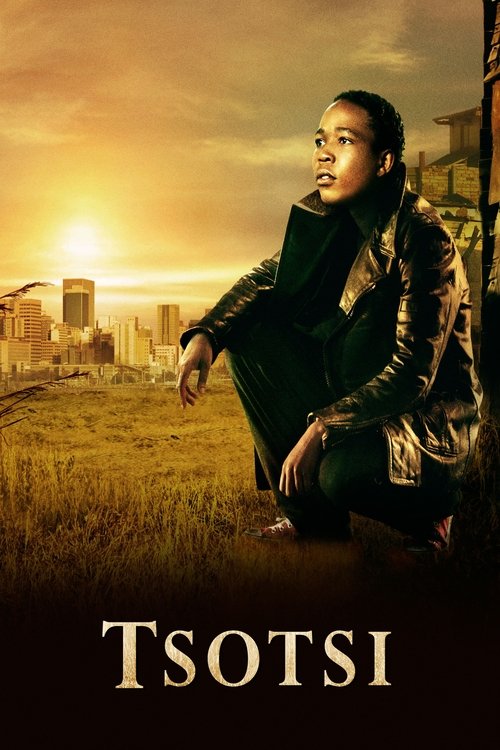
Tsotsi2005
Also set in contemporary South Africa, also grappling with violence, masculinity, and transformation through an almost mythic lens. It has the same urgent township energy and moral complexity, the same refusal to make its world either exploitative or sentimental.
But It's bleaker and less beautiful than U-Carmen—harder to watch in places. The central character's journey demands patience rather than exhilaration.
La Haine1995
Wields township/banlieue life as both backdrop and character. Like U-Carmen, it's visually alive and uncompromising about structural violence and the young men and women caught in it. Black and white cinematography that's almost hypnotic.
But It's a 1990s French film about riot and rage—not musical, not romantic. Some find its formal innovations dated now; others find them essential.

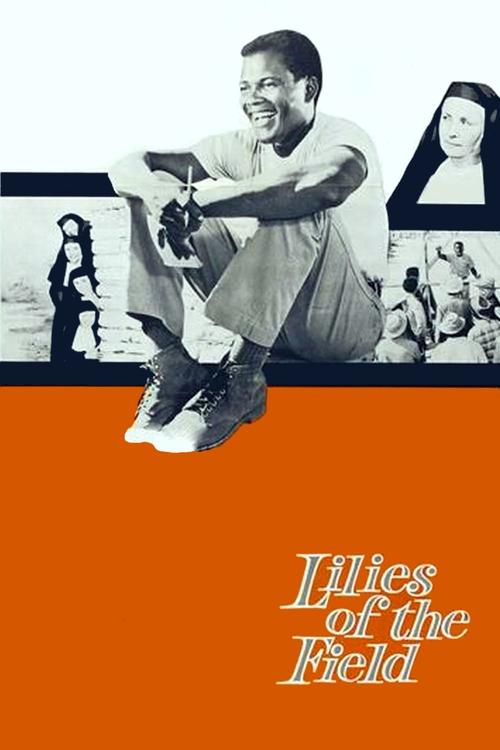
Lilies of the Field1963
A small, warm film about connection across difference. It shares U-Carmen's faith in music as a bridge between worlds, and its refusal to condescend to its characters or setting. Sidney Poitier and a choir of nuns singing together.
But It's quiet and gentle by design. If you're watching for intensity and danger, you'll find gentleness instead—which some will experience as evasion.
Not sure tonight? Get a pick in a minute, starting from U-Carmen eKhayelitsha
The wildcard
Something you would not have found on your own.
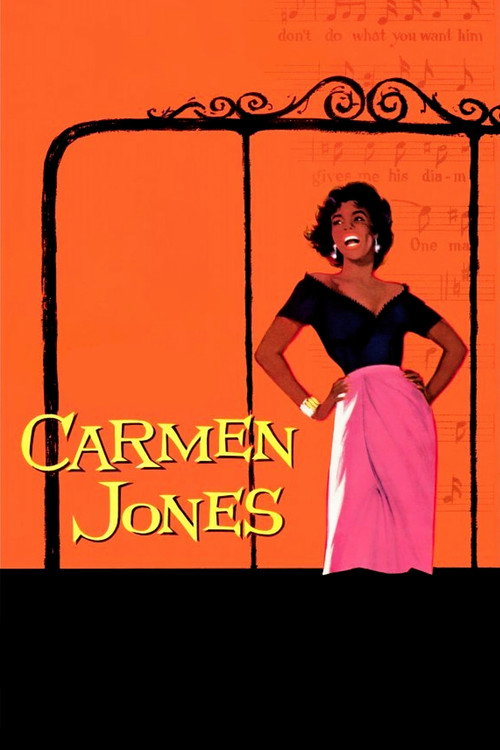
Carmen Jones1954
Both transplant Bizet's Carmen to a contemporary setting outside Europe and recast it with a Black ensemble, arguing that the opera is not a museum piece but a living story about power, desire, and survival that belongs to everyone.
Otto Preminger's film adaptation of the Bizet opera relocated to 1950s America with an all-Black cast and jazz instead of orchestral music. It's a direct ancestor and precursor to U-Carmen's project: proving that this story belongs everywhere and to everyone. Oscar Dandridge's Carmen is magnetic and dangerous, the film visually sophisticated.
But It's in colour but feels of its moment—1950s Hollywood glamour rather than contemporary grit. Some will find the orchestration sweetened compared to Bizet. The production values are glossy where U-Carmen is raw.
More like this (4)
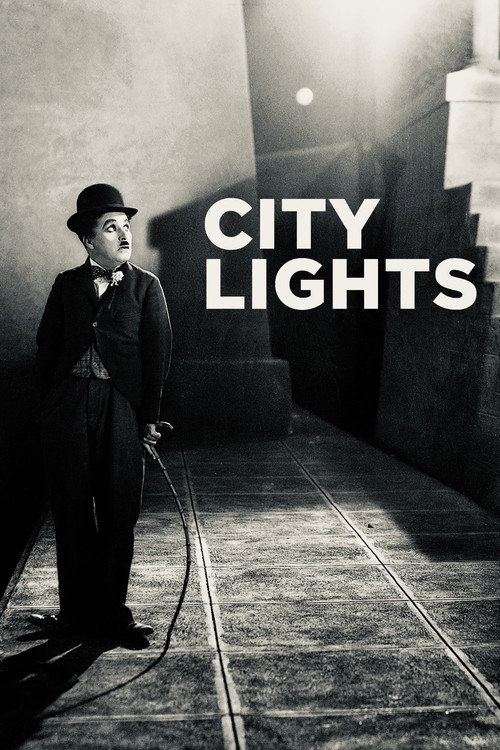
City Lights1931
Chaplin's silent masterpiece works without dialogue and relies on music and movement the way U-Carmen does. Both are essentially about impossible love and sacrifice, both shot through with both comedy and genuine heartbreak.
But It's nearly a century old and silent. The emotional register is different—more sentimental than sensual. Some find that achingly beautiful; others find it dated.
In the Mood for Love2000
Wong Kar-wai's film about two neighbours who discover their spouses are having an affair is all mood and music—desire expressed through colour, costume, movement rather than action. Like U-Carmen, it understands that passion can be almost operatic.
But It's deliberately paced and visual rather than narrative-driven. If you need plot momentum, the film's luxurious slowness may feel like stasis.

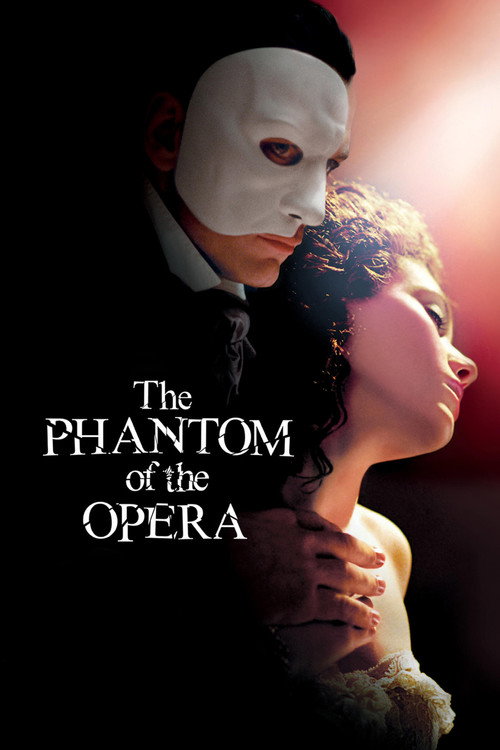
The Phantom of the Opera2004
Joel Schumacher's operatic melodrama (from the stage musical) shares U-Carmen's commitment to music as the engine of the story and its willingness to make desire transgressive and dangerous. Both are unashamed about their own intensity.
But It's a big, expensive, somewhat campy period piece. Many find it overwrought; the film itself seems to know this and leans in anyway.
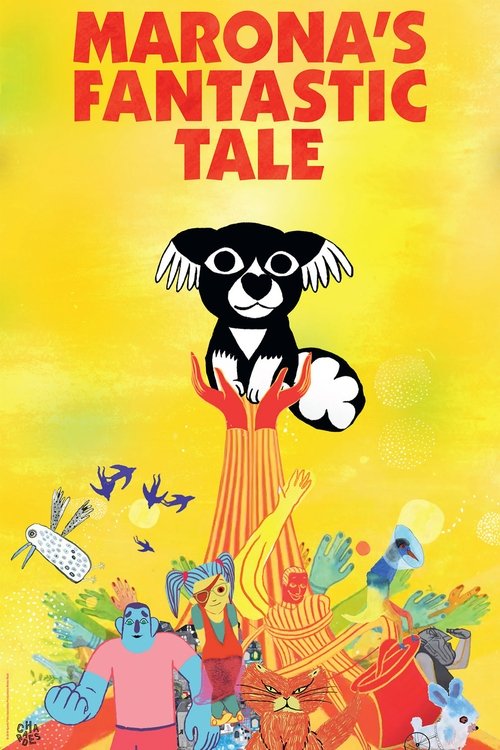
Marona's Fantastic Tale2020
An animated film told from a dog's perspective about love and loyalty. It sounds slight but is genuinely moving, shot through with the same sense of music as emotional truth. Different form, same heart.
But It's animated, which some viewers reflexively discount as insufficient for serious feeling. The narrative is also episodic and dreamlike rather than conventionally structured.
People
Cast
- Pauline MalefaneCarmen
- Andile TshoniJongikhaya
- Lungelwa BlouNomakhaya
- Zweilungile SidloyiLulamile Nkomo
- Andries MbaliBra Nkomo
- Zamile GantanaCaptain Gantana
- Andiswa KedamaAmanda
- Ruby MthethwaPinki
- Noluthando BoqwanaManelisa
- Ross GarlandPoliceman
Directing
- Mark Dornford-MayDirector
Writing
- Prosper MériméeNovel
- Henri MeilhacOpera
- Ludovic HalévyOpera
- Andiswa KedamaWriter
- Mark Dornford-MayWriter
- Pauline MalefaneWriter
Production
- Ross GarlandExecutive Producer
- Mark Dornford-MayProducer
- Ross GarlandProducer