
Film
Bab El Oued City
Set in Algiers in 1989, this Algerian comedy-drama follows a baker's small act of rebellion—stealing the mosque loudspeaker that's ruined his sleep—which spirals into a neighbourhood power struggle between secular and Islamist forces. It's sharp, funny, and politically alive, using humour as a weapon against absurdity and fear. For anyone drawn to cinema that talks back to ideology while staying human.
If you liked this
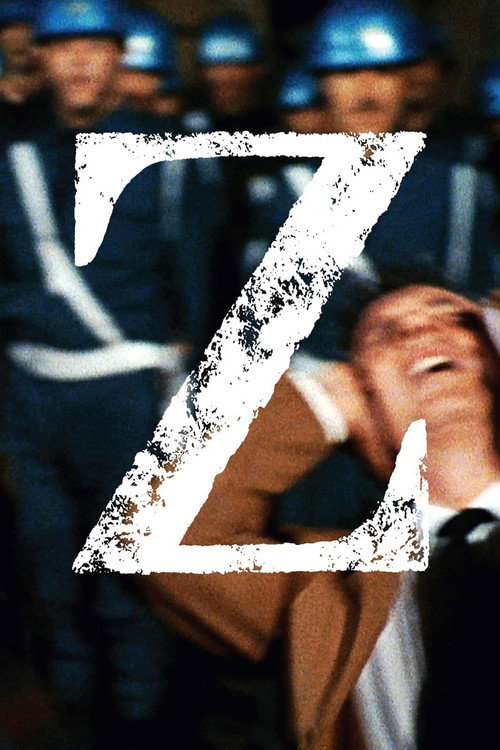
Z1969
Costa-Gavras's masterpiece about political conspiracy and state violence. Like Bab El Oued City, it uses thriller momentum to examine how ideology poisons neighbourhoods and institutions from within.
But The 1960s filmmaking style and political context require some patience; it can feel didactic to modern viewers unfamiliar with Greek history.
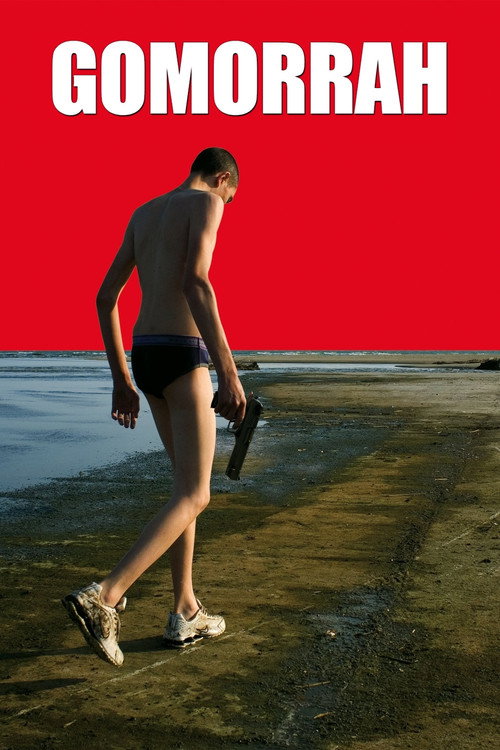
Gomorrah2008
Matteo Garrone's unflinching look at Naples under organized crime rule. Both films show how power operates through fear in tight urban spaces, told with dark humour and refusal to simplify.
But It's considerably grimmer and more violent; the tone is despair rather than satirical edge.
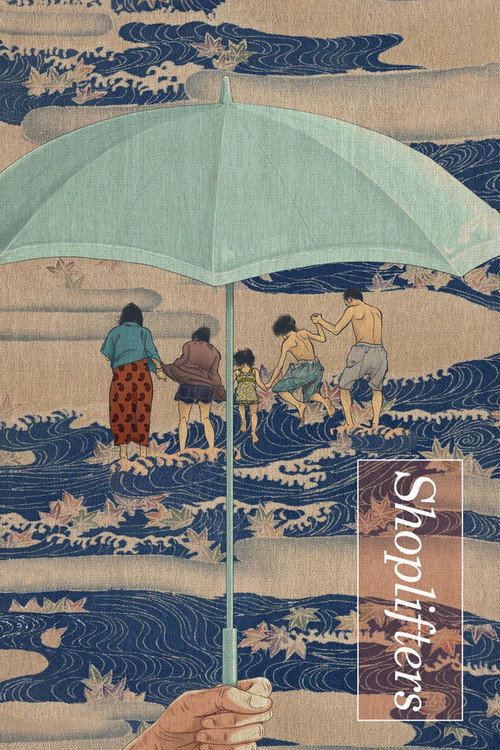
Shoplifters2018
Hirokazu Kore-eda examines how people survive within systems that exclude them, with comedy emerging from genuine affection between characters. The same balance of warmth and social critique as Bab El Oued City.
But It's paced slowly and relies on small domestic moments rather than narrative momentum.
Not sure tonight? Get a pick in a minute, starting from Bab El Oued City
The wildcard
Something you would not have found on your own.
Yes we can2012
Both capture the same moment in Algerian history and the same impulse—young people refusing to be erased or flattened by ideology.
Khaled Yacine's documentary about Algerian youth activism. Non-fiction, but with the same eye for how young people use humour and small rebellions against systems trying to control them.
But Documentary form means less narrative structure; it requires investment in understanding Algerian politics directly.
More like this (7)
The Battle of Algiers1966
Pontecorvo's essential document of the Algerian War. Essential context for understanding what Bab El Oued City is responding to—the same city, the same struggle, told with documentary urgency.
But It's an intense political film about violence and counter-violence; some find the style cold despite its power.

A Prophet2009
Jacques Audiard's brutal story of a man's rise in prison, showing how ideology and power reshape identity in confined spaces. The same theme of personal integrity against systemic pressure.
But Prison violence is depicted graphically; it's longer and morally darker than Bab El Oued City.

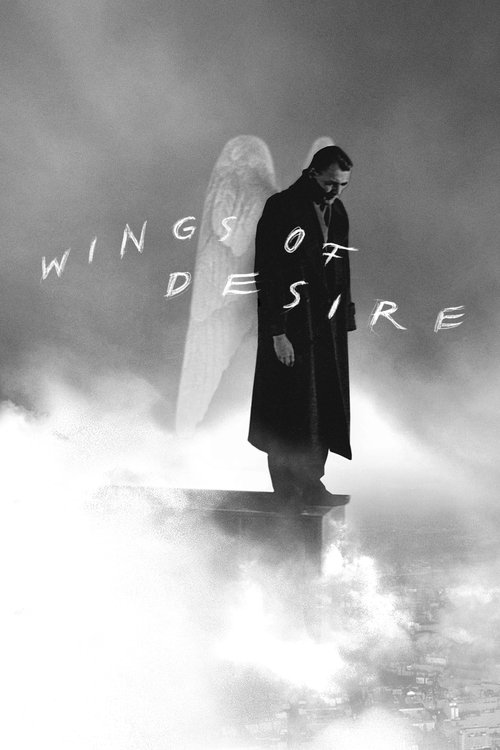
Wings of Desire1987
Wim Wenders' meditation on Berlin divided by ideology. Like Bab El Oued City, it's poetry about how politics invades daily life and the yearning for freedom underneath.
But It's dreamy and philosophical rather than sharp; some find it self-indulgent or slow.
Stalker1979
Tarkovsky's slow examination of desire, ideology, and the state. Both films suggest that individual choice becomes impossible under systems that claim to know what's best for you.
But It's glacially paced and requires absolute concentration; nearly three hours of almost no plot.

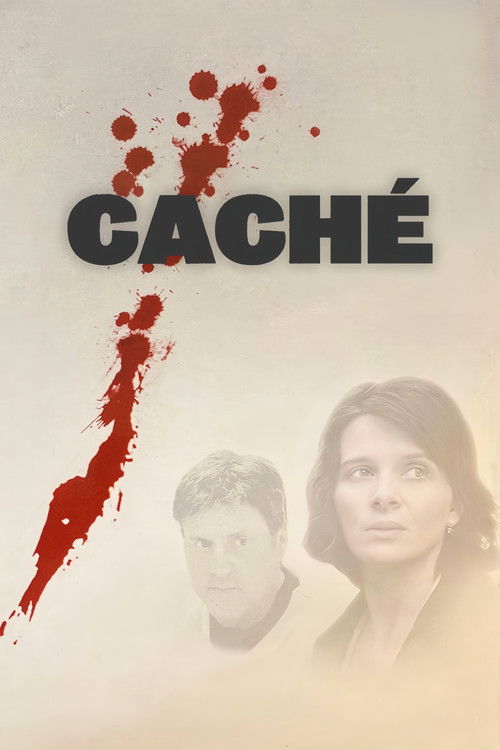
Caché2005
Michael Haneke's thriller about middle-class Parisians haunted by colonial guilt. Uses everyday suspense to ask who deserves safety and who gets to forget the past.
But It's deliberately frustrating and offers no catharsis; the ending may feel like a cheat.
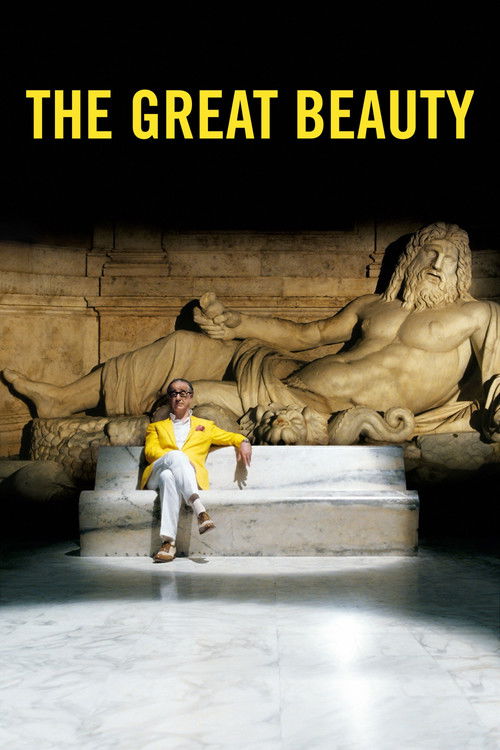
The Great Beauty2013
Paolo Sorrentino's Rome is decadent, corrupt, and beautiful—a system that corrupts everyone inside it. Like Bab El Oued City, it finds dark comedy in the gap between ideals and reality.
But It's visually intoxicating but narratively slight; the style can overwhelm the substance.
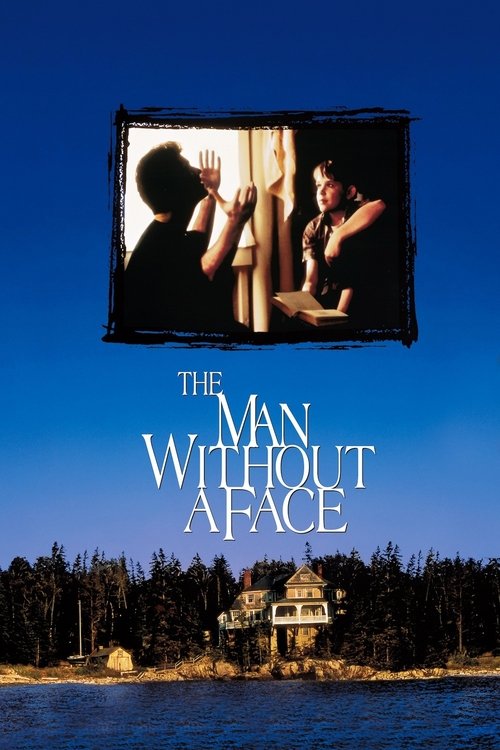
The Man Without a Face1993
Both use intimacy and humour as resistance to the paranoia that ideology creates. The personal remains real even when systems demand it shouldn't.
Mel Gibson's quiet film about a recluse and a boy, set in rural America. Completely different world, but the same theme: how proximity and genuine connection survive when society demands suspicion and distance.
But It's sentimental and slow; the pairing with Gibson's later reputation gives it uncomfortable weight.
People
Cast
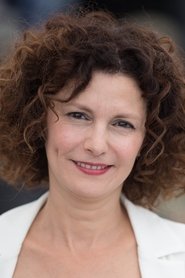 Nadia KaciYamina
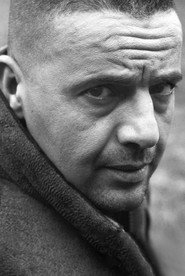 Mohamed OurdacheSaid
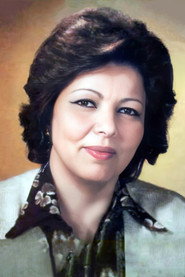 Djohra BacheneLalla Djamila
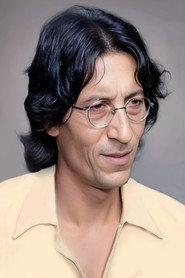 Osmane BechikhLe Postier
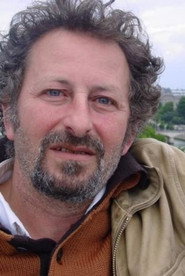 Massoud HattouMess
- Hassan AbidouBoualem
- Mabrouk Ait AmaraMabrouk
- Mourad KhenRachid
- Simone VignoteThe Aunt
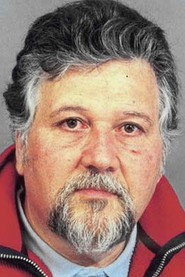 Michel SuchPaulo Gosen
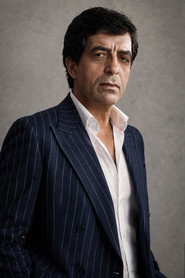 Areski NebtiHassan the baker
Directing
- Merzak AllouacheDirector
Writing
- Merzak AllouacheWriter
Production
- Jacques BidouProducer
- Jean-Pierre GallepeProducer
- Yacine DjadiProducer