
Film
Gerhard Richter Painting
- Slow-burning
Gerhard Richter Painting pulls back the curtain on one of living art's greatest minds at work. Filmmaker Corinna Beltrami captures the 79-year-old master in his Cologne studio, watching him move between abstraction, photorealism, and chance operations with the casual precision of someone who's spent decades interrogating what painting can do. It's meditative, densely intelligent, and surprisingly funny—a film for anyone who wants to understand how art gets made.
If you liked this
Exit Through the Gift Shop2010
Banksy's documentary about street art's commercialization is anarchic and visually thrilling, with genuine mystery at its core. Like Richter, it's obsessed with how meaning gets made and unmade in the art world.
But It's mischievous in ways that some find glib, and the final premise requires you to accept ambiguity about what's actually true.

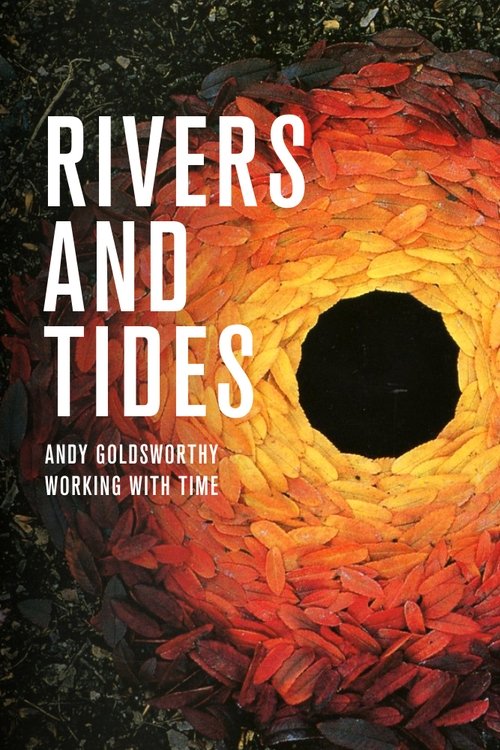
Rivers and Tides2001
Thomas Riedelsheimer captures Goldsworthy's ephemeral installations being made and destroyed, finding philosophy in the act itself. The closest cousin to Richter's studio meditation in spirit and structure.
But Very slow, very quiet. Requires patience with long takes of someone arranging stones and leaves.
The Bigger Picture2014
Filmmaker Marco Wolf documents contemporary art's economics and mythology, with real skepticism. Complements Richter by examining the machinery around the studio rather than inside it.
But Can feel like watching an extended essay rather than a narrative. Some viewers find it dry.
Not sure tonight? Get a pick in a minute, starting from Gerhard Richter Painting
The wildcard
Something you would not have found on your own.
Synecdoche, New York2008
Both are about artists wrestling with scale, representation, and the impossibility of capturing everything. Both suggest that failure is part of the work.
Charlie Kaufman's film about a theater director building an increasingly complex replica of reality inside a warehouse is essentially about the same obsession as Richter Painting: how much can art hold? What gets left out? How does process become the content?
But It's deliberately labyrinthine and offers no purchase for certainty. Many viewers find it exhausting rather than rewarding.

More like this (5)
Searching for Sugar Man2012
Documentary about obsession with a forgotten artist's work and legacy. It's about desire, creation, and what lives on. The emotional inverse of Richter's studio footage.
But More plot-driven than Richter Painting—if you want something equally contemplative, this pivots toward mystery-solving.
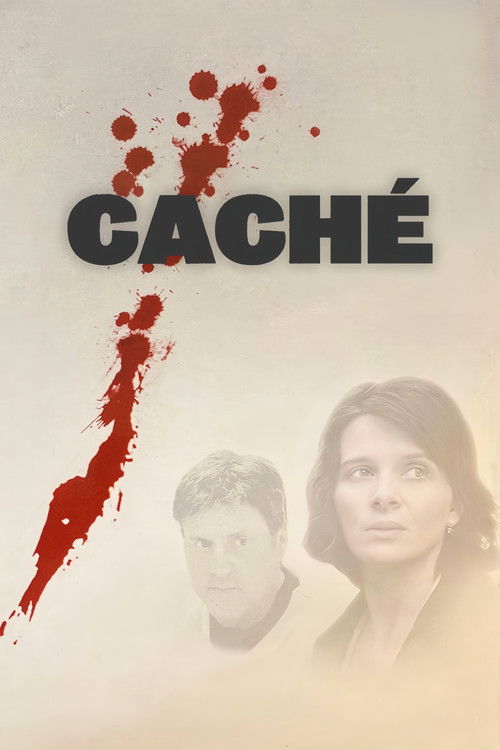
Caché2005
Michael Haneke's film about photographs, surveillance, and what images conceal. Like Richter, it's obsessed with what representation can and cannot show, and what we project onto it.
But Deeply unsettling and deliberately withholding. Not cathartic; it will haunt you uncomfortably.
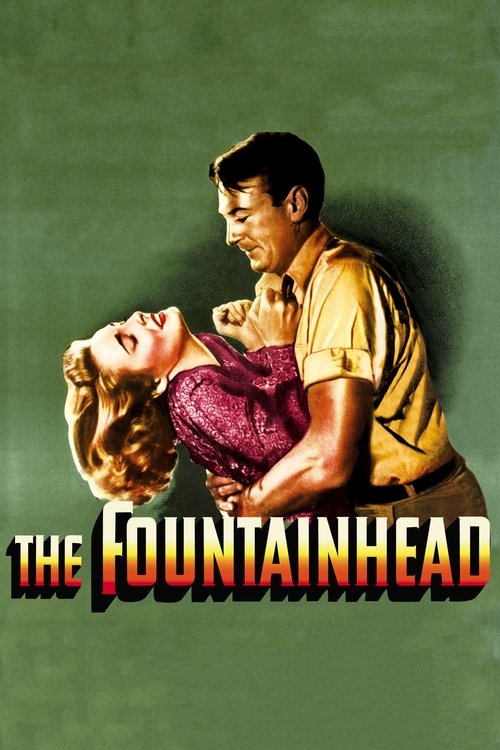
The Fountainhead1949
King Vidor's controversial adaptation of Rand's novel about artistic integrity versus market forces. Richter's career is a real-world answer to the same question the film poses (albeit with less melodrama).
But Ayn Rand's philosophy dates poorly, and the film's earnestness about it can feel dated or tedious now.
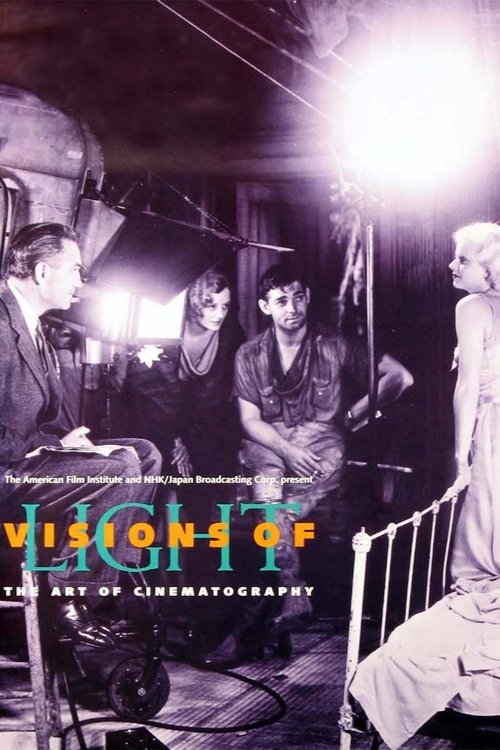
Visions of Light1992
Both films are about how the invisible decisions of a master practitioner shape what appears before us. Both treat technique as philosophy.
A documentary entirely about cinematography—the grammar of how light and shadow make meaning. If you loved watching Richter's decisions in the studio, this applies the same reverence to film technique itself. Hypnotic.
But It's a technical documentary about a technical subject, with no narrative arc. Pure craft contemplation.
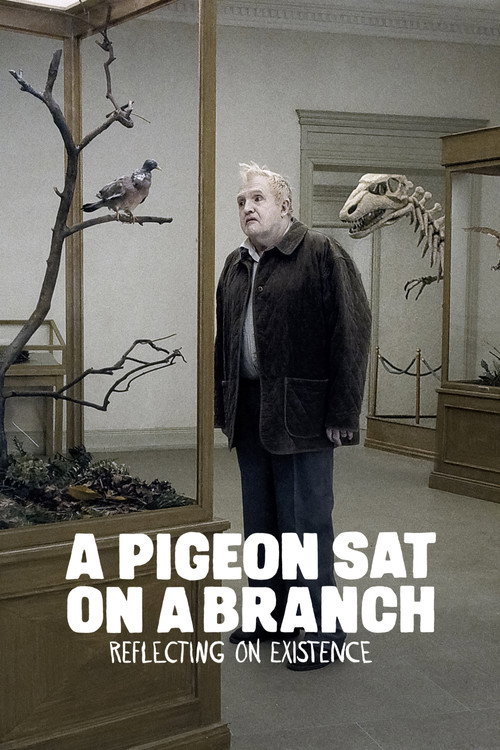
A Pigeon Sat on a Branch Reflecting on Existence2014
Both artists use formal constraint and repetition to excavate philosophical questions. Both refuse sentimentality. Both trust the image over explanation.
Roy Andersson's deadpan Swedish comedy-tragedy uses still frames, recurring images, and repetition to interrogate meaning and mortality. Visual and formal obsession in service of philosophy—the same impulse as Richter, but through absurdist comedy.
But Deliberately peculiar and funny in ways that might feel alienating. Some find it precious or pretentious.
People
Cast
- Gerhard RichterHimself
Directing
- Corinna BelzDirector
Writing
- Corinna BelzWriter
Production
- Tassilo AschauerLine Producer
- Thomas KufusProducer