
Film
Borgman
- Social drama
- Very dark
- Strange
- Slow-burning
Borgman is a Dutch thriller about a scruffy drifter who insinuates himself into a wealthy family's suburban home with unsettling consequences. It's a slow-burn psychological attack that moves like a fever dream, mixing social satire with genuine menace. Director Alex van Warmerdam creates something that feels slightly unreal throughout, never quite settling into genre. For viewers who want discomfort that lingers.
Should you watch it?
Watch it if you like slow-burn films where the unease builds from small, deadpan oddities and you enjoy being left to work out what the story is really about.
Skip it if you need a clear plot and characters you can root for, since almost everyone here is hard to like and the logic stays deliberately unexplained.
What it asks of you: Patience for a shape that circles rather than advances, long held silences, sudden jolts of violence, dark comedy, and nearly two hours of sitting with discomfort.
Not sure? Find tonight's pick in a minute.
If you liked this
A Prophet2009
A masterly portrait of a man's rise through deception and will inside an institution. Like Borgman, it's about someone reshaping their world through cunning, though here the stakes are clearer and the moral questions sharper. Visceral and deeply intelligent.
But It's a French prison drama that runs two and a half hours. The pacing is deliberate, and if you're looking for conventional thriller beats, you won't find them.

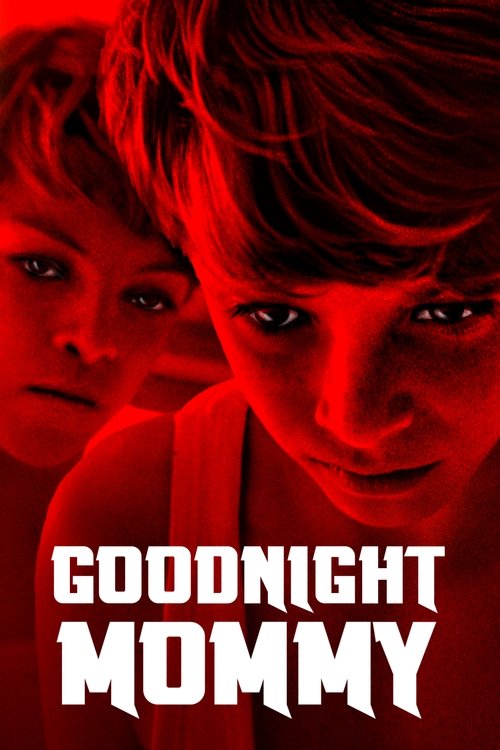
Goodnight Mommy2015
Austrian horror-thriller that worms under your skin the same way Borgman does. A deeply unsettling premise that unfolds in a seemingly ordinary home. It trusts the audience to piece together what's happening, and the third act recontextualizes everything.
But Genuinely disturbing imagery and a reveal that some will find gratuitously bleak. Not for viewers who need their films to provide catharsis.
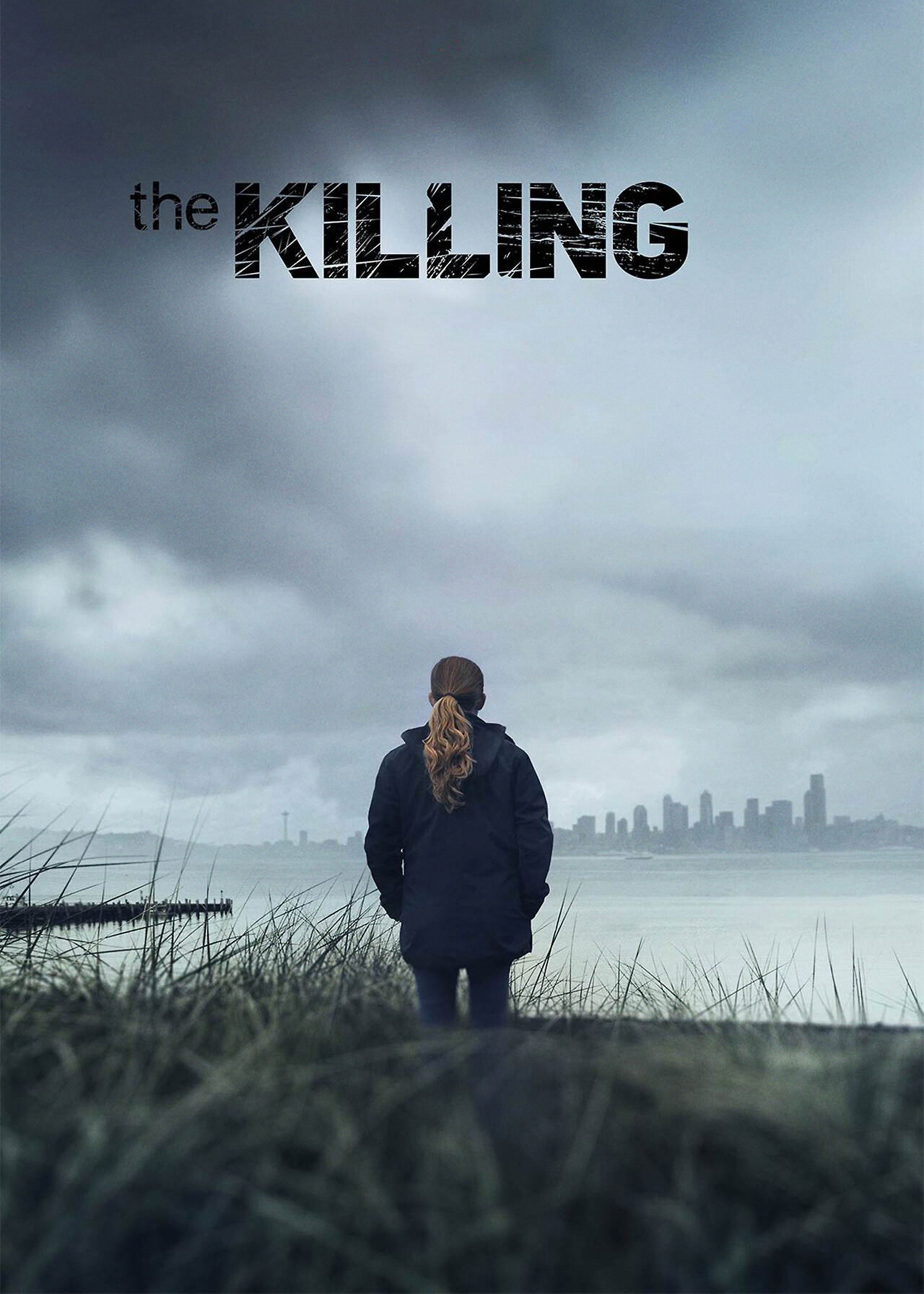
The Killing2011
Danish noir about a murder investigation that becomes an obsessive descent into a community's secrets. Like Borgman, it's about surfaces cracking to reveal corruption beneath. Methodical, hypnotic, and morally murky in ways that feel true.
But The first season is 20 episodes. It moves slowly and deliberately, and some viewers find the repetitive structure exhausting rather than meditative.
Not sure tonight? Get a pick in a minute, starting from Borgman
The wildcard
Something you would not have found on your own.
Come and See1985
Both films use a protagonist's movement through a domestic or bounded space to chart the erosion of moral and psychological safety. Borgman invades the home; Come and See shows the home invaded by history itself. Both are about watching innocence get swallowed.
Elem Klimov's devastating Soviet war film about a boy's descent into hell during WWII. Like Borgman, it's about the corruption of innocence and the violation of safe space, but here the violation is historical and absolute. Genuinely one of cinema's harshest films, and essential.
But It's graphically violent and emotionally devastating. Not a film that leaves you feeling resolved—it leaves you feeling shattered. Some viewers will find it unbearably bleak.

More like this (7)
Funny Games2008
Michael Haneke's remake of his own Austrian thriller. A family terrorized in their home by two young men who toy with them psychologically. It's a mirror to Borgman—both about violation and the dissolution of safety in domestic space, both deliberately provocative.
But It's designed to make you uncomfortable and complicit. Haneke actively dislikes his audience. Some viewers see this as important and others as manipulative.

Kes1970
Ken Loach's British classic about a boy and a wild hawk. Completely different on the surface, but it shares Borgman's eye for class dynamics and how systems crush individuals. Beautifully observed and deeply human in ways that make cruelty sting.
But It's a 1969 film shot in a neorealist style. If you need plot momentum or conventional narrative structure, you might struggle with its quiet, observational approach.

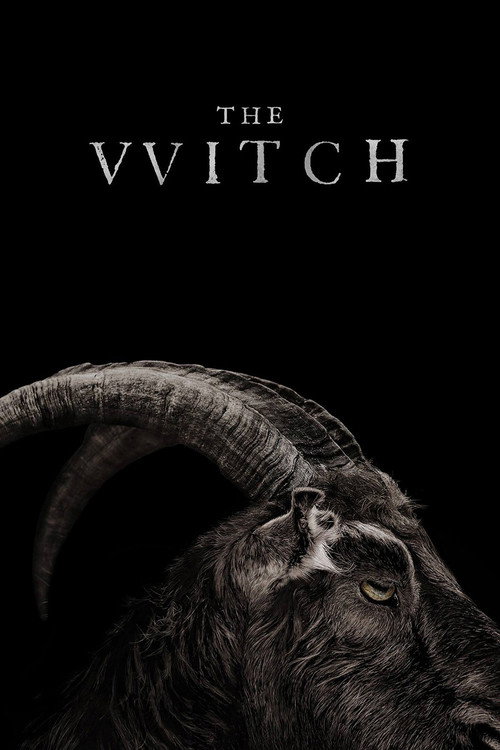
The Witch2016
Robert Eggers' period horror about a family disintegrating under the weight of paranoia and faith. Like Borgman, it's about invasion and corruption from within and without simultaneously. Methodically paced and deeply unsettling.
But The dialogue is period-accurate and sometimes hard to parse. It's more interested in dread than scares, and the ending won't resolve neatly for those seeking closure.
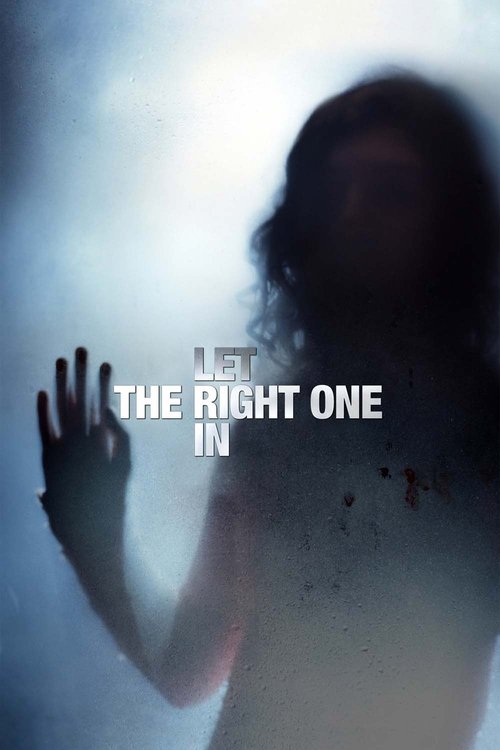
Let the Right One In2008
Swedish vampire film that's intimate and strange. Two outsiders finding connection in a harsh world, but built on an unsettling power dynamic. It shares Borgman's sense that something is very wrong beneath the surface of things.
But It's deliberately slow and relies heavily on mood over incident. The violence, when it comes, is sudden and disturbing rather than kinetic.
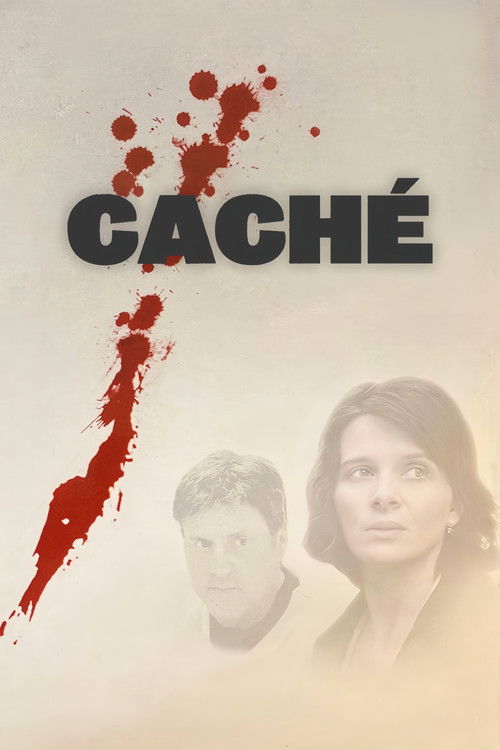
Caché2005
Haneke again—a film about a family stalked by mysterious videotapes that forces them to confront their own complicity and denial. Like Borgman, it's about secrets and class guilt, told with a cool, observational eye. Structurally brilliant and morally complex.
But It's fundamentally ambiguous. The mystery is never solved, and the film's conclusion may feel like it withholds meaning rather than provides it.
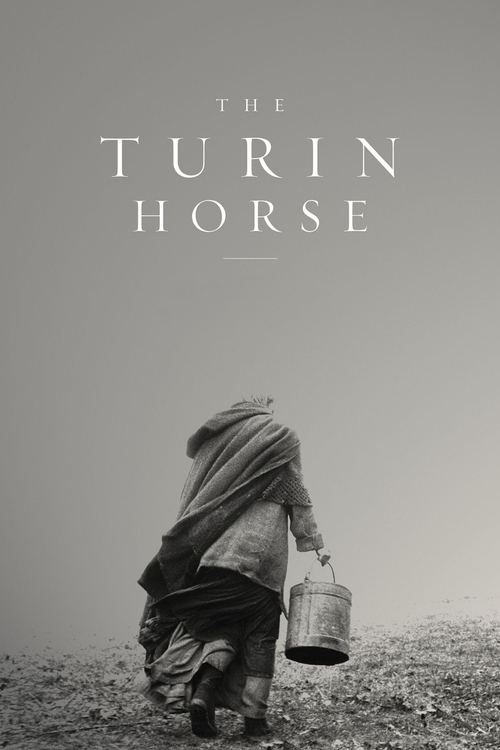
The Turin Horse2011
Both use the home or domestic space as a site where reality becomes unstable. Both are more interested in mood and atmosphere than plot. Both suggest that something larger and incomprehensible is consuming everyday life.
Béla Tarr's final film, a metaphysical nightmare about an old man, his daughter, and a horse in a collapsing world. It's hypnotic and apocalyptic, shot in luminous black and white. Like Borgman, it's about the degradation of comfort and the creeping sense of wrongness that refuses explanation.
But It's a Béla Tarr film. It moves at the pace of a philosophical meditation. If you need conventional narrative or any sense of hope, stay away.
Ghostland2018
Both films weaponize the family home against the viewer's sense of safety. Both are about the home invaded and transformed into something unrecognizable. Where Borgman is subtle and cold, Ghostland is direct and hot—but the violation is the same.
Pascal Laugier's horror-thriller about a woman and her daughters targeted in their home. Fast-paced and visceral where Borgman is glacial, but built on the same fundamental violation—the home as a place of danger. Doesn't let you settle into safety.
But It relies on genre tropes more heavily than Borgman does. The third act is deliberately cruel, and its twist will feel exploitative to some viewers. Violence against women and children is central.

People
Cast
 Jan BijvoetCamiel Borgman
 Hadewych MinisMarina
 Jeroen PercevalRichard
 Alex van WarmerdamLudwig
 Tom DewispelaerePascal
 Sara Hjort DitlevsenStine
- Dirkje van der PijlRebecca
 Annet MalherbeBrenda
 Eva van de WijdevenIlonka
- Elve LijbaartIsolde
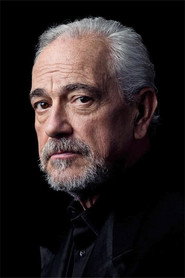 Gene BervoetsGardener
Directing
- Alex van WarmerdamDirector
Writing
- Alex van WarmerdamWriter
Production
- Annet MalherbeCasting Director
- Marc van WarmerdamProducer