
Film
Òlòtūré
- Crime
- Social drama
- Very dark
A Nigerian journalist infiltrates Lagos's human trafficking underworld for an exposé, but the immersion becomes perilously real. Òlòtūré is unflinching about systemic exploitation and the blurred line between observer and participant. It's angry, intimate, and refuses easy catharsis—a film for viewers ready to sit with difficult truths about vulnerability and complicity.
If you liked this
Room2015
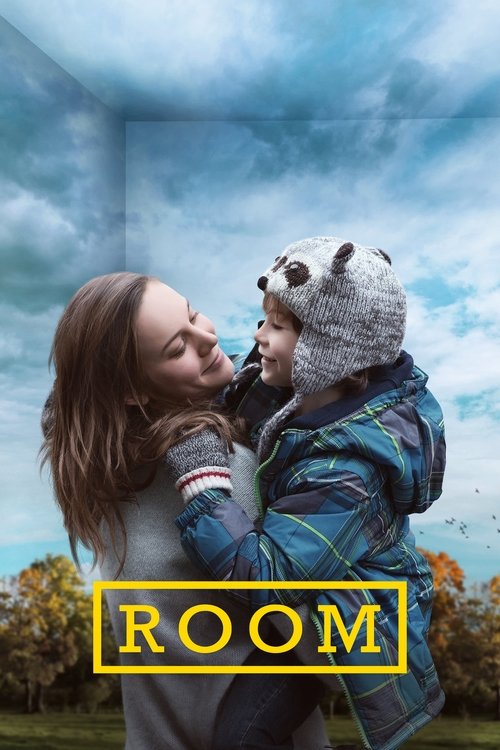
Emma Donoghue's adaptation captures captivity and escape with the same moral clarity Òlòtūré brings to trafficking. Brie Larson's performance conveys trauma without spectacle, prioritizing the emotional interior over violence.
But The claustrophobia and subject matter are punishing. It's not an easy watch, and the second half shifts tone in ways some find less compelling than the first.
Spotlight2015
Both follow journalists pursuing systemic abuse others want hidden. Spotlight models how investigation can expose institutional rot, with the same ensemble focus on relationships forged through difficult work.
But It's procedurally methodical—page by page, call by call. If you want narrative momentum over investigative rhythm, this will feel slow.

Half of a Yellow Sun2013
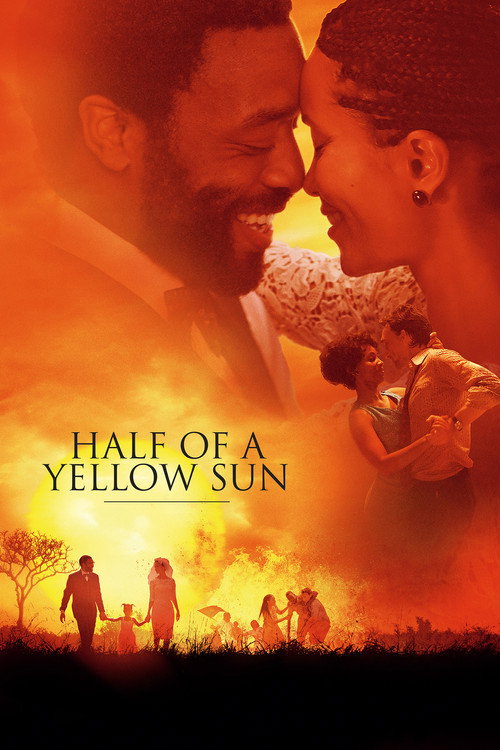
Chimamanda Ngozi Adichie's adaptation, set in Nigeria during civil war, shares Òlòtūré's refusal to simplify African experience. It examines love, betrayal, and survival with the same unflinching attention to consequence.
But The scope is large and the timeline jumps; it demands your full attention and never spells connections out.
Not sure tonight? Get a pick in a minute, starting from Òlòtūré
The wildcard
Something you would not have found on your own.
Girl, Interrupted1999
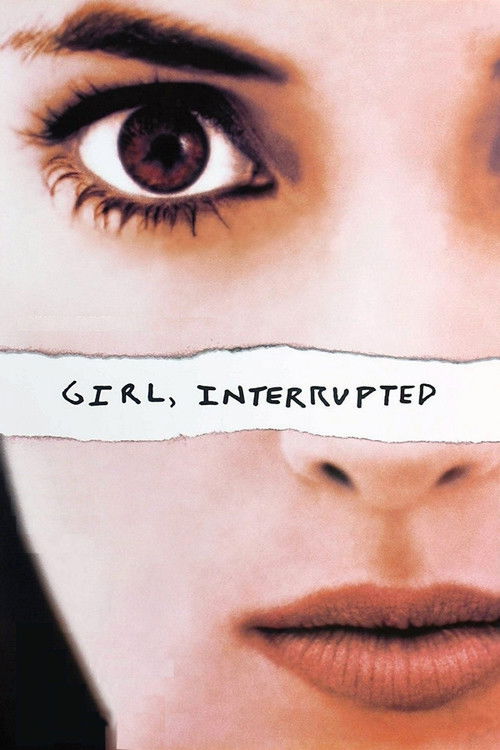
Both centre a protagonist discovering that her attempt to document or understand marginalized women inevitably implicates her in their suffering; the observer cannot remain separate.
Angelina Jolie plays Lilas, but Winona Ryder's narrator is the real focus—a privileged observer struggling to understand the women around her and her own role in their stories. Like Òlòtūré, it's about how proximity to trauma can dissolve the boundary between witness and participant.
But It's a 90s film with a problematic lens on mental illness, and it romanticizes self-destruction in ways contemporary viewers may find dated or offensive.
More like this (7)
Silenced2011
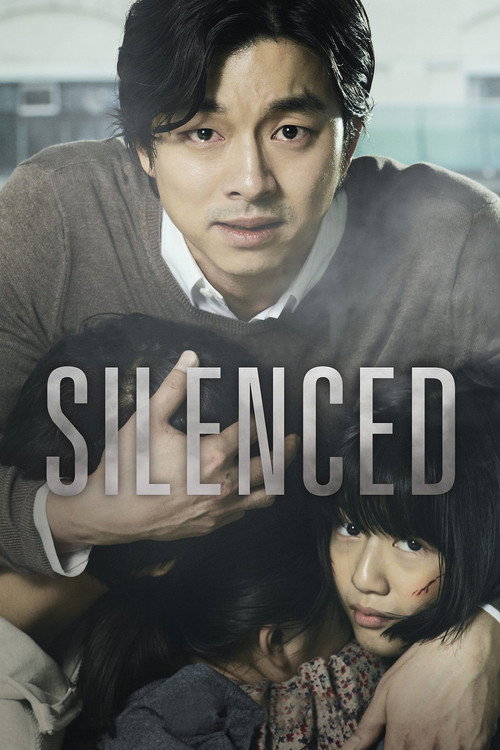
Park Chan-wook's film investigates sexual abuse in an institution with the same commitment to implicating complicity. It's angry without being sentimental, and it trusts viewers to sit with moral ambiguity.
But It's South Korean and subtitled. More importantly, the violence is graphic and the ending offers no redemption—it's deliberately brutal.
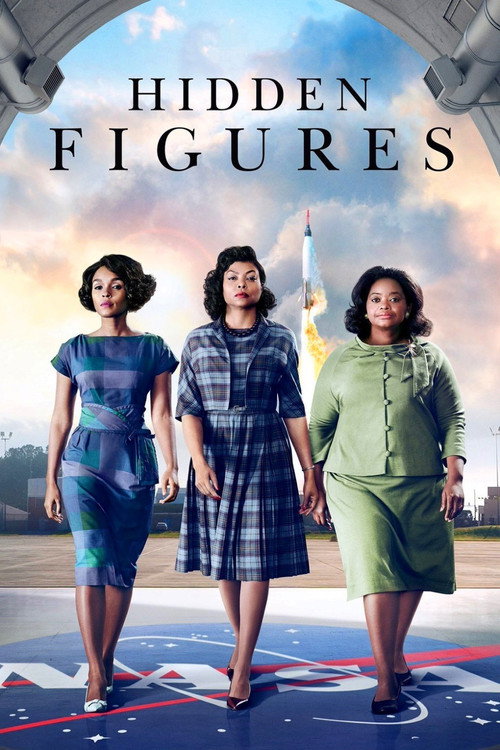
Hidden Figures2016
Like Òlòtūré, it centers Black women's labour and intelligence within systems designed to dismiss them. Both films insist on dignity and specificity where society offers erasure.
But It's far more optimistic and narrative-driven. If you're seeking the same uncompromising tone, this will feel softer by comparison.
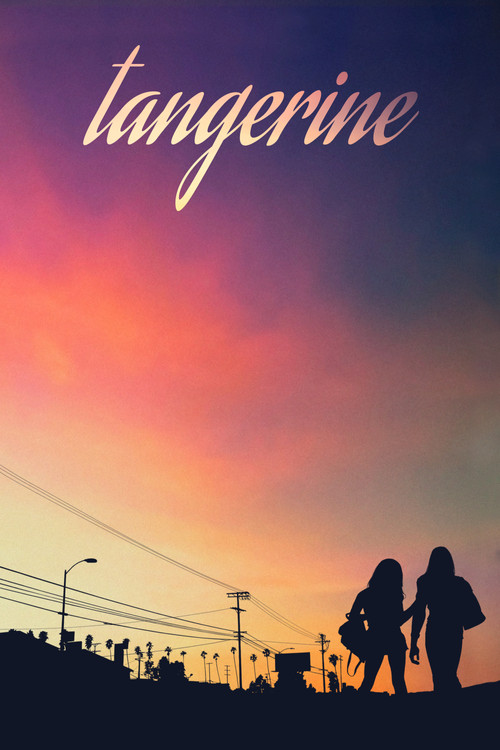
Tangerine2015
Shot on iPhone, this follows sex workers in Los Angeles with the same street-level specificity and warmth toward its subjects. It's about community and survival, not judgment.
But The handheld aesthetic is intentionally rough and disorienting. The rapid-fire dialogue takes concentration, and the plot meanders by design.
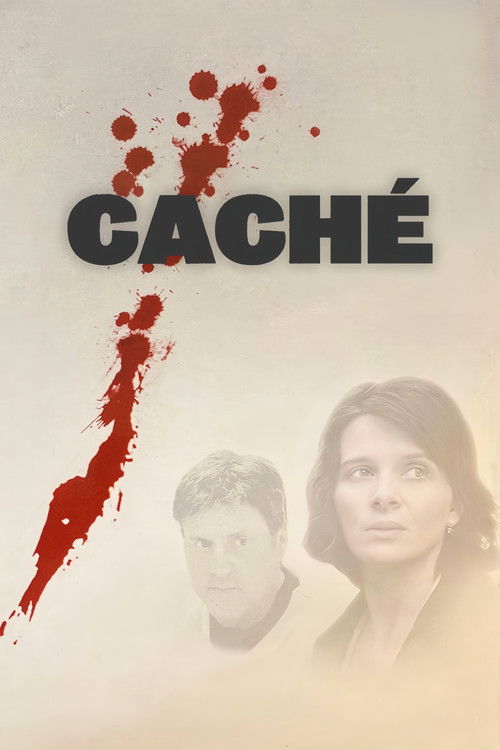
Caché2005
Haneke's film shares Òlòtūré's interest in how comfortable people become complicit through inaction. Both examine what happens when the hidden world forces itself into view.
But It's deliberately opaque and offers no catharsis. Some viewers find it frustratingly elliptical rather than morally profound.
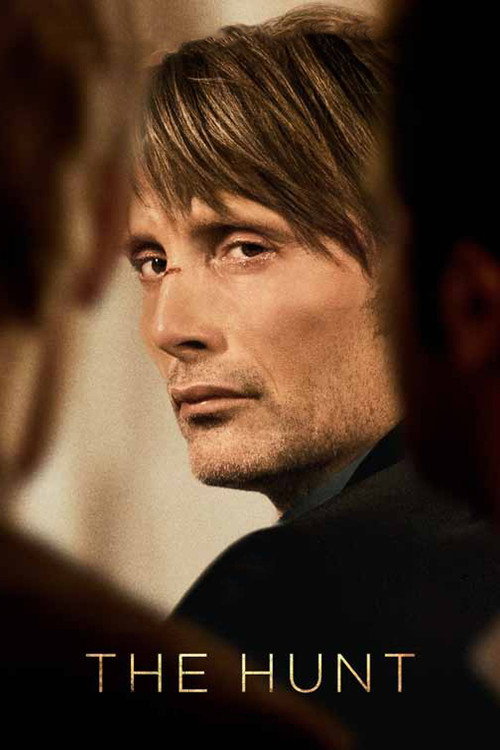
The Hunt2012
Vinterberg's film examines how quickly accusation can destroy a life, with the same interest in how community can turn predatory. Both question what we think we know and why.
But It's Danish and slow-building. The emotional payoff is bleak rather than satisfying, which some experience as depressing rather than clarifying.
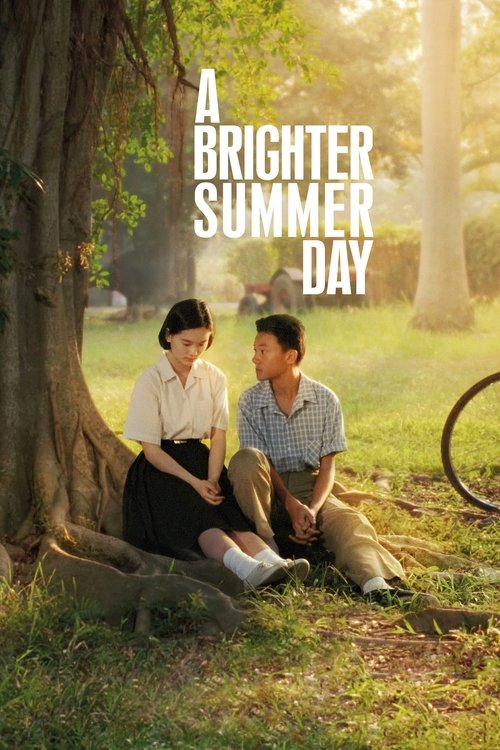
A Brighter Summer Day1991
Yang's four-hour epic follows a young person navigating gang culture in 1960s Taiwan with anthropological precision and genuine affection for its characters. It shares Òlòtūré's refusal to judge those trapped in brutal systems.
But It's nearly four hours long, in Mandarin, and deliberately paced. Patience is not optional; the film will not hurry for you.
The Act of Killing2012
Both refuse the comfort of clear villain and hero; both examine how we perform versions of ourselves and how performance corrodes morality. Both ask: what does witnessing cost?
Joshua Oppenheimer's documentary asks Indonesian death-squad leaders to reenact their murders. It's about complicity, performance, and the stories we tell ourselves to live with atrocity. No safer distance exists—you're implicated as a witness too.
But It's a documentary that requires you to sit in the presence of men who committed genocide, listening to them. There is no narrative catharsis, only moral vertigo.

People
Cast
 Sharon OojaOloture
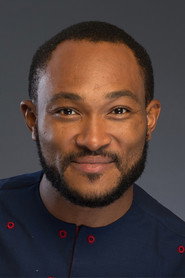 Blossom ChukwujekwuEmeka
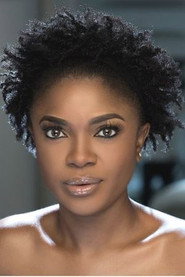 Omoni OboliAlero
 Omowunmi DadaLinda
 Bukola OladipupoBeauty
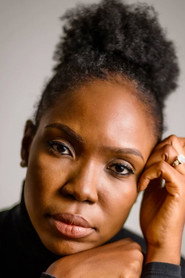 Kemi Lala AkindojuBlessing
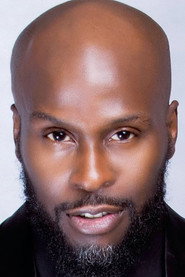 Ikechukwu OnunakuChuks
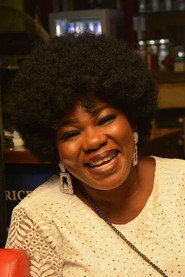 Ada AmehTiti
 Beverly OsuPeju
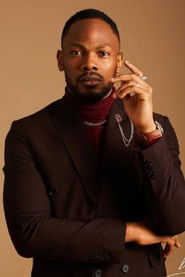
 David Jones DavidSheriff
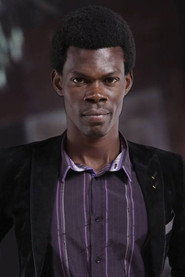 Emmanuel IlemobayoSimon
Directing
- Kenneth GyangDirector
Writing
- Craig FreimondWriter
- Yinka OgunWriter
Production
- Nicole OfoegbuAssociate Producer
- Omoni OboliAssociate Producer
- Mo AbuduExecutive Producer
- Mary AdeosunLine Producer
- Heidi UysProducer
- James AmutaProducer
- Temidayo AbuduProducer