
Film
The Rapture
A telephone operator's life of casual hedonism spirals into religious obsession after a mystical encounter with God. Director Michael Tolkin creates an unsettling slow-burn about faith, doubt, and the gap between belief and mercy. Austere, challenging, genuinely strange—for viewers drawn to films that sit wrong and won't leave.
Should you watch it?
Watch it if you like spiritual dramas that take a faith-soaked premise seriously and let a heroine's hunger and doubt play out without tidy reassurance, with a thriller's unease running underneath.
Skip it if you need brisk momentum, since it drifts and lingers on sordid, bleak stretches and rarely explains itself as it goes.
What it asks of you: A lean hundred minutes, but a slow, dark one, with long unhurried silences and a mood that builds rather than announces itself.
Not sure? Find tonight's pick in a minute.
If you liked this
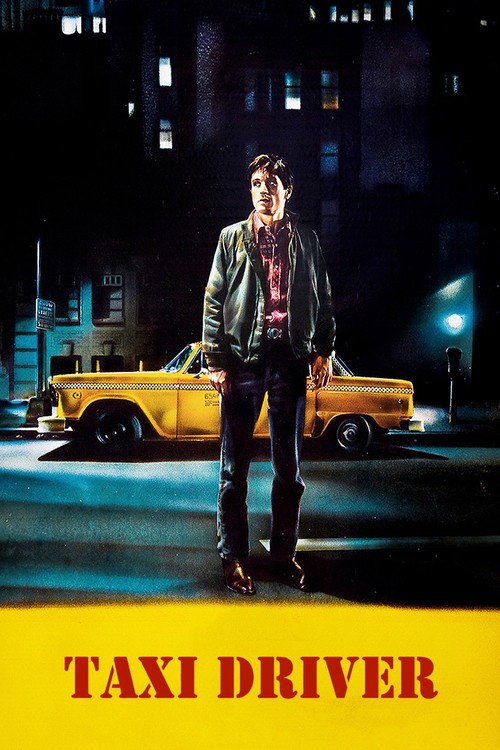
Taxi Driver1976
De Niro's Travis is another urban isolate whose crisis of faith and morality triggers a descent into violence. Scorsese's visual intensity and moral ambiguity match Tolkin's theological dread without ever resolving it.
But Extremely bleak, with scenes of sexual violence. The pacing is glacial and deliberately alienating—it doesn't court you.
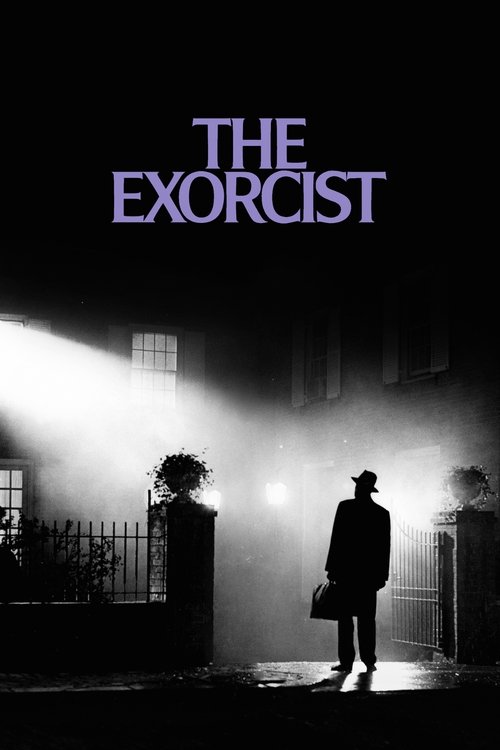
The Exorcist1973
Both films treat religious crisis as genuine horror. Friedkin's possession narrative and Tolkin's rapture theology share a refusal to wink at spiritual terror, and both build dread through restraint rather than spectacle.
But The Exorcist is more overtly scary and longer. If you want neat theological answers, neither film provides them.
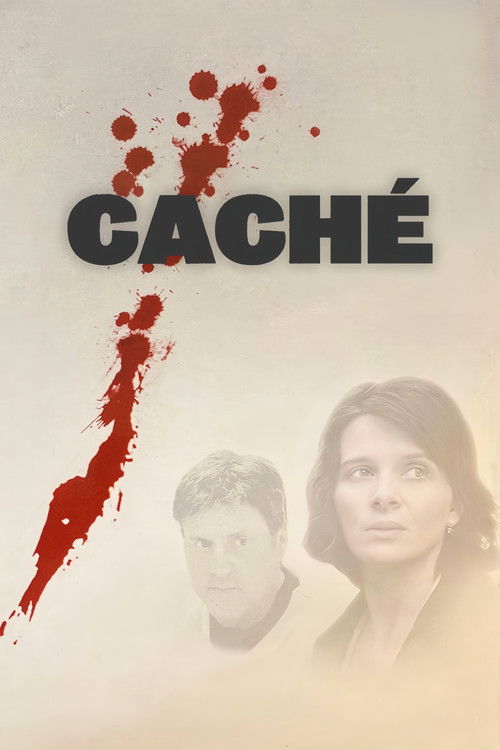
Caché2005
Haneke's film is equally austere and morally vertiginous, trapping its protagonist (and you) in a puzzle about guilt, responsibility, and whether faith or reason can save us. Both reward patience and discomfort.
But Deliberately opaque. Some viewers find it pretentious; others find it deliberately withholding. Absolutely no catharsis.
Not sure tonight? Get a pick in a minute, starting from The Rapture
The wildcard
Something you would not have found on your own.
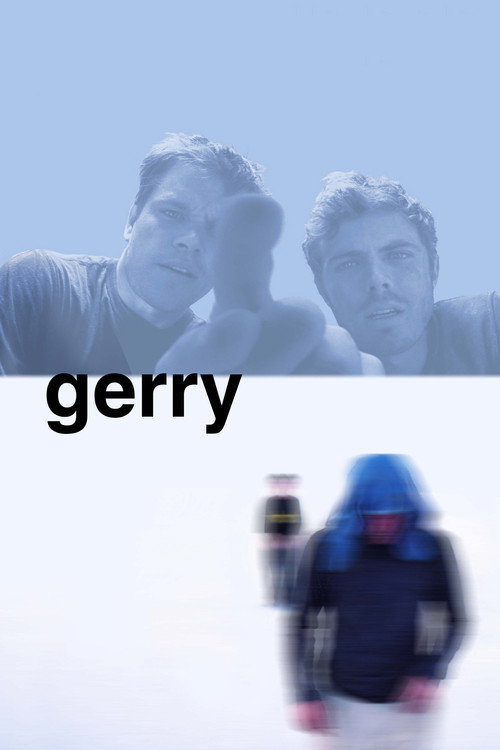
Gerry2002
Both films use extreme duration, isolation, and ambiguity about whether their protagonists are experiencing revelation or psychosis. Neither offers rescue.
Gus Van Sant follows two young men as they walk into a wilderness and get lost, possibly deliberately. It's about the search for transcendence or death or nothing at all, filmed in real time with almost no dialogue. The Rapture and Gerry both use spiritual crisis as their engine but strip away everything but duration and landscape.
But Wilfully obscure and punishingly slow. Nearly three hours of hiking. Some viewers see meditative beauty; others see self-indulgent emptiness.
More like this (7)
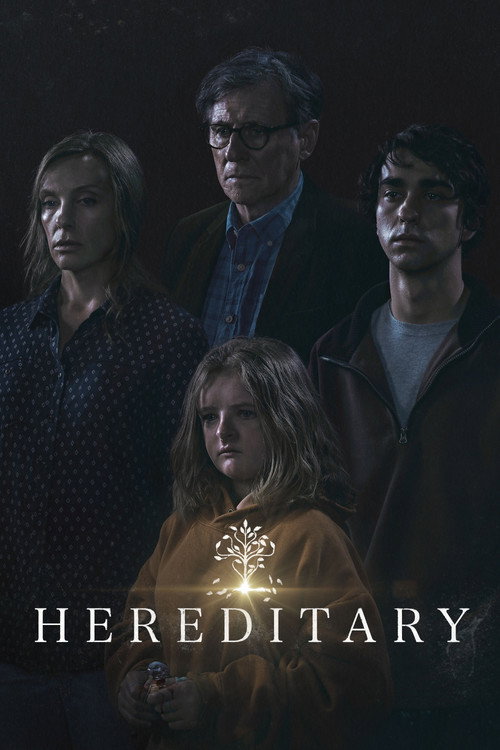
Hereditary2018
Ari Aster explores how family trauma and religious belief can amplify each other into something destructive. Like The Rapture, it uses genre (here, horror) to ask whether faith is salvation or poison.
But Visually gruesome and emotionally punishing. The ending will either devastate or frustrate you—there's no middle ground.
Stalker1979
Tarkovsky's meditation on faith, desire, and the search for meaning in a zone of unknowable rules parallels The Rapture's theological vertigo. Both are slow, hypnotic, and philosophically merciless.
But Nearly three hours of landscape shots and philosophical monologue. If you need plot momentum, this will feel like penance.

The Seventh Seal1957
Bergman's knight playing chess with Death grapples with faith and meaninglessness in ways that echo Tolkin's premise. Haunting, beautiful, and genuinely about the terror of belief and unbelief.
But Black-and-white, deliberately theatrical. It's a masterpiece that can feel remote if you're not attuned to Bergman's register.

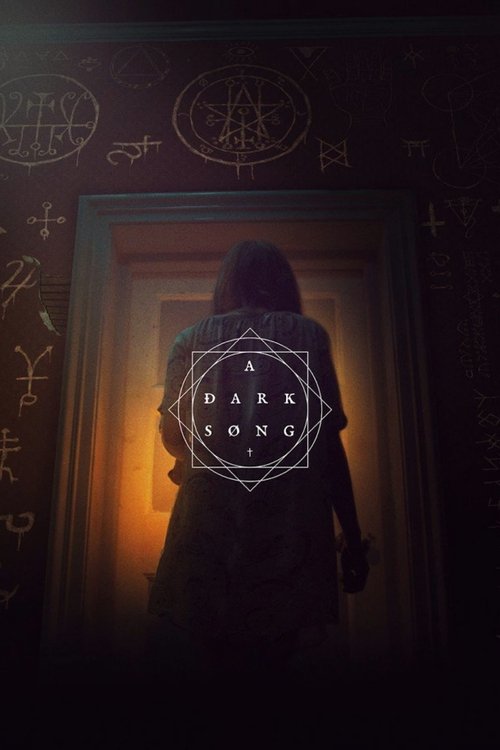
A Dark Song2016
An occultist and a grieving mother attempt a dangerous ritual. Like The Rapture, it's about faith tested to breaking, photographed in muted tones, with an ending that refuses easy redemption.
But Very slow, emotionally heavy, and the payoff is deliberately ambiguous. Some viewers find it tedious; others find it transcendent.
Winter Light1963
Another Bergman film about a pastor's crisis of faith. Stark, intimate, and theologically unsparing—it asks the same questions The Rapture does about what belief even means when God seems absent.
But Even more austere than The Seventh Seal. Only 81 minutes but it feels longer, by design.

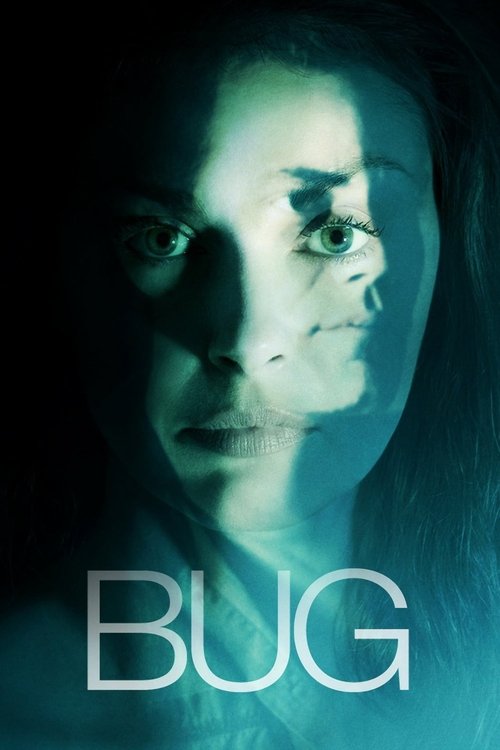
Bug2007
William Friedkin's paranoia-thriller about two strangers whose intimacy spirals into shared delusion and violence. Like The Rapture, it traps us in a protagonist's increasingly unhinged theology and won't let us escape it.
But Claustrophobic, repetitive, and deeply uncomfortable. The premise strains credibility and the resolution is bleak.
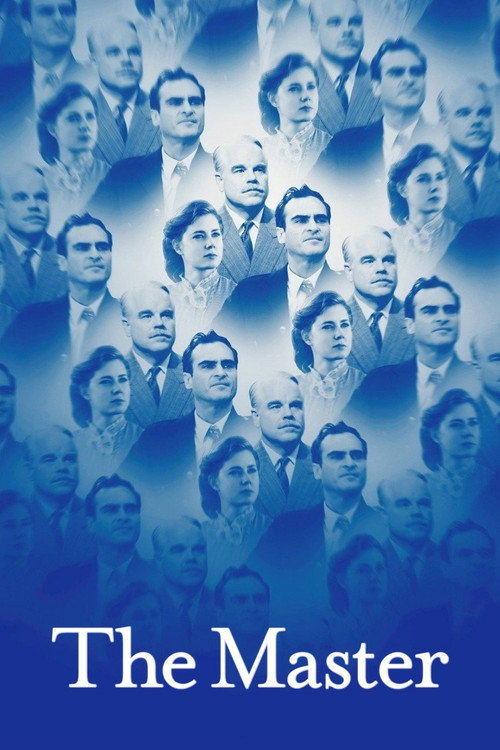
The Master2012
Both films present spiritual experience without confirming or denying its reality. Both make you sit with the possibility that faith and madness are indistinguishable.
Paul Thomas Anderson's film about a charismatic religious leader and his devoted follower is a masterclass in how faith, power, and delusion entangle. It's shot with stunning precision and asks whether the Master is divine, mad, or a con artist—the same question The Rapture poses about its protagonist's experience.
But Deliberately ambiguous and formally demanding. Some find it a masterpiece; others find it glacial and empty. The ending will divide you sharply.
People
Cast
 Mimi RogersSharon
 David DuchovnyRandy
 Kimberly CullumMary
 Will PattonDeputy Foster
 Terri HanauerPaula

 James Le GrosTommy
 Carole DavisAngie
 Darwyn CarsonMaggie
 Douglas RobertsLouis
- Stéphanie MenuezDiana
Directing
- Michael TolkinDirector
- Josh KingFirst Assistant Director
- Douglas A. RaineSecond Assistant Director
- Marcei A. Brubaker BrownSecond Assistant Director
Writing
- Michael TolkinWriter
Production
- Deborah AquilaCasting
- Joe FinemanExecutive In Charge Of Post Production
- Deborah MooreExecutive In Charge Of Production
- Laurie ParkerExecutive Producer
- Karen KochProducer
- Nancy TenenbaumProducer
- Nick WechslerProducer
- Eric McLeodUnit Production Manager