
Film
Eternity and a Day
- Drama
- Slow-burning
Theo Angelopoulos's final masterpiece follows a dying writer's last day as memory and present blur together. Shot in luminous long takes, it moves between a man's past and his encounters with strangers—a nameless boy, a Poet, ghosts of love. It's meditative and mournful, asking what a life adds up to. For patient viewers who want cinema as philosophy.
If you liked this
Tokyo Story1953
Ozu's masterwork about aging parents visiting their children, examining a lifetime of quiet compromises and love unspoken. The same patient accumulation of small moments to suggest the weight of a life. Shot with the same visual stillness.
But Japanese cinema from 1953, in which almost nothing happens externally. If plot momentum matters to you, this will feel glacial no matter how beautiful.

Mulholland Drive2001
Lynch's fever dream about memory, identity, and the stories we tell ourselves. Like Eternity, it destabilizes what's real and what's remembered, asking if the distinction even matters. Both films trust the viewer to sit with confusion.
But Deliberately obscure and contradictory. Some find it rewarding; others find it deliberately opaque and exhausting. The rules keep shifting.

The Turin Horse2011
Béla Tarr's bleak final film about a philosopher's last days, shot in ravishing black-and-white. Another meditation on time's ending, the diminishment of age, and whether meaning persists when we do not.
But Possibly the most pessimistic film ever made. Beautiful but unrelenting in its darkness. Not a comfort.

Not sure tonight? Get a pick in a minute, starting from Eternity and a Day
The wildcard
Something you would not have found on your own.
Stalker1979
Both are journey narratives where the real movement is internal and temporal rather than geographical. Both use landscape as philosophical space.
Tarkovsky's science fiction epic—a guide leads two men through a mysterious zone to a room that grants wishes. Like Eternity, it's a journey film that treats motion as metaphor. Both films suggest that the destination is less important than what you encounter and remember along the way. The pacing is identical: slow, deliberate, profound.
But Genuinely difficult viewing. 163 minutes, almost no plot, mostly people walking through overgrown landscapes. Requires surrender. If you approach it as a thriller, you will hate it.

More like this (7)
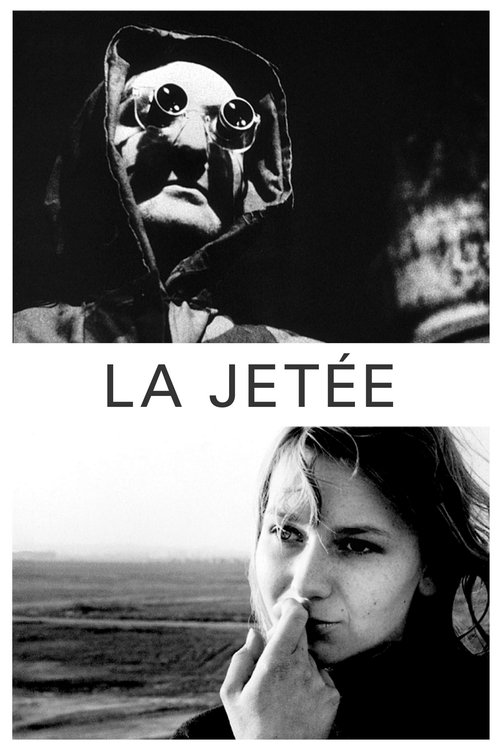
La Jetée1962
Marker's haunting 28-minute poem about memory, time, and love made almost entirely from still photographs. Like Eternity, it suggests that memory is more real than the present moment, and that time is circular.
But Extremely short, extremely abstract. Demands active interpretation. Some viewers find it precious rather than moving.
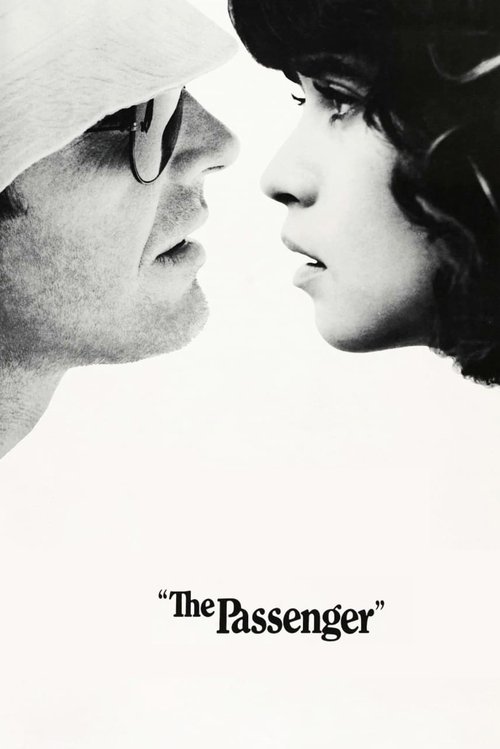
The Passenger1975
Antonioni's existential thriller about a man who assumes another's identity and slowly dissolves into abstraction. The same glacial pacing and long, empty compositions. Both films use silence and landscape as characters.
But Deliberately anti-dramatic. Plot serves atmosphere, not the reverse. The famous final shot is ambiguous to the point of frustration for some.
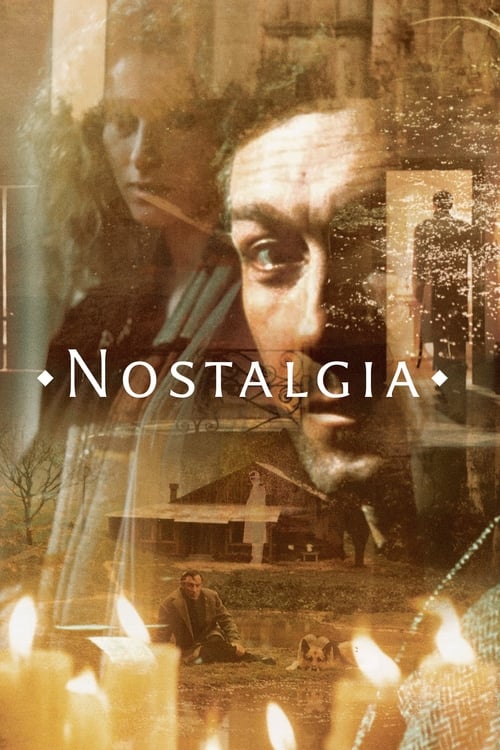
Nostalgia1983
Tarkovsky's exile film about a Russian poet traveling through Italy, haunted by memory and homesickness. The same meditative structure, the same belief that cinema should operate like music rather than narrative. Profoundly moving for those who surrender to it.
But Exceptionally long and slow. Nearly three hours of a man walking through Italian countryside. Requires patience bordering on devotion.
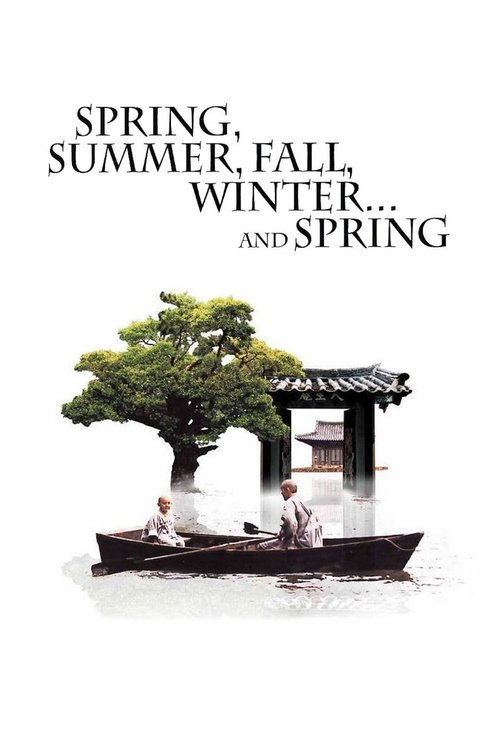
Spring, Summer, Fall, Winter... and Spring2003
Kim Ki-duk's circular Buddhist parable about a monk and a boy on an isolated lake, echoing through seasons. Like Eternity, it treats time as cyclical, memory as spatial, and violence as inevitable consequence. Visually stunning and spiritually austere.
But Abstract and aphoristic. The narrative is minimal and symbolic rather than realistic. Some find it pretentious; others find it transcendent, and there's no middle ground.
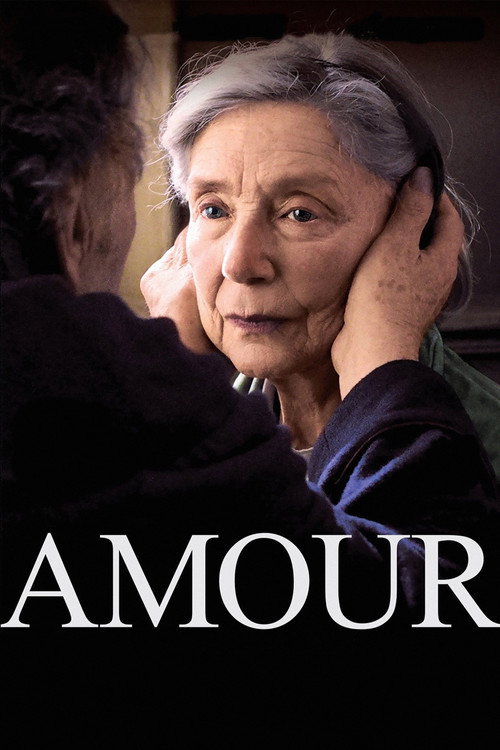
Amour2012
Michael Haneke's unflinching portrait of an elderly couple facing terminal illness. It shares Eternity's focus on the final chapter, but is far more intimate and brutal. A devastating account of what devotion costs.
But Watching someone die slowly from Alzheimer's disease. Beautiful filmmaking does not make it less difficult. Haneke offers no comfort or distance.
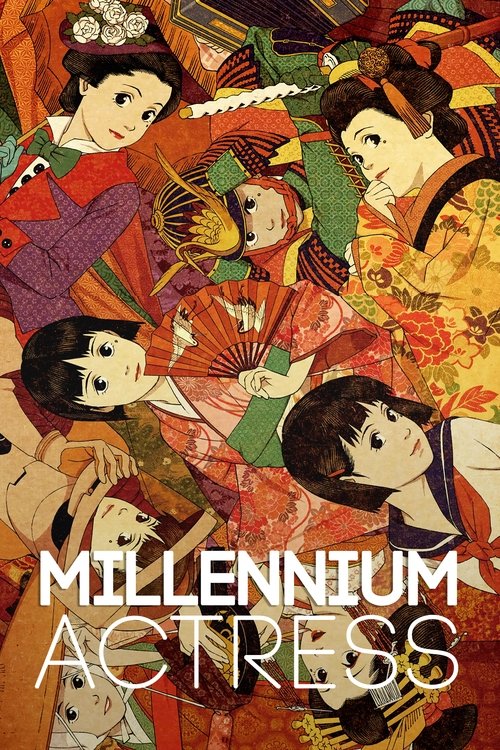
Millennium Actress2002
Both use cinema itself as their subject—the way film collapses time, the way we live through memory and dream.
Satoshi Kon's animated film about an old actress reflecting on her life as the interviewer and subject merge across decades. Animation lets it do something Eternity cannot: literally show past and present occupying the same frame. Both films are about how memory distorts and beautifies. Both suggest that cinema itself is the art of collapsing time.
But Animated, so some will dismiss it reflexively. Visually complex and occasionally confusing in its chronology. The metaphysical conceit may feel too clever.
Synecdoche, New York2008
Both are films about the failure of representation—the gap between life and the art made from it, and whether that gap can ever be closed.
Charlie Kaufman's baroque nightmare about a theater director mounting an ever-expanding production inside a warehouse—his art slowly consuming his life and identity. Like Eternity, it dissolves the boundary between the real and the constructed, between past and present. Both are about the impossibility of capturing or preserving what matters most.
But Deliberately maximalist and fragmented where Eternity is minimal and flowing. Exhausting, baroque, and often difficult to parse. Kaufman's self-referential style is not to everyone's taste. Some find it brilliant; others find it self-indulgent.

People
Cast
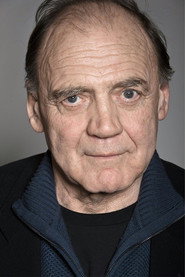 Bruno GanzAlexandros
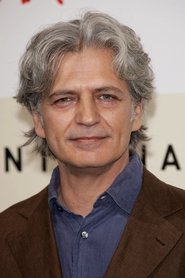 Fabrizio BentivoglioThe Poet
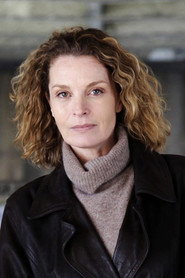 Isabelle RenauldAnna
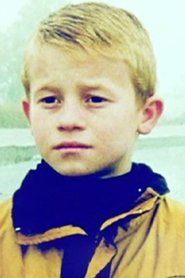 Achileas SkevisThe Child
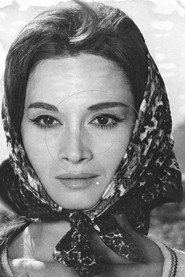 Alexandra LadikouAnna's Mother
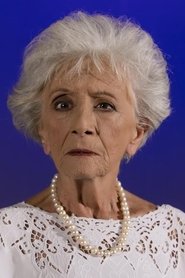 Despina BebedelliAlexandros' Mother
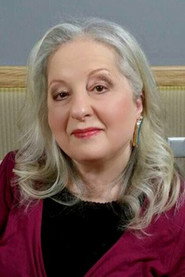 Eleni GerasimidouOurania
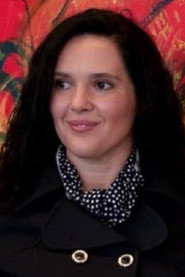 Iris ChatziantoniouAlexandros' Daughter
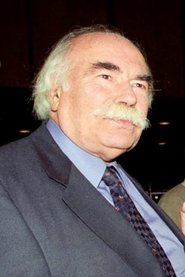 Nikos KourosAnna's Uncle
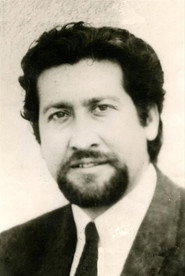 Alekos OudinotisAnna's Father
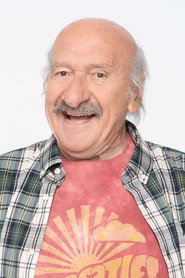 Vasilis KolovosThe Doctor
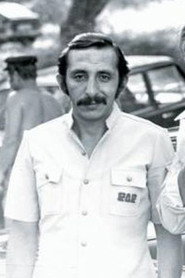 Mihalis GiannatosTicket Inspector
Directing
- Takis KatselisAssistant Director
- Theo AngelopoulosDirector
- Fofo TerzidouSecond Assistant Director
- Iosifina MarkarianSecond Assistant Director
Writing
- Giorgio SilvagniCo-Writer
- Theo AngelopoulosIdea
- Petros MarkarisScreenplay
- Theo AngelopoulosScreenplay
- Tonino GuerraScreenplay
Production
- Stefanos DaniilidisAdministration
- Martin WiebelAssociate Producer
- Alexandros LambridisCasting
- Rita ForzanoCasting
- Foivi OikonomopoulouExecutive Producer
- Amedeo PaganiProducer
- Éric HeumannProducer
- Giorgio SilvagniProducer
- Theo AngelopoulosProducer
- Lefteris HaronitisProduction Director
- Nikos SekerisProduction Director