
Film
The Taste of Tea
- Family drama
- Light-hearted
- Slow-burning
A wry, digressive comedy about a rural Japanese family where the ordinary and surreal sit comfortably together. Director Ishii Katsuhito treats domestic life as a series of small, funny mysteries—why is one woman haunted by a giant clone of herself? What is Uncle doing with that synthesizer?—and lets them breathe. It's warm, strange, and generous. For people who loved the peculiar intimacy of *Karwai Wong* or *Wong Kar-wai*.
Should you watch it?
Watch it if you enjoy gentle, wandering films where whimsy and everyday family life sit side by side, and a giant floating reflection of a teenager feels like a natural part of the afternoon.
Skip it if you need a clear plot or a steady pull forward, since this drifts from one family member's small episode to the next and rarely builds toward anything you can point to.
What it asks of you: Settle in for a long, unhurried stretch of nearly two and a half hours, with quiet scenes, deadpan humour and fantasy that arrives without fanfare; it rewards patience more than attention.
Not sure? Find tonight's pick in a minute.
If you liked this
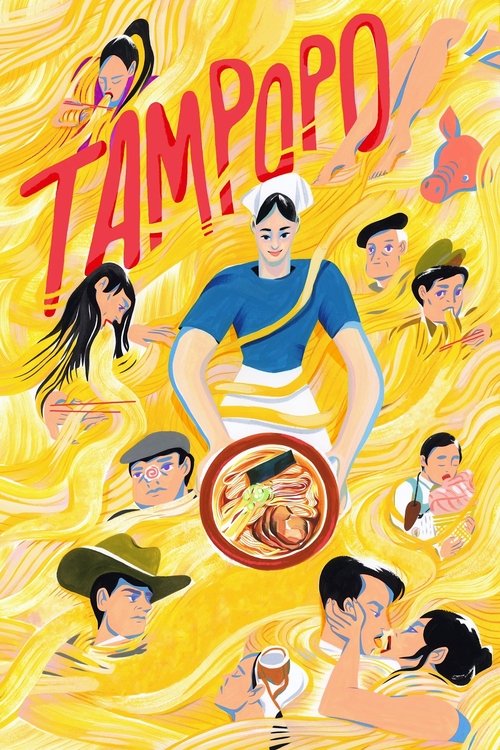
Tampopo1985
A ramen-obsessed picaresque that traffics in the same elliptical, genre-blending tone and finds profound meaning in the quotidian and absurd. It's a sister film in sensibility: digressive, loving, and unafraid to be funny about serious things.
But It's structurally anarchic in ways that make plot irrelevant. Some find that liberating; others find it frustrating.
Mulholland Drive2001
A film that moves between dream logic and sharp social observation, where the surreal and the intimate coexist without apology. Both films trust the audience to sit with strangeness and mood rather than neat resolution.
But It's deliberately difficult and doesn't explain itself. The last hour will frustrate anyone who needs clarity.

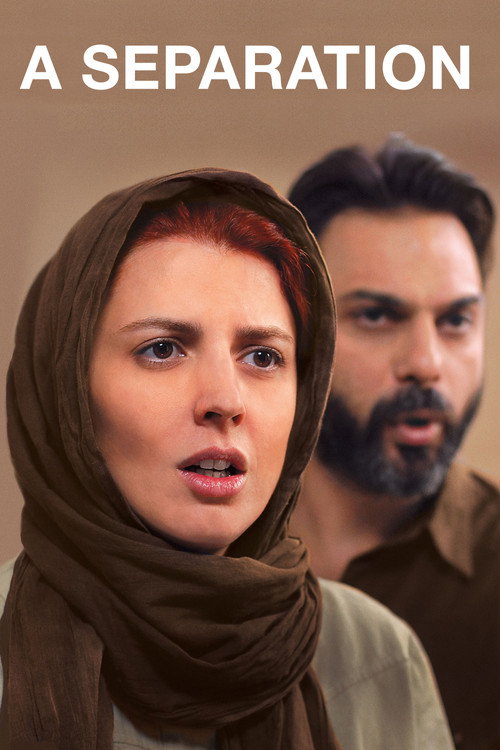
A Separation2011
A comedy-drama about ordinary people in ordinary circumstances where every quiet scene carries moral weight. Like *The Taste of Tea*, it finds the profound in domestic life and family obligation without ever becoming sentimental.
But It's shot like a legal document—precise, cold, almost austere. There's no visual comfort here.
Not sure tonight? Get a pick in a minute, starting from The Taste of Tea
The wildcard
Something you would not have found on your own.
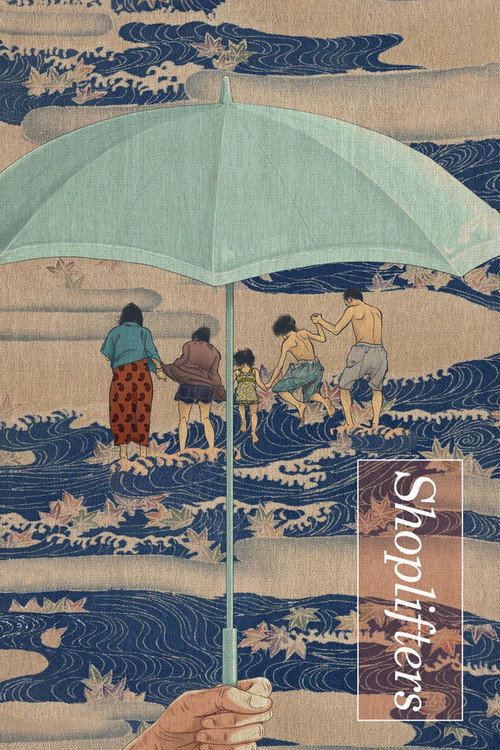
Shoplifters2018
Both are structurally episodic family comedies that find profound love in quotidian moments, but *Shoplifters* inverts the tone: same form, darker substance. Where *The Taste of Tea* is magical realism, *Shoplifters* is realism made tender.
Koreeda's masterwork about a family held together by ritual and transgression rather than blood. It shares the episodic structure and warmth of *The Taste of Tea* but trains it on urban poverty and moral ambiguity. The domestic life here is built on a fault line, but the tenderness is real.
But It's about systemic neglect and petty crime. If you came for whimsy, the gravity will jar you.
More like this (8)
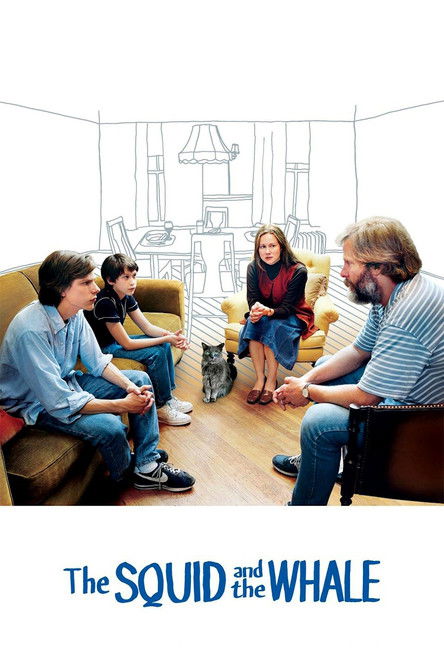
The Squid and the Whale2005
A tragicomic family portrait that moves through seasons and small moments, capturing how people actually live together. It has the same generosity toward its characters' oddnesses and failures.
But It's anchored in divorce and parental dysfunction. The humour comes from real pain, which some find uncomfortable.
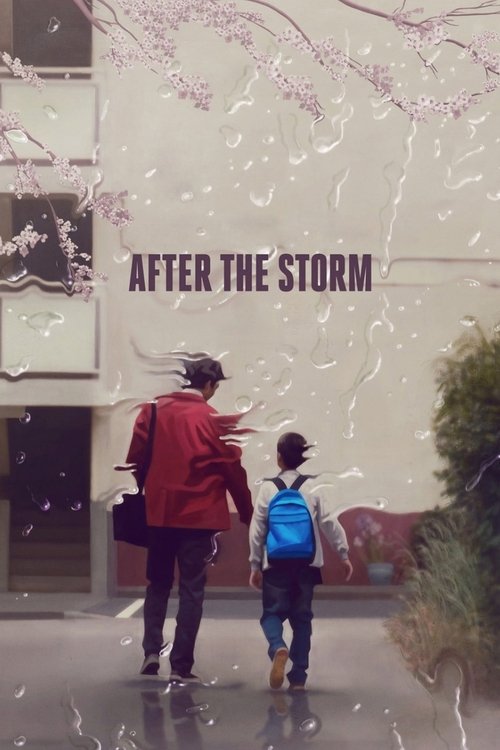
After the Storm2016
Koreeda's three-generational family portrait, built from incidental moments and conversations. It shares *The Taste of Tea*'s faith that watching people live is enough, and that small kindnesses matter.
But Almost nothing happens. If you need narrative momentum, this will feel like waiting for rain.
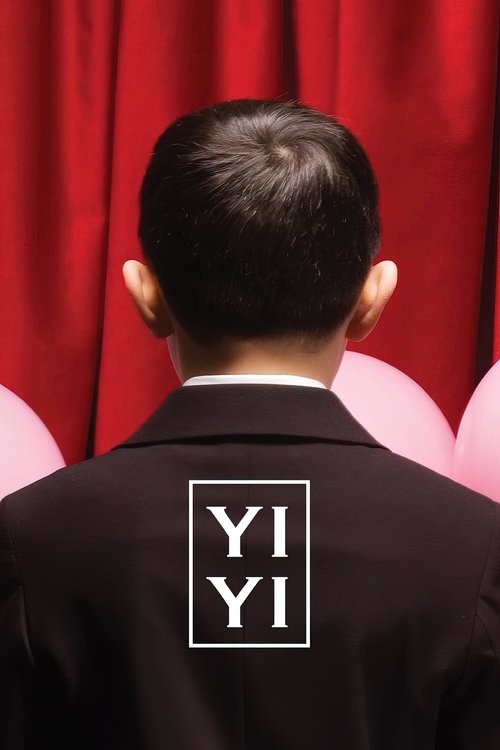
Yi Yi2000
Edward Yang's three-hour ensemble about a Taipei family moving through time and circumstance. It's structurally similar: episodic, digressive, funny, warm, and interested in how people actually think and behave.
But It's very long and makes no concessions to pacing. Patience is mandatory.
The Worst Person in the World2021
A Scandinavian comedy-drama about a woman in her thirties that moves through distinct chapters, treating her confusions and small joys with equal weight. Both films get the texture of how people actually live.
But It's deliberately slight in places. There's no building crescendo; some scenes exist just to exist.

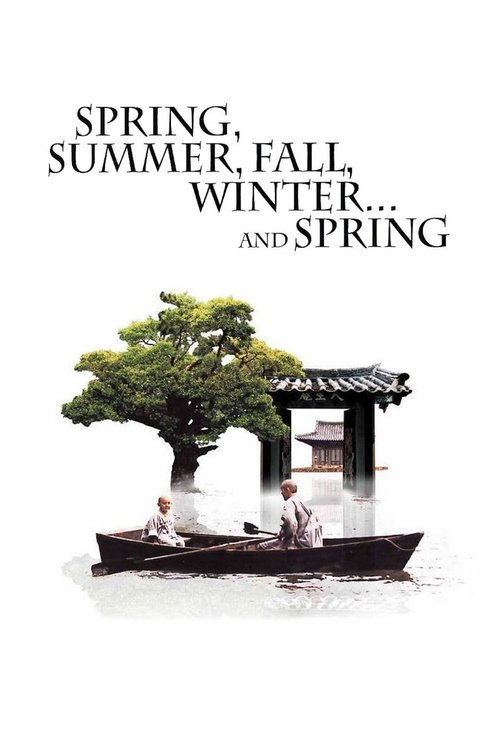
Spring, Summer, Fall, Winter... and Spring2003
A Buddhist parable told through the seasons on an isolated island temple. Like *The Taste of Tea*, it trusts stillness and allows the surreal to exist alongside the mundane without comment or apology.
But It's meditative to the point of being motionless. It has no plot, no dialogue for long stretches, and moves at a glacial pace.
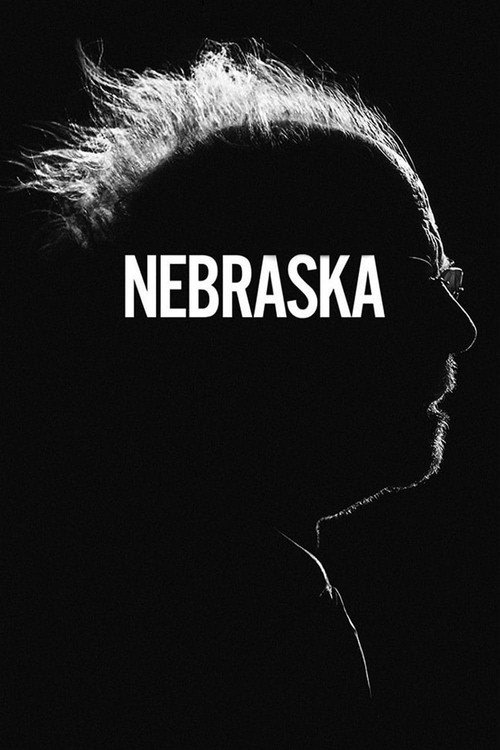
Nebraska2013
Payne's black-and-white portrait of an aging American family moving through small towns and old grievances. Both films are interested in the hidden lives of quiet people and the comedy in ordinary disappointment.
But It's shot in black and white, is deeply melancholic, and offers no redemptive arc. It can feel remote.
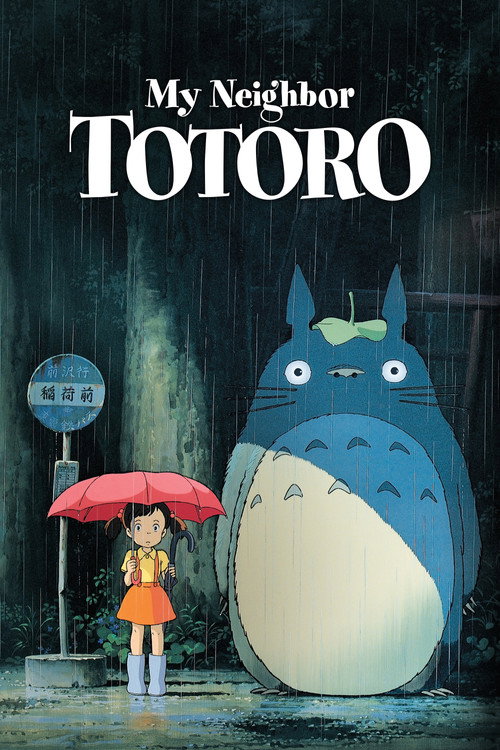
My Neighbor Totoro1988
Both are Japanese films about families in rural settings where the surreal is woven into domestic life not as special effect but as texture. Same sensibility, different mediums.
Miyazaki's animated film about rural childhood where the magical and ordinary coexist without explanation or fanfare. It has the exact same gene as *The Taste of Tea*—a family in the countryside, strangeness folded casually into daily life, genuine love held lightly.
But It's a children's film. Adults expecting complexity may find it too simple. Some find its quietness dull.
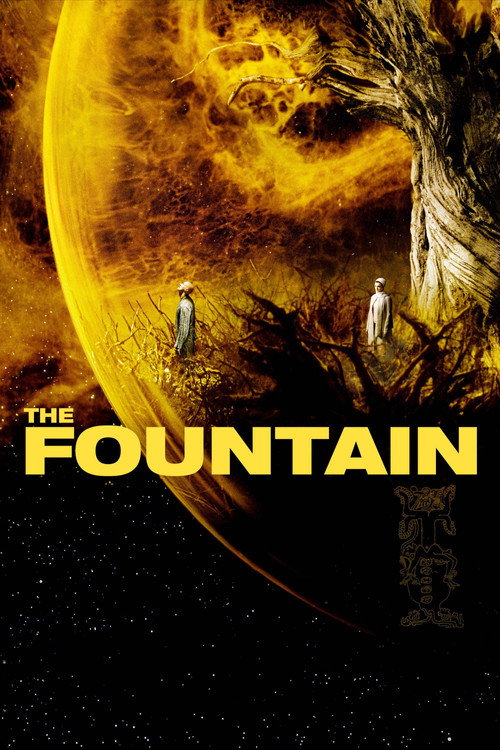
The Fountain2006
Opposite approaches to the same goal: trusting cinema to convey feeling and meaning through image and structure rather than explanation. One is intimate and scattered; one is epic and rhapsodic. Both refuse to be straightforward.
Aronofsky's wildly ambitious three-timeline meditation on love and mortality, shot with painterly obsession. Completely different in scale and ambition from *The Taste of Tea*, but both trust the viewer to follow mood and image over plot. Both are generously weird.
But It's maximalist and pretentious in ways *The Taste of Tea* is not. Some find it insufferable; others find it precious. Most walk out confused.
People
Cast
 Maya SuzunoSachiko Haruno
 Takahiro SatoHajime Haruno
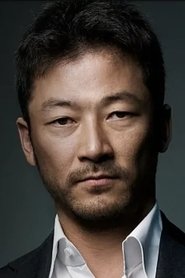 Tadanobu AsanoAyano Haruno
 Satomi TezukaYoshiko Haruno
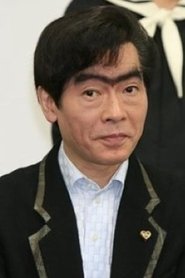 Tatsuya GashuinAkira Todoroki
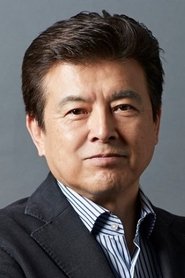 Tomokazu MiuraNobuo Haruno
 Anna TsuchiyaAoi Suzuishi
 Tomoko NakajimaAkira Terako
- Ikki TodorokiSelf
 Kirin KikiObaa
- Kaiji MoriyamaDancer
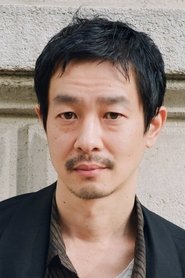 Ryo KaseRokutaro Hamadayama
Directing
- Katsuhito IshiiDirector
Writing
- Katsuhito IshiiWriter
Production
- Hilo IizumiExecutive Producer
- Kazuto TakidaProducer
- Kazutoshi WadakuraProducer