Television series
Whale Wars
Whale Wars documents Sea Shepherd Conservation Society's direct-action campaigns against Japanese whaling in Antarctica. It's visceral, morally charged activism television—confrontational ships, high stakes, real danger. For viewers drawn to environmental passion, protest tactics, and the messy reality of trying to change the world through force of will.
Should you watch it?
Watch it if you like real-world sea standoffs told as an ongoing reality series, where the drama comes from weather, cold-water logistics and people arguing about tactics rather than scripted cliffhangers.
Skip it if you want a tidy, self-contained story, since this sprawls across seven seasons of hour-long episodes that repeat their rough-sea and chase footage between flashpoints.
What it asks of you: Hour-long episodes, fifty-odd of them, move at the pace of a ship at sea, with long stretches between confrontations and a steady rather than urgent kind of attention.
Not sure? Find tonight's pick in a minute.
If you liked this
The Cove2009
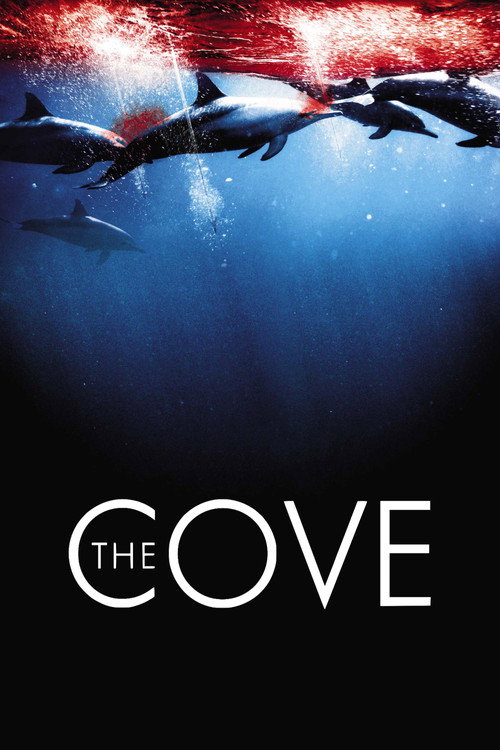
Oscar-winning documentary about the same issue—dolphin slaughter in Japan—using embedded filmmaking and undercover tactics. Sharper, more focused anger than Whale Wars' sprawl.
But Manipulative editing and a white-saviour framing that's aged poorly. Some sequences feel designed for outrage rather than understanding.
Blackfish2013
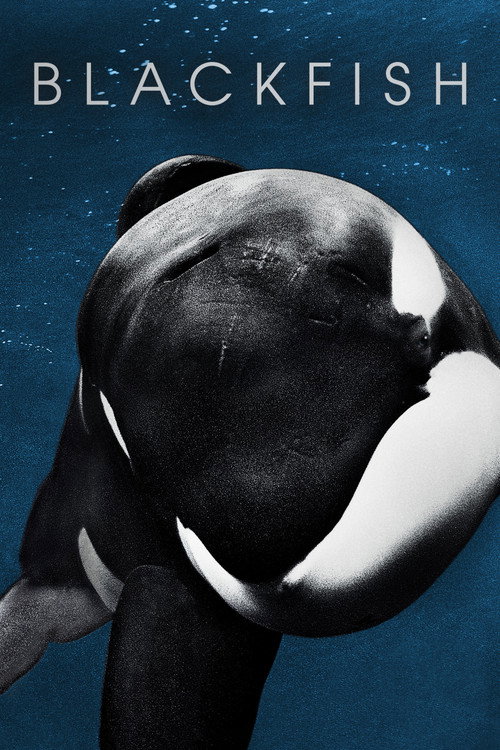
Documentary about orca captivity that pivoted public opinion through sustained investigation and emotional storytelling. Shows how activism shifts culture when done with rigour.
But Slower than Whale Wars. No ship chases—just interviews, footage, and argument. Requires patience with talking heads.
Our Planet2019
David Attenborough series showing ecological collapse in stunning detail, including whale populations. Beautiful filmmaking of the world Whale Wars claims to protect.
But Meditative and bleak rather than action-driven. No heroes, no villains—just systems. Less satisfying if you want clear conflict.

Not sure tonight? Get a pick in a minute, starting from Whale Wars
The wildcard
Something you would not have found on your own.
Nightcrawler2014
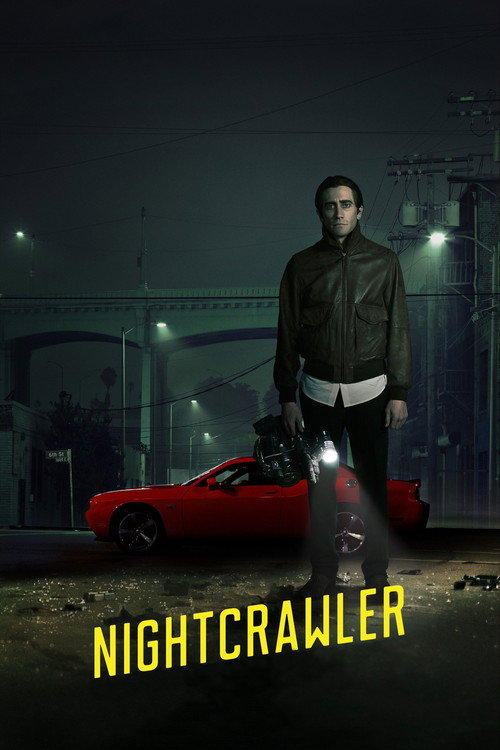
Both explore how the camera changes behaviour. Whale Wars documents activists aware they're being filmed; Nightcrawler is about a man who creates events for the camera. Same machinery, opposite poles.
Jake Gyllenhaal as a media manipulator chasing the perfect shot. Whale Wars as a dark mirror—the same hunger for conflict, crisis, and footage, but seen from inside the machinery of spectacle rather than its subject.
But Cynical, unsettling thriller about exploitation. No moral clarity. Watching it means accepting that activism and sensationalism can be the same impulse.
More like this (6)
Seaspiracy2021
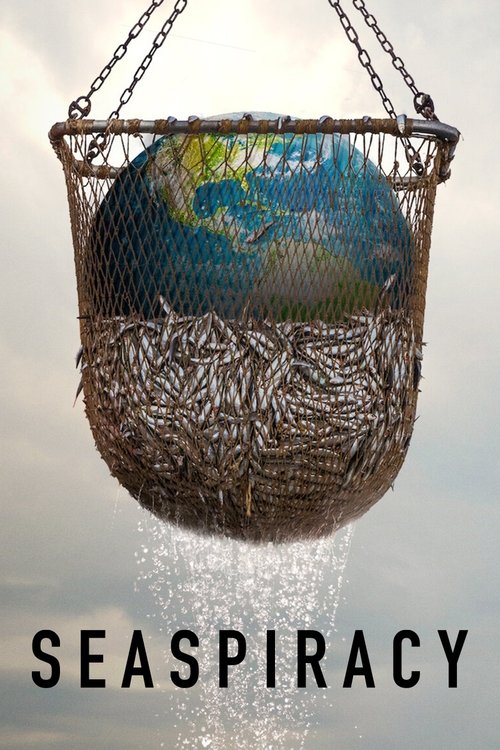
Activist documentary about industrial fishing and ocean destruction, with the same direct-action energy as Whale Wars. Targets systems rather than single nations.
But Criticised for oversimplification and selective data. The investigative stakes feel lower than actual confrontation at sea.
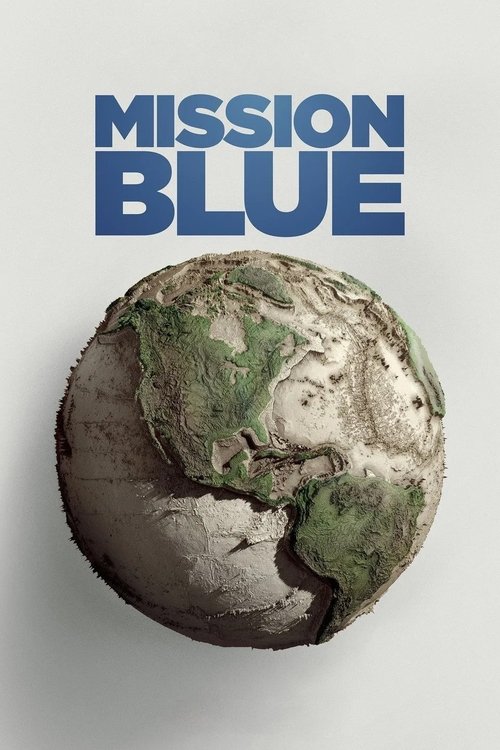
Mission Blue2014
Sylvia Earle documentary about ocean conservation. Shares Whale Wars' passion for marine life but channels it into scientific evidence and policy rather than confrontation.
But Gentler, more institutional approach. Less adrenaline, more slides of data. For viewers who want solutions, not drama.
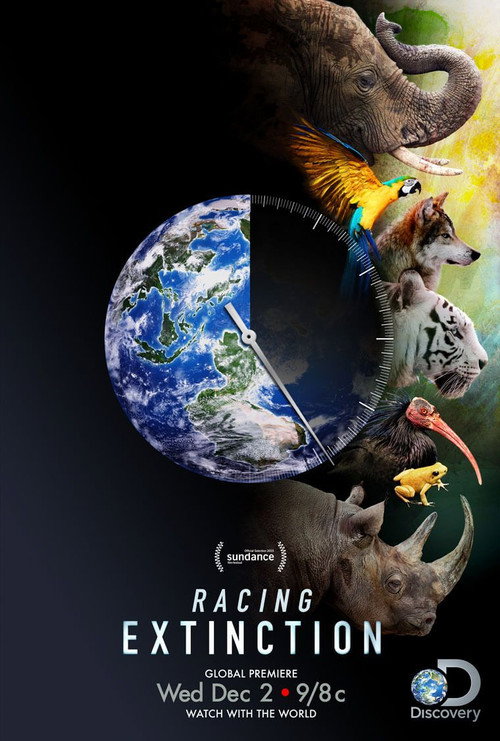
Racing Extinction2015
Provocative eco-documentary combining art, activism, and undercover filming. Same urgency as Whale Wars but addressing extinction more broadly than whaling.
But Preachy and scattered. Tries to cover too many crises at once. Loses the focused tension that makes direct action narratives compelling.
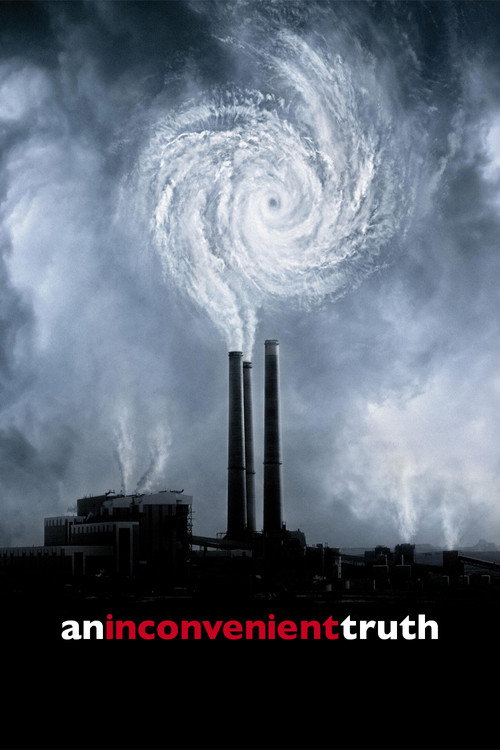
An Inconvenient Truth2006
Al Gore on climate change. Foundational for understanding why marine activism matters. Accessible entry to the science underpinning Whale Wars' urgency.
But Dated visuals and a PowerPoint-as-cinema format. Feels safe and institutional after Whale Wars' confrontational energy.
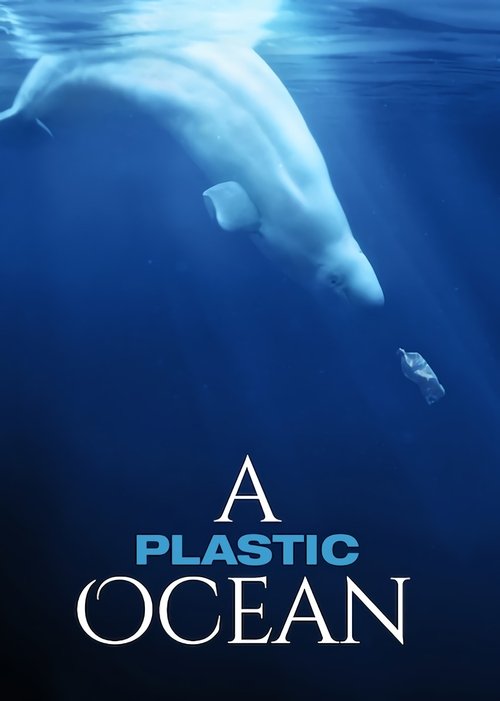
A Plastic Ocean2016
Documentary about ocean pollution. Shares concern for marine ecosystems but approaches it through investigation rather than intervention and conflict.
But Slower pacing and a gentler tone. No clear antagonists or moment-by-moment tension. For viewers preferring information to action.
The Act of Killing2012
Both capture people performing their convictions for the camera. Whale Wars shows activists enacting their values; The Act of Killing shows perpetrators doing the same. Both ask: what happens when the camera is present?
Indonesian documentary where death-squad leaders re-enact their crimes on film. Unbearably tense, morally complex. Confronts how documentary itself becomes a stage for performance and self-justification.
But Deeply disturbing and complicit in ways that feel unresolved. Watching it means accepting moral discomfort without catharsis. Not activism—interrogation of activism's limits.