
Film
Earthlings
- Very dark
Earthlings is a 95-minute documentary that uses hidden-camera footage to expose how animals are used across major industries—food, clothing, entertainment, research, and pets. Joaquin Phoenix narrates with quiet intensity. It's demanding, uncompromising cinema designed to challenge your complicity, not to comfort you. For viewers ready to confront hard truths about systems they benefit from.
Should you watch it?
Watch it if you want an unblinking, cumulative case built from undercover footage, the kind of documentary that lays out an industry's routines and trusts you to draw the conclusion.
Skip it if you want balance or nuance, since this is openly an activist argument, or you cannot stomach graphic footage of animals in pain.
What it asks of you: Expect a steady ninety-five minutes of narration over footage that rarely lets up, with little relief and no lighter stretches to catch your breath.
Not sure? Find tonight's pick in a minute.
If you liked this
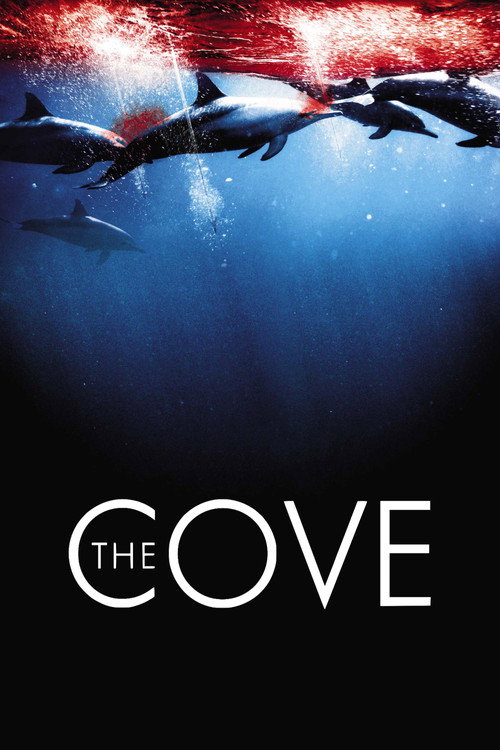
The Cove2009
Oscar-winning investigation into dolphin slaughter in Japan. Combines thriller pacing with documentary rigor, making an ethical argument through craft rather than preaching. Cinematically gripping and morally urgent.
But Some find the covert operation framing self-righteous. The film has been criticized for cultural imperialism in how it frames Japanese practices.
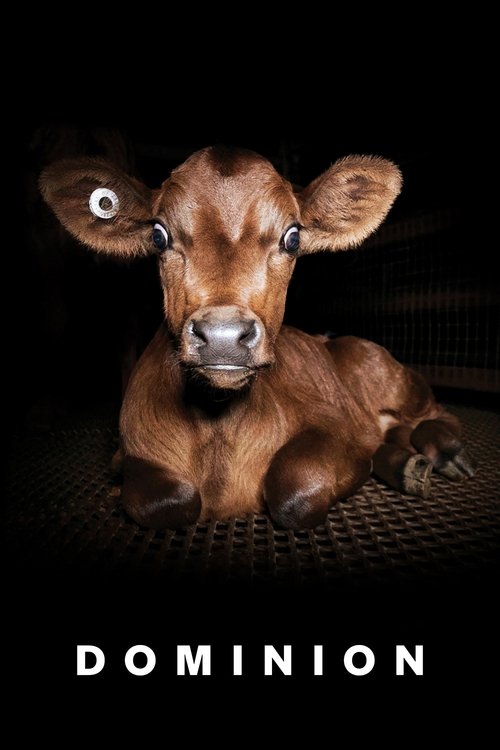
Dominion2018
Spiritual successor to Earthlings with clearer structure and updated footage. Covers the same industries with drone cinematography and better editorial control. More watchable without sacrificing the argument.
But Still relentlessly graphic. Longer than Earthlings and equally difficult. The aerial shots, while beautiful, can feel distancing in ways some find dishonest.
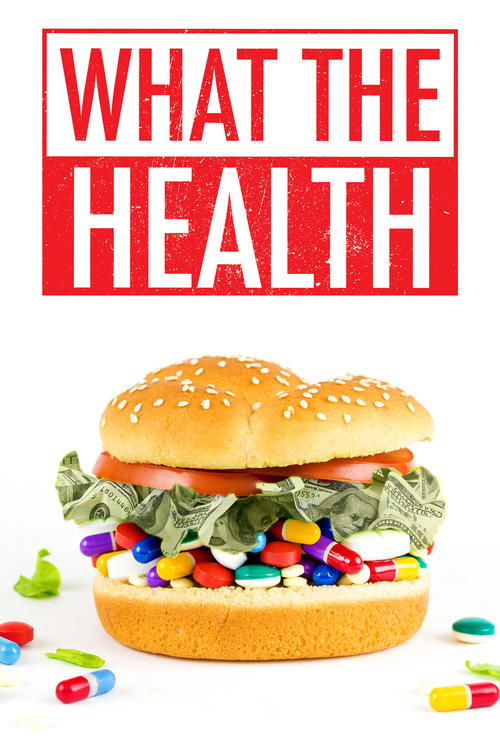
What the Health2017
Documentary about diet and disease that connects animal agriculture to human health outcomes. Faster-paced than Earthlings, with celebrity interviews and a sense of discovery. Less about guilt, more about self-interest.
But Critics argue it cherry-picks research and simplifies nutritional science. Some medical claims lack rigorous support and the persuasion techniques can feel manipulative.
Not sure tonight? Get a pick in a minute, starting from Earthlings
The wildcard
Something you would not have found on your own.
Sans Soleil1983
Both interrogate the viewer's willingness to look at difficult footage and what it means to turn away. Both ask how complicity works across distance. But where Earthlings names the systems directly, Sans Soleil assumes we're already embedded in them and focuses on the texture of our refusal.
Chris Marker's experimental essay-film collages footage from Guinea-Bissau, Japan, Cape Verde, and Iceland into a meditation on memory, travel, and what we choose to witness. Tangentially addresses our relationship to suffering and distance. A completely different formal language for documentary thinking—poetic, associative, never didactic.
But Structurally demanding and cryptic. No linear argument, no clear narrative. If you want documentation of concrete injustice, this oblique approach will feel evasive and frustrating.

More like this (7)
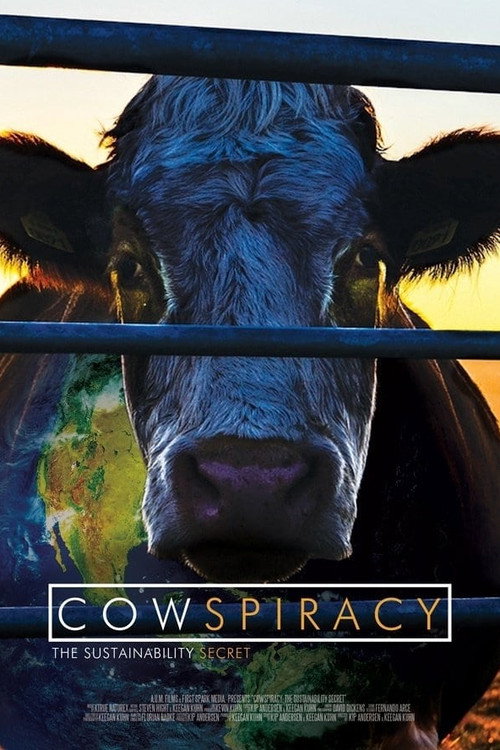
Cowspiracy: The Sustainability Secret2014
Focuses specifically on animal agriculture's environmental impact—deforestation, water use, ocean dead zones. Data-driven and less emotionally grueling than Earthlings while making an equally substantial case.
But Some environmental scientists dispute its statistics. The film prioritizes impact over nuance, which can feel reductive if you want complexity.
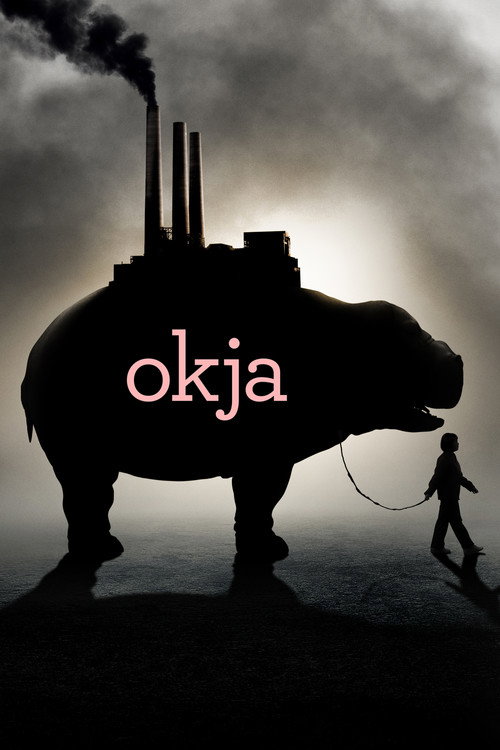
Okja2017
Bong Joon-ho's genre hybrid—adventure, sci-fi, family drama—critiques industrial animal agriculture through narrative rather than documentation. Uses imagination to make the argument feel fresh and emotionally complex.
But The tonal shifts between whimsy and horror don't always land. Some feel the metaphorical approach dilutes the ethical stakes rather than deepening them.
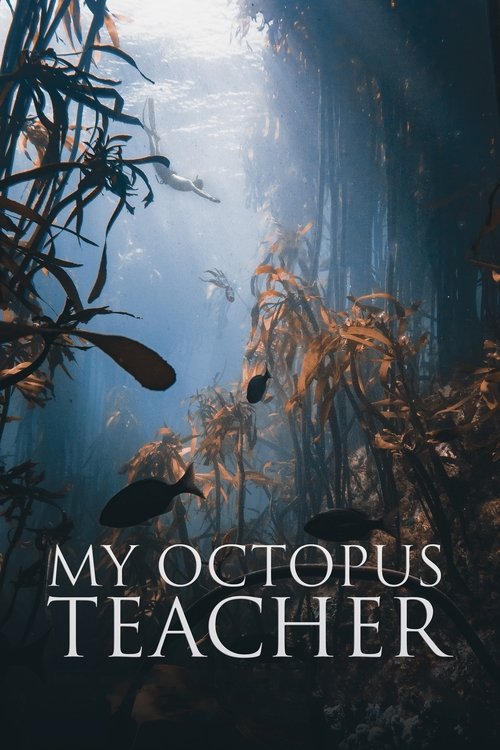
My Octopus Teacher2020
South African filmmaker documents a year with a wild octopus. Celebrate animal consciousness and intelligence through wonder rather than horror. Meditative, gorgeously shot, and deeply moving without requiring you to feel guilty.
But Some criticize it for implying animals exist primarily for human connection and understanding. The intimacy can feel sentimental if you wanted harder critique.
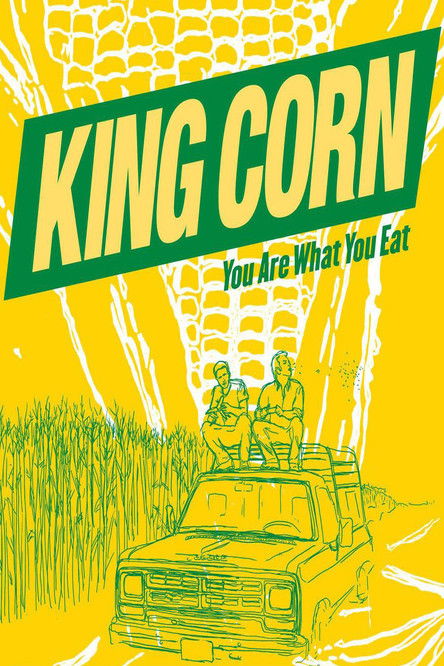
King Corn2007
Two filmmakers plant an acre of corn and follow it through industrial agriculture. Personal, investigative, and surprisingly funny. Examines the systems that Earthlings shows without the relentless emotional assault.
But Focused narrowly on corn and US agriculture. Less global scope than Earthlings and easier to dismiss as a specific problem rather than systemic.
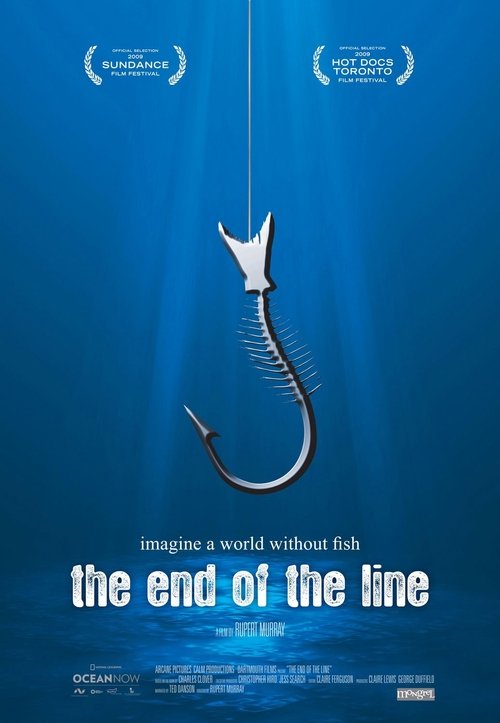
The End of the Line2009
Documentary about industrial fishing and ocean collapse. Combines investigation, travel narrative, and scientific evidence. Less stylistically austere than Earthlings, more willing to find human drama in the crisis.
But Some environmental projections have been criticized as alarmist. The tone can shift awkwardly between serious and adventurous, muddying its own message.
The Act of Killing2012
Both documents systematic violence treated as normal by participants. Both force viewers into uncomfortable complicity—you're watching and not stopping it. But Earthlings puts you in the position of the consumer; The Act of Killing puts you in the position of the audience that allows this, which is far harder to sit with.
Indonesian director Joshua Oppenheimer films former death-squad leaders re-enacting their killings as entertainment. Nightmarish and morally vertiginous—explores how humans justify atrocity and perform normalcy. Completely shattering in a way that feels philosophically necessary.
But Extremely graphic and perverse. The method of having perpetrators recreate violence feels exploitative and obscene to many viewers. Emotionally devastating in ways some experience as traumatizing rather than illuminating.

Night and Fog1956
Both use documentation and narration to ask viewers to acknowledge systems of death they've inherited. Both are explicitly about looking—at footage, at the evidence, at yourself looking. But Resnais asks how we remember and preserve moral witness across time; Earthlings asks what you'll do with what you've just seen. Resnais is about history; Earthlings is about now.
Alain Resnais' 28-minute essay on the Holocaust interweaves color footage of abandoned camps with archival material and haunting Michel Bouquet narration. Proves that unsparing truth can be conveyed through visual poetry. Remains incomparably powerful—proof that formal beauty and moral witness are not contradictory.
But The brevity is deceptive; the emotional weight is enormous. Some find the lyricism inappropriate for such horror. The distance between filming and subject creates its own discomfort. Not an entry point—essential viewing that assumes you're already engaged with the question of atrocity.

People
Cast
 Joaquin PhoenixNarrator (voice)
Directing
- Shaun MonsonDirector
Writing
- Shaun MonsonWriter
Production
- Persia WhiteCo-Producer
- Brett HarrelsonExecutive Producer
- Libra MaxExecutive Producer
- Nicole VisramExecutive Producer
- Shaun MonsonExecutive Producer
- Maggie QProducer
- Shaun MonsonProducer