Television series
Big Cat Diary
Big Cat Diary follows wild lions, leopards and cheetahs across the Kenyan savanna week by week, capturing real predator drama unfiltered. Each 27-minute episode drops you into genuine territorial conflicts, hunts and pride politics as they happen. It's nature documentary stripped of narration tricks—just animals being themselves, with enough narrative momentum that you'll forget you're watching for the pure storytelling.
Should you watch it?
Watch it if you like wildlife watched at its own pace, where a long stretch of waiting pays off in a single unguarded moment, and you enjoy following particular animals as if they were recurring characters.
Skip it if you want stakes or a destination, since this is a loose run of observed days with no arc to chase, and nine seasons of it is a lot of savannah.
What it asks of you: Half-hour daily installments, unhurried and gentle in tone, that build their pleasure through repetition, so they reward dipping in across a week more than binge-watching.
Not sure? Find tonight's pick in a minute.
If you liked this
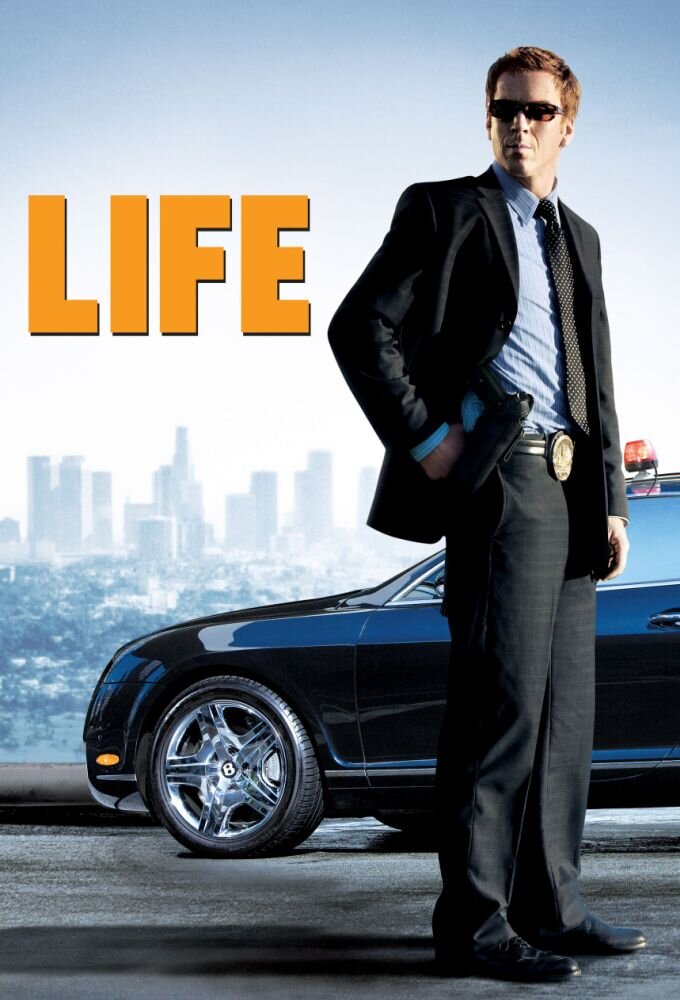
Life2007
David Attenborough's sweeping look at animal survival across continents, with the same unflinching gaze at predator-prey tension. Vast in scope but intimate in execution, following creatures through their actual daily challenges.
But Each episode is nearly an hour, and the cinematography can feel almost too beautiful—sometimes distance creeps in where tension should be.
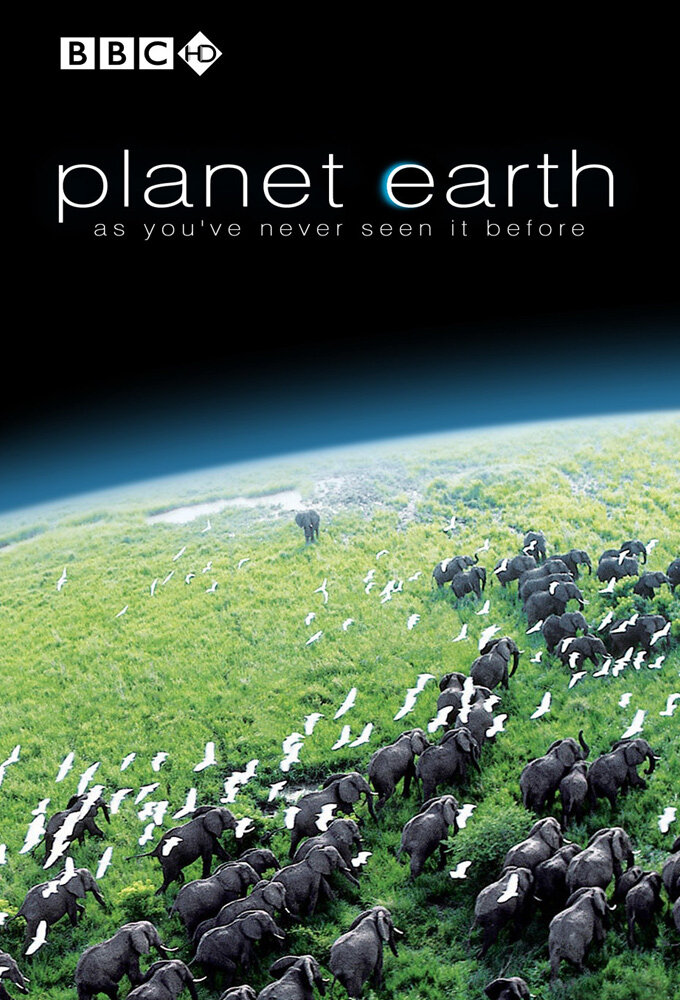
Planet Earth2006
BBC natural history at its peak: extraordinary cinematography, genuine surprise at what's happening on screen, and a structure that builds real stakes around animal survival. Every ecosystem feels like a story unfolding.
But The scale is so grand it can feel remote. You're watching from very far away, even when the camera is close.
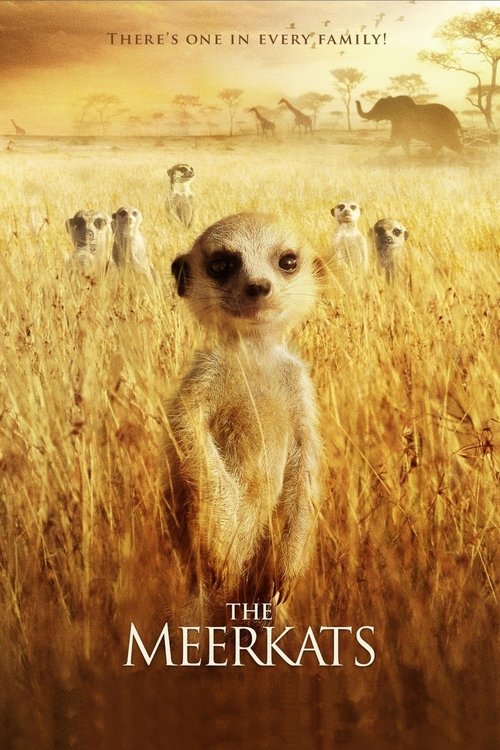
The Meerkats2008
Follows one meerkat family for a year with the same episodic naturalism Big Cat Diary uses. Real predation, real starvation, real politics—but concentrated into 80 minutes of pure family drama on the Kalahari.
But Narrower focus than you might want. If you need epic scale and variety, this is intimate to the point of claustrophobia.
Not sure tonight? Get a pick in a minute, starting from Big Cat Diary
The wildcard
Something you would not have found on your own.
The Leopard1963
Where Big Cat Diary samples multiple predators and shows you the hits, Leopard commits to extreme depth instead of breadth—one family instead of the savanna, genuine patience over narrative compression.
A single leopard in a single Indian reserve across a full year. One animal, one camera, one filmmaker obsessed with understanding behavior. Raw, patient, meditative—the anti-spectacle. You'll never see a big cat the same way.
But Deliberately slow and unglamorous. There are long stretches of waiting, poor visibility, absence. If you need excitement and perfect footage, this will test you.

More like this (7)
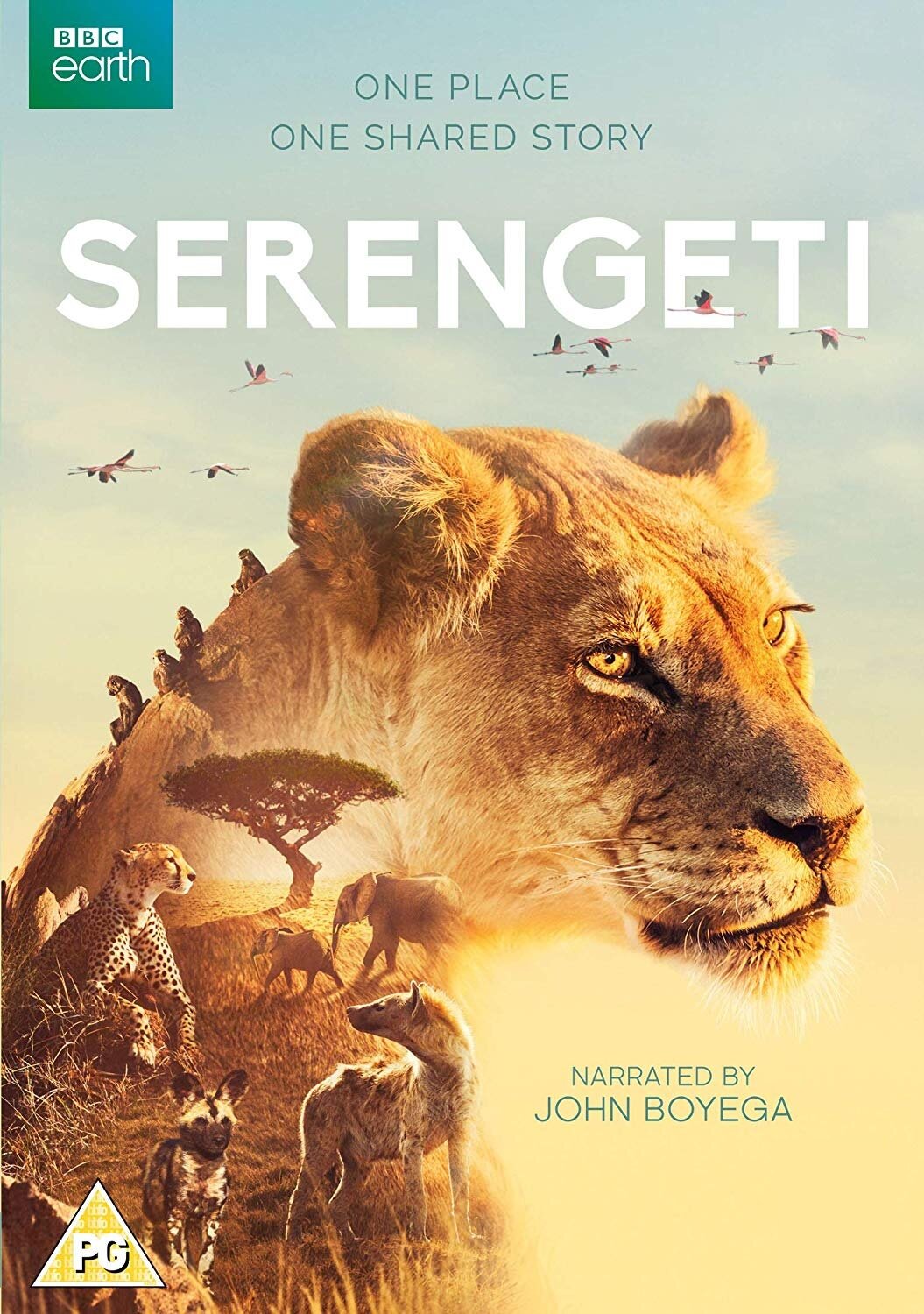
Serengeti2019
Six episodes tracking multiple predator and prey families across one year. Uses the same week-by-week structure as Big Cat Diary but with modern cinematography and explicit narrative arcs that build toward real resolutions.
But Occasionally leans into dramatic music and editing choices that feel slightly more constructed than Big Cat Diary's matter-of-fact approach.
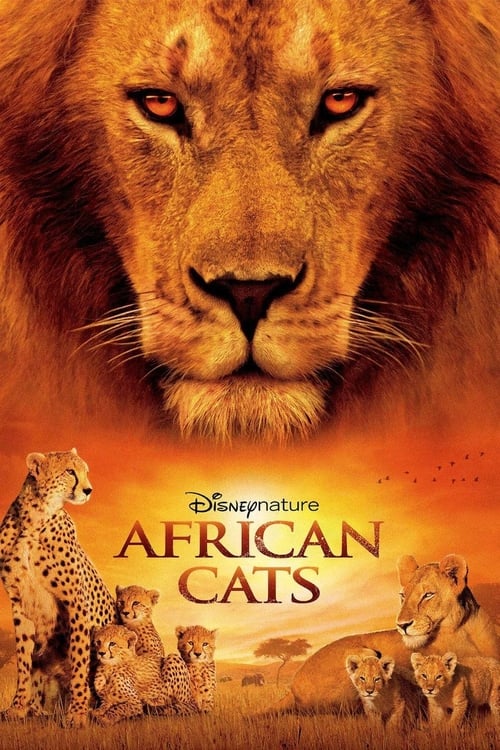
African Cats2011
Two hours following a lion pride and a cheetah family through drought and survival. Uses Big Cat Diary's core obsession—what these animals actually do day to day—but scales it into cinematic storytelling.
But The narrative shaping is more obvious. You'll notice when the film chooses which story to follow, which breaks the documentary spell slightly.
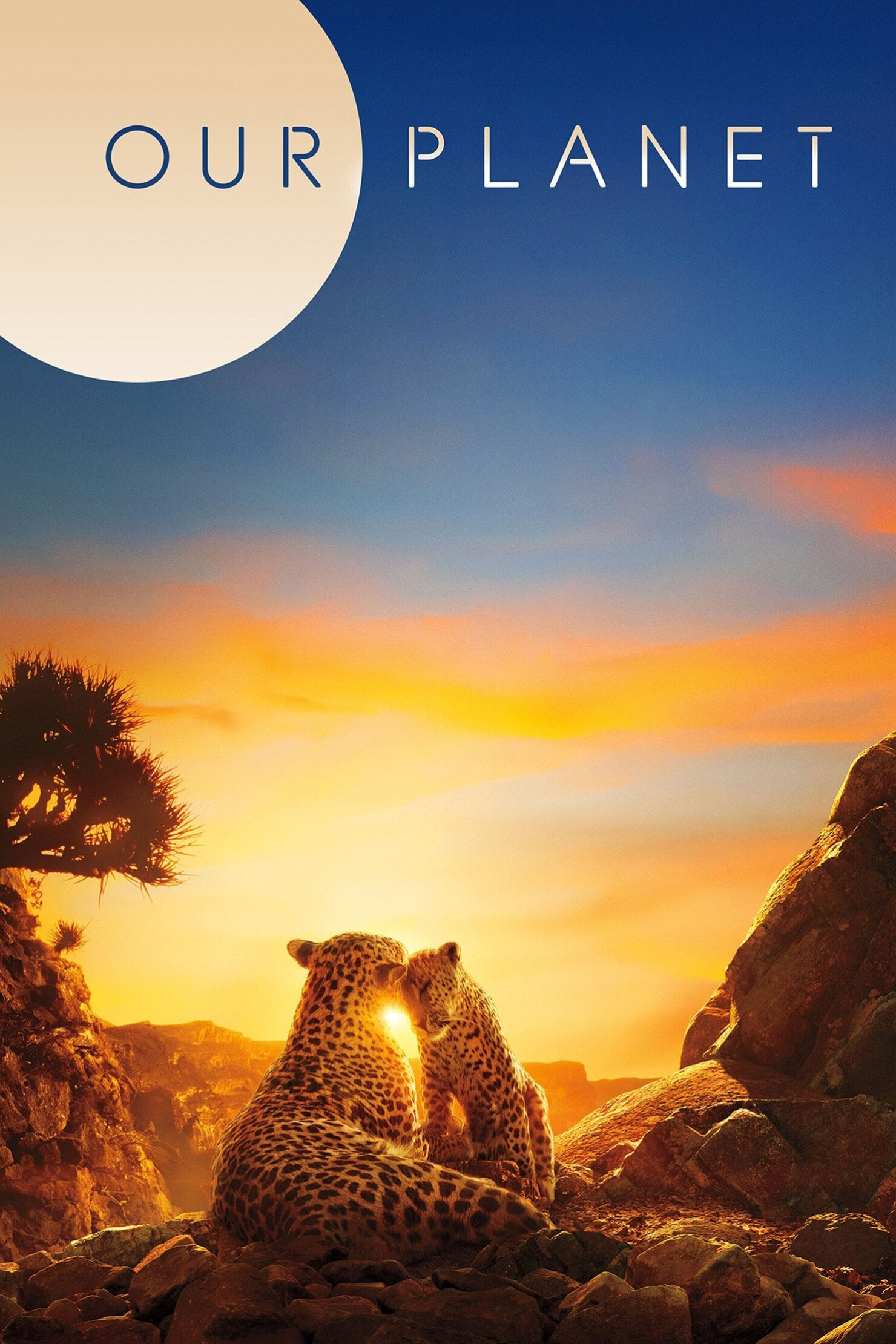
Our Planet2019
Eight episodes of animals under pressure, with attention to what they actually do when cameras aren't looking. Real deaths, real failures, real survival. Emotionally affecting without being manipulative.
But The climate change angle hangs over everything. If you want nature drama unmoored from existential dread, this will weigh on you.
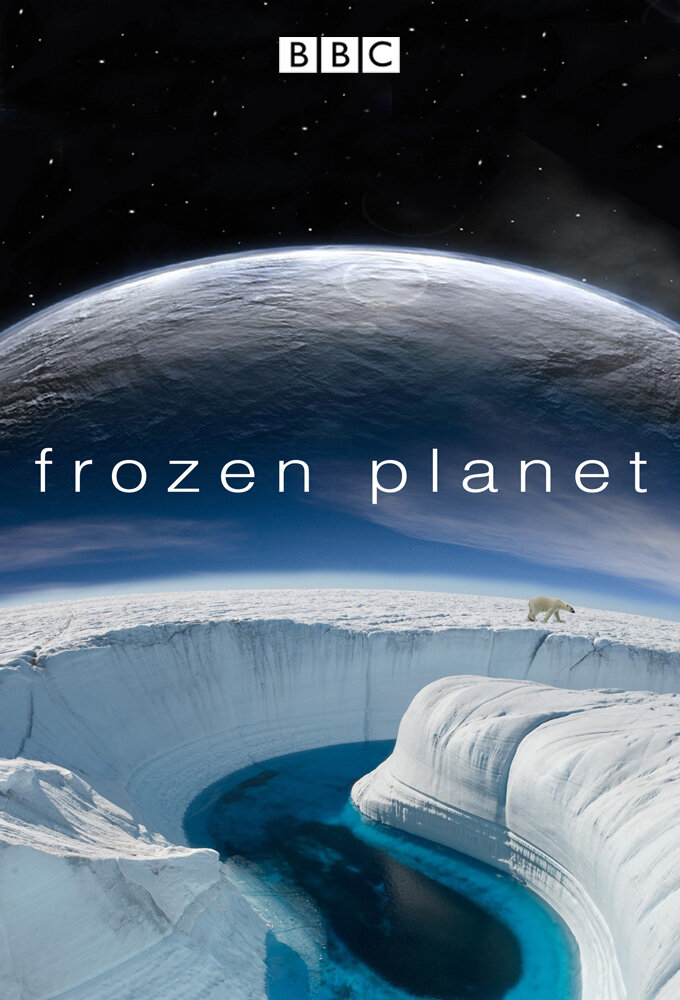
Frozen Planet2011
Attenborough at the poles instead of the savanna, but the same addiction to watching how animals simply live. Polar bears, seals, penguins—different predators, same compulsive storytelling.
But Landscapes are staggering but can feel alien. Less relatable than African big cats, and the survival stakes feel more abstract.
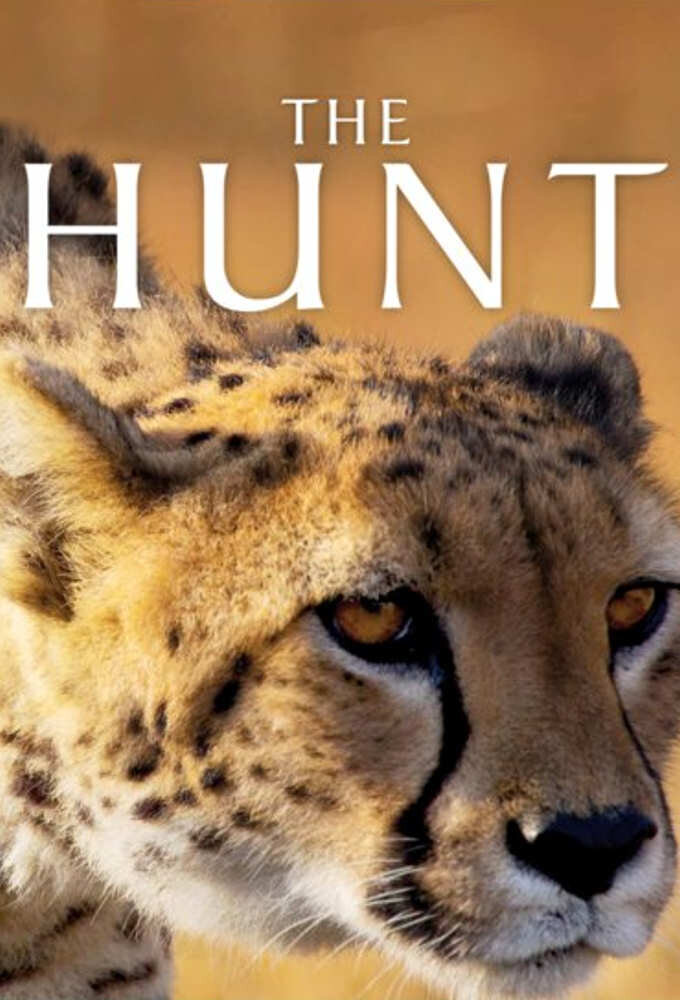
The Hunt2015
Five episodes, each focusing on a different hunting strategy. Combines Big Cat Diary's fascination with predator behavior and the thrill of the kill with elegant cinematography and real suspense.
But Graphic and occasionally brutal. Some sequences exist purely to show what a successful hunt looks like, and that's not for everyone.
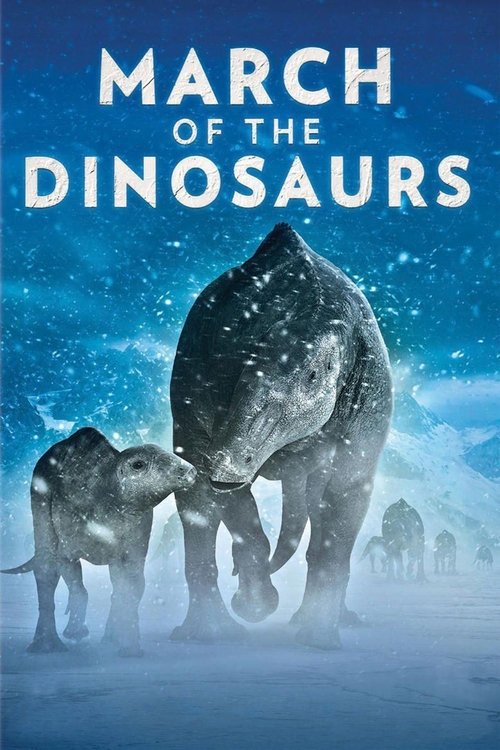
March of the Dinosaurs2011
Big Cat Diary's week-by-week, behavior-focused structure applied to creatures we can only imagine. Same patient storytelling, same stakes, entirely different substrate.
Exactly the same structure and approach as Big Cat Diary but applied to prehistoric animals—follow a herd of dinosaurs through a season of survival, danger and family bonds. Stunning and strangely moving despite being entirely speculative.
But It's speculative reconstructed footage, not real animals. Some viewers find that disappointing; others find it more impressive than any documentary.
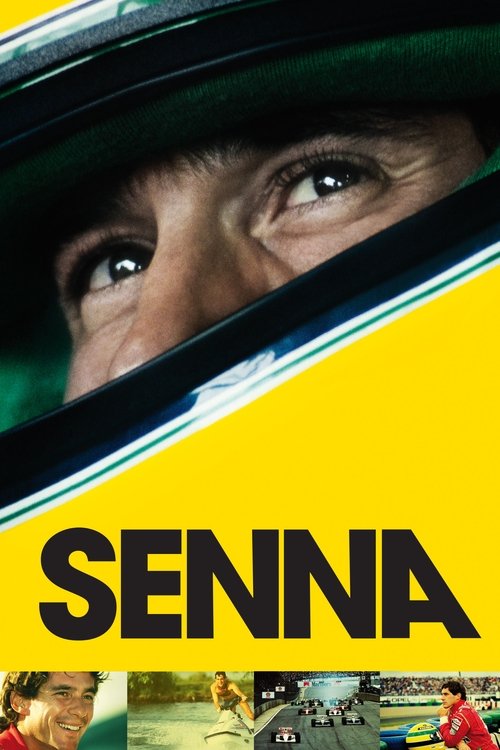
Senna2010
Both use sequential, episodic structure to reveal character and drive through observation. Big Cat Diary shows you how a leopard thinks by watching what it does; Senna does exactly that with a human predator.
A documentary about a Formula 1 driver, but structured exactly like Big Cat Diary: here's a week, here's the territory, here's the rival, here's the survival instinct. Ayrton Senna is a predator in a different ecosystem, and the film treats it with the same unflinching observation.
But You don't need to care about racing. The film is about obsession and dominance, which means it's actually about psychology, not sport—and some find that less visceral than animal survival.