
Film
The Social Life of Small Urban Spaces
- Light-hearted
William H. Whyte's 58-minute gem watches how people actually use city plazas and parks, turning urban sociology into pure visual storytelling. It's funny, intimate, and endlessly observant—a masterclass in noticing what's hiding in plain sight. For anyone who's wondered why some public spaces feel alive and others feel dead.
If you liked this
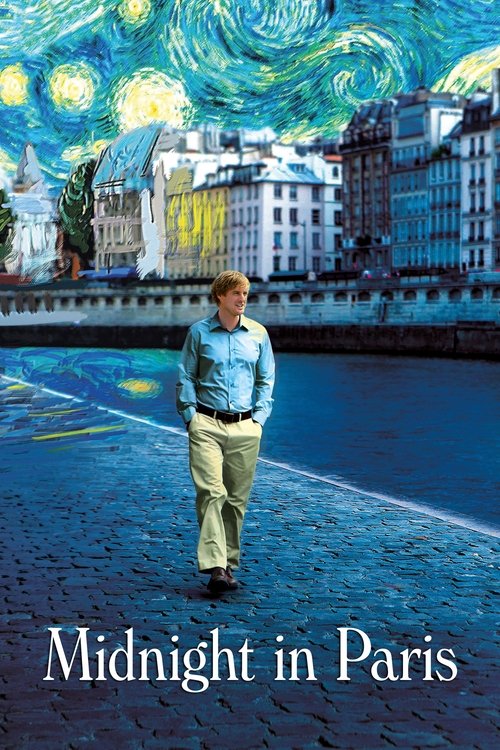
Midnight in Paris2011
It's a love letter to cities as lived spaces—how people move through them, what they notice, how architecture and streets shape mood and memory. The film itself embodies what Whyte studied: the romance of inhabited public space.
But It's a narrative romance, not a documentary, so if you want pure observation and analysis rather than plot, this trades rigour for whimsy.
Urbanized2011
Gary Hustwit's documentary asks why cities look and feel the way they do, featuring planners and designers grappling with the same questions Whyte raised about what cities are actually *for*.
But Spans too much ground and misses the laser focus on human behaviour that makes Whyte's film so magnetic.
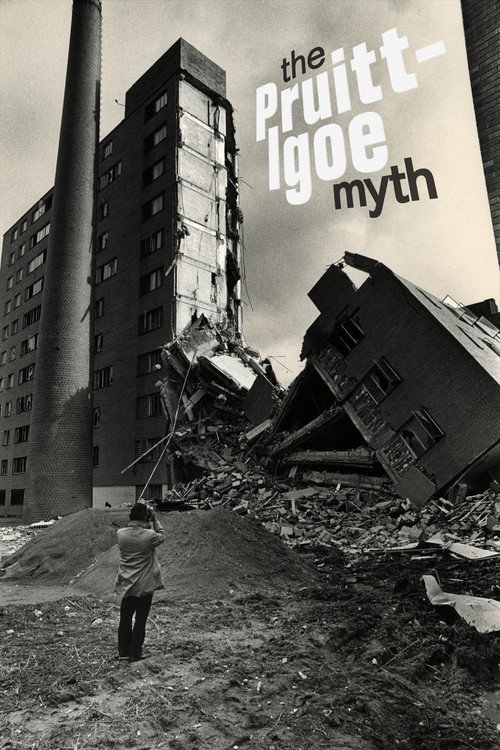
The Pruitt-Igoe Myth2012
A postmortem on a failed housing project that directly illustrates what happens when urban planners ignore the social life Whyte documented—essential context for understanding why observation matters.
But Darker and more polemical; lacks Whyte's gentle curiosity and warmth toward the people living in spaces.
Not sure tonight? Get a pick in a minute, starting from The Social Life of Small Urban Spaces
The wildcard
Something you would not have found on your own.
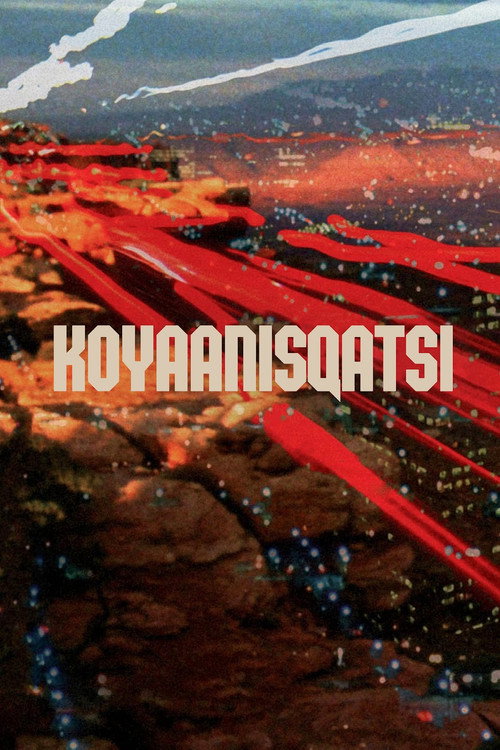
Koyaanisqatsi1983
Both films argue that to understand cities, you must watch them as they are, without judgment, and that beauty emerges from pattern and rhythm. Whyte uses observation; Koyaanisqatsi uses transformation of time itself.
A hypnotic wordless vision of human systems and natural spaces in collision, shot in gorgeous time-lapse and slow-motion that reveals patterns invisible in real time. It's what happens when you watch cities like Whyte did but at a different speed.
But No narration, plot, or conventional structure; it's pure rhythm and image, which feels pretentious or impenetrable to some. Requires surrender.
More like this (4)
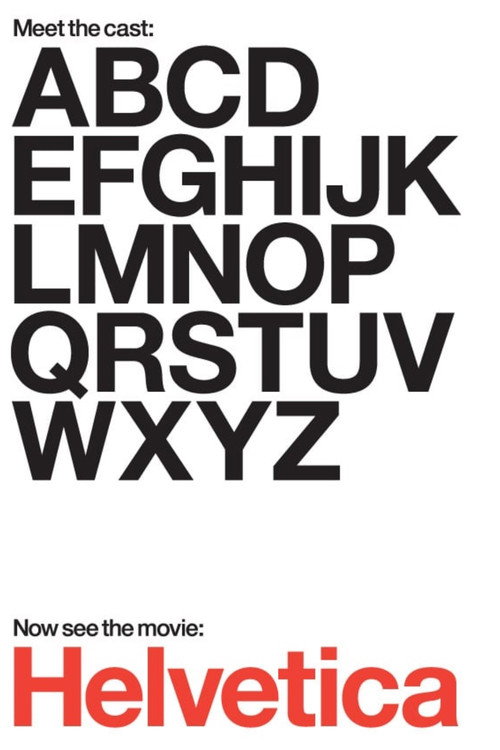
Helvetica2007
Like Whyte's film, it finds drama in things we walk past every day without seeing, proving that design is everywhere and shapes behaviour in invisible ways. Similarly wry and oddly funny.
But About typography rather than people or places, so if you want human behaviour at the centre, this is more abstract than you might want.
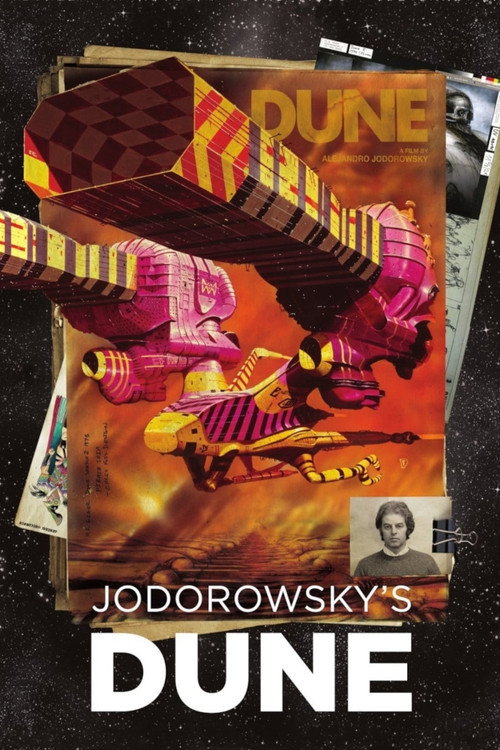
Jodorowsky's Dune2013
A meditation on unrealised vision and how spaces (and films) are meant to move people. The obsessive attention to how humans experience designed environments echoes Whyte's philosophy.
But Much weirder and more personal; it's about one man's creative fever dream, not systematic observation of ordinary behaviour.
Man with a Movie Camera1929
A silent Soviet classic that watches a city wake up and move through its day with the same patient, poetic attention to rhythm and human flow. The grandfather of observational cinema about urban life.
But Nearly a century old, completely without dialogue, and formally experimental—beautiful but almost abstract in how it treats people as visual elements rather than social beings.

Tokyo Story1953
Both are studies of how people inhabit spaces and move through them. Ozu's camera is as patient and non-judgmental as Whyte's, finding profound humanity in small repeated gestures and spatial relationships.
Ozu films people in domestic and public spaces with such tenderness and patience that you begin to see the poetry in ordinary movement and stillness. It's Whyte's sociology transmuted into narrative and emotion.
But Japanese, from 1953, deliberately slow, and plotwise almost nothing happens. If you want momentum or spectacle, the quietness will feel like nothing.

People
Cast
 William H. WhyteSelf
Directing
- William H. WhyteDirector
Writing
- William H. WhyteWriter