
Film
Visions of Eight
- Action
- Dip in and out
Eight master filmmakers each direct a segment of the 1972 Munich Olympics, turning athletic competition into cinema. It's essayistic and formally inventive—less sports coverage than meditation on bodies, ambition, triumph and failure. For anyone who loves cinema more than sports, or who wants to see how style transforms subject.
If you liked this
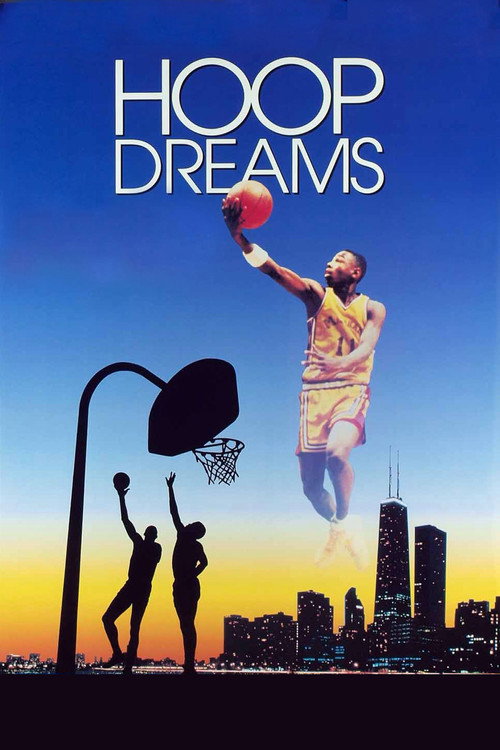
Hoop Dreams1994
A landmark documentary that treats athletic ambition with the moral weight and narrative complexity Visions approaches. Follows two basketball players across decades, unflinching about dreams deferred and systems that exploit hope.
But It's three hours and demands patience. The pacing is glacial by design, and some viewers find the repetition exhausting rather than deepening.
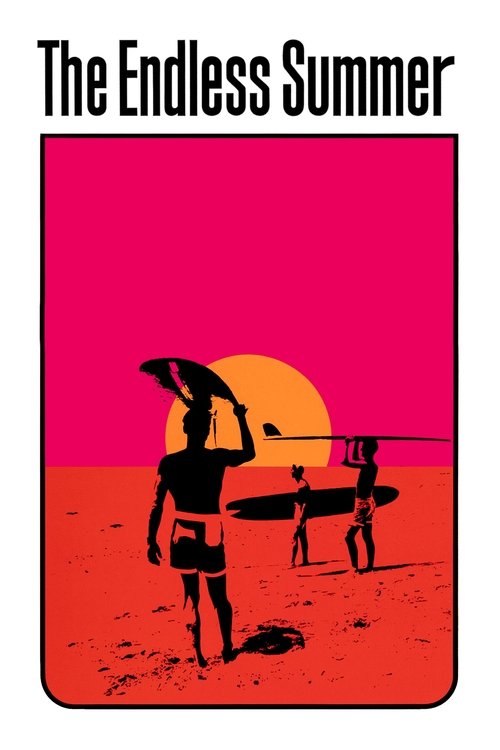
The Endless Summer1966
A joyous documentary about surfing that's really about chasing perfection across the globe. Like Visions, it transforms a physical pursuit into something philosophical and visually stunning, with minimal narration.
But It's from 1966 and moves at a 1960s pace. If you want dramatic stakes or conflict, you won't find much—it's pure wanderlust and aesthetics.
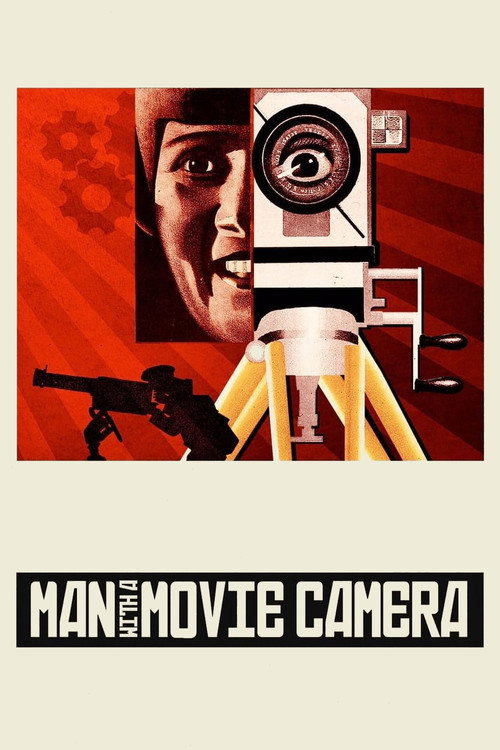
Man with a Movie Camera1929
A silent Soviet masterpiece about bodies and movement in the city. Shares Visions' fascination with cinema as formal experiment, with physicality as cinema's truest subject, and with how editing reveals truth beneath the surface.
But It's an avant-garde film from 1929 with no plot, dialogue, or conventional structure. Requires active viewing and patience with early cinematic language.
Not sure tonight? Get a pick in a minute, starting from Visions of Eight
The wildcard
Something you would not have found on your own.
Sans Soleil1983
Both use multiple formal approaches and directorial voices to examine how cinema can reveal truth about the human body and spirit in extreme moments.
Agnès Varda's poetic meditation on memory, travel and image-making. Employs multiple filmmakers and visual approaches (like Visions' anthology structure) to examine how cinema captures and distorts human experience. Profoundly moving without traditional narrative.
But Experimental and essayistic to the point of obliqueness. Narration drifts between languages; no plot. Demands active engagement and rewards it slowly—some find it impenetrable.

More like this (8)
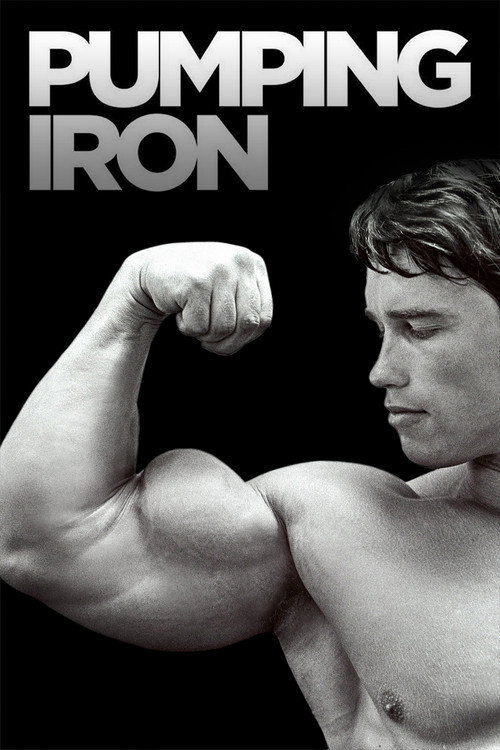
Pumping Iron1977
Arnold Schwarzenegger and Lou Ferrigno competing for the Mr. Olympia title. Like Visions, it captures the obsessive psychology of bodies pushed to extremes, mixing comedy and genuine pathos about what drives human ambition.
But It's more tabloid than art—campy, vain, occasionally sleazy. The gender politics are dated and cringey by today's standards.
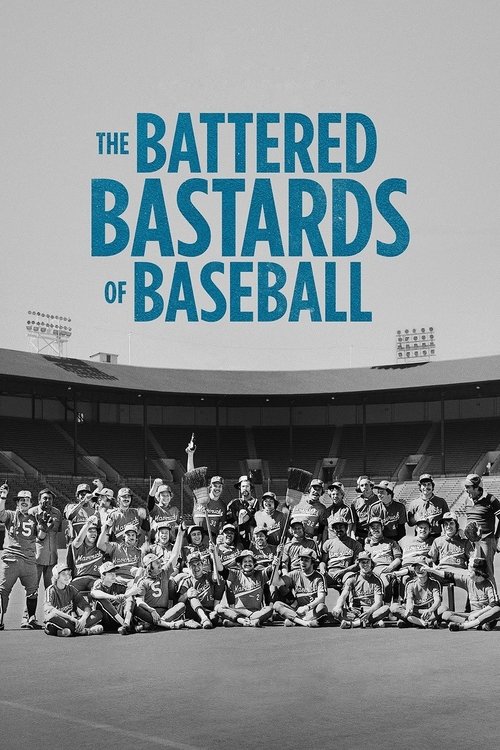
The Battered Bastards of Baseball2014
A documentary about outsiders playing baseball for the love of the game rather than glory. Captures the dignity in struggle and competition without high stakes—thematically aligned with how Visions sees athletic failure.
But It's sentimental and deliberately small. Lacks formal innovation or cinematic ambition; it's a good story told plainly rather than a formally interesting film.
Grey Gardens1976
The Maysles brothers' portrait of eccentric subjects filmed with observational precision. Shares Visions' interest in revealing character through bodies, movement and the texture of lived experience rather than narrative structure.
But It's a slow, unglamorous portrait of decline. No plot propels it; you're watching decay and delusion, which some find uncomfortable rather than compelling.

La Haine1995
Uses black-and-white cinematography and formal inventiveness to explore three young men navigating class and identity. Like Visions, it's a film about bodies and systems, using style to make the political visible and urgent.
But It's set in the French banlieue and confronts race and poverty directly. If you're watching for lightness or escape, this will challenge you more than entertain.

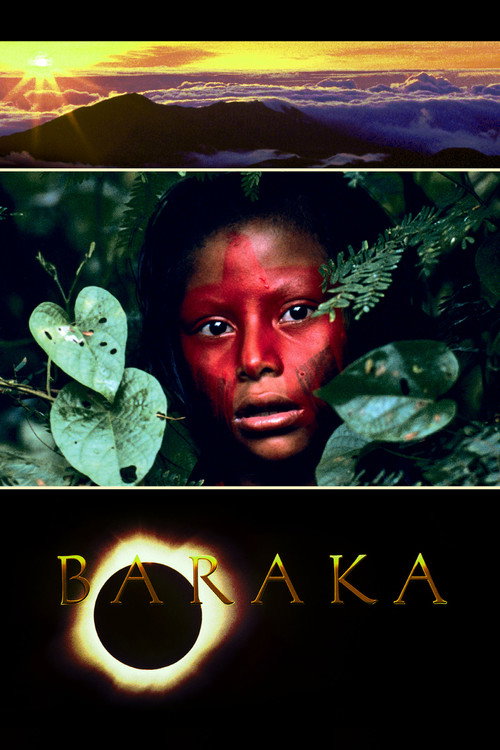
Baraka1992
A non-narrative global documentary told almost entirely through image and music, exploring human ritual and labor. Connects to Visions through formal audacity and the belief that cinema can reveal truths words cannot.
But There's no structure, plot or conventional reason to care. For some, it reads as a beautiful but empty travelogue; requires surrender to pure image.
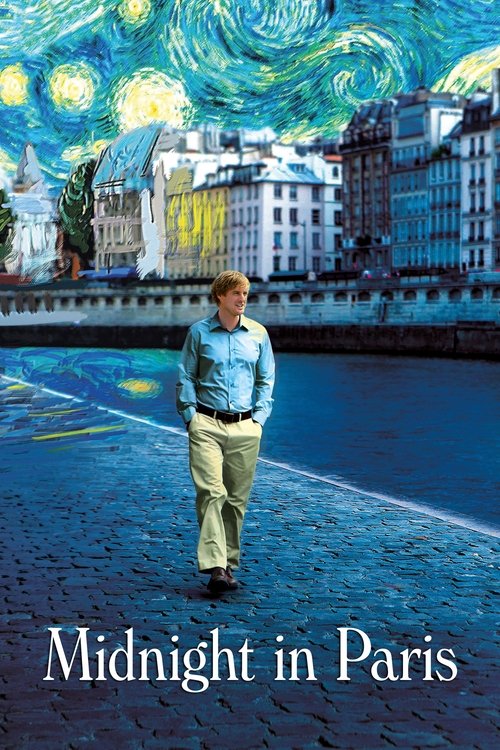
Midnight in Paris2011
A lighter option if you want warmth and nostalgia alongside formal playfulness. Owen Wilson's character time-travels to the 1920s, exploring how we mythologize the past—tangentially related to how Visions captures a moment as it becomes history.
But It's a crowd-pleasing Woody Allen film. If you're looking for formal innovation like Visions, this is mainstream entertainment dressed in period charm, not cinema pushing itself.
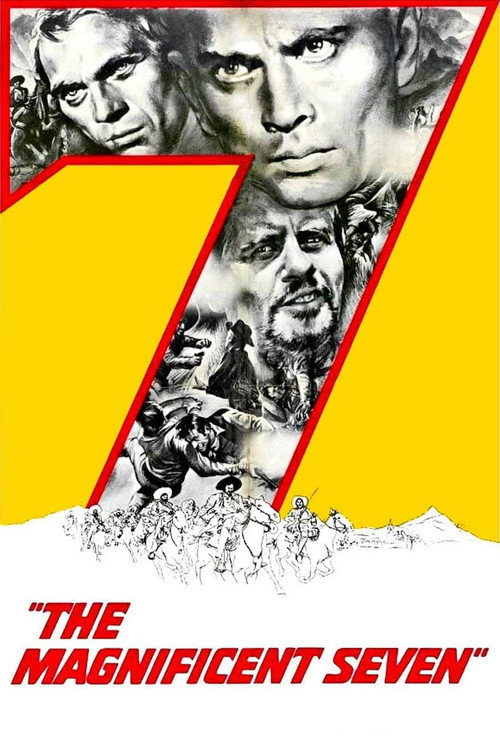
The Magnificent Seven1960
Both films treat physical mastery and bodily movement as the primary subject, with formal style devoted to making those movements visible and transcendent.
A genre film (the Western) that's really about bodies, skill and the aesthetics of masculine movement. Shares Visions' interest in watching skilled people at the peak of physical prowess, with style as the point rather than plot mechanics.
But It's a classical Hollywood Western. If you want avant-garde cinema or moral complexity, this is straightforward entertainment—formally conservative despite its elegance.
Come and See1985
Both use cinema's formal power to make invisible psychological states—shame, determination, annihilation—visible through the precision observation of the human body in extremity.
A Soviet war film that tracks a boy's initiation into violence through visceral, unblinking observation of bodies and destruction. Like Visions' weightlifting segment, it finds profound philosophy in watching the body under extreme physical and psychological stress.
But It's brutal, relentless and deeply traumatizing. This isn't entertainment—it's an endurance test designed to break the viewer's capacity for detachment about suffering.

People
Cast
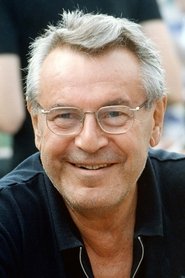 Miloš FormanNarrator
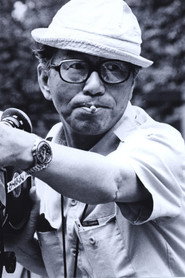 Kon IchikawaNarrator
 Claude LelouchNarrator
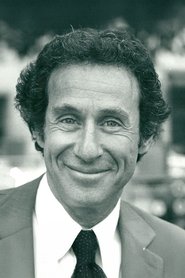 Arthur PennNarrator
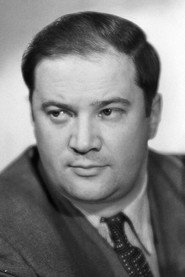 Yuri OzerovNarrator
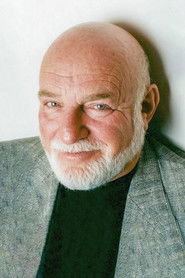 John SchlesingerNarrator
 Mai ZetterlingNarrator
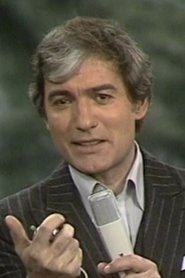 Michael PflegharNarrator
Directing
- Arthur PennDirector
- Claude LelouchDirector
- John SchlesingerDirector
- Kon IchikawaDirector
- Mai ZetterlingDirector
- Michael PflegharDirector
- Miloš FormanDirector
- Yuri OzerovDirector
Writing
- David HughesWriter
- Deliara OzerowaWriter
- Shuntaro TanikawaWriter
Production
- David L. WolperProducer
- Stan MarguliesProducer
Recommended by
Hands on a Hardbody: The Documentary, Making 'The Mahabharata'