
Film
The High Country
The High Country is a 1981 adventure film about two outsiders who escape civilization and find connection in the wilderness. It's a quiet, character-driven story that trades spectacle for intimacy—less about surviving nature than about what you discover when you stop running from yourself. For anyone who loves films where landscape becomes a mirror for the heart.
If you liked this
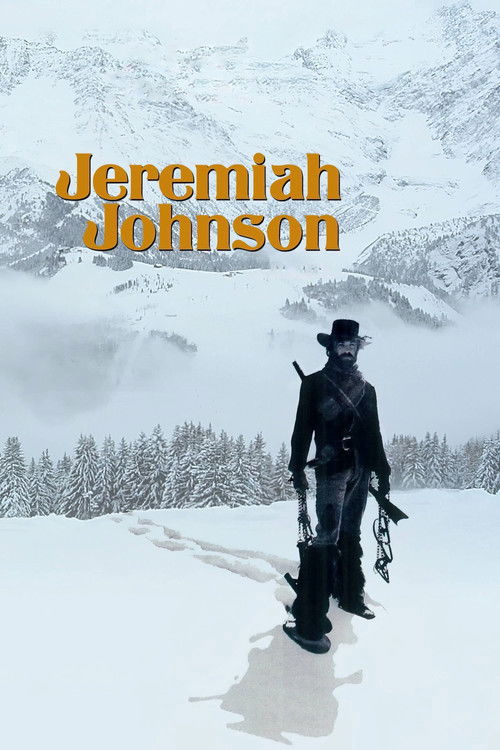
Jeremiah Johnson1972
Robert Redford as a mountain man seeking solitude and self-discovery in the wilderness. Like The High Country, it's meditative and focused on one man's spiritual journey rather than action heroics or plot mechanics.
But Slow-paced and deliberately quiet. Long stretches without dialogue, which demands patience and rewards it—but only if you're in the mood.
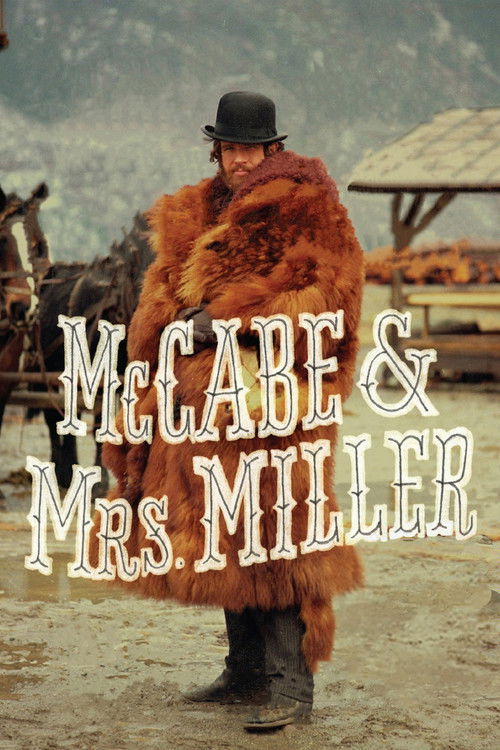
McCabe & Mrs. Miller1971
Warren Beatty and Julie Christie in a revisionist Western that prioritizes character and relationship over genre convention. The same commitment to intimate storytelling in a landscape that doesn't care about human drama.
But Deliberately anti-mythic and unsentimental. If you want the West to be majestic and heroic, you'll find this deliberately deflating.
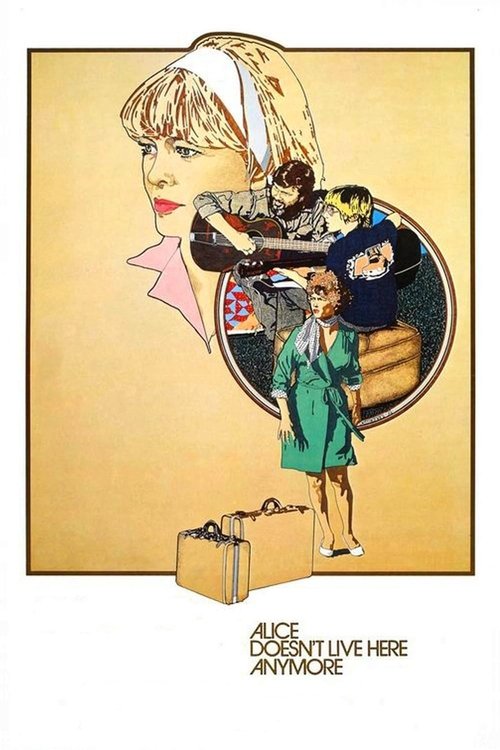
Alice Doesn't Live Here Anymore1974
Ellen Burstyn as a woman escaping her old life to find herself on the road. Like The High Country, it's about misfits seeking reinvention and the messy, uncertain reality of actually getting free.
But Episodic and unglamorous. The road doesn't transform her into a movie hero; she just keeps figuring things out, which can feel aimless if you want clearer narrative stakes.
Not sure tonight? Get a pick in a minute, starting from The High Country
The wildcard
Something you would not have found on your own.
Stalker1979
Both films trust landscape and silence to do the work of character revelation. Neither moves fast. Both ask what happens when you stop running.
Andrei Tarkovsky's hypnotic sci-fi meditation on desire, faith, and what we're running from. Completely different genre, but the same patient, unhurried investigation of the human heart. Landscape as spiritual mirror—and the journey inward as the only journey that matters.
But Soviet science fiction, nearly three hours long, with minimal plot and philosophical dialogue. If you don't speak Tarkovsky's visual language of silence and duration, it will feel like watching paint dry—worse, like watching it dry on purpose.

More like this (8)
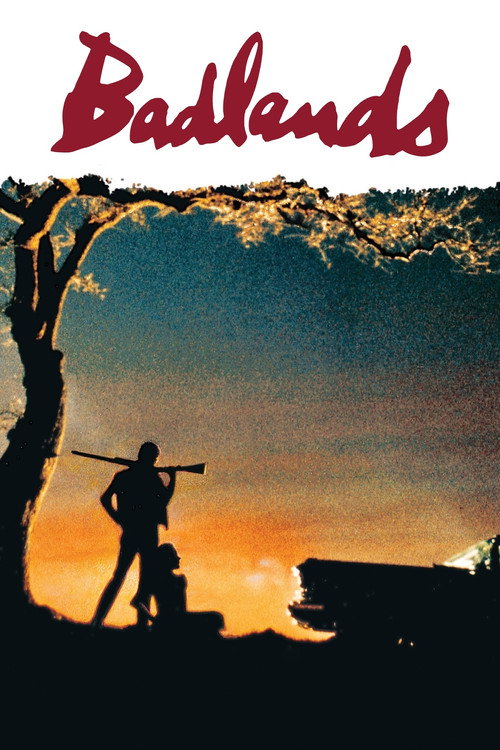
Badlands1973
Two young fugitives on the run, finding their own universe in nature and isolation. Terrence Malick's poetry elevates the outsider narrative into something lyrical and philosophical—the emotional core aligns perfectly with The High Country.
But Dense with voiceover and visual abstraction. The film prioritizes mood and image over plot clarity, which won't work if you need conventional storytelling to stay engaged.
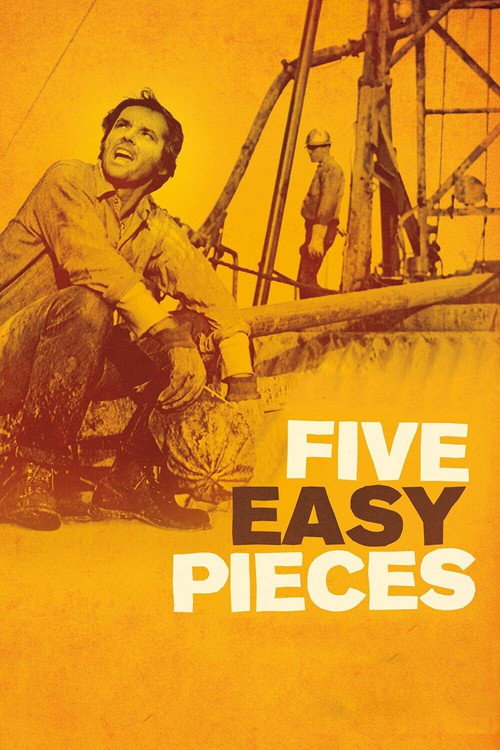
Five Easy Pieces1970
Jack Nicholson as a man between worlds, unable to fully commit to any life or relationship. The same DNA as The High Country: characters who don't fit and the quiet devastation that comes from running.
But Deeply melancholic without catharsis. There's no redemption arc here, and the ending offers no comfort—it's all drift and alienation.
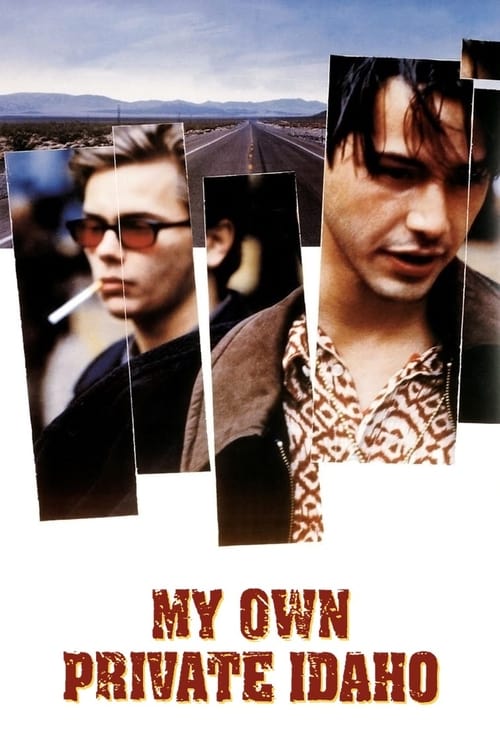
My Own Private Idaho1991
Gus Van Sant's portrait of street kids and misfits seeking connection in the margins. The same tender focus on outsiders finding each other, and the same willingness to sit with loneliness and longing.
But Deliberately unconventional structure and sexual content. The film challenges form itself, which can feel self-conscious or impenetrable if you're not ready for that.
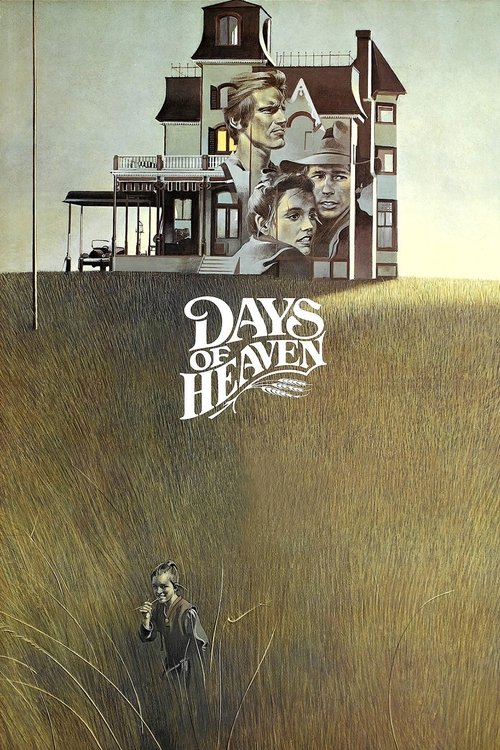
Days of Heaven1978
Terrence Malick again: fugitive lovers in the Texas Panhandle, where the landscape is as much a character as the people. Stunningly beautiful, but never glossy—nature is indifferent and the story is tinged with tragedy.
But Almost no dialogue and hypnotic pacing. If you need conventional narrative momentum, this will feel glacial, and Malick's visual poetry won't compensate if you're impatient.
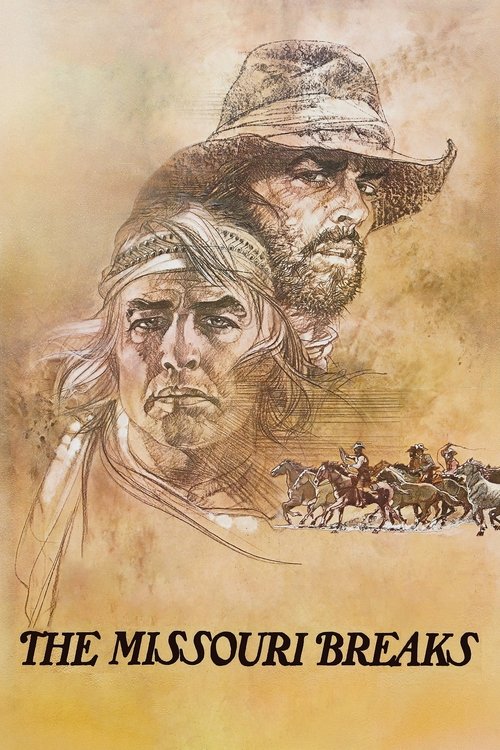
The Missouri Breaks1976
Marlon Brando and Jack Nicholson in a revisionist Western about outlaws and the frontier's mythology. Unconventional and character-focused, more interested in psychology than gunfights—the same post-Western sensibility as The High Country.
But Brando's performance is eccentric and wilfully strange. If you want consistency or a traditional Western, his unpredictability will feel like an actor indulging himself rather than serving the film.
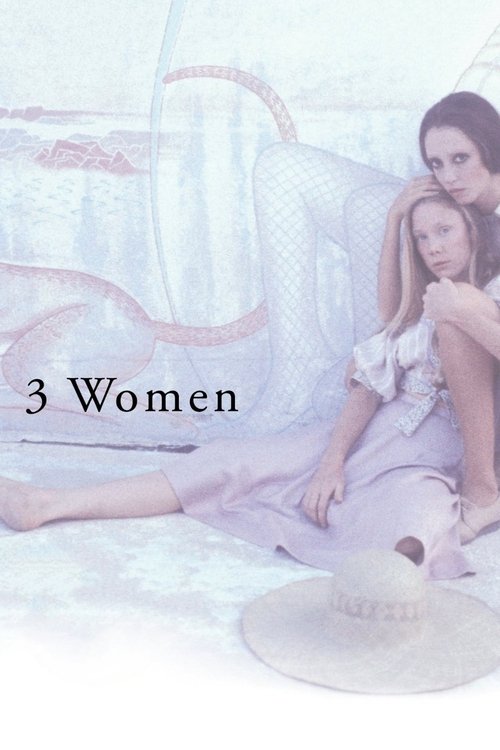
3 Women1977
Robert Altman's meditative character study about three women in the California desert finding connection and identity. Like The High Country, it's about misfits in a landscape, and about the quiet revelation that comes from being truly seen.
But Enigmatic and dreamlike. The narrative doesn't resolve; it accumulates, and if you need concrete answers or clear meaning, you'll leave frustrated rather than moved.
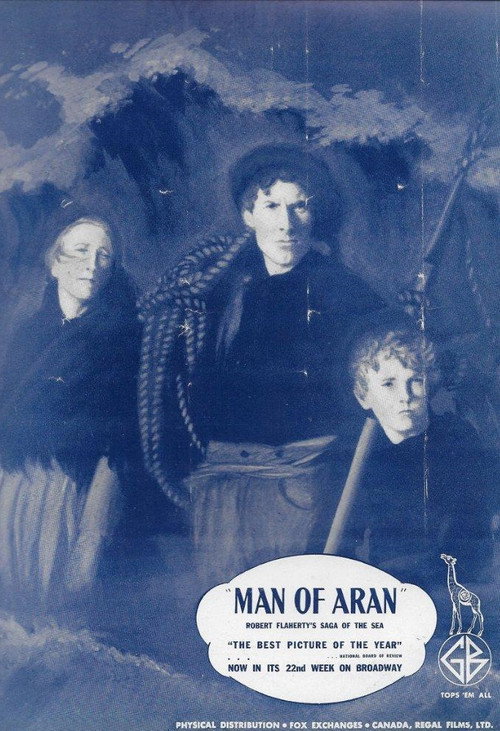
Man of Aran1934
The same philosophical gesture: humans as part of a landscape rather than conquerors of it. Survival stripped of romance. Community and love as the only rebellion against indifference.
Robert Flaherty's documentary-poem about a man and his family surviving on a remote Irish island. Shot in 1934 but feels timeless. Not quite narrative, not quite documentary—a pure distillation of humans against nature, rendered with extraordinary intimacy and visual poetry.
But Extremely slow and oblique by any standard. The 'story' is almost invisible; there's no dialogue, only sound and image. It demands you surrender to rhythm rather than plot, which many viewers simply won't do.
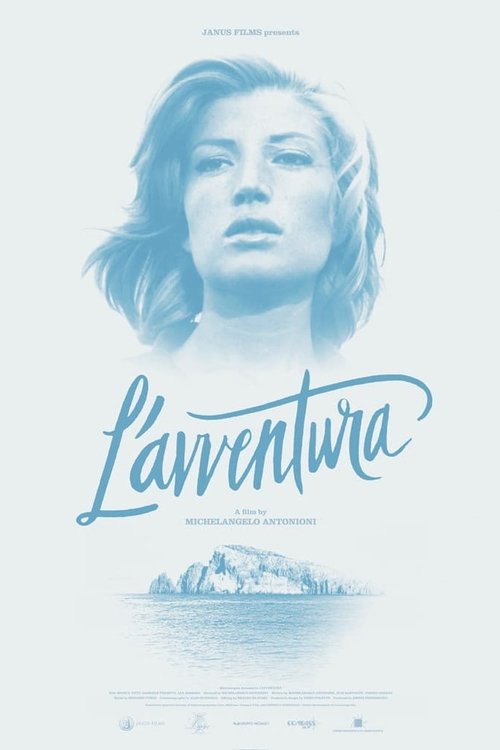
L'Avventura1960
Both films are about misfits in landscapes—but Antonioni's landscape is urban and social, not natural. Both ask: what do two people become when they step outside the world's expectations? And both answer: sometimes themselves, sometimes nothing at all.
Michelangelo Antonioni's masterpiece about a woman who vanishes and the two people left behind discovering they're more interested in each other than in finding her. A film about alienation that becomes a film about connection—searching for meaning in a landscape that offers none.
But Italian Neorealism for people who find Neorealism too cheerful. Slow, ambiguous, and fundamentally pessimistic about human connection even when people do connect. If you need meaning, clarity, or resolution, Antonioni will refuse you all three.
People
Cast
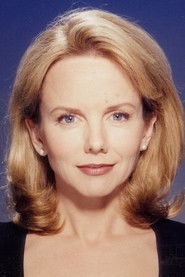 Linda PurlKathy
- George SimsLarry
- Bill BerryCarter
- Walter MillsClem
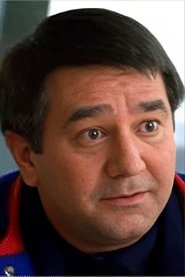 Paul CœurSqueaky
- Jon C. AndersenFilm Director
- Grant LoweFrank Wilson
- Marsha StonehouseMary Wilson
- Jack AckroydOfficer 'Randy'
- Murray OrdOfficer 'Duke'
- Richard E. ButlerHerbie
Directing
- Harvey HartDirector
Writing
- Bud TownsendWriter
Production
- Ken GordCo-Producer
- Gene SlottExecutive Producer
- Bruce MallenProducer