
Film
The Peak District
- Light-hearted
- Slow-burning
A 1954 documentary celebrating England's first National Park, narrated with assured elegance by Robert Shaw. Twenty minutes of pure landscape cinema: limestone dales, stone villages, and the Peak District's varied terrain filmed with a photographer's eye for light and texture. For anyone who loves walking, landscape, or the British countryside—or who simply wants to see how a place looked seventy years ago.
Should you watch it?
Watch it if you enjoy a patient, pictorial travelogue where the pleasure is in the look of the land, the slow pans over moor and dale, and a calm mid-century narrator guiding you through it.
Skip it if you want a story, characters, or any sense of momentum; this is a gentle tour of scenery and pastimes, and its charm depends entirely on your appetite for landscape.
What it asks of you: Twenty minutes of unhurried looking, with no plot to follow and nothing to decide, just a steady drift from heath to village to great house.
Not sure? Find tonight's pick in a minute.
The wildcard
Something you would not have found on your own.
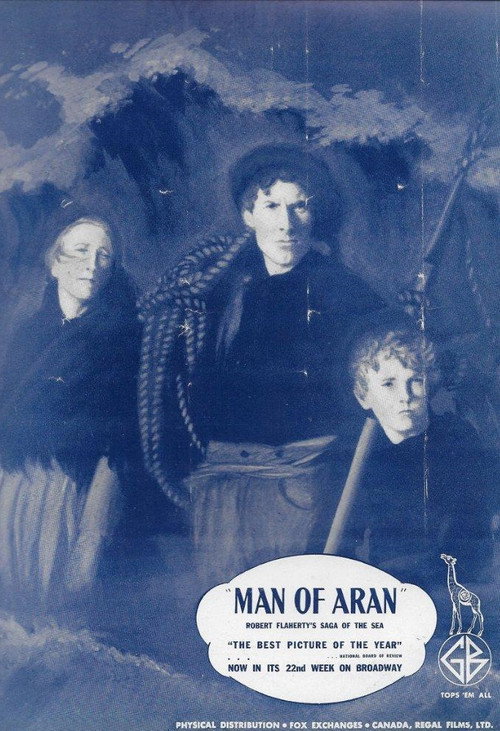
Man of Aran1934
Both are lyrical documentaries about place filmed by artists who loved landscape, but Flaherty shows landscape as a trial and Appleyard shows it as a gift. They're opposite faces of the same impulse.
Robert Flaherty's masterpiece about life on the Aran Islands—the other pole of British documentary cinema. Where The Peak District shows landscape as invitation and leisure, this shows it as an adversary you must live within. Extraordinary filmmaking, primal and unblinking.
But Flaherty stages sequences for dramatic effect rather than pure observation, which changes the documentary contract. Some footage is genuinely difficult to watch—the violence of the sea, the harshness of survival. Not a pastoral.
More like this (2)
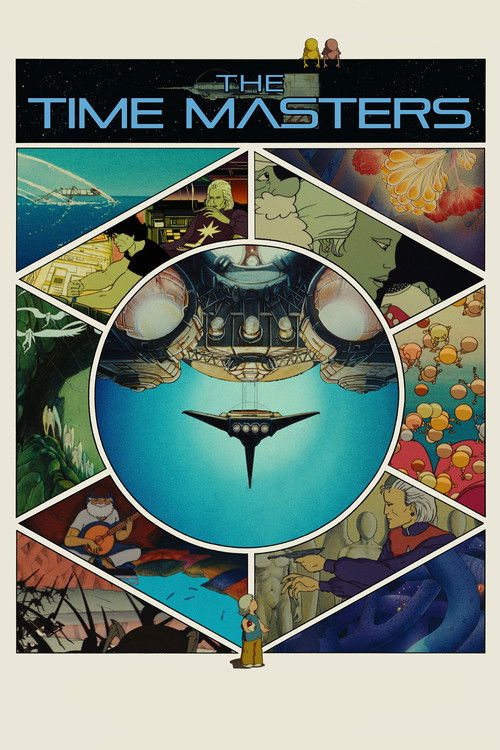
Time Masters1982
Both treat landscape with a reverence usually reserved for sacred objects. Both ask you to look at terrain as a subject worthy of sustained attention. But where the documentary is transparent and inviting, Tarkovsky is cryptic and demanding.
Andrei Tarkovsky's science-fiction film is built almost entirely from landscape—slow, hypnotic, geological. It transforms terrain into something metaphysical. If you felt The Peak District's quiet power, this is what that feeling looks like when it becomes philosophy.
But A challenging 103 minutes with almost no dialogue and a narrative that moves at the pace of erosion. Tarkovsky is not for everyone; his register is austere and demanding. Many viewers find it incomprehensible or tedious.
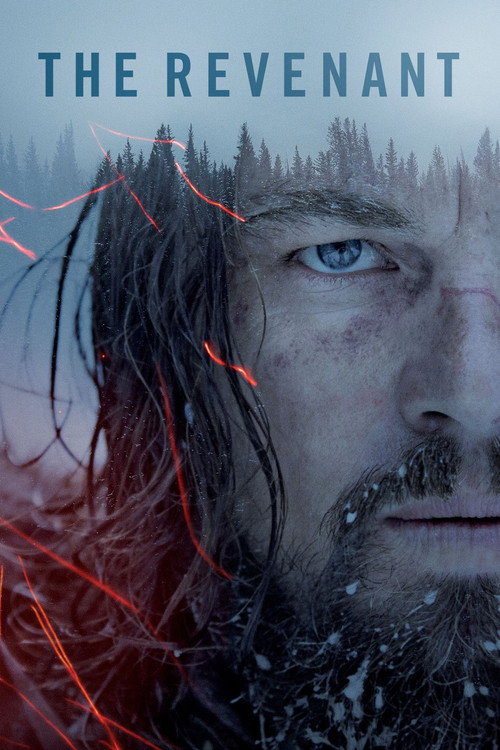
The Revenant2015
Both films are love letters to landscape filmed in different eras with different tools, but The Revenant's brutalism is the inversion of The Peak District's invitation. Same subject, opposite tone.
Emmanuel Lubezki's cinematography transforms wilderness into visual poetry—every frame is composed like a painting. If The Peak District made you want to see landscape filmed beautifully, this is what happens when you point a camera at truly wild terrain and give it to a master.
But It's a survival thriller with violence and suffering at its core, which is a completely different register from the contemplative documentary. The landscape serves a brutal story, not itself. Also nearly three hours.
People
Cast
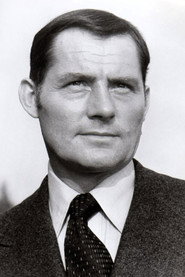 Robert ShawSelf – Narrator (voice)
Directing
- Peter SimsDirector
Writing
- Joseph BraddockWriter
Production
- Edgar AnsteyExecutive Producer
- Ian FergusonProducer