
Television series
The Dating Game
- Romance
- Light-hearted
- Dip in and out
The Dating Game is a 1965 game show where a bachelorette questions three hidden men and picks one for a date based purely on their answers. It's a delightful time capsule of mid-century courtship rituals, gender dynamics, and earnest romance packaged as light entertainment. Perfect for anyone curious about how America once played matchmaker on television.
Should you watch it?
Watch it if you find a certain vintage pleasure in watching ordinary courtship turned into a parlor contest, where the banter and the cheerfully awkward questions do all the work.
Skip it if you want a plot, characters who develop, or sharp modern edges; it is breezy mid-century shtick with little beneath the surface.
What it asks of you: Its running time is short, roughly 25 minutes, and it moves at a snappy clip, asking only light attention and patience for repeated formats.
Not sure? Find tonight's pick in a minute.
If you liked this
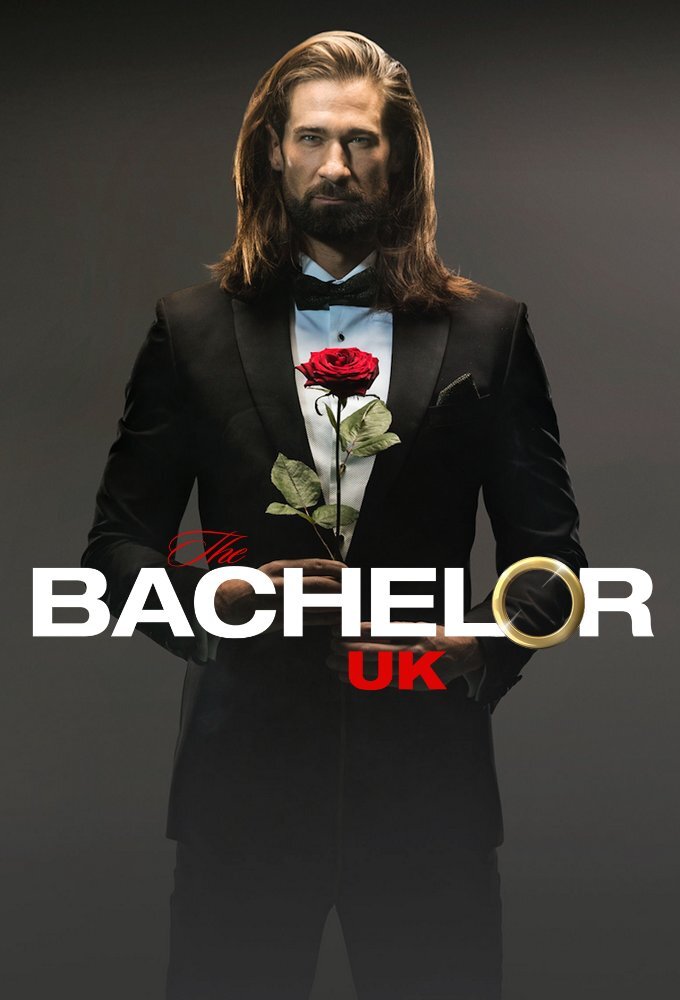
The Bachelor2003
Same core formula—a single person chooses from multiple suitors—but updated for the Instagram era with travel, drama, and production values that would make 1965 gasp. A natural evolution of what The Dating Game invented.
But The romance is theatre; the stakes are reputation and sponsorships. If you want genuine connection rather than spectacle, this isn't it.
Love Connection1983
Hosted by Chuck Woolery with the same DNA as The Dating Game, but faster-paced and funnier. Couples who've already dated come back to analyze what went wrong, adding a layer of hindsight and comedy the original never had.
But It's very 1980s in tone—slicker, louder, less charming than the original's earnest sincerity. Some find it exhausting.
Love Island2019
Scales The Dating Game's core idea to a full series: young people must judge compatibility based on conversation and chemistry rather than looks. The long-form storytelling lets actual relationships—and actual failures—unfold.
But It's a commitment. Seasons run eight weeks. Also: far less innocent than its ancestor, with explicit sexual content and manufactured drama designed for social media outrage.

Not sure tonight? Get a pick in a minute, starting from The Dating Game
The wildcard
Something you would not have found on your own.
Breakfast at Tiffany's1961
Both are obsessed with the theatre of dating in the mid-century American imagination. The Dating Game is what matchmaking looks like as spectacle; Breakfast at Tiffany's is what it looks like as self-invention.
Released two years before The Dating Game, it's the same era's most romantic film—but it knows that romance and independence aren't compatible, that charm can mask loneliness, and that being choosy about men and being desired are different games. Holly Golightly plays courtship as performance art.
But The film has aged awkwardly around race and class. Also: if you want a happy ending, the ending is ambiguous at best. Some find the whole thing precious rather than profound.

More like this (4)
Singled Out1995
A 1990s remix where contestants eliminate potential dates through absurdist questions and physical challenges. Hosted by Chris Hardwick and Jenny McCarthy, it's loose and genuinely funny in a way that updates The Dating Game for a generation that doesn't take romance seriously.
But The humour is broad and the whole thing feels like a joke at romance's expense. If you want to feel good about love, look elsewhere.

Elimidate2001
One person goes on four rapid dates in a single episode, eliminating contenders between rounds. It's The Dating Game's speed-dating descendant: high-volume, quick judgement, and occasionally brutal honesty about who doesn't make the cut.
But The dates are shallow by necessity. There's no time for real conversation, so it devolves into surface judgements and forced banter.
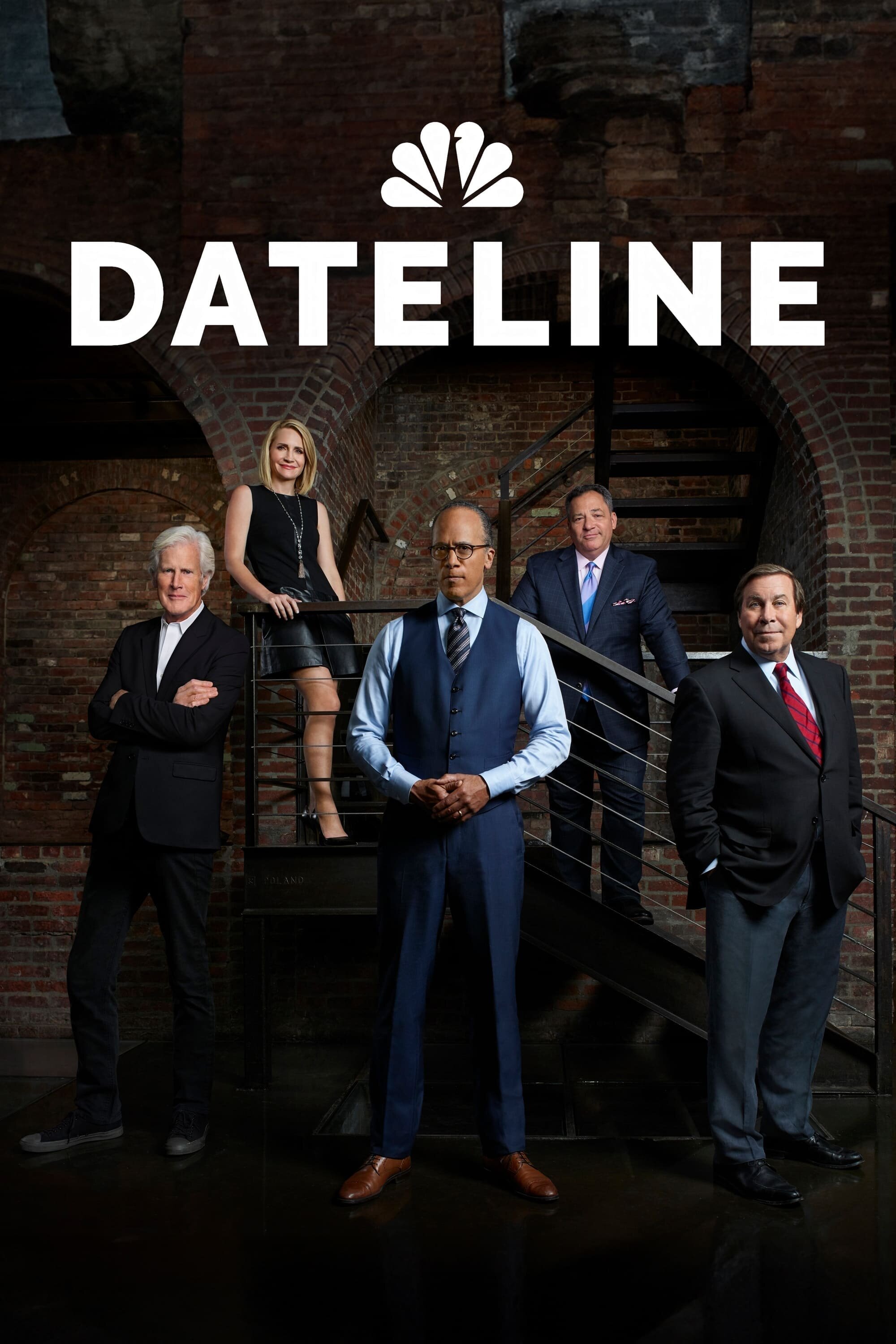
Dateline NBC2012
Same structure, opposite register. The Dating Game asks 'can you choose a good date from questions alone?' Dateline asks 'what if the person answering the questions is grooming someone?' One is light romance; the other exposes how easily that format can weaponize trust.
To Catch a Predator was a real-world inversion of The Dating Game: hidden cameras watching men answer questions from someone they believed to be a romantic prospect, then confronting them when their intentions proved monstrous. It's what happens when dating-show surveillance meets actual jeopardy.
But It's deeply upsetting and designed to provoke. The show uses entertainment framing for genuinely dark material. Not a comfort watch; genuinely disturbing.
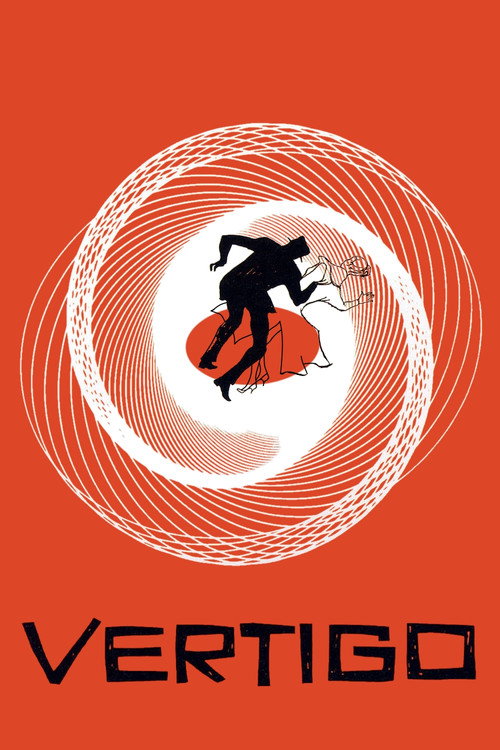
Vertigo1958
The Dating Game assumes you can know someone through questions and conversation. Vertigo is the nightmare version of that assumption—what if you're just projecting? What if the person you're choosing doesn't exist?
Hitchcock's masterpiece about a man who reconstructs a woman according to his fantasy rather than accepting who she actually is. It's about courtship as obsession, desire as delusion, and the gap between the person you think you're dating and the person standing in front of you.
But It's bleak, vertiginous, and genuinely disturbing. If you go in expecting romance, you'll be shaken. Also: it's 2 hours and 28 minutes of slow-burn psychological horror, not light entertainment.
People
Cast
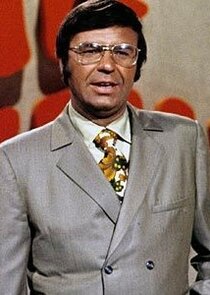 Jim LangeHost
 Johnny JacobsAnnouncer
Writing
- Chuck BarrisCreator
Recommended by
Love Is Blind, The Bachelor, Love Island, Married at First Sight, Frozen Planet II, Perfect Match, Love, American Style, Love Connection, Singled Out, The Life of Birds, Flirty Dancing, The Green Planet, Deadly 60, Attenborough's Life in Colour, Room Raiders, Who Wants To Marry My Dad?, The Living Planet, Inside Nature's Giants