
Film
DMT: The Spirit Molecule
A 75-minute dive into Rick Strassman's clinical DMT research and the compound's place in consciousness, spirituality, and neuroscience. Interviews with volunteers, mathematicians, rabbis, and researchers create a documentary that treats a hallucinogen with genuine intellectual curiosity. For anyone fascinated by altered states, the brain, or where science and mysticism overlap.
Should you watch it?
Watch it if you are curious about consciousness and enjoy big speculative questions chewed over by a mix of scientists, a rabbi and a mathematician, with the sense that nobody has it fully figured out.
Skip it if you want hard data and a tight argument, since this is a loose, talky tour of its subject whose pace sags when the interviews pile up.
What it asks of you: It is short at seventy-five minutes and mostly sits you in front of people talking, so it asks patience for ideas more than rapid cutting or visual payoff.
Not sure? Find tonight's pick in a minute.
If you liked this
Fantastic Fungi2019
A beautifully shot documentary about psilocybin mushrooms that shares the same sense of wonder at how a simple organism can rewire consciousness. Paul Stamets is as charismatic as Strassman, and the science feels urgent.
But Slower paced and more focused on ecology than pharmacology—if you want hard neuroscience, this drifts toward poetry.
The Midnight Gospel2020
An animated series that uses psychedelic visuals and conversations about consciousness, mortality, and meaning-making. It captures the philosophical vertigo that DMT research provokes, but in narrative form with genuine heart.
But Deliberately surreal and sometimes silly—if you want clinical distance and serious tone throughout, this gets weird in ways that feel flippant.
How to Change Your Mind2022
Michael Pollan's four-part series on psilocybin, LSD, and mescaline research. Rigorous reporting, beautiful cinematography, and a skeptical but open-minded host walking through decades of neuroscience and lived experience.
But Focuses on classical psychedelics rather than DMT specifically, and some episodes feel more like a therapeutic journey than an investigation.
Not sure tonight? Get a pick in a minute, starting from DMT: The Spirit Molecule
The wildcard
Something you would not have found on your own.
Stalker1979
Both grapple with the unbridgeable gap between the experience of transcendence and the ability to articulate or verify it. Tarkovsky shows the yearning; DMT shows the neuroscience. Together they frame the central mystery: what happens when the mind touches something larger?
Andrei Tarkovsky's science fiction masterpiece about a journey into a mysterious zone in search of a room that grants wishes. It's a three-hour meditation on desire, consciousness, and the impossibility of knowing what you're actually seeking.
But Glacially slow, deliberately opaque, and demands active interpretation. No plot in the conventional sense—you must surrender to mood and meaning-making rather than narrative momentum.

More like this (6)
The Last Temptation of Christ1988
Scorsese's controversial exploration of spiritual experience, altered perception, and the difficulty of knowing what's real when your mind is rewriting your reality. Uses visual distortion brilliantly to convey disorientation.
But A religious film that will provoke or alienate depending on your beliefs. Three hours long and deliberately slow in places.
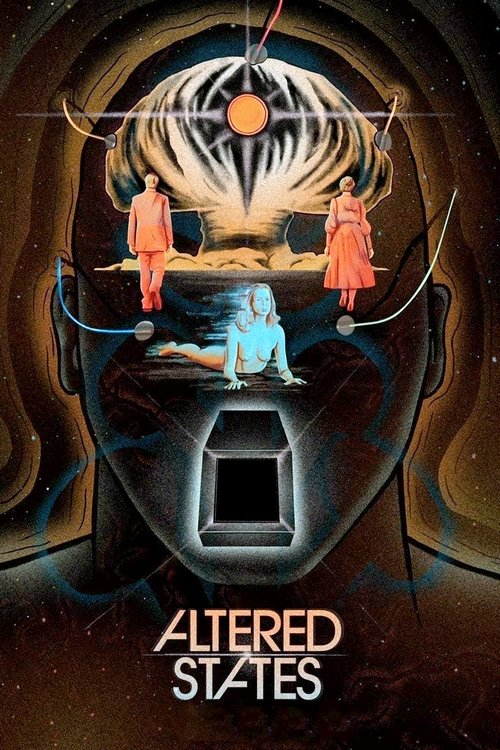
Altered States1980
A 1980 thriller about a neuroscientist experimenting with sensory deprivation and hallucinogens. It's campy, propulsive, and genuinely explores themes of ego death and the dangers of chasing transcendence.
But Wildly dated special effects and hammy acting—it plays partly as unintentional comedy now, which some will love and others will find distracting.
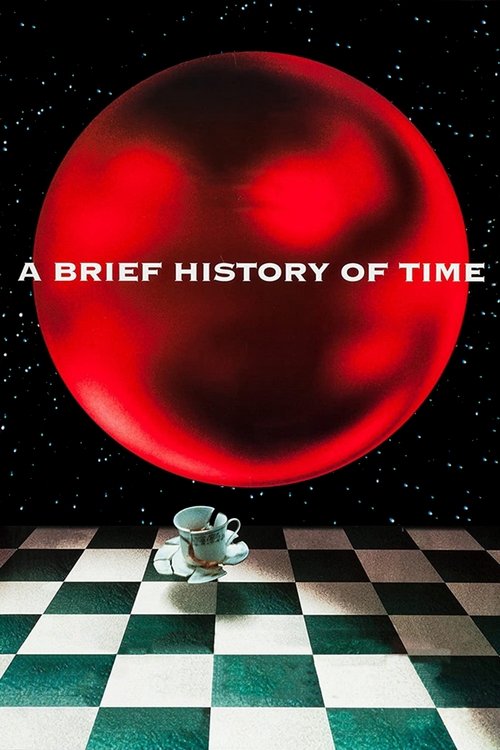
A Brief History of Time1991
Errol Morris's documentary about Stephen Hawking demonstrates that intellectual ambition and visual imagination belong together. It shows how to make abstract ideas visceral without dumbing them down.
But About physics and cosmology, not neuroscience—requires comfort with abstraction and theoretical thinking as entertainment.
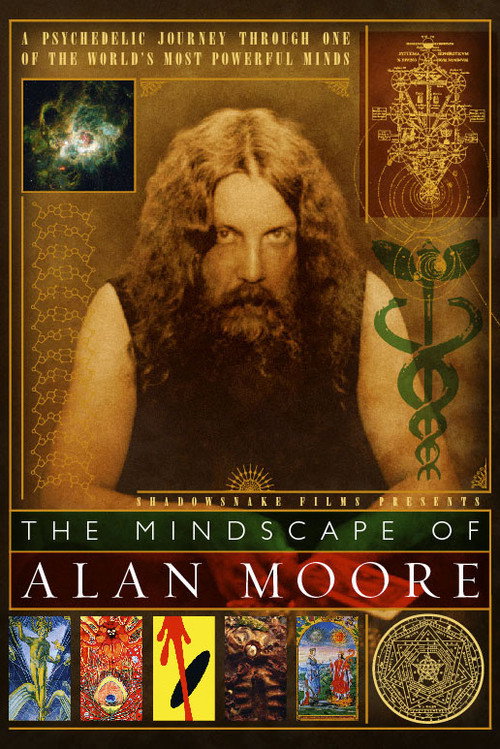
The Mindscape of Alan Moore2003
A portrait of the comic book writer exploring consciousness, magic, and the creative mind. Moore's ideas about perception and reality align with what DMT research raises, delivered through an eccentric intellectual you'll enjoy watching.
But Focuses on comics and occultism rather than neuroscience; Moore himself is deliberately obscure and sometimes pretentious.
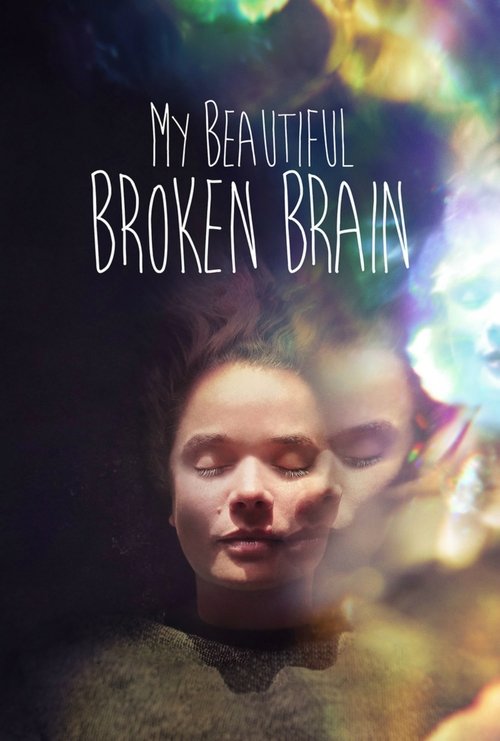
My Beautiful Broken Brain2014
A documentary about neuroplasticity and consciousness told through one woman's recovery from a stroke. It shows how fragile and remappable the brain is, which contextualizes why DMT's effects are so neurologically significant.
But More personal therapy narrative than scientific inquiry—some viewers find the therapeutic arc sentimental rather than revelatory.
The Act of Killing2012
DMT research often discusses ego death, the dissolution of self, and the question of whether consciousness is constructed or fundamental. This film shows the opposite: how consciousness constructs and weaponizes reality. It's the dark mirror to DMT's transcendence.
A documentary in which Indonesian death squad perpetrators reenact their murders for the camera, staging them as Hollywood films and musicals. It's a brutal, disorienting exploration of how consciousness, narrative, and reality construction become instruments of harm.
But Morally and emotionally devastating. Asks you to sit with people describing atrocities while they perform them. Not intellectual curiosity—genuine distress is the point, and some won't want to be disturbed that way.

People
Cast
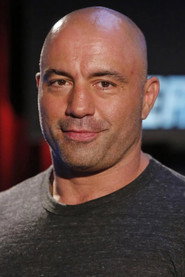 Joe RoganSelf - Host
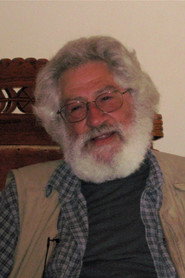 Ralph AbrahamSelf - Mathematician
- Joel BakstSelf - Rabbi
- Steven BarkerSelf - Pharmacologist
- Cynthia GeistSelf - DMT Study Nurse
- Susan BlumenthalSelf - DMT Volunteer
- Patricio DominguezSelf - DMT Volunteer
- Neal GoldsmithSelf - Psychologist
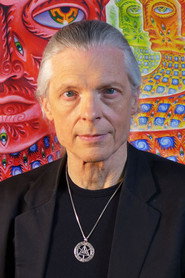 Alex GreySelf - Artist
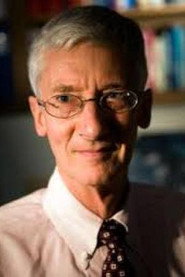 Roland GriffithsSelf - Behavioral Pharmocologist
- Charles GrobSelf - Psychiatrist
- Kathleen HarrisonSelf - Ethnobotanist
Directing
- Bryan FergusonAssistant Director
- Mitch SchultzDirector
Writing
- Mitch SchultzWriter
- Rick StrassmanWriter
Production
- Craig GaransuayExecutive Producer
- Justin CorsbieExecutive Producer
- Chris OhlsonLine Producer
- Andrew Shinjang LeeProducer
- Mitch SchultzProducer
- Rick StrassmanProducer
- Kerri SmeltzerProduction Manager
Recommended by
Fantastic Fungi, Have a Good Trip: Adventures in Psychedelics