Television series
How to Change Your Mind
A four-part Netflix docuseries built around journalist Michael Pollan, each hour devoted to a different psychedelic — LSD, psilocybin, MDMA, mescaline — tracing its science, its suppression, and its cautious clinical comeback. It's calm, well-produced, and genuinely curious rather than preachy, mixing lab footage, history and first-person trip accounts. Good for the mildly curious, not for anyone wanting a hard science deep-dive or a wild ride.
Should you watch it?
Watch it if you are curious about the science and history behind psychedelics and want a clear-eyed guide who admits his own skepticism as he goes, rather than a hype reel.
Skip it if you want a dry, lab-focused science series, because Pollan's personal reflections and gentle narration sit at the heart of it.
What it asks of you: Four episodes of under an hour each, unhurried and conversational, asking you to stay with historical detail and ideas more than any plot.
Not sure? Find tonight's pick in a minute.
If you liked this
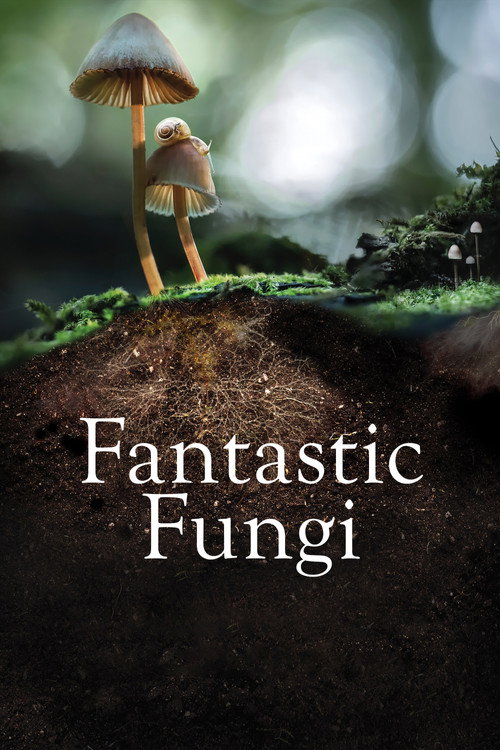
Fantastic Fungi2019
Gorgeous, hypnotic documentary about mushrooms that drifts into psilocybin's therapeutic promise — Pollan himself appears in it, and the time-lapse fungal photography alone is worth the runtime.
But It leans mystical and New Age at times, favouring wonder over rigorous science.
Have a Good Trip: Adventures in Psychedelics2020
Same Netflix, same subject, completely different mood — celebrities recounting their wildest trip stories with dramatised re-enactments. Funny, loose, a great chaser to something so measured.
But It's played for laughs, so if you wanted the clinical or historical angle this will feel frivolous.
The Mind, Explained2019
Vox's bite-sized Netflix series on how the brain works, covering memory, dreams and anxiety in the same crisp, friendly explainer style — a natural companion piece for the neuroscience-curious.
But Episodes run under 20 minutes, so nothing gets more than a surface treatment.
Not sure tonight? Get a pick in a minute, starting from How to Change Your Mind
The wildcard
Something you would not have found on your own.
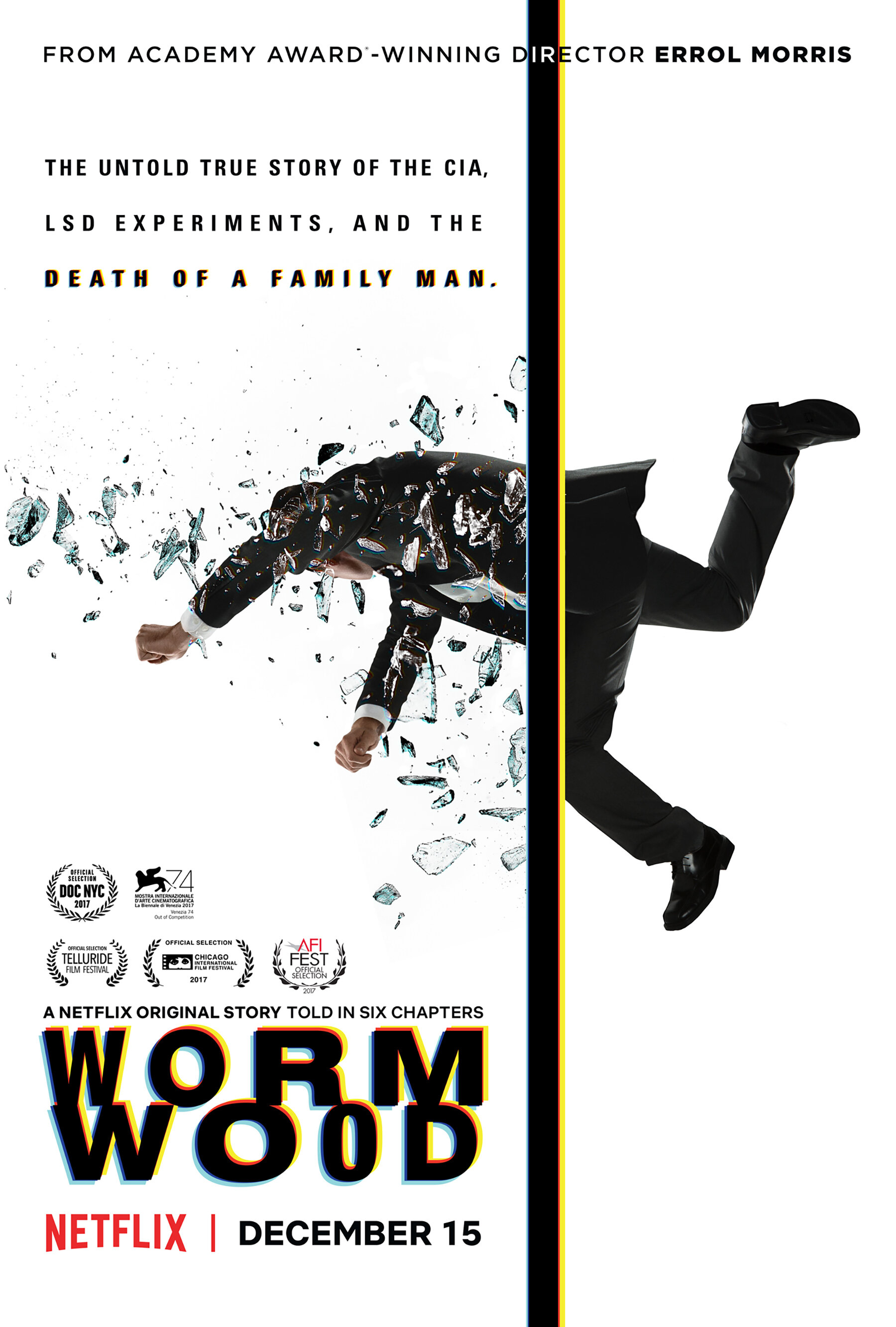
Wormwood2017
Same substance, opposite institution: where Pollan's series tells LSD's rehabilitation story, this is the buried history of the US government trying to use it as a weapon — the shadow side of the same molecule.
Errol Morris's genre-bending docudrama excavates the CIA's Cold War LSD experiments — the same drug Pollan frames as a hopeful frontier, here weaponised in secret and covered up for decades.
But It's slow, repetitive by design, and mixes staged dramatisation with interview footage in a way some viewers find disorienting.
More like this (7)
(Un)Well2020
A Netflix docuseries interrogating the wellness industry — CBD, essential oils, bee-sting therapy — with the same balance of sympathy and skepticism Pollan brings to psychedelics.
But Some episodes feel thinner than others, and the tone occasionally tips into gentle mockery.

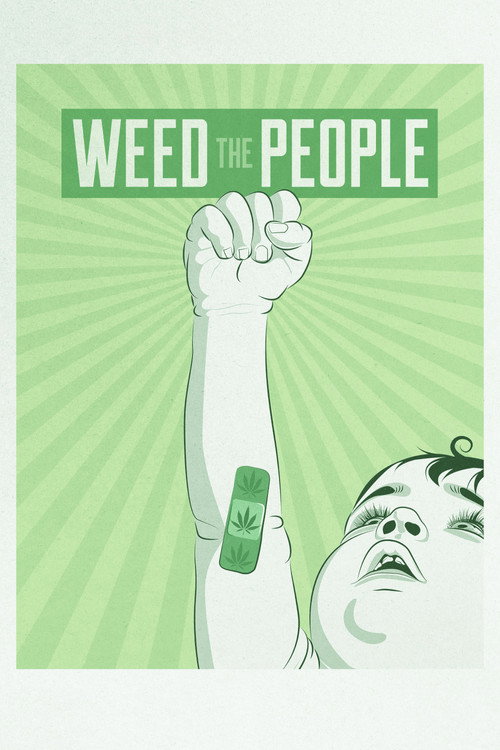
Weed the People2018
A moving documentary following families using medical cannabis to treat children's cancer — the human stakes of drug stigma and legal grey zones, told without cynicism.
But It's emotionally heavy and advocacy-driven rather than balanced or clinical.
Icarus2017
An Oscar-winning documentary that starts as personal experiment — a filmmaker doping himself to test anti-doping systems — and spirals into a state conspiracy. Great model of the first-person investigative doc.
But It's about sport and Russian espionage, not drugs-as-medicine, so the subject swerves hard partway through.

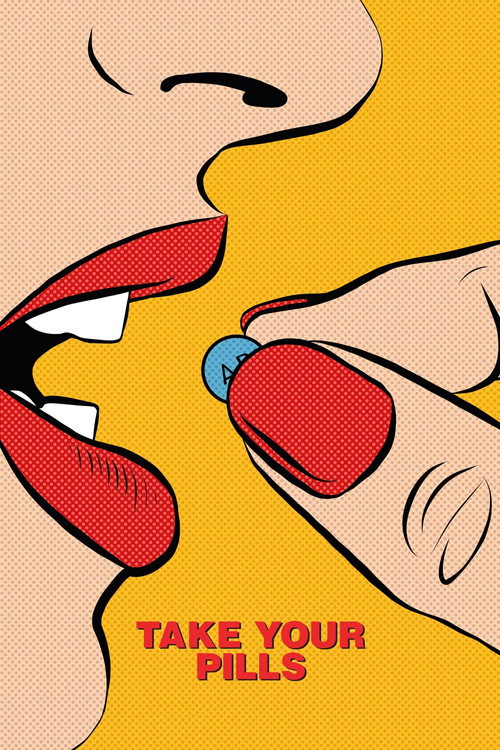
Take Your Pills2018
A tight, unsettling look at America's relationship with Adderall and academic/professional performance pressure — same questions about what we're willing to alter about ourselves, and why.
But It's narrower and more journalistic, without the historical sweep or visual imagination of Pollan's show.
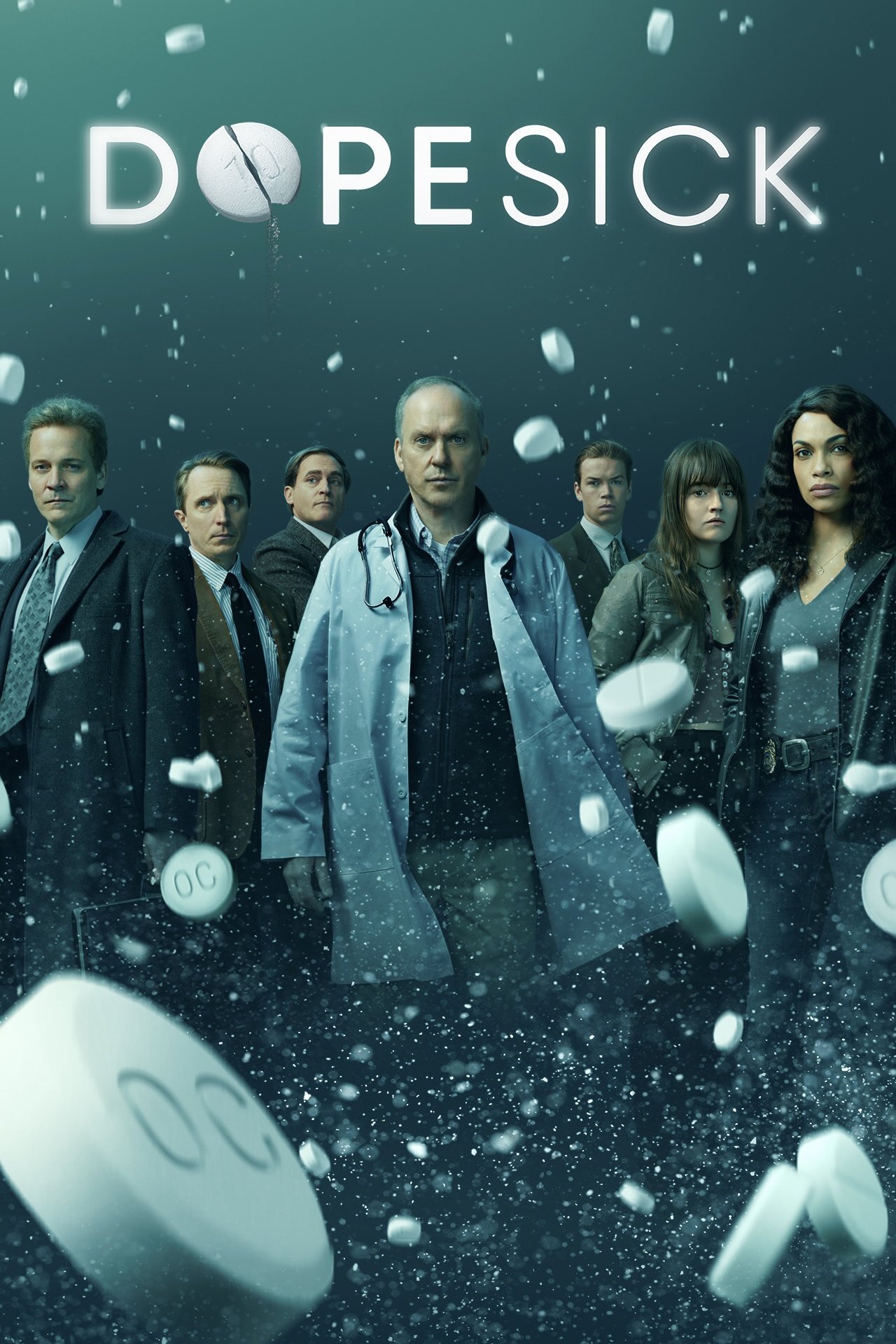
Dopesick2021
A dramatised miniseries on the opioid crisis and Purdue Pharma's deception — the darkest possible mirror to psychedelics' redemption story: a drug sold as healing that destroyed instead.
But It's scripted drama, not documentary, and considerably bleaker with no hopeful arc.
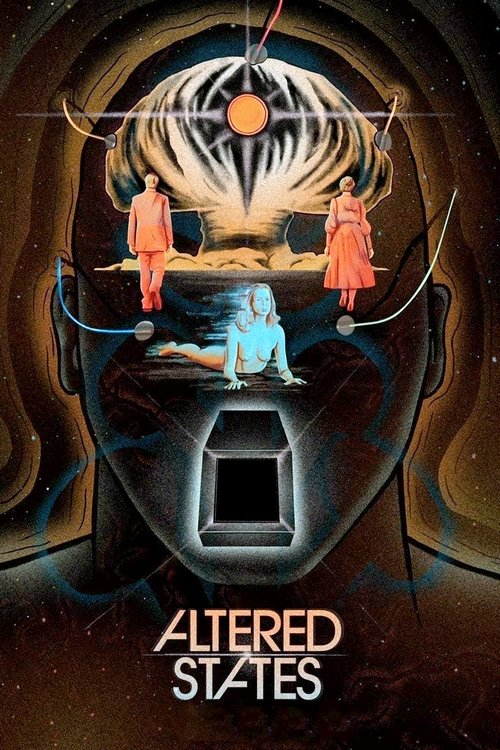
Altered States1980
A fictional dramatisation of the exact scientific-personal experiment Pollan describes doing for real — decades earlier, and with none of the caution.
Ken Russell's delirious cult sci-fi film about a scientist experimenting on himself with sensory deprivation and hallucinogens, chasing the same question Pollan's series takes seriously — do altered states reveal truth or dissolve the self?
But It's a lurid, over-the-top 1980 horror-tinged melodrama, closer to body-horror spectacle than sober inquiry.
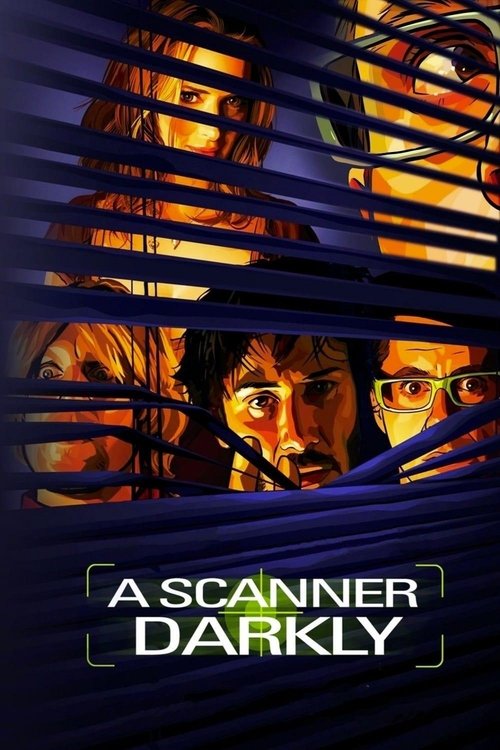
A Scanner Darkly2006
Takes the series' core question — what happens to identity under altered consciousness — and answers it in fiction's darkest register, with animation standing in for the blur between real and hallucinated.
Richard Linklater's rotoscope-animated adaptation of Philip K. Dick follows a narcotics agent losing his grip on identity from drug surveillance and use — paranoia and self-dissolution rendered in unsettling, half-real animation.
But It's grim, confusing by design, and offers none of the documentary's therapeutic optimism — this is drugs as unraveling, not healing.