
Film
The Mindscape of Alan Moore
A trippy, experimental documentary following Alan Moore as he reflects on his life, work, and magical practice. Part biography, part psychedelic art film—stylistically as unconventional as Moore himself. For anyone fascinated by the creative mind behind Watchmen and V for Vendetta, or curious about what happens when a visionary gets full control of his own narrative.
If you liked this
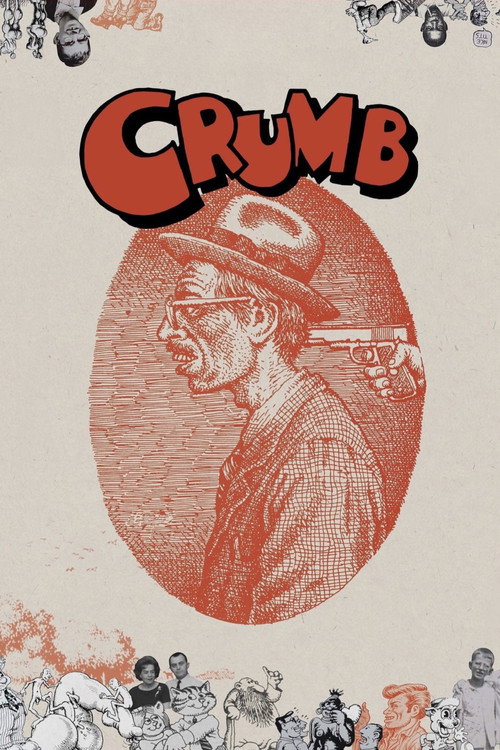
Crumb1995
Terry Zwigoff's portrait of R. Crumb is the gold standard for artist documentaries—intimate, unflinching, and genuinely strange. A perfect companion for anyone drawn to how brilliance and damage coexist in one person.
But It's dark and sometimes uncomfortable. Crumb's family are difficult people, and the film doesn't look away from that or from his complicated relationship with women.
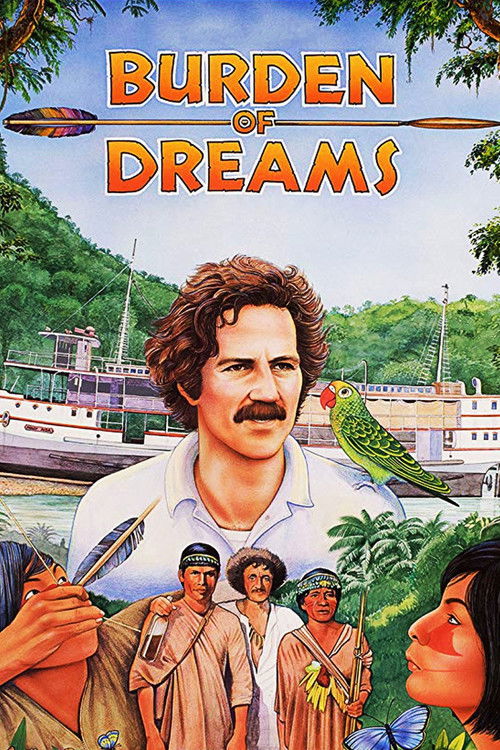
Burden of Dreams1982
Les Blank's documentary about Werner Herzog making Fitzcarraldo captures creative obsession at its breaking point—a filmmaker wrestling with impossible vision and the jungle itself. Pure, raw documentation of an artist's struggle.
But It's slow and demanding. You're watching a man suffer in real time, and the pacing mirrors that. There's no conventional narrative arc, just pressure building.
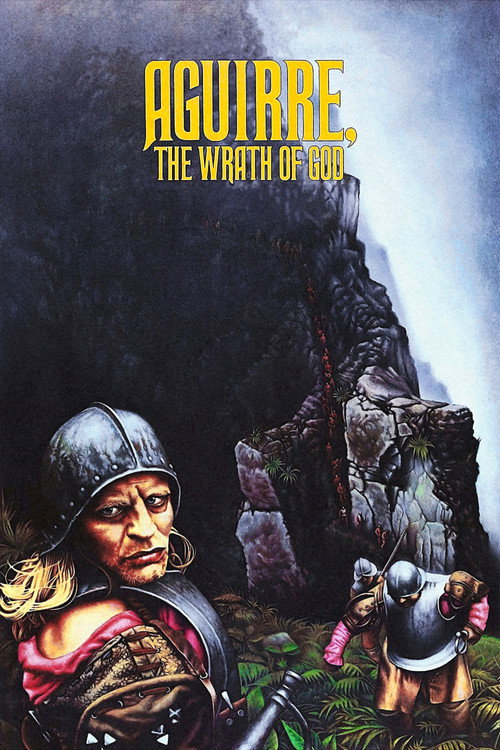
Aguirre, the Wrath of God1972
Herzog's vision of obsession and madness in human form. The formal strangeness matches Moore's own sensibility—a work that feels like you're inside someone's fevered imagination rather than watching conventional drama.
But It's slow, hypnotic, and ends ambiguously. If you need conventional storytelling or forward momentum, you'll find it frustrating rather than mesmerizing.
Not sure tonight? Get a pick in a minute, starting from The Mindscape of Alan Moore
The wildcard
Something you would not have found on your own.
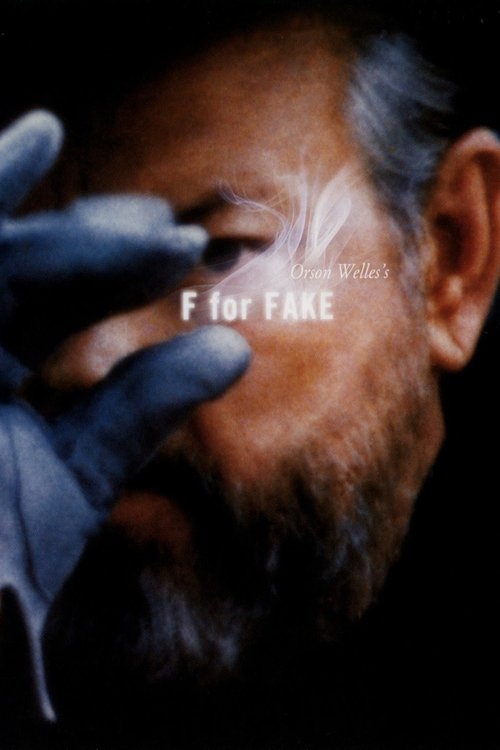
F for Fake1973
Both are works by visionaries who refuse to stay in their lane. Welles won't let documentary be documentary; Moore won't let comics be just comics. Both are arguing that form itself is a kind of argument.
Orson Welles' essay-film about forgery, authorship, and what we believe. A document that refuses documentary form and treats reality as malleable—formally it's doing what Moore does philosophically. Welles is essentially improvising on film, and it's intoxicating.
But It's genuinely confusing. Welles deliberately makes you unsure what's real and what's performance. That formal playfulness frustrates people who want clarity.
More like this (7)
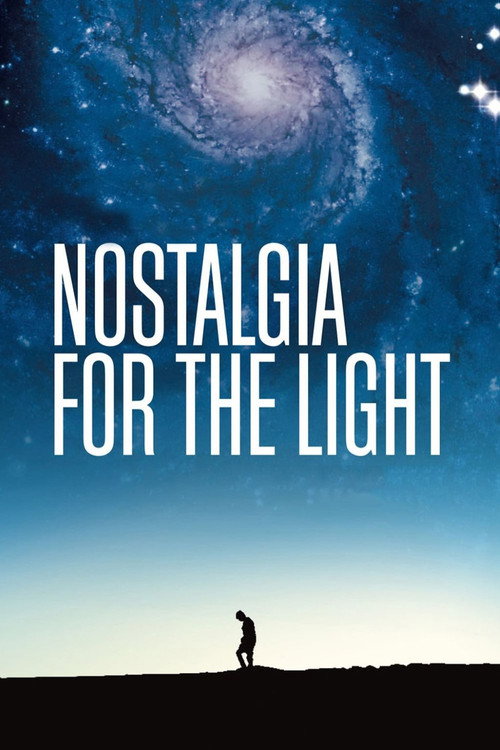
Nostalgia for the Light2010
Patricio Guzmán's meditation on memory, astronomy, and Chile's hidden past. Formally experimental, genuinely philosophical—about how we see the past and what we choose to forget. A documentary that thinks like poetry.
But It's very slow and very contemplative. Some will find it meditative; others will find it deliberately paced to the point of impatience.
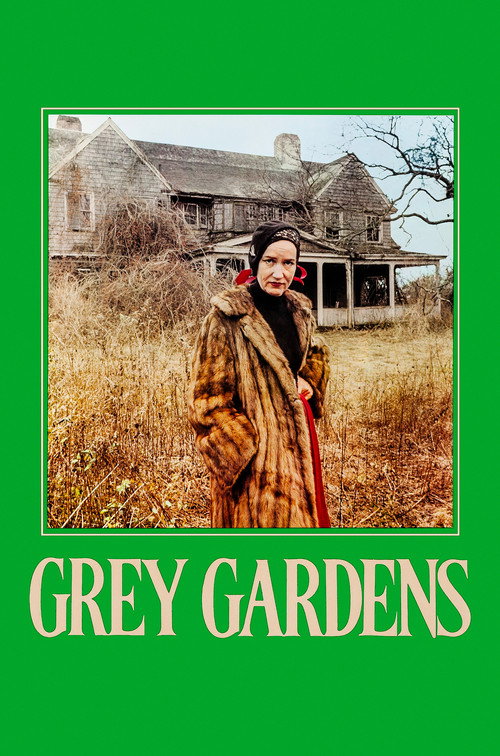
Grey Gardens1976
The Maysles brothers' documentary about two reclusive women is hypnotic, sad, and strange—a portrait of parallel creative lives built inside decay. It's about isolation, obsession, and refusing to be conventional.
But It's voyeuristic and often uncomfortable. Watching people in genuine distress, even with their permission, carries an ethical weight some viewers find hard to sit with.
The Act of Killing2012
Joshua Oppenheimer's film forces perpetrators of mass violence to confront what they've done through their own fantasies and cinema. Formally daring and morally complex in ways that feel philosophical rather than didactic.
But It's deeply disturbing. You're watching people who committed atrocities, and while the film is making a point, that doesn't make it easy to witness.

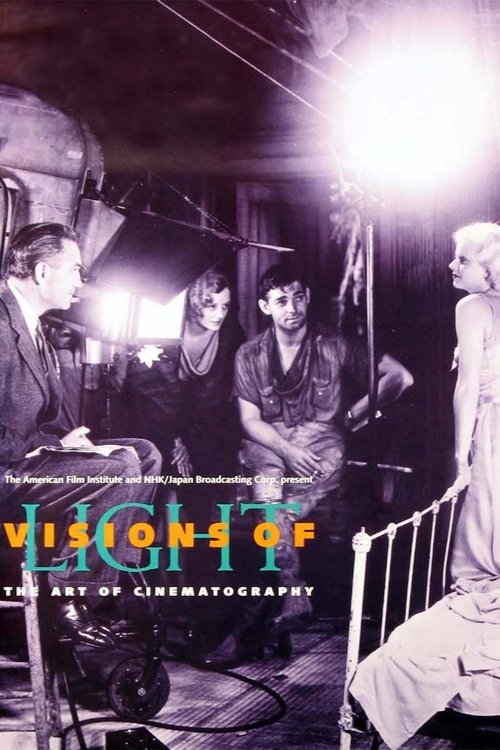
Visions of Light1992
A documentary about how cinematographers see the world and translate it to film. For anyone interested in how artists think formally about their craft and how vision translates to technique.
But It's quite academic and focused on technical language. If you want emotional depth over film-craft analysis, it might feel dry.
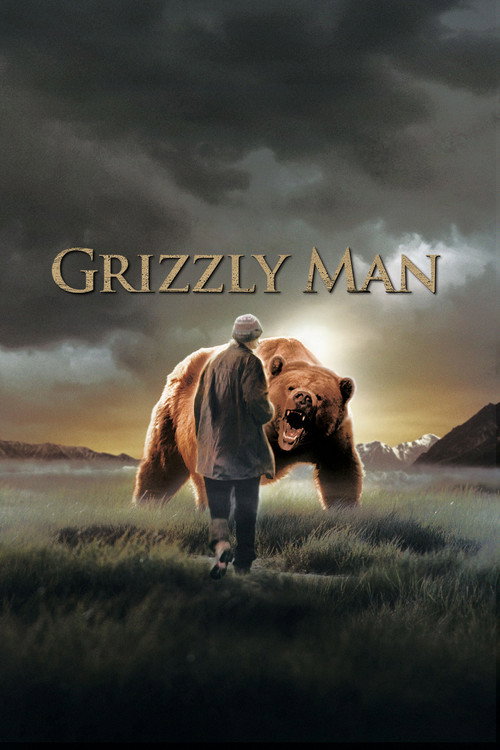
Grizzly Man2005
Herzog again, this time on obsession that ends in death. A man who loved bears, lived among them, and was killed by them. Strange, tragic, formally adventurous—about why artists need what they need.
But It's melancholic and ends inevitably. Some footage is genuinely difficult to sit through. It's not uplifting, and it doesn't try to be.
Synecdoche, New York2008
Moore speaks about magic and sigils and meaning-making through symbol. Kaufman's film is about the same impulse—the need to impose order and meaning on chaos through creation. Both are essentially about the magician's impulse.
Charlie Kaufman's film about a theater director building an increasingly delusional miniature world that mirrors his life. It's about art as a substitute for living, about ambition eating itself, about meaning-making as compulsion. Visually hallucinatory.
But It's confusing and deliberately so. The narrative collapses into abstraction. Some will find it self-indulgent, and they're not entirely wrong.

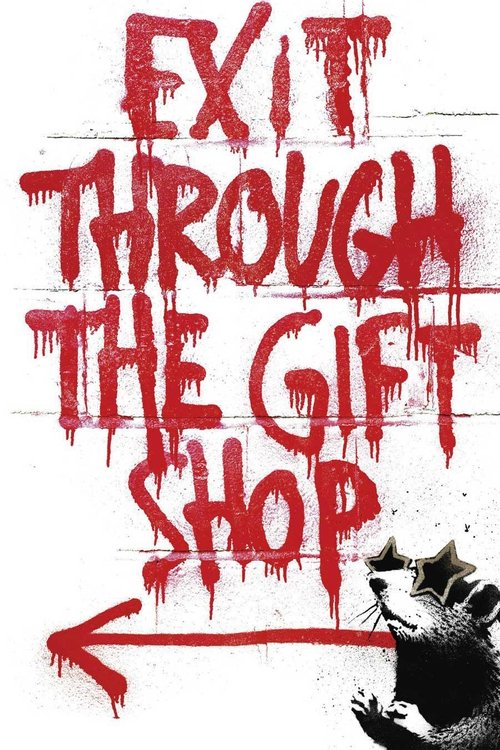
Exit Through the Gift Shop2010
Both Moore and Banksy are fascinated by how symbols acquire meaning and power. Both have spent careers asking: who gets to decide what matters? Both work in forms their mediums didn't expect. Both are a bit prickly about being packaged and explained.
Banksy's documentary about street art and celebrity and authenticity is playfully unreliable in its own narrative—we can't quite trust what we're seeing or whose story this is. It's about artistic legitimacy and how meaning is conferred. Funny, sharp, formally clever.
But It might not be what you think it is. Banksy withholds information deliberately. And if you love street art purely for its aesthetic, the cynicism might sting.
People
Cast
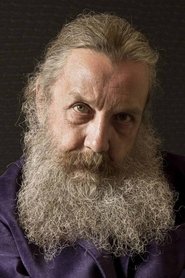 Alan MooreHimself
- Glenn DohertyHimself
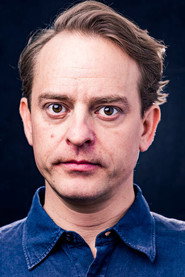 Florian FischerHimself
Directing
- Donald WinklerAssistant Director
- Moritz WinklerCo-Director
- Dez VylenzDirector
Writing
- Dez VylenzWriter
- Moritz WinklerWriter
Production
- George ArtonCo-Executive Producer
- Gert WinklerExecutive Producer
- Dez VylenzProducer
- Moritz WinklerProducer