
Television series
Fist of the North Star
Other titles called Fist of the North Star: the 1986 film.
- Martial arts action
- Very dark
A post-nuclear martial-arts epic where the last rightful master of Hokuto Shinken wanders a wasteland seeking his stolen love while battling rival schools and his own brothers for spiritual supremacy. Violent, mythic, and operatic—all rippling muscles, philosophical monologues, and arterial spray. For anyone who wants their action seasoned with genuine tragedy and honour codes.
If you liked this
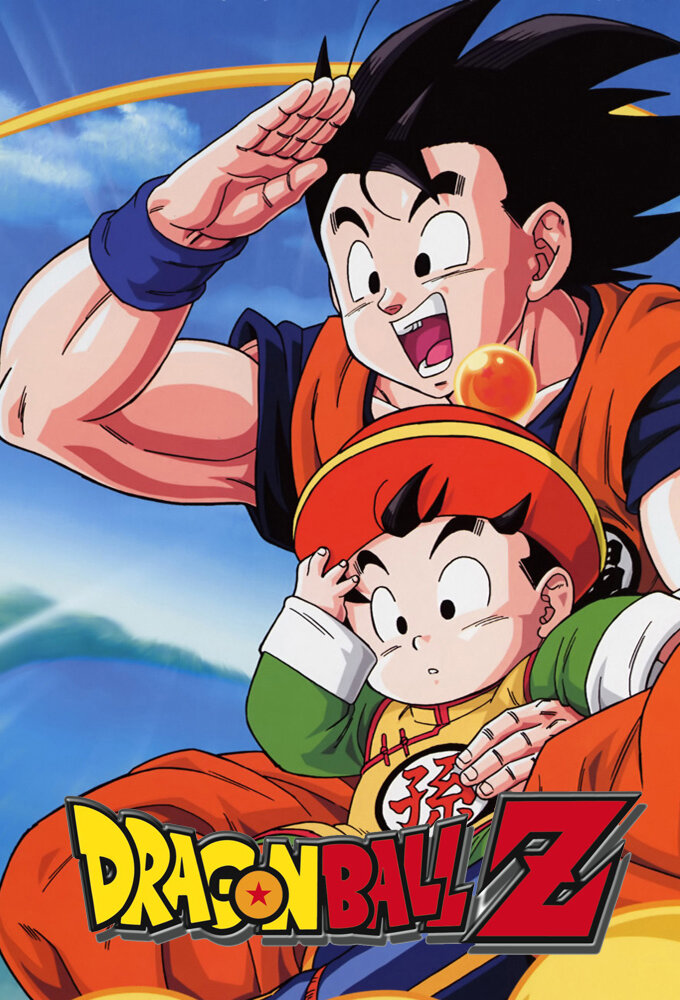
Dragon Ball Z1989
Same era, same DNA: escalating martial-arts tournaments, powerful rivals with unshakeable codes, and a hero constantly tested by stronger foes. But where DBZ leans comic, this stays brutal and purposeful.
But Slower pacing and less humour than DBZ. The body-count is real and the tone doesn't lighten for laughs.
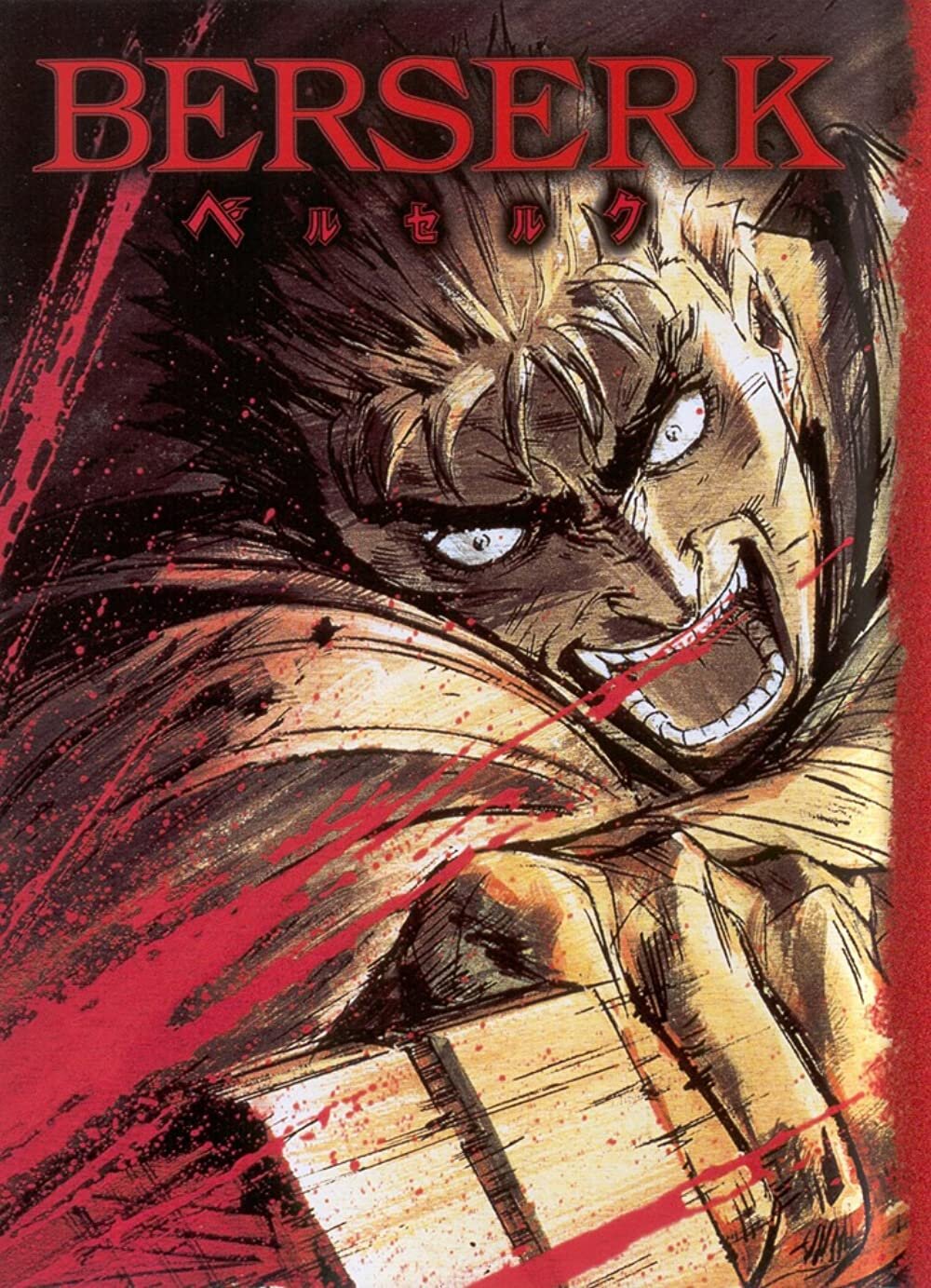
Berserk1997
Medieval grimdark with the same mythic weight and philosophical darkness. A warrior bound by honor through impossible suffering, betrayal that restructures everything. Stunning, dense, uncompromising.
But Graphic sexual violence in the early story. Much bleaker worldview, less hope. Demands patience with dense exposition.
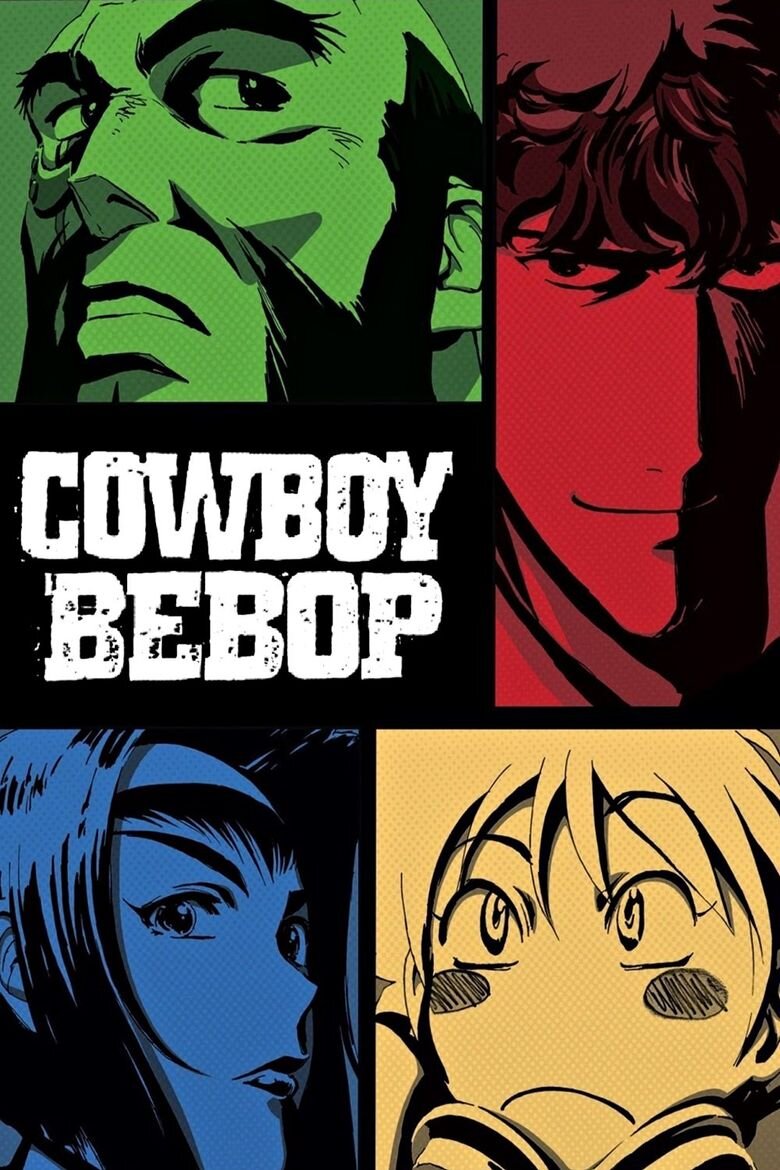
Cowboy Bebop1998
Anime masters crafting episodic stories across a wasteland with a similar elegance and melancholy. Wandering protagonists, code-bound characters, gorgeous violence. Fundamentally about loss.
But Genre-shifts wildly across episodes. More noir-cool than mythic grandeur. Shorter runtime means less depth per arc.
Not sure tonight? Get a pick in a minute, starting from Fist of the North Star
The wildcard
Something you would not have found on your own.
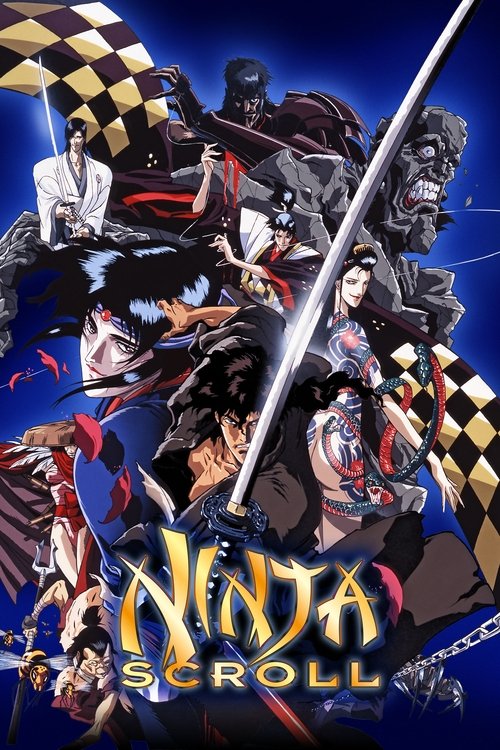
Ninja Scroll1993
Both prize the isolated warrior-code over narrative momentum: a protagonist who endures impossible trials because honour demands it, not plot convenience. Same visual language—bodies weaponized by esoteric philosophy.
A wandering swordsman bound by obligation and code moves through a mythologically-cursed landscape fighting impossible enemies. Shares Hokuto's visual brutality and moral weight, compressed into 94 luminous minutes. One of anime's greatest action films.
But Standalone film—no character buildup, no deeper mythology to explore. Sexual violence in one sequence. Some find the plot thin after the spectacle settles.
More like this (6)
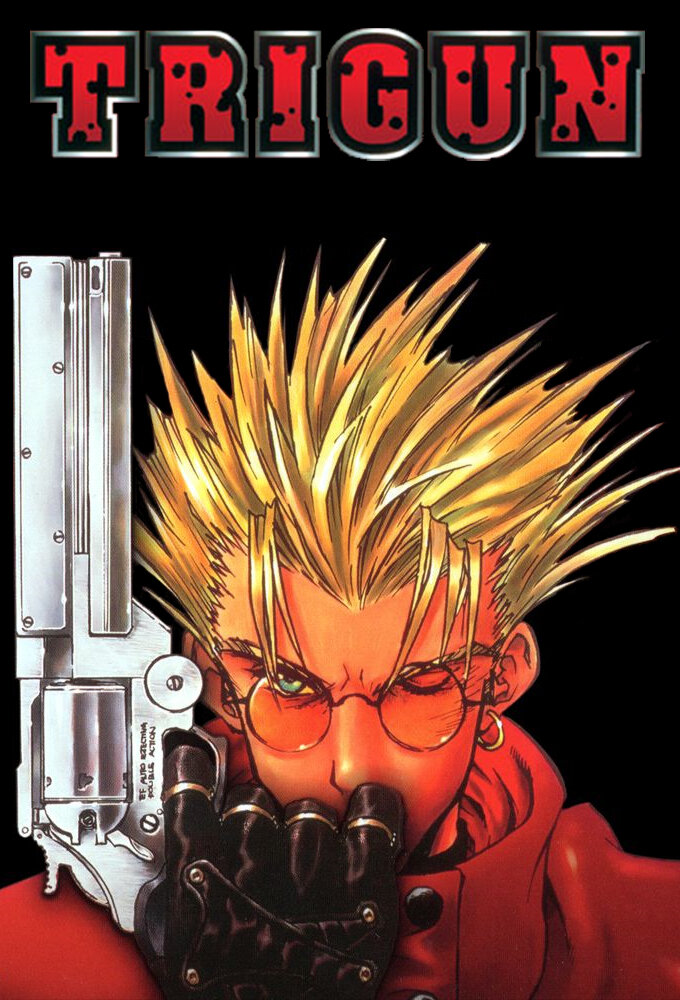
Trigun1998
Another wandering warrior in a wasteland, philosophy-heavy, with a pacifist's code tested by violence. Gorgeous art, excellent characterization, and a similar blend of humour and heartbreak.
But Tone wobbles between comedy and seriousness. Later episodes feel rushed. English dub has dated voice acting if that matters to you.
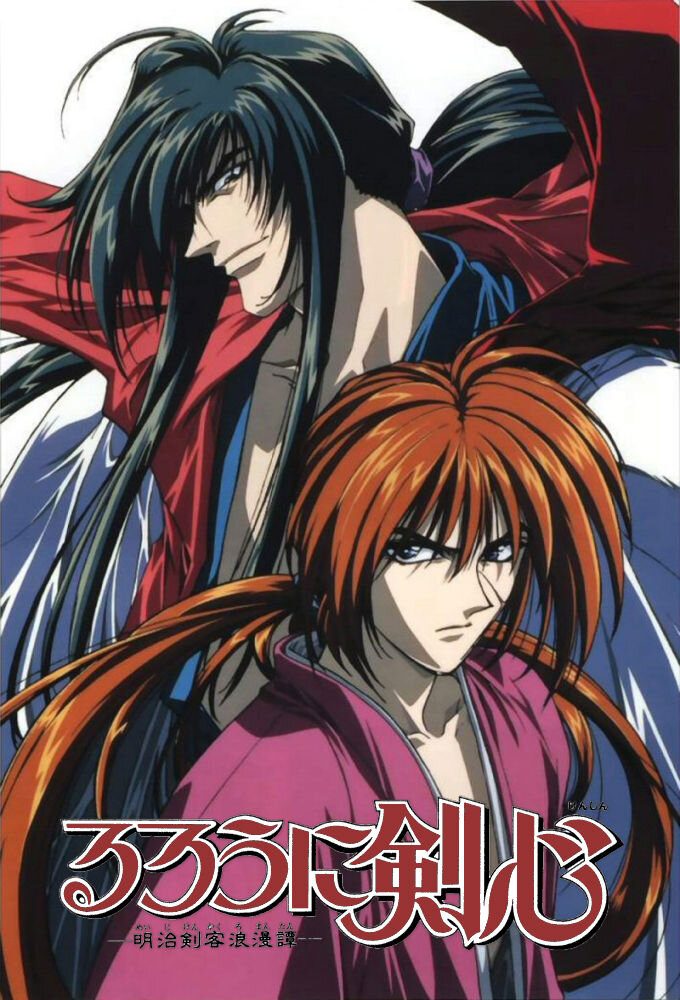
Rurouni Kenshin: Meiji Kenkaku Romantan1996
Another martial-arts wanderer seeking redemption, with beautifully choreographed fights and genuine emotional stakes. Excellent antagonists, perfect pacing across its best arcs.
But Filler dominates the middle section. Less operatic and brutal than Hokuto—more shounen comfort food than tragedy.
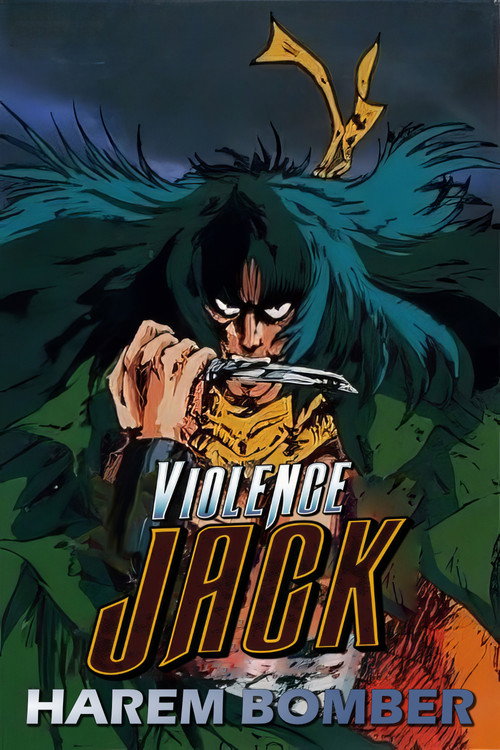
Violence Jack: Harem Bomber1986
Manga's darkest post-apocalyptic vision, animated before Hokuto truly took off. Genuinely transgressive, nasty, unflinching. If you want the raw prototype of this entire aesthetic.
But Aggressively nihilistic. Animation is crude and choppy. Sexual violence is casual and grotesque. Not fun, exactly—punishing.
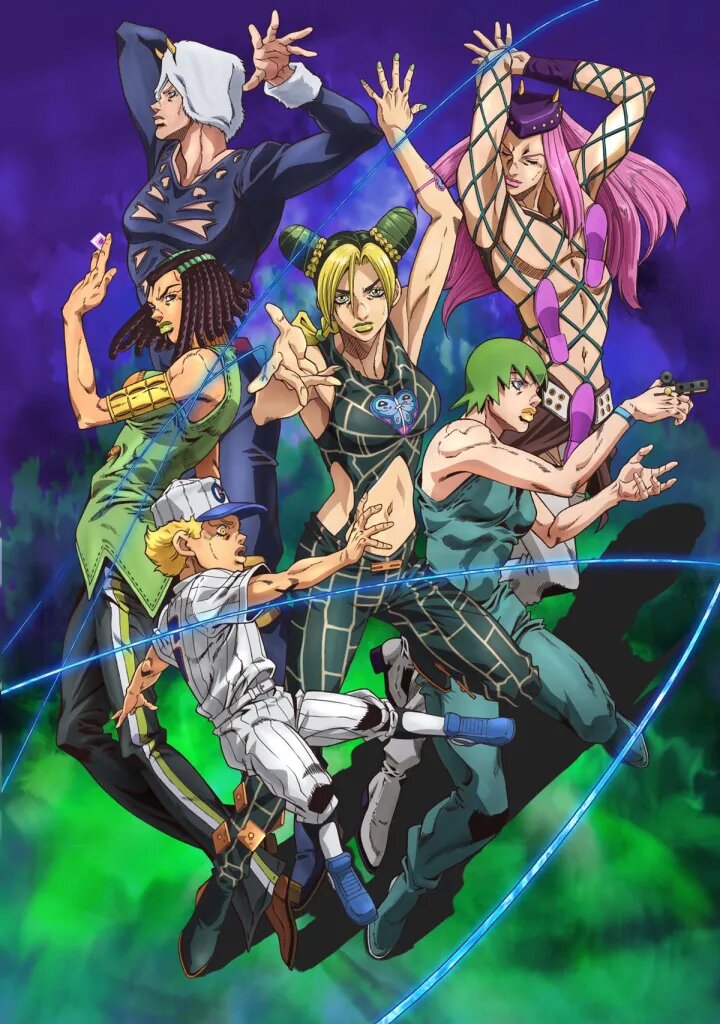
JoJo's Bizarre Adventure2012
Lineage of warrior codes, rival families bound by power and legacy, aesthetically extravagant fights. Tone-deaf enough to find humour anywhere, human enough to break your heart.
But Surreal and deliberately camp. Far sillier in register. Early animation is rough. Demands comfort with '90s anime jank.
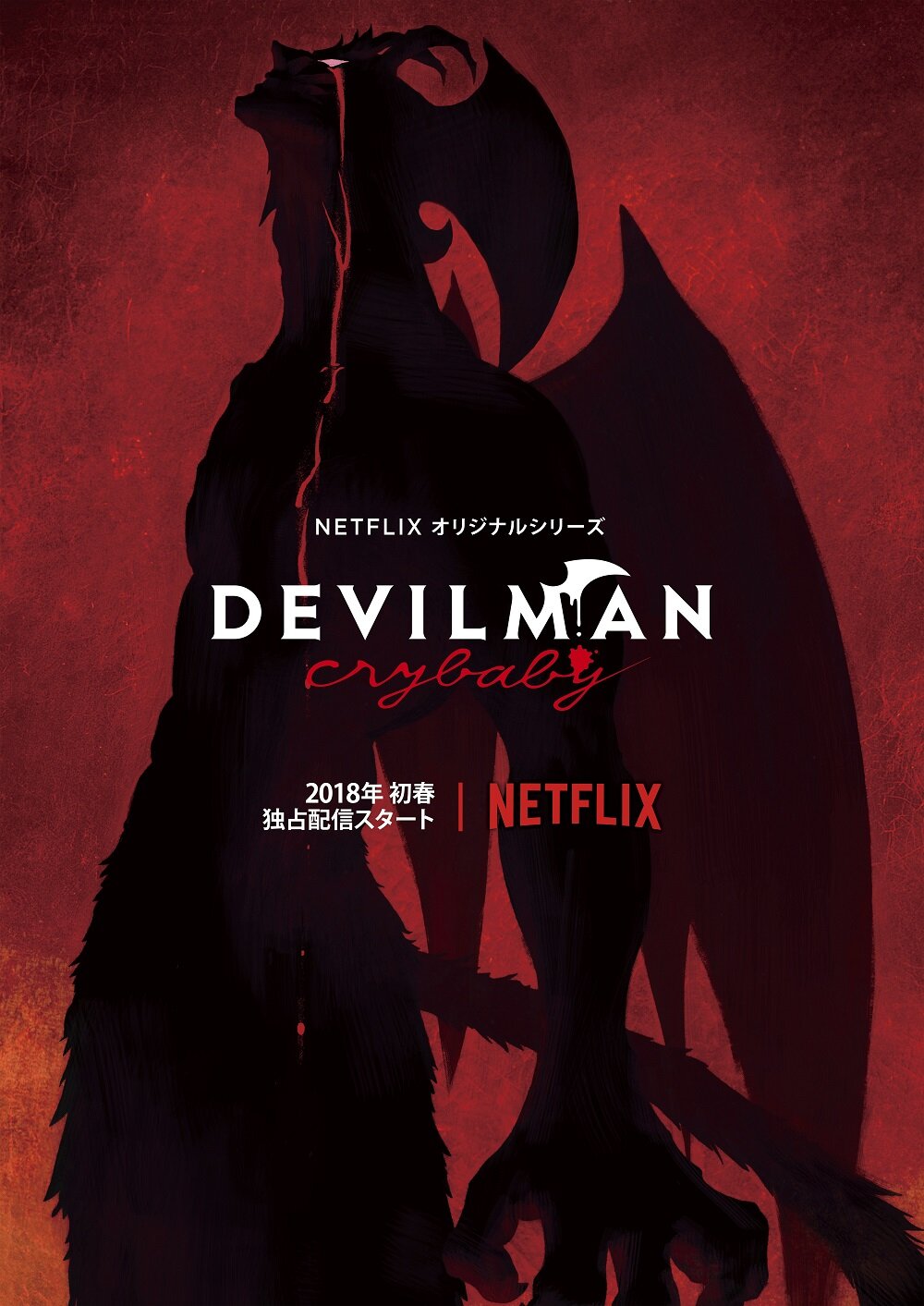
Devilman Crybaby2018
Both use martial-arts mythology to explore the isolation of the strongest person alive. Both suggest that ultimate power is ultimate loneliness. Both destroy everything they touch with visual beauty.
Go Nagai's proto-manga adapted with surreal psychedelia and shattering emotional honesty. A hero cursed with inhuman power, community destroyed by paranoia, apocalypse as personal tragedy. Genuinely devastating.
But Extremely graphic sexual and violent content—not gratuitous, but integral to its ugliness. Deliberately ugly animation style. Bleaker than bleak. Only five episodes, which both helps and hurts.
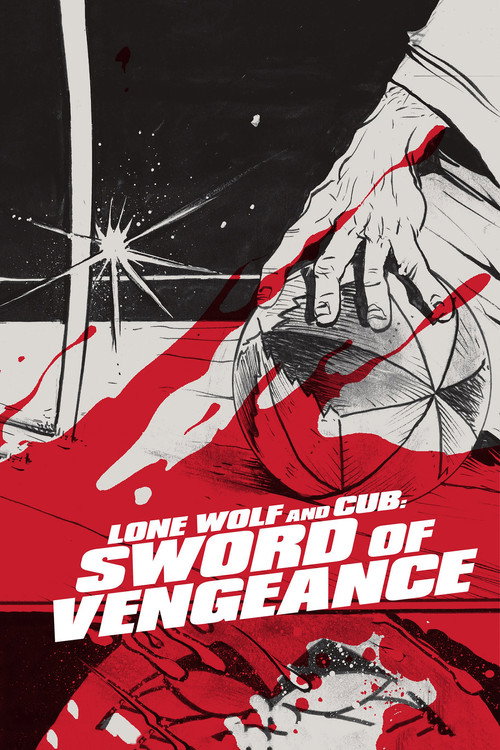
Lone Wolf and Cub: Sword of Vengeance1972
Hokuto's spiritual grandfather: the prototype of every wandering-warrior code-keeper in anime and manga. Both treat slaughter as calligraphy. Both centre a protagonist incapable of belonging anywhere because of what they can do.
A wandering swordsman with a child moves through Edo Japan dispensing righteous violence. Operatic, gorgeously shot, operatic martial arts. Live-action source material that birthed the entire wandering-warrior aesthetic Hokuto inherits.
But Six films total—viewing commitment. Pacing is deliberately slow, almost sculptural. Subtitles for dubbed print or vice versa. Extreme violence, though beautiful about it.
People
Cast




Recommended by
JoJo's Bizarre Adventure, Mobile Fighter G Gundam, Violence Jack: Harem Bomber