
Film
Concrete
Concrete is a 2004 Japanese horror-crime film about the true story of Junko Furuta's abduction and murder. It's visceral, almost unwatchable at points, and refuses to look away from casual cruelty. This is not entertainment in the conventional sense—it's a confrontation with how ordinary people commit extraordinary evil. For viewers prepared to sit with genuine darkness rather than genre thrills.
If you liked this
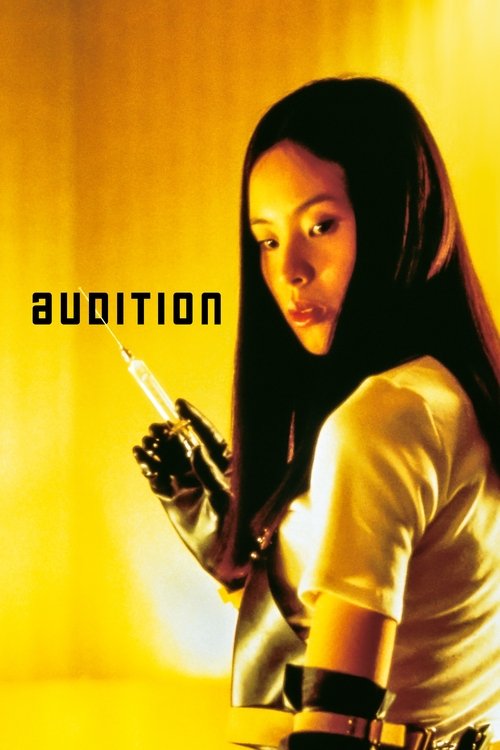
Audition2000
Takashi Miike's masterpiece about obsession and violence, with the same unflinching eye and willingness to destroy your comfort. It builds dread through everyday moments before erupting into horror that lingers.
But The middle section is deliberately boring and slow. Some viewers find the shift into extremity feels manipulative rather than earned.
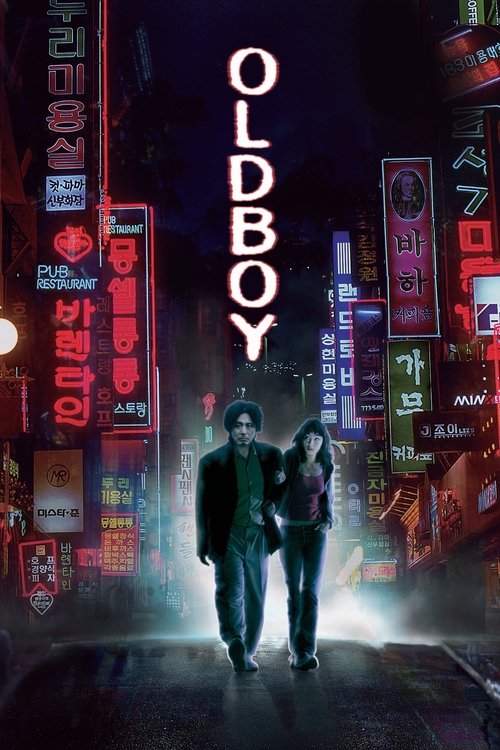
Oldboy2003
Park Chan-wook's revenge thriller examines cycles of violence and moral culpability with the same intensity. Stunning filmmaking paired with genuine psychological torment, not just surface-level gore.
But The twist ending divides people sharply. Some find it profound; others feel it undermines what came before.
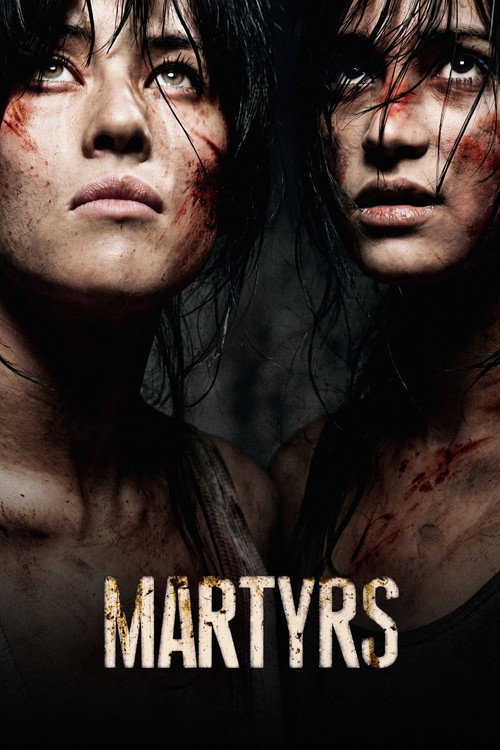
Martyrs2008
French horror that asks whether suffering has spiritual meaning. Like Concrete, it refuses exploitation; the violence exists to interrogate why we're watching. Genuinely transcendent in places.
But It's harrowing in ways that have nothing to do with jump scares. The ending is bleak and offers no catharsis whatsoever.
Not sure tonight? Get a pick in a minute, starting from Concrete
The wildcard
Something you would not have found on your own.
The Act of Killing2012
Both refuse to let viewers distance themselves from casual evil; both show how perpetrators rationalize ordinary cruelty.
Documentary where perpetrators of Indonesian mass violence recreate their crimes on film. No fictional framing—just conversations with killers about why they acted. More disturbing than any horror because it's real people rationalizing real atrocity. Connection: Both refuse to let viewers distance themselves from casual evil.
But It asks you to sit with unrepentant murderers without moral judgment imposed by the filmmakers. The discomfort is intentional and sustained. Some find it unethical to give them the screen.

More like this (8)
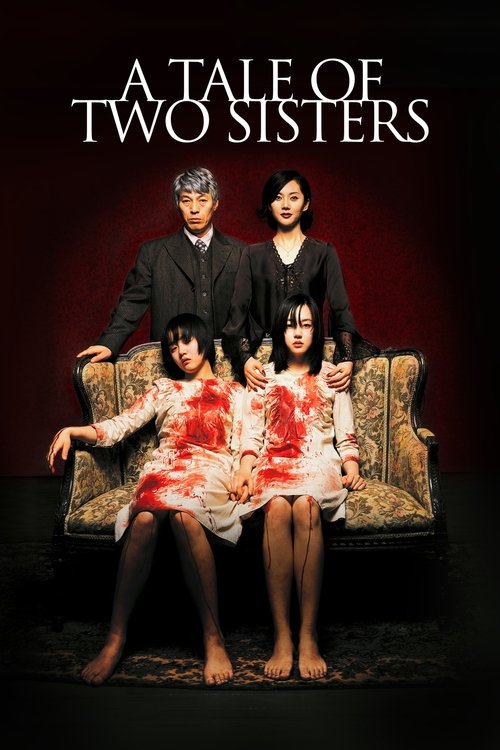
A Tale of Two Sisters2003
Korean horror that wraps trauma in fairy-tale aesthetics. Beautiful, disorienting, and built on grief rather than shocks. Shares Concrete's interest in how cruelty normalizes itself.
But The twist recontextualizes everything, which some find brilliant and others find retroactively frustrating.
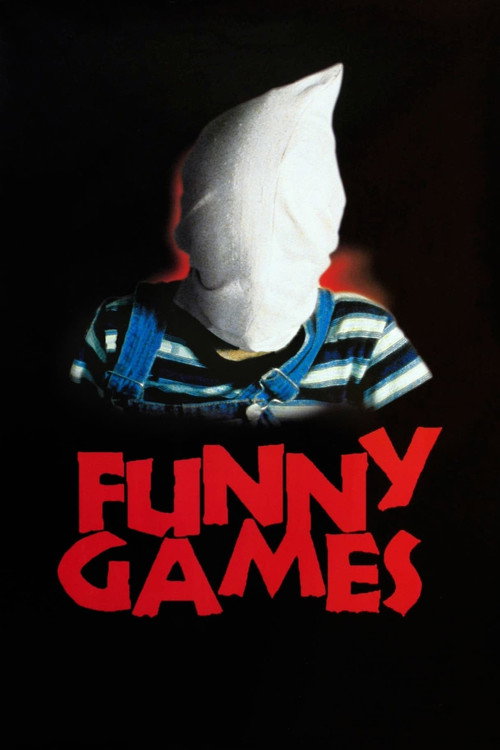
Funny Games1997
Michael Haneke's Austrian original (before the American remake) puts you in the room with casual sadism. It's about how genre films train us to consume violence; brutal and philosophically rigorous.
But It's deliberately anti-entertaining. Haneke doesn't want you to have fun, and some viewers resent being lectured while uncomfortable.
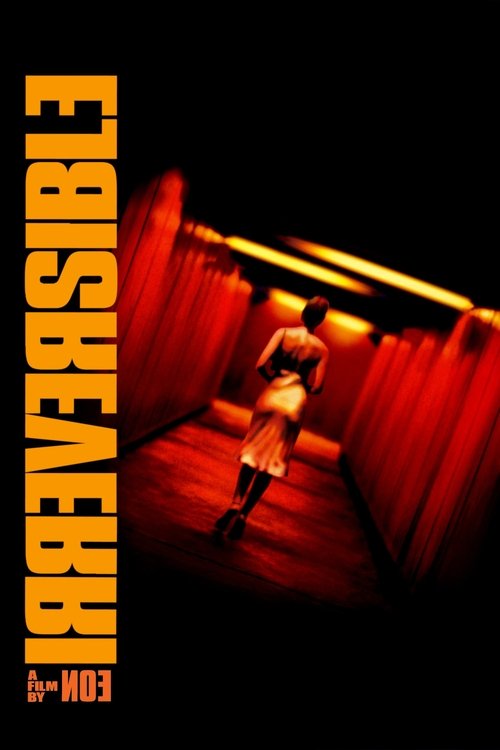
Irreversible2002
Gaspar Noé's reverse chronology makes you experience cause and effect sideways. Contains perhaps cinema's most difficult scene, but deployed with genuine moral intention about violence and time.
But The extreme content isn't contextualized gently. You have to sit with it raw. The pretension can read as self-regarding to some.
Come and See1985
Soviet war film that documents psychological annihilation. Not horror, but equally devastating. Shows how institutional evil corrupts the human spirit through intimate, horrifying detail.
But It's a three-hour immersion in despair with minimal relief. Some find it repetitive; others find that repetition is the point.

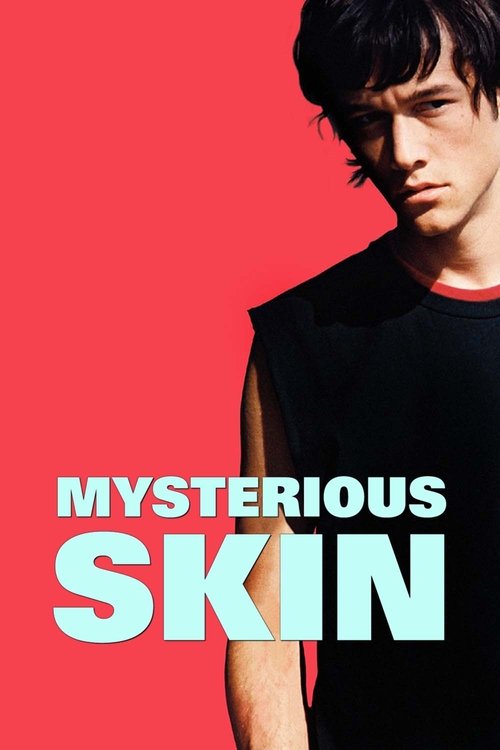
Mysterious Skin2005
Gregg Araki's film about male childhood sexual abuse is tender and devastating. Refuses sensationalism while never minimizing harm. Shares Concrete's commitment to emotional and moral truth.
But It's sexually explicit in ways that challenge viewers. The pacing is slow, and some find the narrative structure frustrating.
Requiem for a Dream2000
Darren Aronofsky's descent into addiction's grip. Like Concrete, it's about systems of control—psychological, pharmacological, social. Visual language that matches the disintegration it depicts.
But The manipulative score and editing can feel overwrought. It's more style than character for some viewers; the emotional arc predictable.

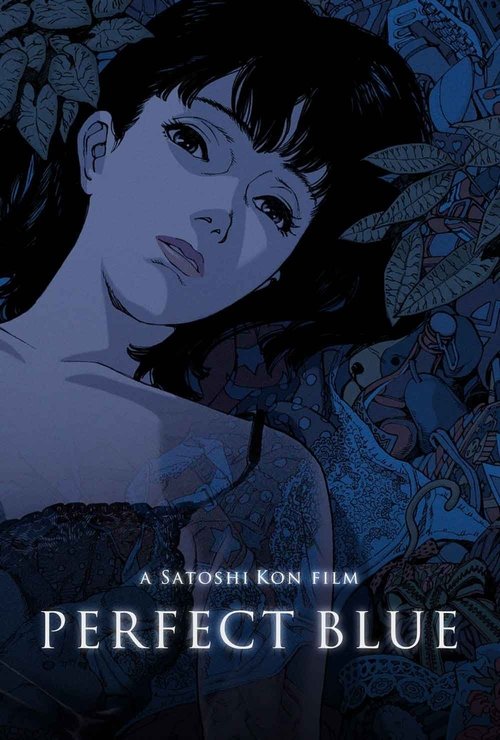
Perfect Blue1998
Both center on the systematic consumption and disposal of young women by systems designed to exploit them; both use disorientation as thematic tool.
Satoshi Kon's animated psychological thriller about celebrity obsession and identity fragmentation. Wildly different medium and aesthetic, but equally vicious about systems that consume young women. Gorgeous and nauseating in tandem.
But It's anime, which some dismiss reflexively. The narrative structure is intentionally confusing, and the ending is deliberately ambiguous.
The Handmaiden2016
Both examine power imbalances and sexual predation through formal precision; both make you complicit in what you're watching.
Park Chan-wook's intricate con-artist film set in occupied Korea. Technically gorgeous and structurally brilliant, but built on sexual violence and human manipulation. Asks different questions but with the same unflinching gaze at exploitation.
But The twist ending requires you to reevaluate everything, including your own complicity as viewer. Some find that clever; others find it exhausting. Contains graphic sexual content.

People
Cast
 Miki KomoriMisaki / Female high-school student
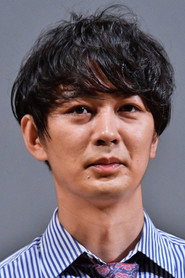


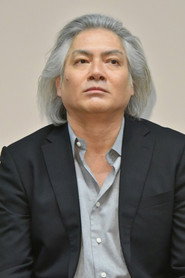


 Sousuke TakaokaTatsuo Oosugi
Directing
- Hiromu NakumuraDirector
Writing
- Jôji AtsumiNovel
- Hiroshi KannoScreenplay