Television series
The Prince of Tennis
- Action
- Light-hearted
A Japanese sports anime about a prodigious teenage tennis player discovering his own style while competing with rivals and chasing down his legendary father's shadow. It's energetic, absurdly inventive with impossible shots, and genuinely funny—part underdog story, part character comedy, entirely committed to the bit that tennis can be as dramatic as saving the world.
Should you watch it?
Watch it if you love sports stories where the matches are the drama, with exaggerated comic energy, rivalries that feel like big shonen battles, and a team that grows through long tournaments.
Skip it if you want realistic tennis, since the matches run on absurd special moves and loud comedy, and 178 episodes is a long commitment.
What it asks of you: a long haul: roughly 25-minute episodes stacked across seven seasons, with patience for slow-building tournament arcs and a tone that stays bright and energetic throughout.
Not sure? Find tonight's pick in a minute.
If you liked this
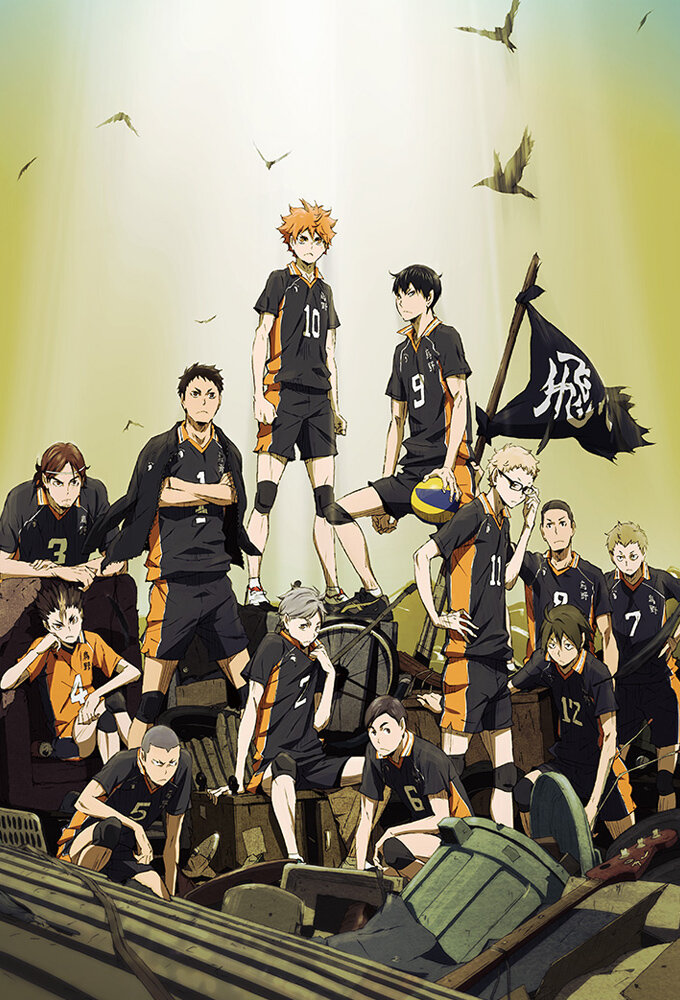
Haikyuu!!2014
A volley-ball anime with the same infectious energy and character focus. Watches like The Prince of Tennis learned volleyball, kept the heart, and dialed up the emotional stakes without losing the fun.
But Slower pacing in early episodes while it establishes the team. The sports are secondary to relationship-building, which isn't for everyone.
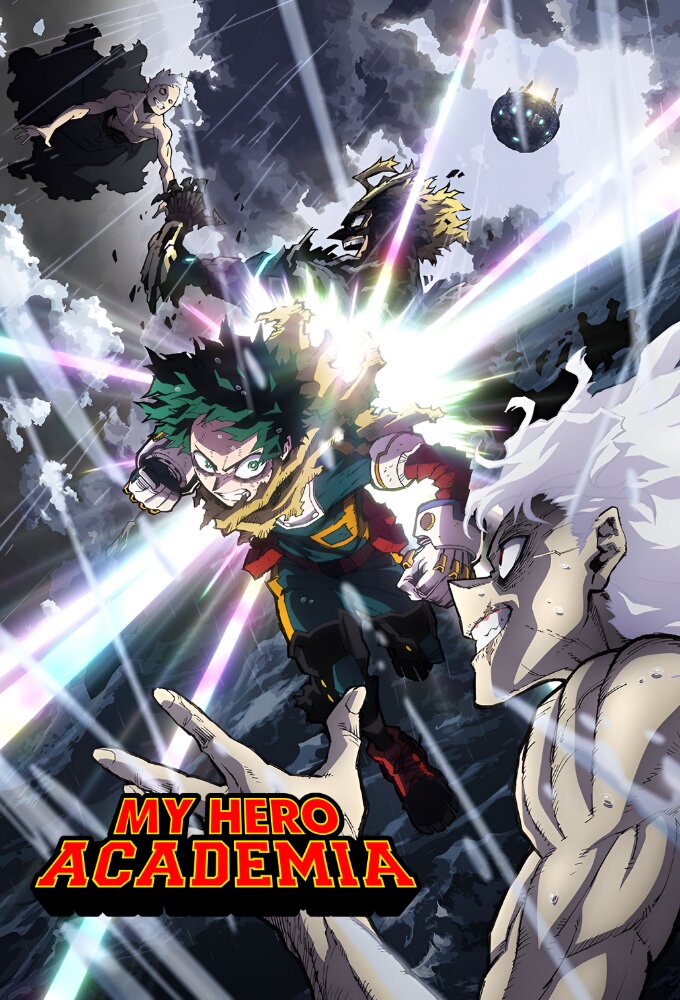
My Hero Academia2016
Same DNA: a protagonist training to surpass a legendary figure, found-family team dynamics, increasingly ridiculous power escalations played totally straight. Swaps tennis for superhero school.
But Much longer commitment—ongoing with dozens of episodes. Shifts toward action-adventure rather than pure sports comedy as it progresses.
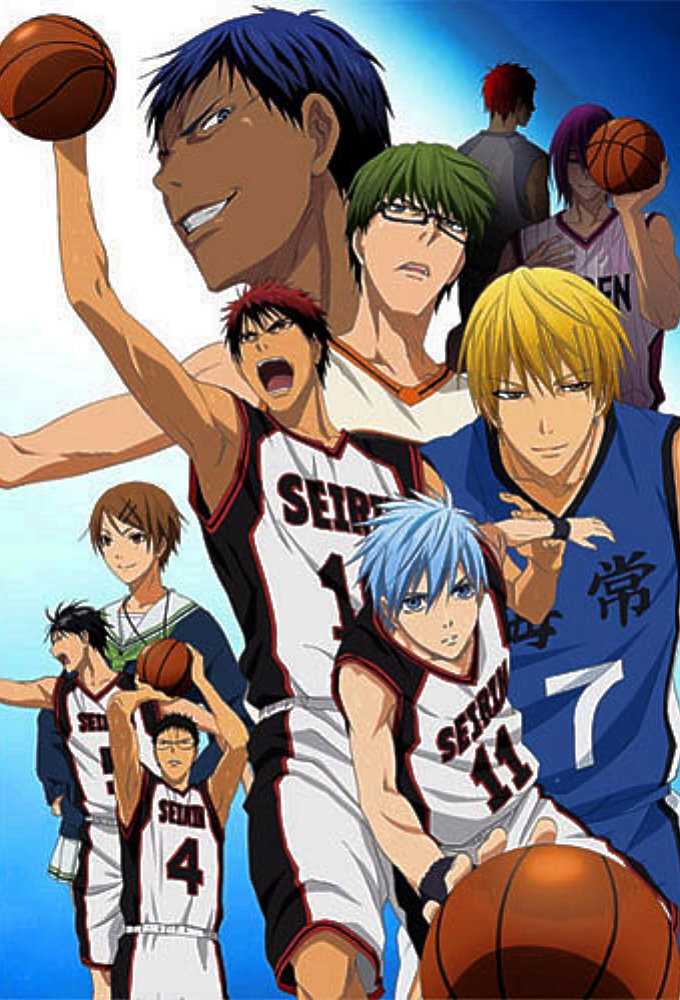
Kuroko no Basuke2012
Takes the 'impossible sports moves' concept and runs with it gleefully. Fast, stylish, character-driven. If you loved Prince of Tennis's supernatural tennis shots, this is the natural evolution.
But Quite long (multiple seasons). The supernatural abilities can feel arbitrary; if you prefer grounded sports drama, this isn't it.
Not sure tonight? Get a pick in a minute, starting from The Prince of Tennis
The wildcard
Something you would not have found on your own.
Parade2015
Same world, opposite approach: The Prince of Tennis mythologizes junior tennis competition; Parade demythologizes it. One shows what you wish tennis was, the other shows what it is.
A documentary following elite junior tennis players training in Japan. Raw, unfiltered, sometimes brutal. Shows the real version of what Echizen's path actually looks like—training methods, psychology, cost of obsession.
But No narrative, no drama, just reality. Considerably less fun than the anime. Some players make difficult choices that are hard to watch.
More like this (8)
Ping Pong The Animation2014
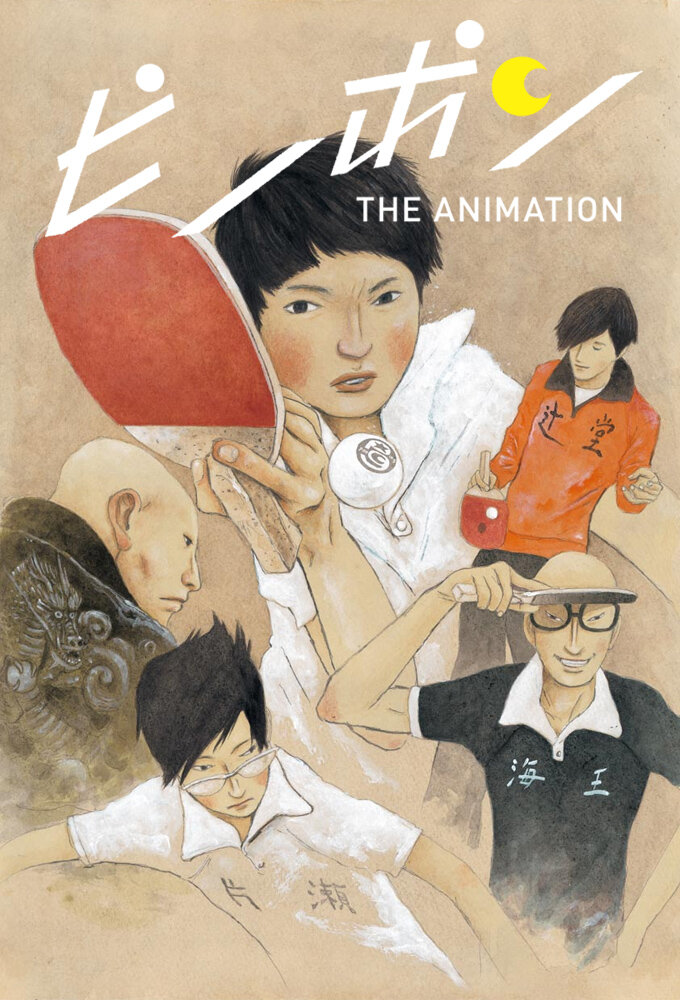
Gorgeously animated, philosophically serious about competition and ego. Takes table tennis as seriously as Prince of Tennis does tennis, but with adult stakes and genuine emotional weight.
But Only 11 episodes—almost feels like a film compressed into a series. Artistic direction is deliberately unconventional; might feel choppy to some.
Eyeshield 212005
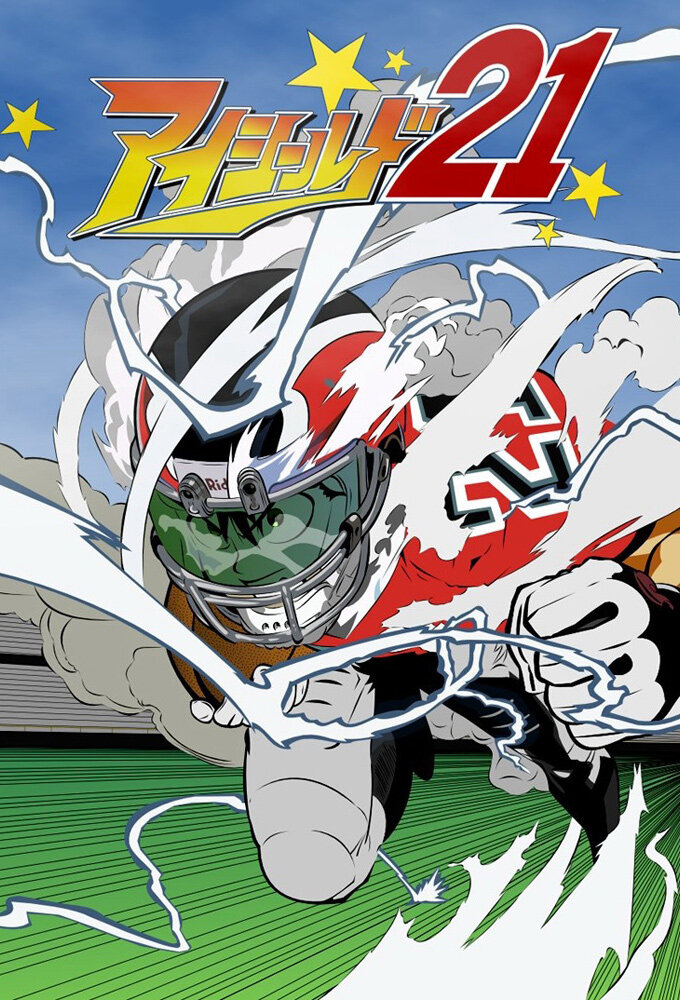
American football filtered through the same lens: underdog protagonist, team bonding, increasingly elaborate plays. Funny, warm, and absolutely committed to making an obscure sport thrilling.
But Runs longer than Prince of Tennis with slower middle sections. The sport itself (American football) is unfamiliar to many viewers outside North America.
Food Wars2010
Competitive cooking anime with the same escalating intensity and absurdist energy. Same structure—protagonist, mentor, rivals, tournament arcs—just with better food and more fanservice.
But Heavy on suggestive content and repeated fanservice gags. Some find it distracting; it can feel juvenile compared to Prince of Tennis's relative restraint.

Bamboo Blade2007
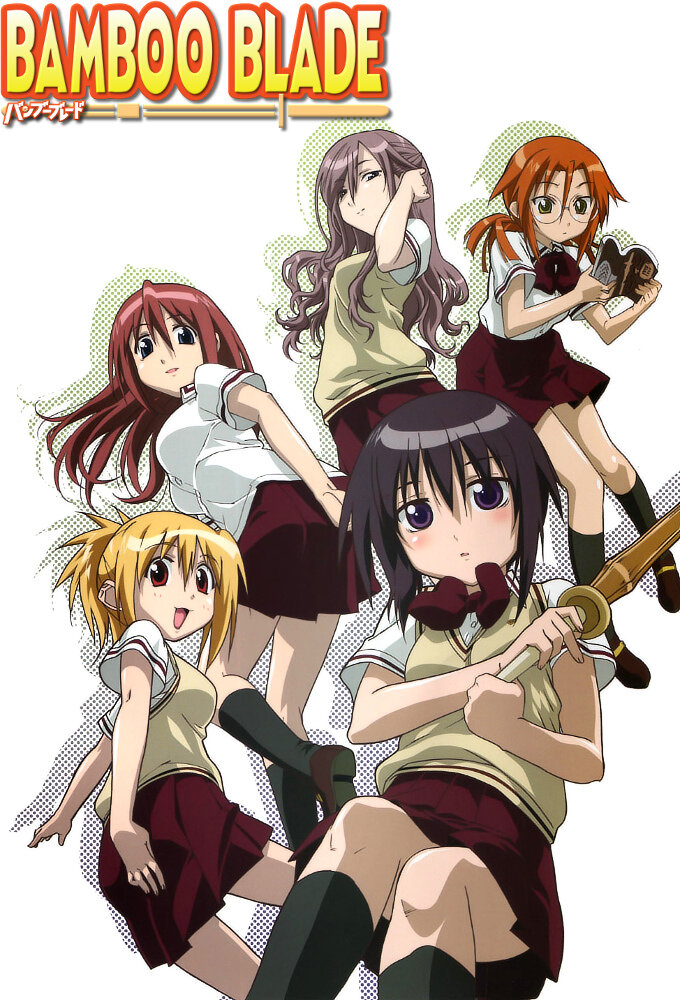
Kendo competition anime with ensemble charm. Lower-key than Prince of Tennis, focused on team camaraderie and individual growth. A lovely underdog story that doesn't get much attention.
But Less flashy and slower-paced. If you're chasing adrenaline and rivalry, this is quieter comfort food rather than excitement.
Soul Eater2008
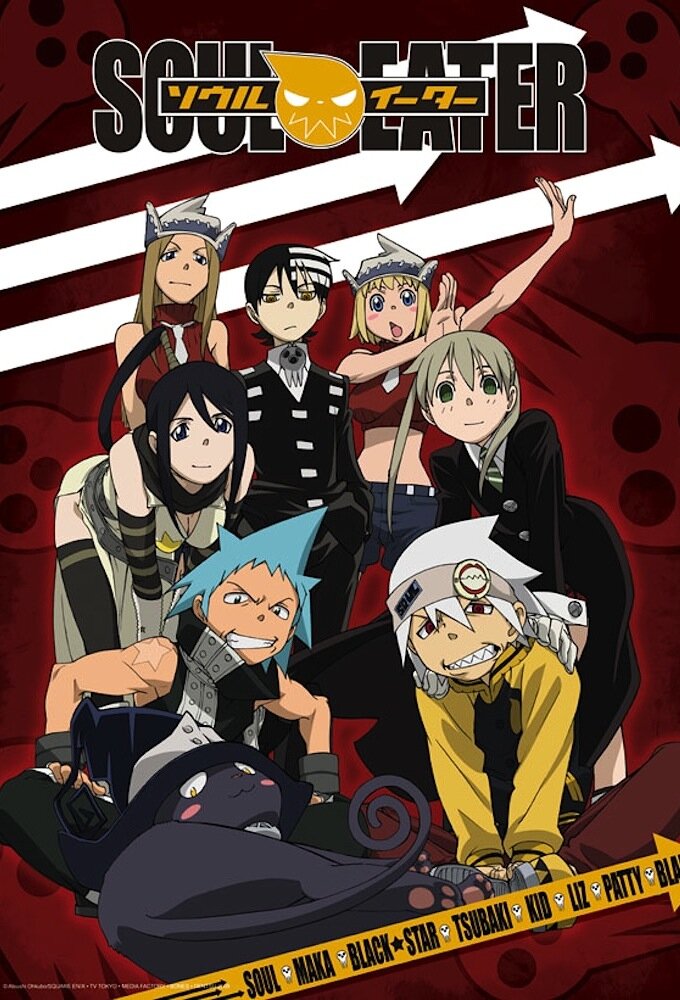
Shonen energy and character-driven comedy in a supernatural academy setting. Less sports-focused but similar rhythms: training, bonding, escalating threats, rivals becoming friends.
But Tonal shifts between comedy and genuine horror can feel uneven. Original anime ending diverges significantly from source material.
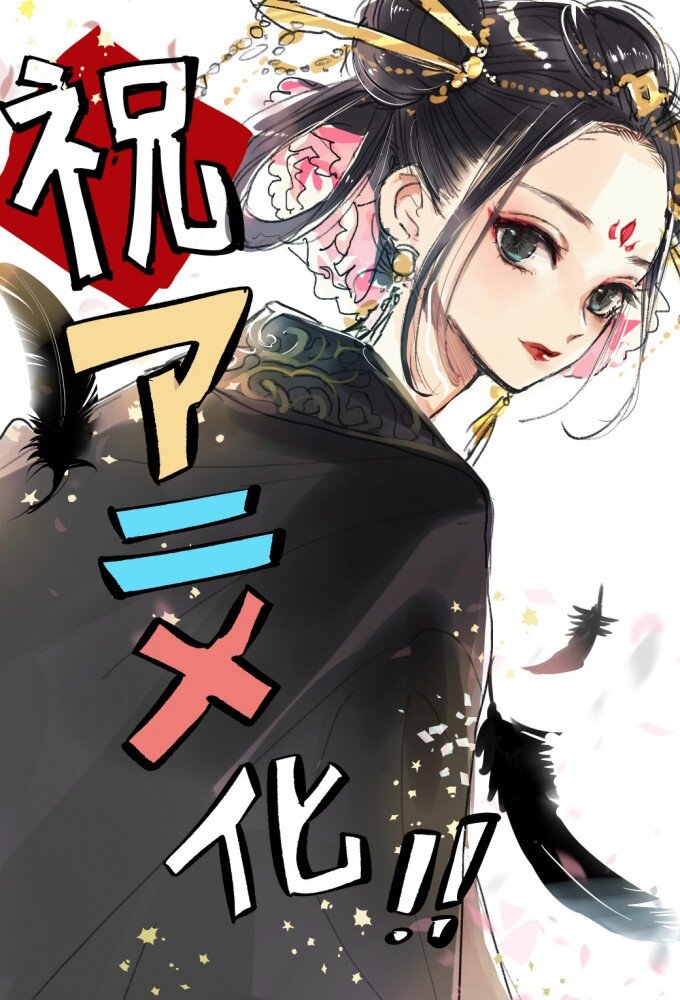
Koukyuu no Karasu2022
Ensemble character work in a mystery-solving framework. If you loved Prince of Tennis for its cast dynamics and humor rather than the sport itself, this delivers similar warmth in a different genre.
But Slow mystery plotting with minimal action. Completely different genre—if you need sports and competition, you won't find it here.
Punch Line2015
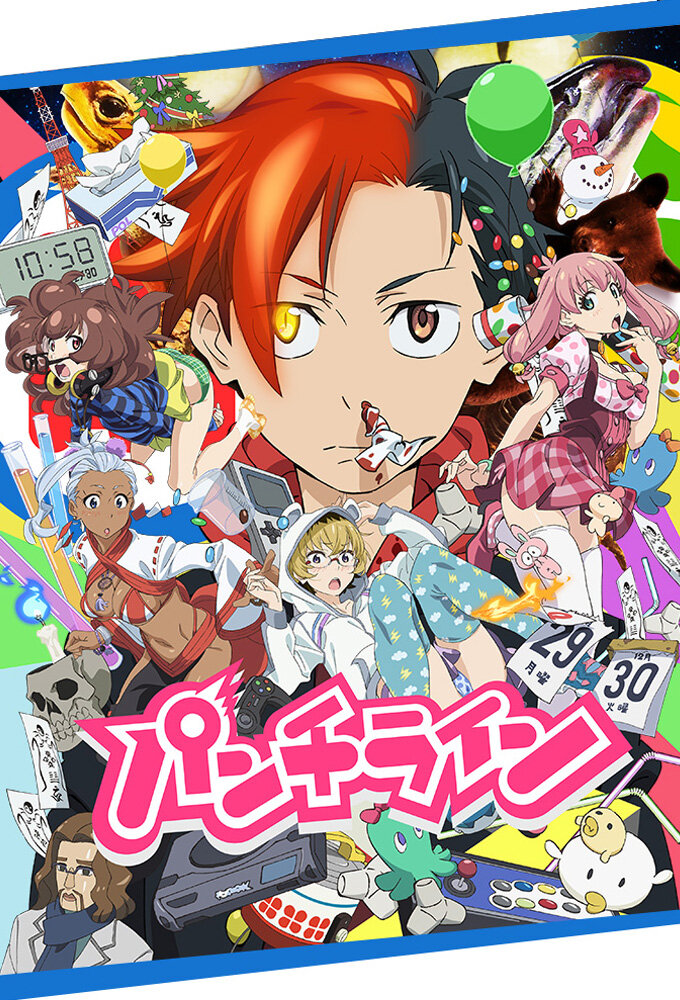
Both use sports as a metaphor for internal struggle. Prince of Tennis asks 'Can I beat my father?'; Punch Line asks 'Can I stop hating myself?' Same structure, opposite direction.
A fighting sports anime that's actually a meditation on shame, disability, and self-worth disguised as absurdist comedy. Technically about boxing but thematically about identity and accepting yourself.
But Deliberately jarring tone—cute comedy suddenly stops for genuine pain. Short-lived (12 episodes, then cancelled). Takes several episodes to reveal its actual stakes.
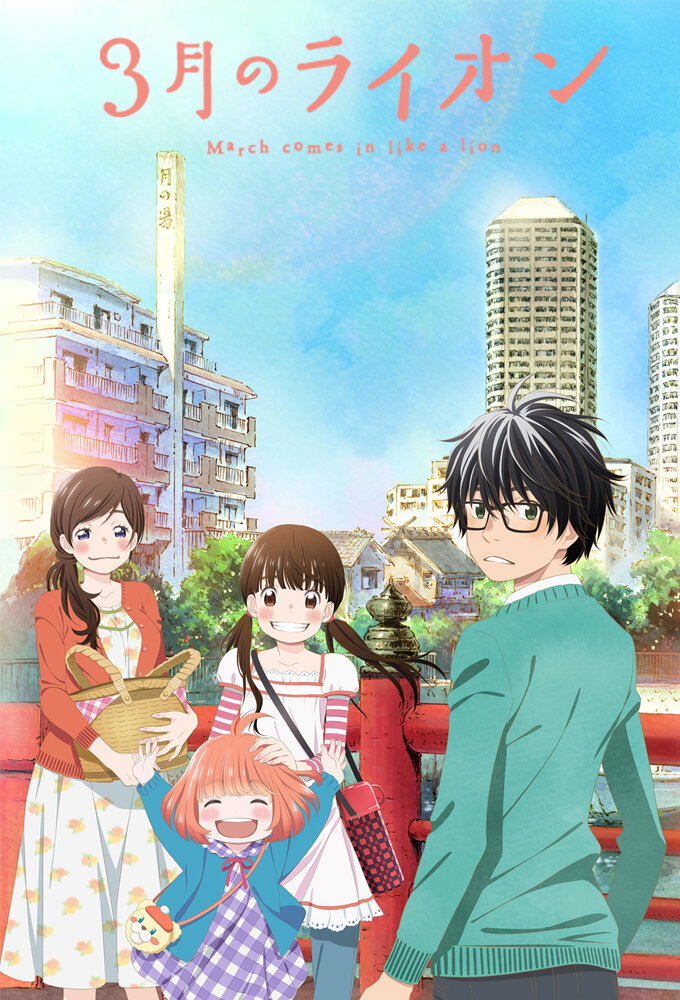
March comes in like a lion2016
Shares Prince of Tennis's structure—brilliant young protagonist shadowed by family legacy, team bonding, tournaments—but trades speed for depth. Where Prince of Tennis accelerates, this one breathes.
Professional shogi (Japanese chess) anime with exceptional character writing and visual poetry. Slower, more meditative, but devastatingly moving about loneliness, found family, and healing. Genuinely beautiful.
But Shogi's rules are opaque to most viewers. Plot moves deliberately; if you want sports excitement and clear victories, this prioritizes emotional truth over competition drama.