Television series
Fear City: New York vs The Mafia
A taut four-part documentary about the FBI's war against five Mafia families who strangled New York in the '70s and '80s. It's propulsive and cynical—less interested in romanticizing gangsters than in the byzantine intelligence work and moral compromises required to dismantle an entrenched criminal empire. For anyone who loves procedural crime storytelling with real stakes and real blood.
Should you watch it?
Watch it if you enjoy true-crime documentaries built from archive footage and sit-down interviews, and find the machinery of a law-enforcement campaign as gripping as the gangsters themselves.
Skip it if you want dramatized scenes, a sweeping narrative or a slow-burn mood; this is a brisk, talking-heads account that keeps moving and leaves little room to linger.
What it asks of you: Three episodes of roughly fifty minutes each, so a single evening's commitment, with a brisk pace and a tone that stays matter-of-fact rather than sensational.
Not sure? Find tonight's pick in a minute.
If you liked this
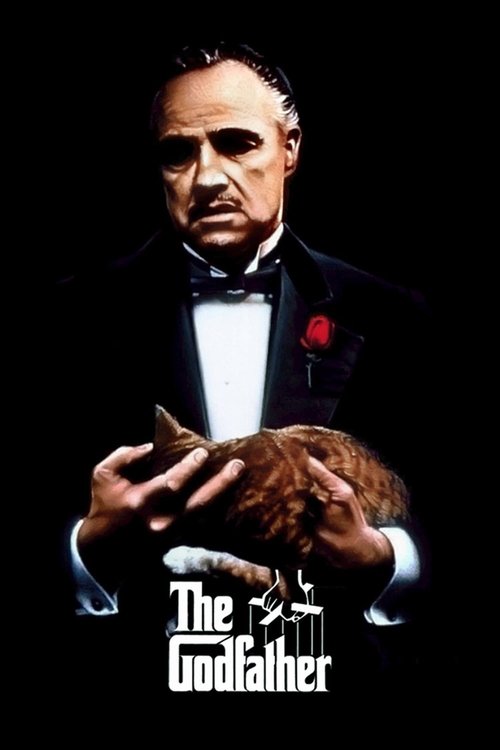
The Godfather1972
The archetypal depiction of Mafia power and family loyalty. Watching this after Fear City gives you both the myth and the unglamorous reality of how it actually operated—the contrast is electric.
But Three-and-a-half hours, and if you already know the story intimately, the pacing can feel leisurely compared to the documentary's urgency.
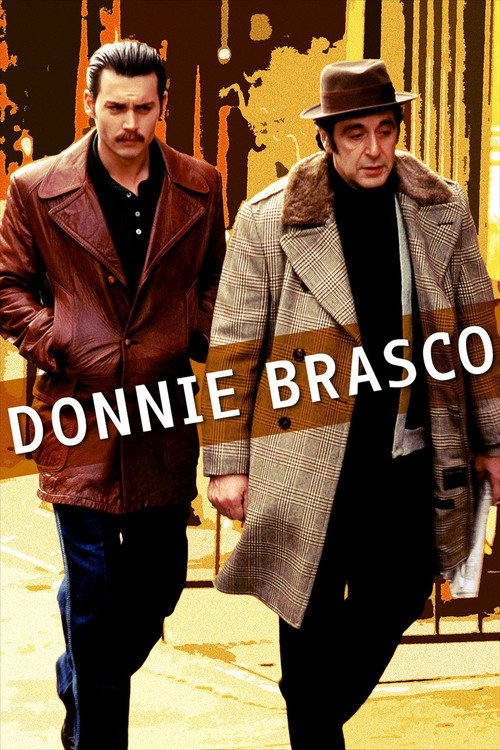
Donnie Brasco1997
A perfectly calibrated drama about an FBI undercover agent infiltrating a Mafia crew, mirroring the real operations Fear City chronicles. It's tense, character-driven, and honest about moral corrosion.
But Lacks the historical sweep of the documentary—it's a tight character study rather than a panoramic view of systemic crime.
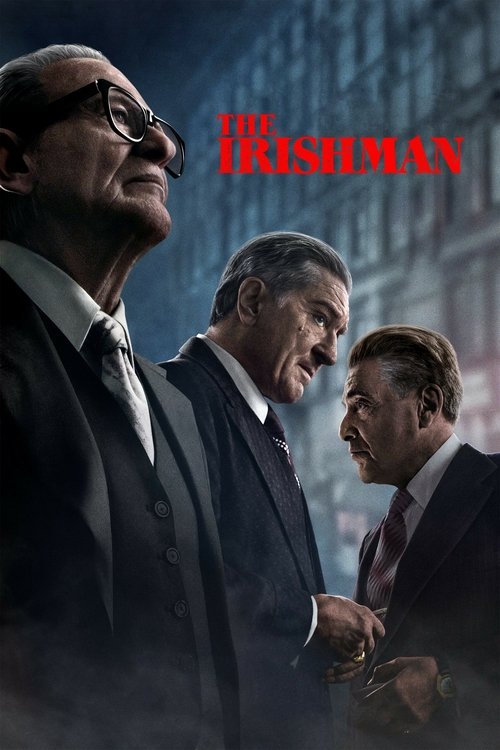
The Irishman2019
Scorsese's three-and-a-half-hour meditation on a Mafia hitman's life and the organized crime ecosystem that spawned him. Melancholy, forensic, and deeply intelligent about how these organizations actually worked.
But Deliberately slow and elegiac. If you want kinetic crime narrative, this reflexive, aging-body filmmaking may feel indulgent.
Not sure tonight? Get a pick in a minute, starting from Fear City: New York vs The Mafia
The wildcard
Something you would not have found on your own.
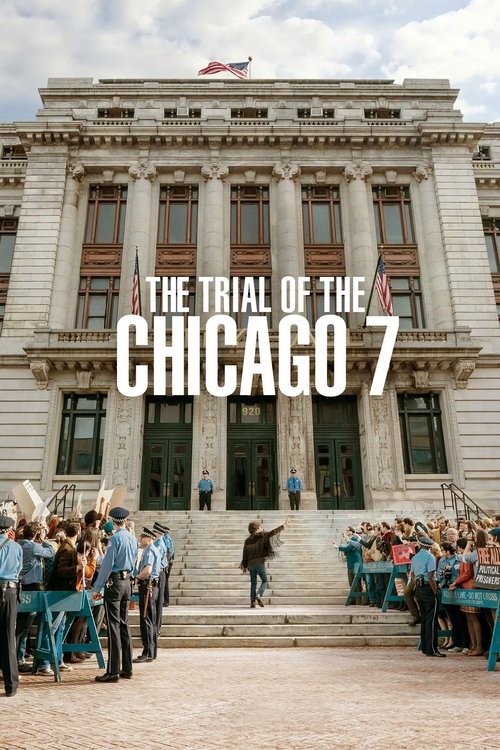
The Trial of the Chicago 72020
Both examine how federal power consolidates dominance over adversaries—one through surveillance and prosecution of criminals, one through the courtroom weaponization of conspiracy charges against protesters. The machinery is different; the dynamic is identical.
Aaron Sorkin's courtroom drama about antiwar activists prosecuted during the 1960s, centered on the mechanics of how power uses the justice system to neutralize dissent. Like Fear City, it's about institutional power asymmetry and who gets to write the official story.
But Courtroom procedurals can feel talky and theatrical. If you want documentary realism, Sorkin's stylization and dramatic shortcuts might feel manipulative.
More like this (8)
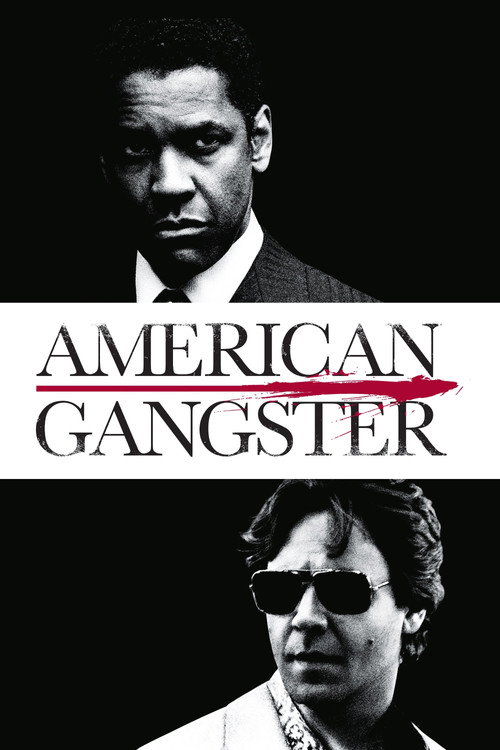
American Gangster2007
A cat-and-mouse story between a major drug trafficker and the detective hunting him, with the same institutional scrutiny Fear City brings to law enforcement versus organized crime.
But Tries to be Godfather-adjacent but lands closer to a well-made procedural. The ambition outpaces the execution.
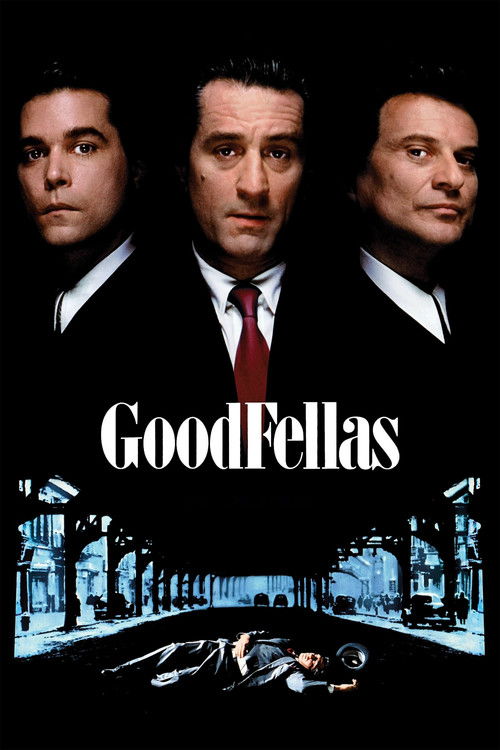
GoodFellas1990
Scorsese's visceral chronicle of a wiseguy's rise and fall through the Mafia ranks. Stylistically electrifying and often funny, it captures the seduction and stupidity of the life in equal measure.
But Glamorizes the criminality more than Fear City would stomach. The film is so entertaining it can obscure the actual human damage.
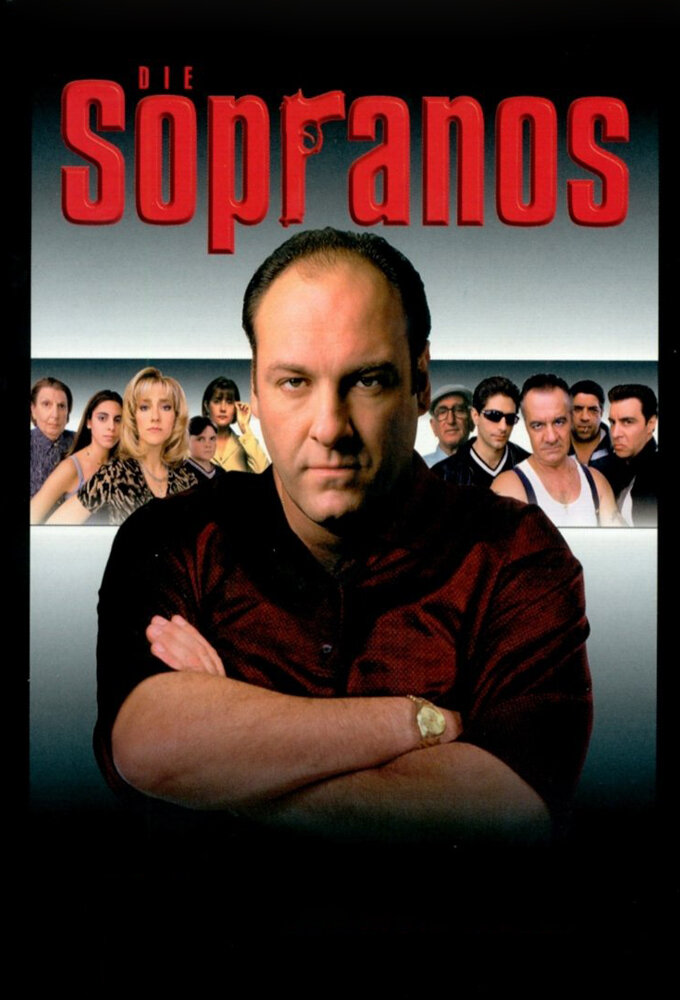
The Sopranos1999
Six seasons of television that redefined the medium by asking what happens when you're inside a mob boss's therapy sessions. Psychologically astute and darkly hilarious in ways the documentary cannot be.
But Starts strong but its later seasons sprawl; you'll need real stamina to finish. And it's fundamentally a character drama, not the institutional history Fear City offers.
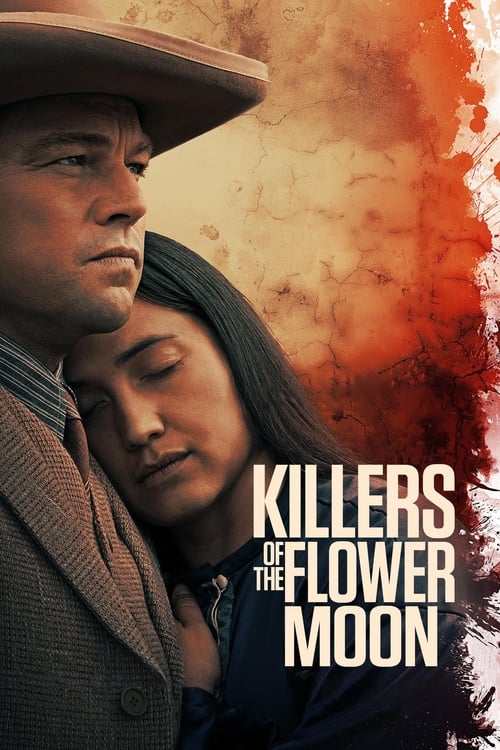
Killers of the Flower Moon2023
Scorsese's three-and-a-half-hour investigation of organized crime, conspiracy, and greed preying on a Native American community. It's about systems of corruption and institutional failure, which is Fear City's DNA in a different key.
But Demands patience and rewards it slowly. The violence is presented with moral weight, not cathartic momentum, which won't satisfy if you want action-movie stakes.
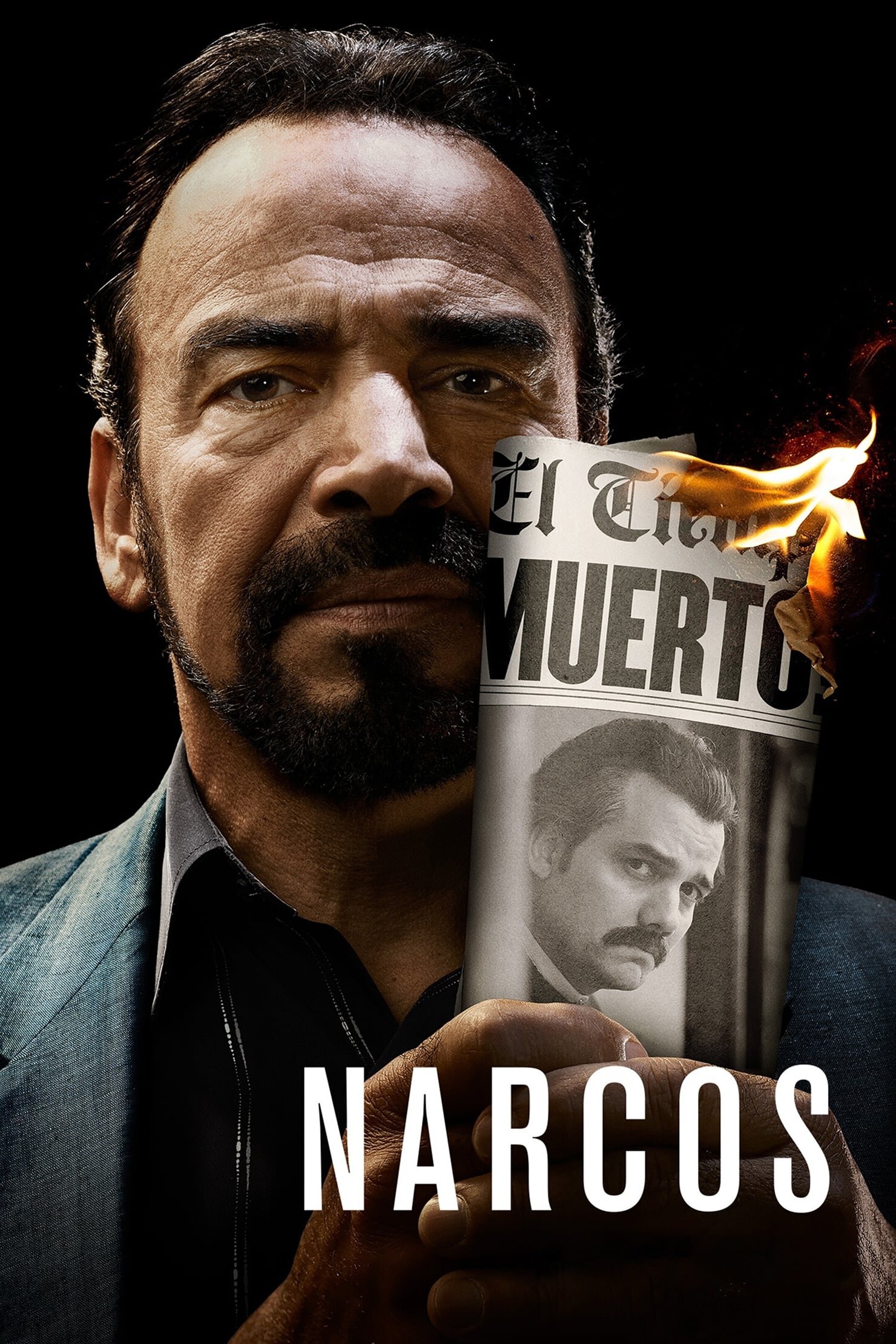
Narcos2015
Ten episodes that apply the same rigorous law-enforcement procedural logic to Pablo Escobar's cocaine empire. It's Fear City's DNA applied to a different criminal architecture and a different era.
But More action-oriented and less psychologically complex than the best institutional crime drama. The show wants to move fast, sometimes at the expense of nuance.
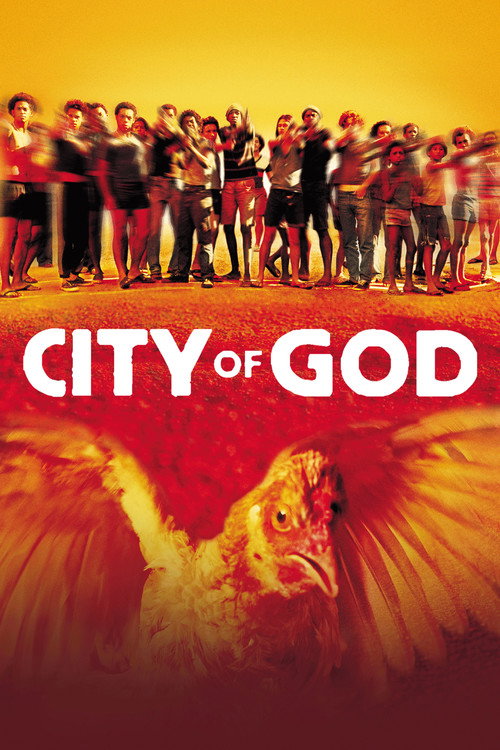
City of God2002
A Brazilian favela's criminal underworld rendered with kinetic visual brilliance and heartbreaking clarity about how poverty and violence intertwine. It's organized crime from the ground up rather than from FBI headquarters.
But Very violent and relentlessly bleak. The stylization, though brilliant, can feel at odds with the genuine suffering it documents.
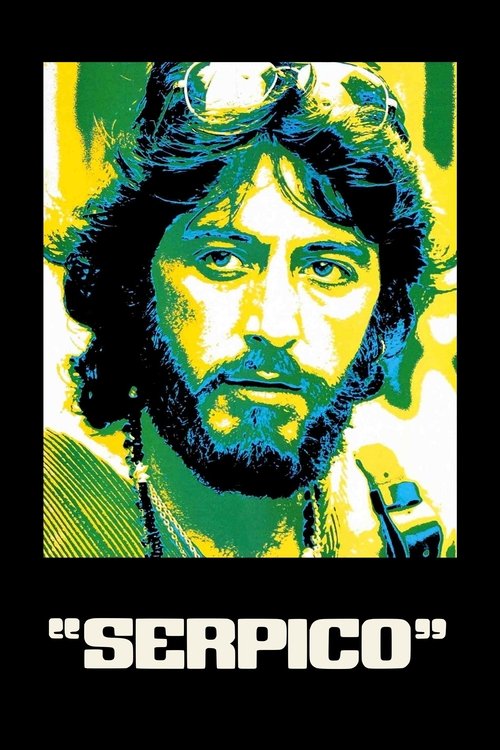
Serpico1973
Fear City shows the FBI victorious against organized crime, but Serpico reveals the NYPD was simultaneously suffused with payoffs and corruption. They're two halves of the same corrupt city, showing how deeply the disease ran.
Al Pacino as a whistleblower cop fighting corruption in the NYPD. It's set in the exact era and city as Fear City but focuses on institutional rot from inside the police department itself—the other side of the same coin.
But Slowly paced 1970s procedural. If you're accustomed to modern crime drama's velocity, this will feel contemplative to the point of drag.
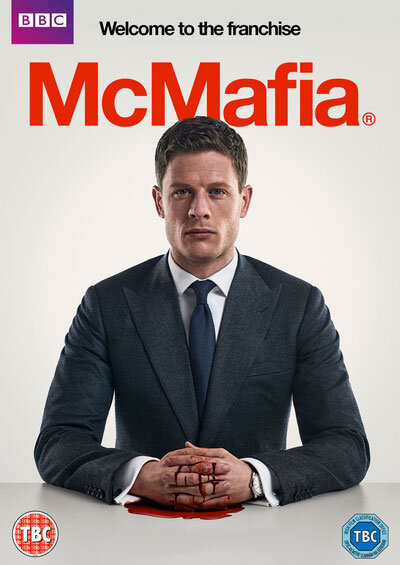
McMafia2018
Both are anthropologies of how criminal organizations function as parallel institutions with their own rules, economics, and hierarchies. Fear City studies Mafia structure; McMafia studies how those structures adapted and globalized into the present day.
An eight-part British miniseries tracing how post-Soviet organized crime networks operate in the modern globalized economy. It shares Fear City's procedural rigor and institutional mapping but shifts from historical '70s New York to contemporary international financial crime.
But Complex, multinational plotting can be hard to follow. It's deliberately unglamorous and slow-burn about how modern crime actually works—abstract, financial, untidy.