
Film
Crime Story: Pilot
The feature-length pilot for an ambitious 1986 crime series following an undercover cop infiltrating Chicago's mob. It's stylish, violent, and genuinely tense—a show that wanted to be the next level of television crime drama. For anyone who loves cops-versus-criminals stories with real stakes and a sharp visual sense.
Should you watch it?
Watch it if you like crime stories built on patient procedure and a slow-burning, gritty mood, and want to see where a long-running series first found its footing.
Skip it if you want a tight, self-contained movie with a clean arc; this 1986 TV pilot sets up more than it resolves and its pacing shows its age.
What it asks of you: Ninety-six minutes of unhurried, talk-heavy build, with a grimy 1980s texture and scenes that linger rather than cut quickly. Patience pays off more than close tracking does.
Not sure? Find tonight's pick in a minute.
If you liked this
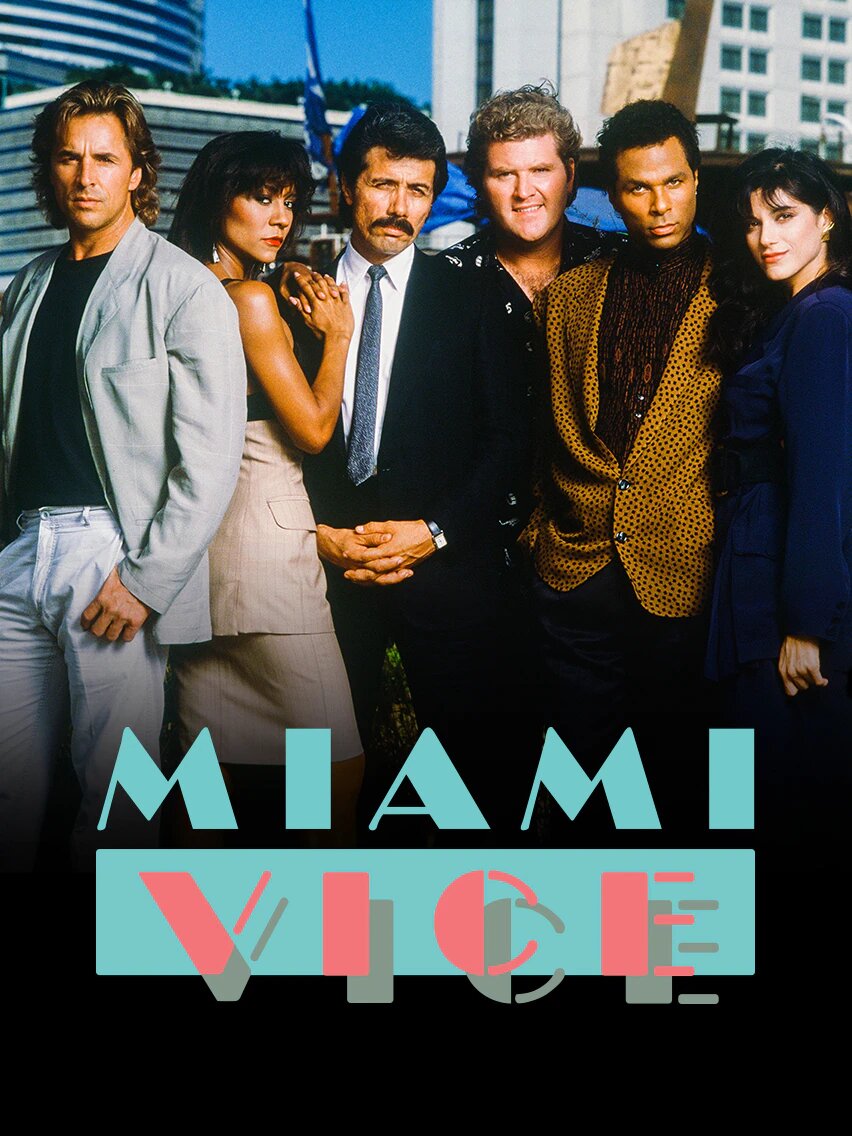
Miami Vice1984
The template for prestige crime TV: gorgeous cinematography, synthesizer scores, and morally compromised cops working undercover in a world of wealth and corruption. Shares Crime Story's visual swagger and moral ambiguity.
But The aesthetic can feel dated and occasionally comes before character development. Some episodes prioritize style over substance in ways that frustrate.
Hill Street Blues1981
The show that proved television could do serious, serialized police work with ensemble casts and real stakes. Crime Story learned from its ambition and depth of character, building on what Hill Street pioneered.
But It moves slowly and deliberately—there's less violence and action than Crime Story's relentless energy. Some find the procedural elements tedious.
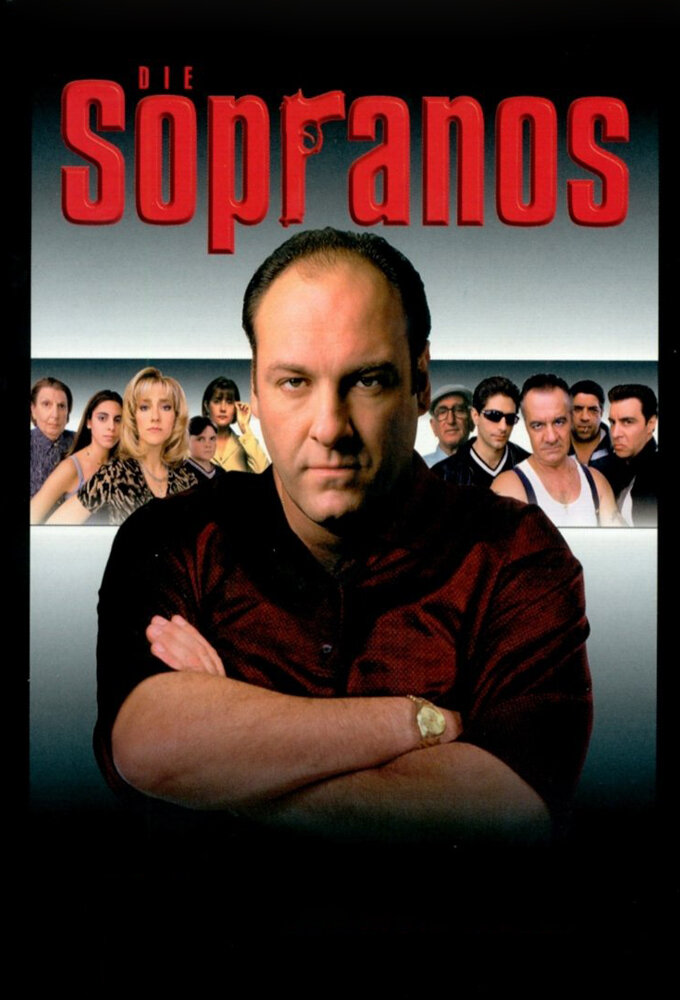
The Sopranos1999
The definitive crime-from-inside story: what happens when you embed with the mob and watch power, loyalty, and violence tear people apart. Crime Story was reaching toward this kind of psychological depth.
But Six seasons is a massive commitment, and it's deliberately psychological rather than plot-driven. The pacing is slow compared to 80s action rhythms.
Not sure tonight? Get a pick in a minute, starting from Crime Story: Pilot
The wildcard
Something you would not have found on your own.
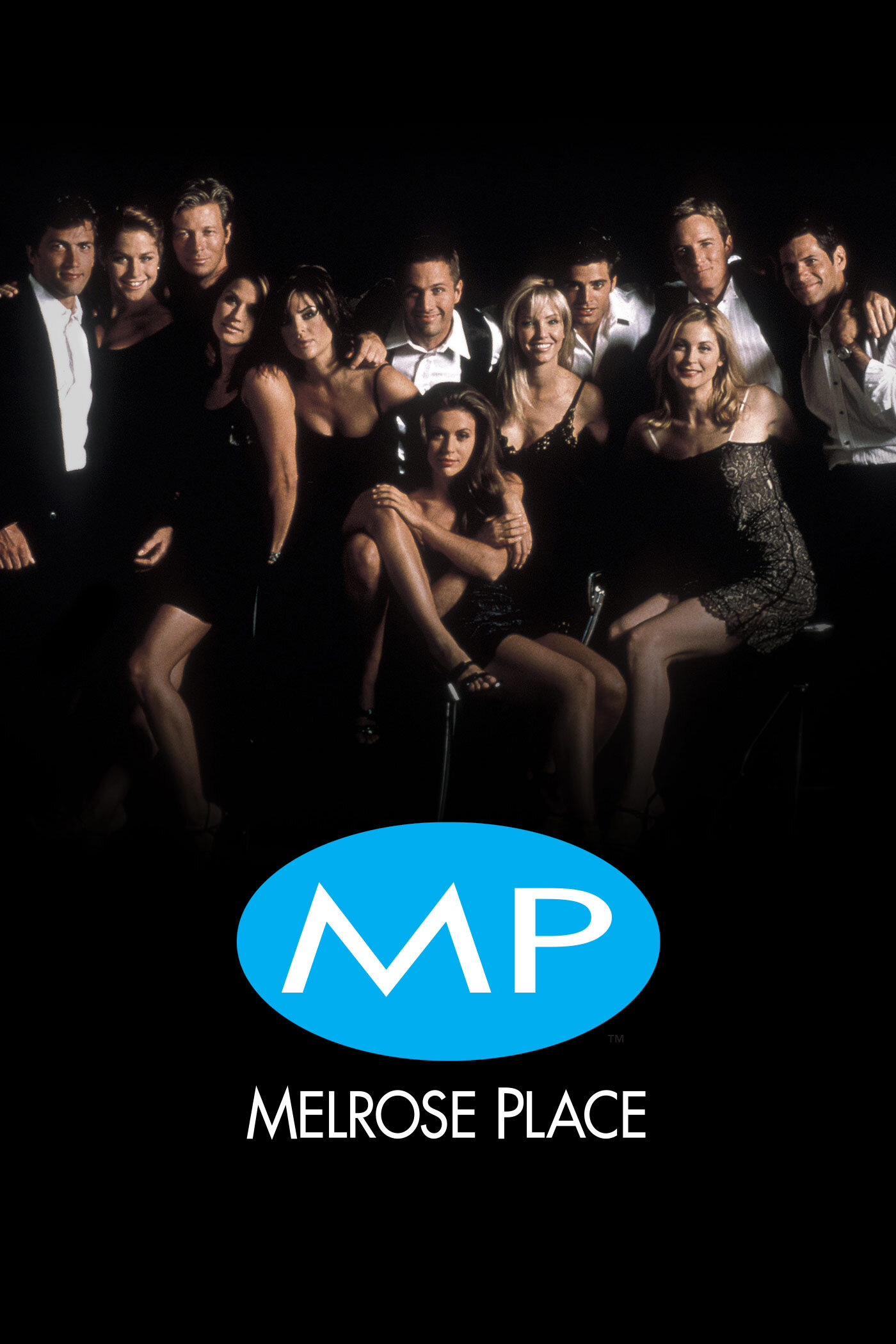
Melrose Place1992
Both are serialized ensemble dramas about infiltration and secrets—in Melrose, nobody knows who to trust because everyone's lying about everything. Same engine, different genre.
Yes, really. It's a soap opera where beautiful people destroy each other through betrayal, manipulation, and impossible moral choices. Like Crime Story, it's deeply committed to the idea that prolonged undercover work—or living in a building full of secrets—corrodes everyone involved. Pure melodrama instead of crime procedural, but the architecture is identical.
But It's aggressively campy and silly. If you need moral seriousness, the soap opera machinery will test your patience constantly.
More like this (8)
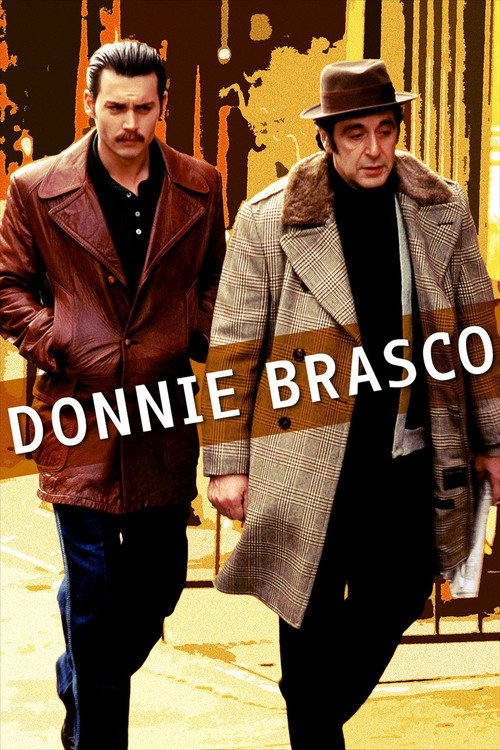
Donnie Brasco1997
The same story—an undercover cop going deep into the mob, the bonds that form, the identity crisis that follows. It's the movie version of what Crime Story was attempting on television.
But It's introspective and melancholy where Crime Story is kinetic. Some want more action and less brooding.
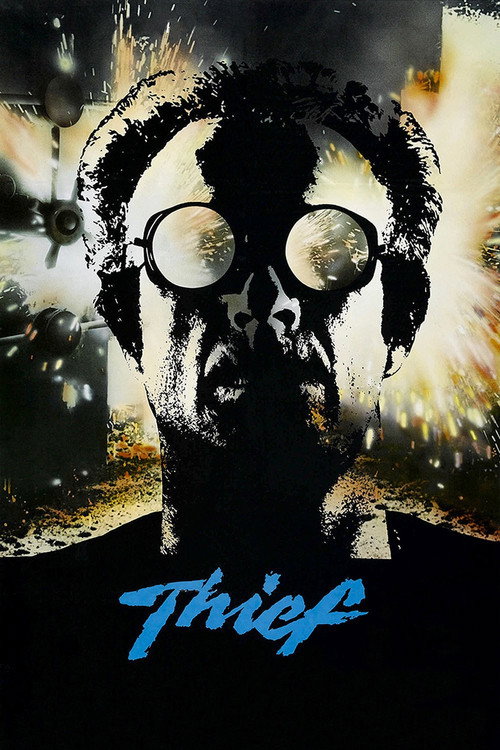
Thief1981
Michael Mann's masterpiece: stylish, violent, obsessively focused on a criminal operating in a corrupt system. The visual language and moral world are Crime Story's closest film equivalent.
But It's slow and cerebral. Long stretches without dialogue. The crime plot is almost secondary to atmosphere, which tests patience.
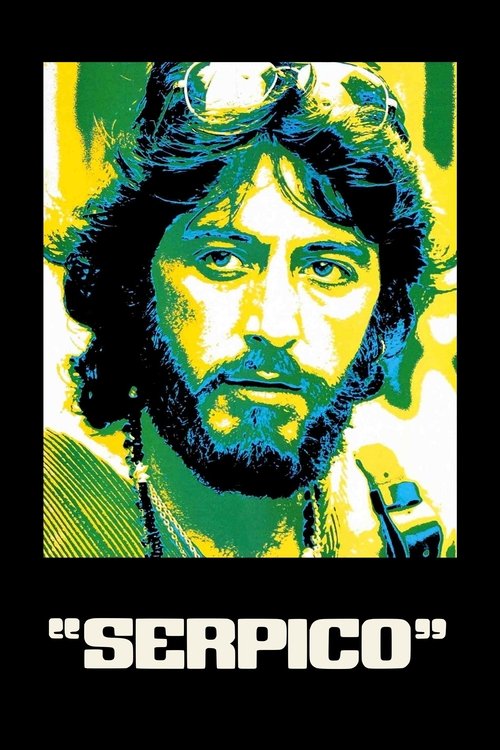
Serpico1973
A cop's lonely crusade against institutional corruption, shot with grit and authenticity. Crime Story's undercover premise sits in the tradition Serpico established about cops fighting from within.
But 1970s pacing and visual style feel remote now. It lacks the propulsive energy that makes Crime Story compelling.
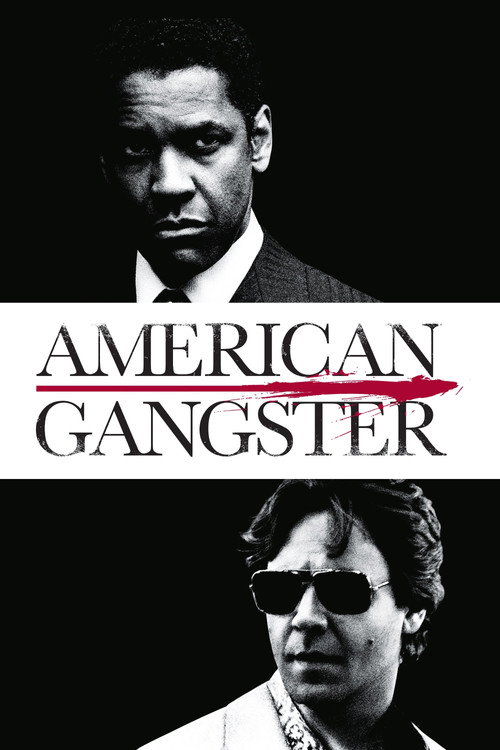
American Gangster2007
Two narratives in parallel: the drug lord building an empire and the cop determined to take him down. Longer and more epic than Crime Story, but cut from the same cloth of ambition and corruption.
But Nearly 3 hours, and the middle sags. Some find Denzel Washington's cop less interesting than the Denzel Washington playing the criminal.
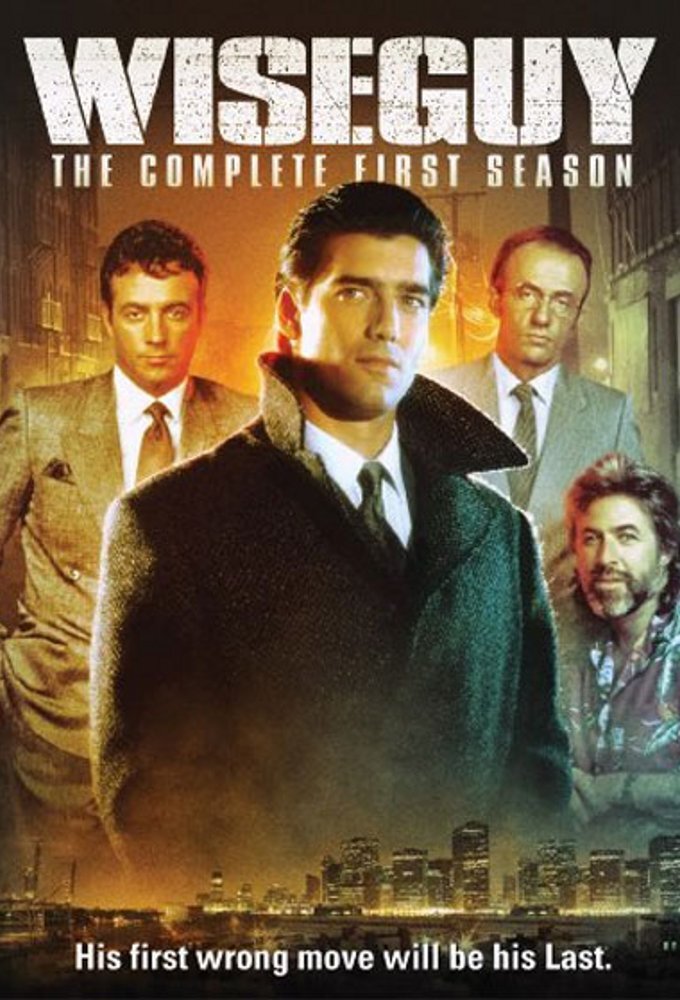
Wiseguy1987
An undercover cop in the mob, made contemporaneously with Crime Story. It's similarly committed to the slow burn of infiltration and the psychological toll, with strong character work and serialized storytelling.
But It can feel repetitive across seasons. Without Crime Story's visual polish, it relies more heavily on dialogue and performance, which doesn't always land.
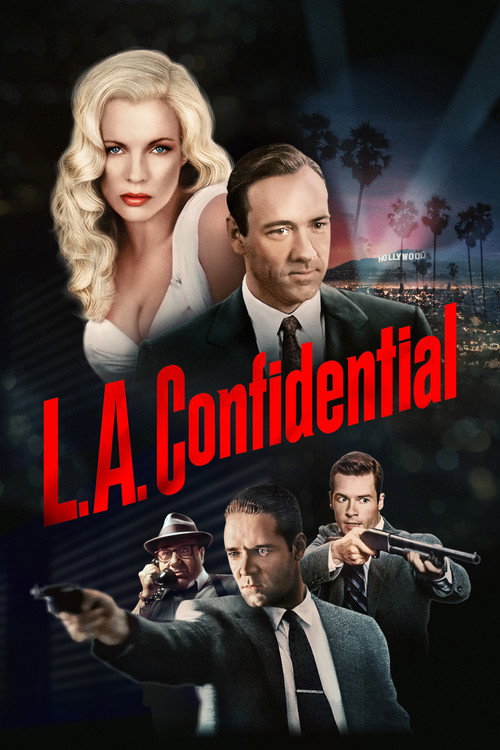
L.A. Confidential1997
Corrupt cops, organized crime, and men forced to operate in the spaces between law and criminality. It's got the moral complexity and the propulsive 1950s noir energy that Crime Story channels.
But It's tightly plotted procedural rather than character study. Less time for the relationships that make undercover stories resonate.
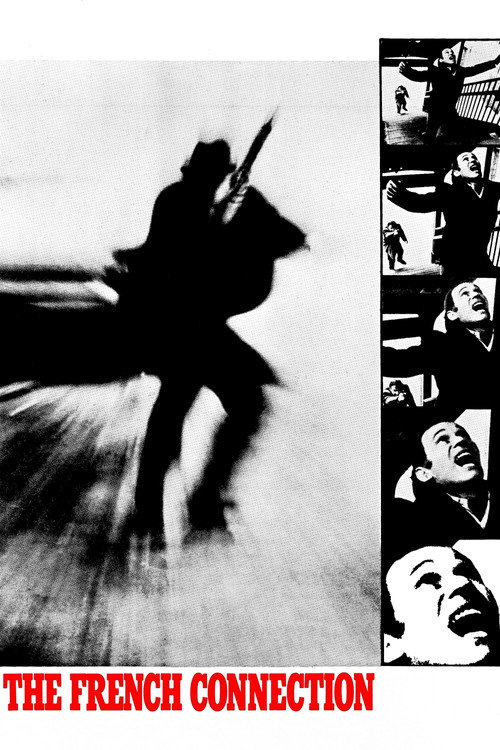
The French Connection1971
Crime Story modernizes and amplifies what The French Connection did first—the idea that chasing criminals at close range ruins the cop chasing them.
A cop obsessed to the point of self-destruction, chasing a criminal through the margins of legality and morality. Friedkin's film is the spiritual ancestor of every undercover cop story made since. Raw, unglamorous, genuinely tense.
But It's a 1970s procedural: slow, methodical, not conventionally shaped. Long stretches of surveillance and waiting. No score, minimal dramatization.
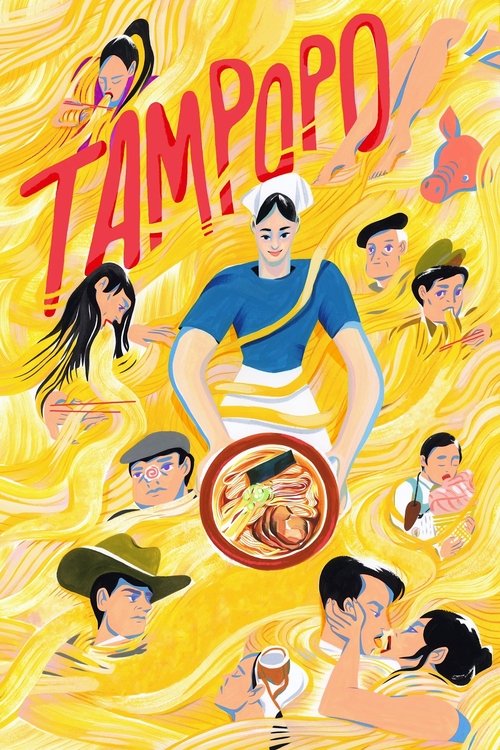
Tampopo1985
Both are 1986 works about the psychology of obsession and infiltration—how deeply believing in a mission (catching criminals, perfecting ramen) shapes identity and relationships.
Made the same year as Crime Story: a Japanese avant-garde comedy-drama about obsession, loyalty, and the pursuit of perfection in the most mundane context imaginable—making the perfect bowl of ramen. It's wildly strange, funny, and oddly moving.
But It's not a crime story at all and has no conventional plot. It's avant-garde and episodic. Most will find it baffling rather than rewarding.
People
Cast
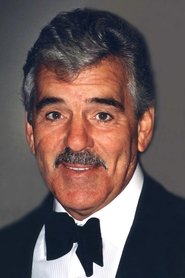 Dennis FarinaLt. Mike Torello
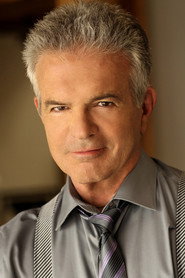 Tony DenisonRay Luca
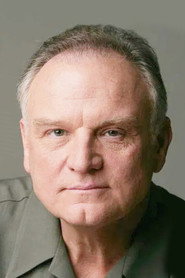 Bill SmitrovichDet. Danny Krychek
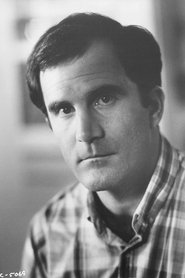 Steve RyanDet. Nate Grossman
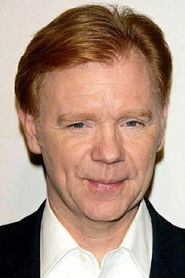 David CarusoJohnny O'Donnel
 Darlanne FluegelJulie Torello
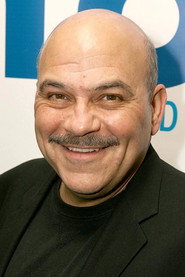 Jon PolitoPhil Bartoli
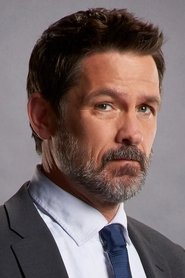 Billy CampbellDet. Joey Indelli
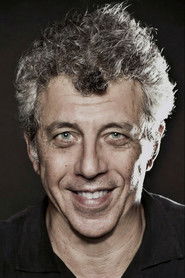
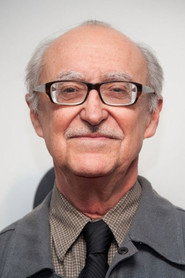 Martin FerreroIgnacio
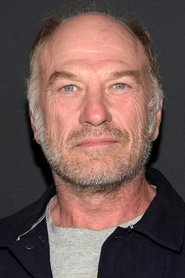 Ted LevineFrank Holman
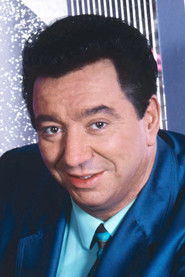 John SantucciPaul Taglia
Directing
- Abel FerraraDirector
- Marty Eli SchwartzFirst Assistant Director
- Jeanne CaliendoSecond Assistant Director
- Stan BarrettSecond Unit Director
Writing
- Chuck AdamsonWriter
- David J. BurkeWriter
- Gustave ReiningerWriter
Production
- Bob HudginsAssistant Location Manager
- Gusmano CesarettiAssociate Producer
- Peter R. McIntoshAssociate Producer
- Jeff BlockCasting Assistant
- Bonnie TimmermannCasting Director
- Michael MannExecutive Producer
- Lisa S. BeasleyExtras Casting
- Billy HigginsLocation Manager
- Peter PastorelliLocation Manager
- Ervin ZavadaProducer
- Peter R. McIntoshProduction Manager