
Film
Brother
Other titles called Brother: the 1997 film.
- Gangster
- Very dark
Takeshi Kitano's *Brother* follows a yakuza enforcer exiled to Los Angeles, navigating a brutal underworld where honor and loyalty crumble against American violence. It's glacial, violent, and hypnotic—a collision of cultures told through long silences and sudden brutality. For anyone drawn to crime cinema that prioritizes mood over plot.
If you liked this
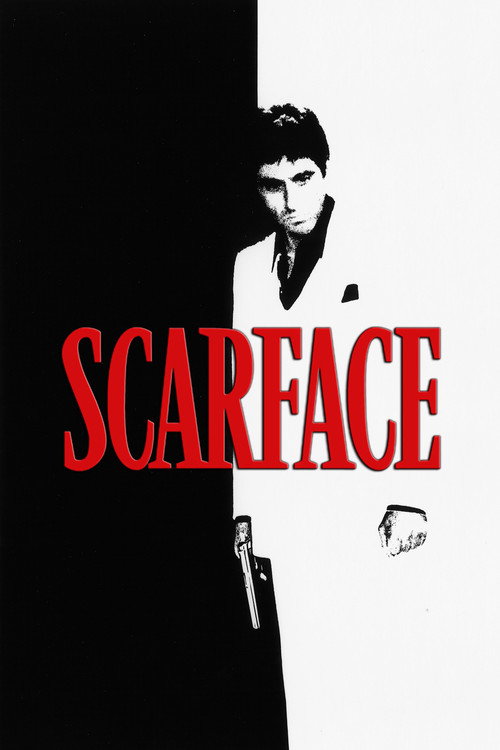
Scarface1983
A relentless rise-and-fall through organized crime, fueled by Tony Montana's refusal to play by anyone's rules. Like *Brother*, it's about an outsider's violent collision with a new criminal ecosystem.
But The excess can feel overwrought now; it's long, stylized, and the accent might grate after two hours.
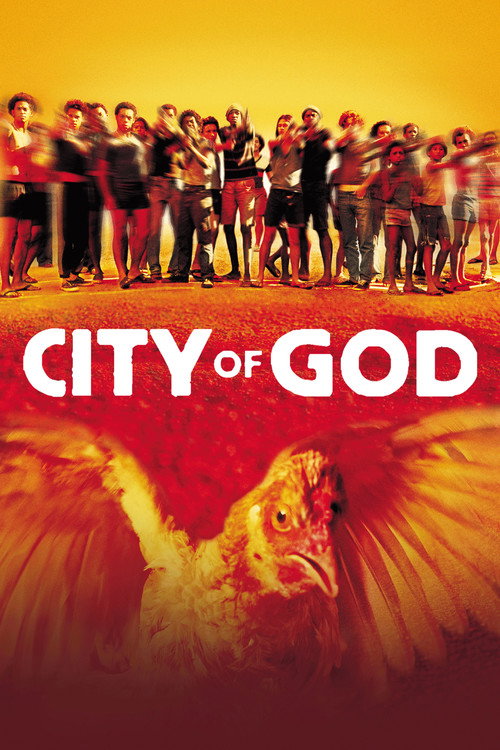
City of God2002
Favela gangs, territorial violence, and a protagonist trying to survive a system designed to destroy him. Both films treat criminal worlds with anthropological seriousness while never flinching from their ugliness.
But The frenetic editing and multiple narratives demand your full attention; subtitles and sheer narrative density might exhaust you.
In the Mood for Love2000
Wong Kar-wai's masterpiece of restraint and unspoken longing. Like Kitano, he builds tension through what's *not* said, using color and silence as a language. Both prize mood over exposition.
But Nothing happens by conventional standards; it's pure atmosphere and visual poetry. If you need plot momentum, you'll find it unbearably slow.

Not sure tonight? Get a pick in a minute, starting from Brother
The wildcard
Something you would not have found on your own.
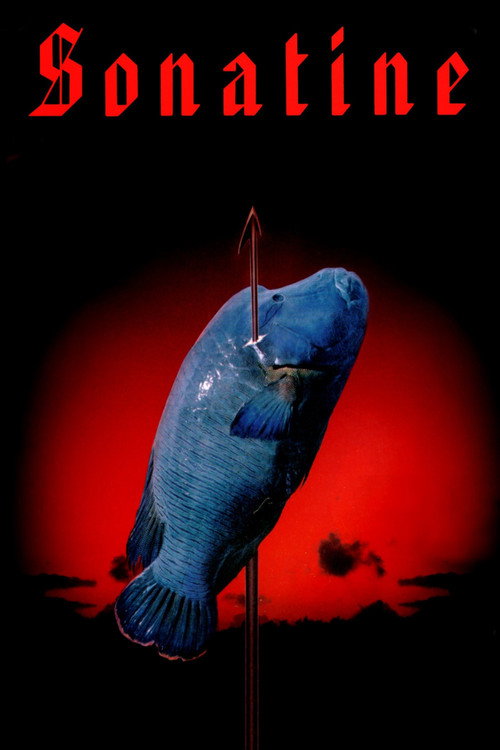
Sonatine1993
Takeshi Kitano directed both; *Sonatine* is the philosophical skeleton that *Brother* remakes across the Pacific.
Kitano's own earlier yakuza film, where a gang boss and his men end up on a beach facing their obsolescence. It's the DNA of *Brother*—a crime film about exhaustion, meaninglessness, and men waiting for death to find them. Essential context for understanding his later work.
But It's slower and more cryptic than *Brother*; some will find it pretentious or deliberately difficult. If you want answers, it offers none.
More like this (8)
A Prophet2009
A young man enters prison and systematically acquires power through intelligence and ruthlessness. The same cold trajectory as *Brother*, unfolding in a closed system where violence is currency.
But French prison cinema is grim and unglamorous; there's no catharsis, just accumulation of damage and moral compromise.

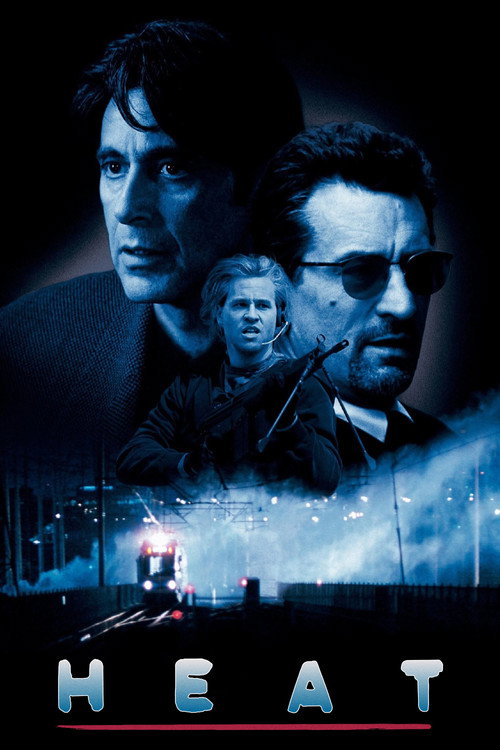
Heat1995
Mann's opus of professional criminals and the detective hunting them. Both films understand that criminals are tragic figures with their own codes, and that violence is the inevitable language they speak.
But It's 170 minutes long and demands you care about heist logistics; the scope can feel indulgent if you want something tighter.
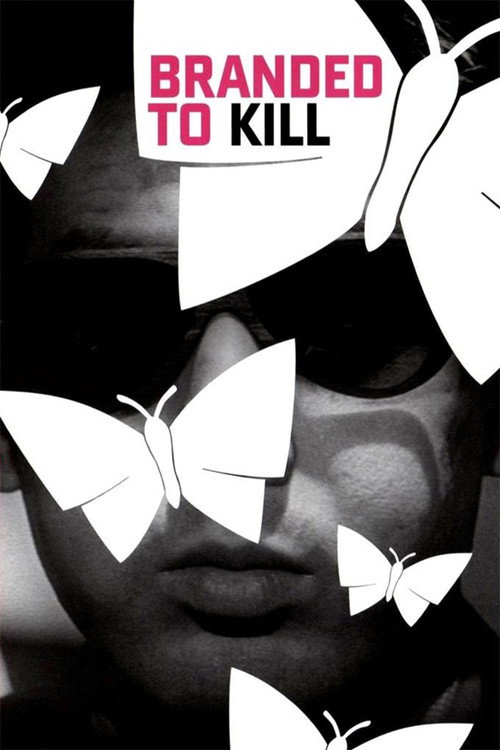
Branded to Kill1967
Suzuki's surreal yakuza film where a hitman becomes a victim of the system he served. Kitano was influenced by this—both explore how loyalty and honor become death sentences in organized crime.
But The dreamlike logic and '60s surrealism might feel mannered or impenetrable if you're expecting straightforward crime narrative.
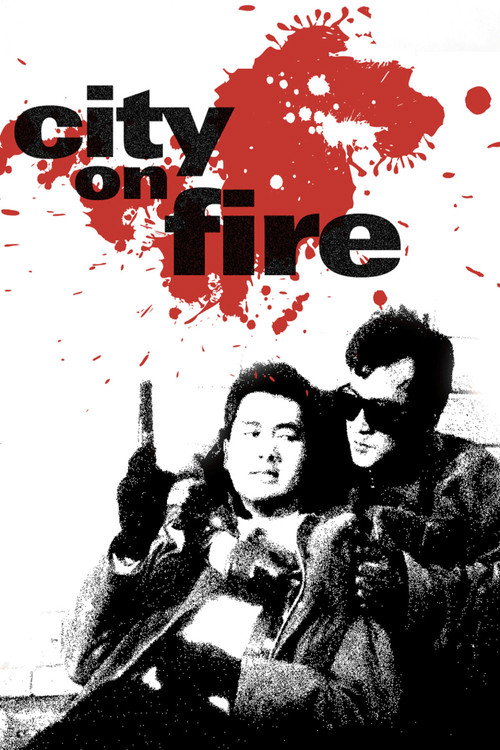
City on Fire1987
Chow Yun-fat undercover in the triads, torn between loyalty and survival. Hong Kong crime cinema at its best—stylized, operatic, but grounded in real moral conflict. The template for many Kitano-adjacent films.
But The action sequences are occasionally dated; subtitles and familiarity with Hong Kong cinema conventions helps.
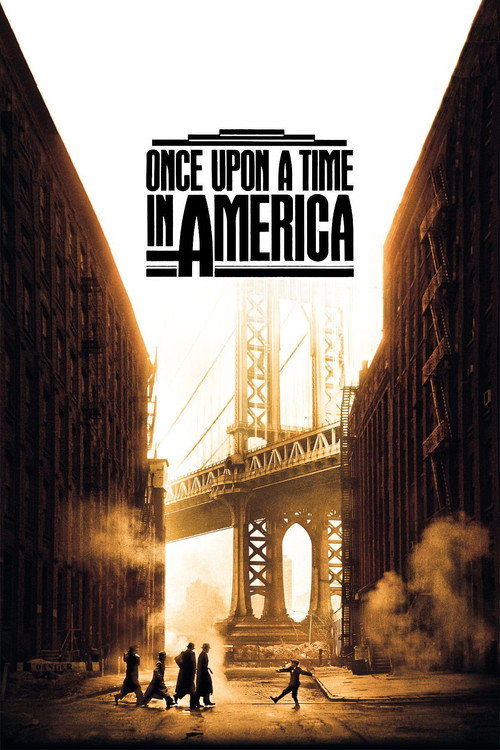
Once Upon a Time in America1984
Sergio Leone's meditation on crime, loyalty, and the impossibility of redemption. Like *Brother*, it's meditative and melancholic, treating criminals as tragic rather than mythic.
But It's nearly four hours, structured as non-linear memories, and requires patience with ambiguity and symbolic depth.
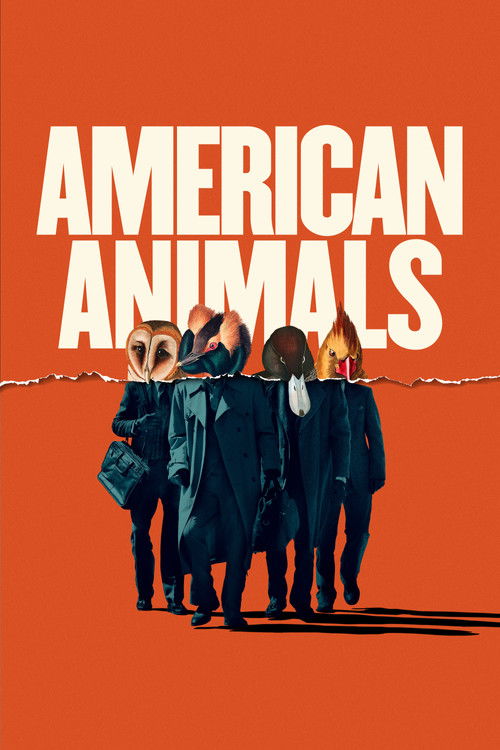
American Animals2018
Four college kids plan a heist and everything fractures along the way. It shares *Brother*'s interest in how fantasy and reality diverge, and how violence upends everyone's assumptions about themselves.
But It's deliberately fractured and playful in ways that undercut tension; if you want grim and consistent tone, this won't deliver it.
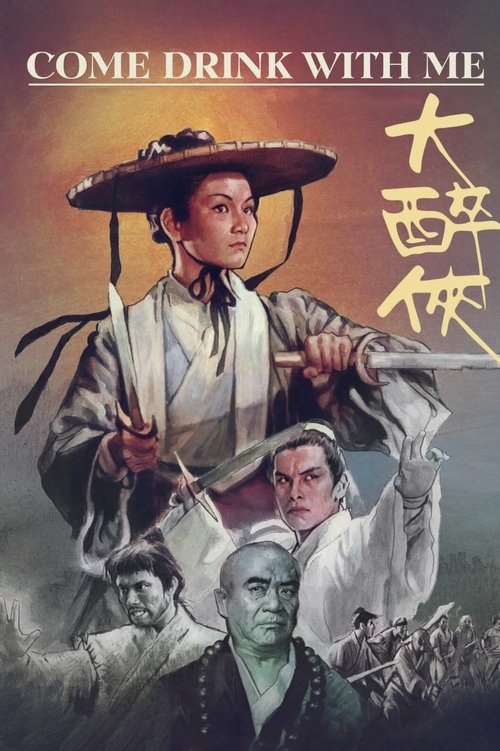
Come Drink with Me1966
Both use visual language and silence to explore honor, loyalty, and the code that binds criminal communities. Both are about outsiders navigating systems they partly understand.
King Hu's wuxia masterpiece: a female warrior navigates a criminal underworld with minimal dialogue and maximum visual storytelling. Like *Brother*, it trusts silence, composition, and the weight of glances to convey everything. Pure cinema.
But It's a martial arts film from 1966, which means period styling and a different physical vocabulary entirely. Patience with older action cinema required.
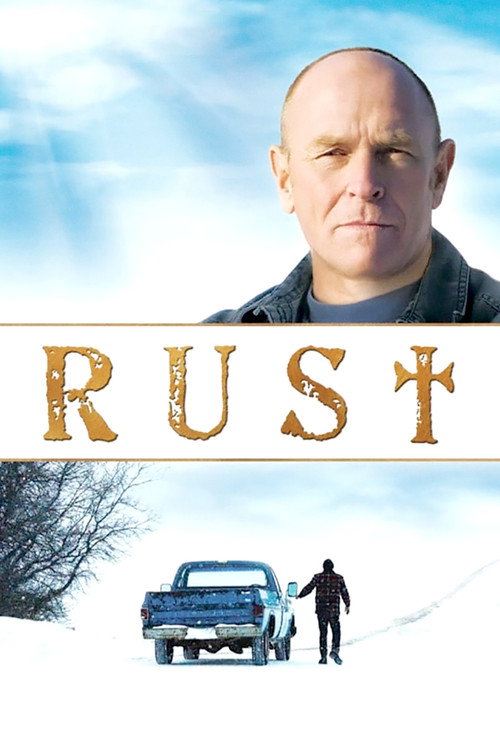
Rust2010
Where *Brother* is poetic and controlled, *Rust* is documentary truth. Together they triangulate the fantasy versus the grinding reality of gang life.
A dark American crime documentary following real Los Angeles gang life, shot by police ride-along and street-level footage. Raw, unglamorous, and uncomfortably close to what Kitano abstracts in *Brother*—the actual human cost of the world he depicts.
But It's documentary reality, not narrative; no plot arc or emotional catharsis, just exhausting footage of crime and poverty. Relentlessly bleak.
People
Cast
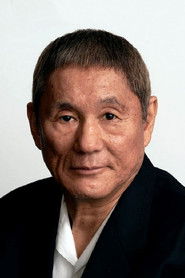 Takeshi KitanoAniki Yamamoto
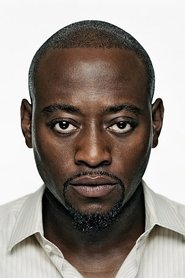 Omar EppsDenny
 Claude MakiKen
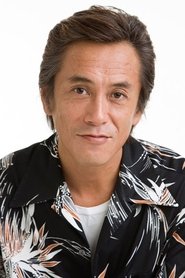 Susumu TerajimaKato
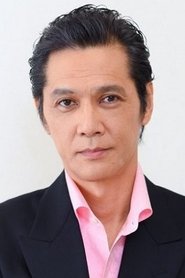 Masaya KatōShirase
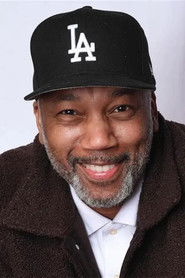
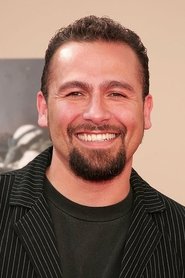
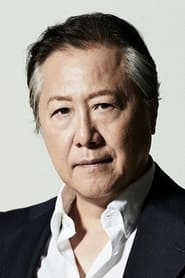 Ryo IshibashiIshihara
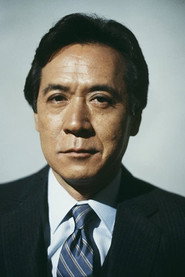 James ShigetaSugimoto
 Tatyana AliLatifa
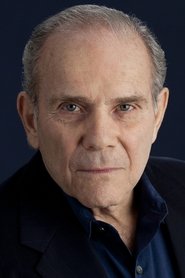 Joseph RagnoRossi
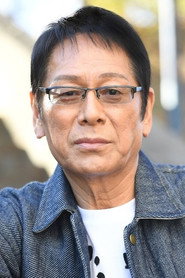 Ren OsugiHarada
Directing
- Atsushi SunagawaAssistant Director
- Darrell WoodardAssistant Director
- Hirofumi InabaAssistant Director
- Hiroshi ShimizuAssistant Director
- Rita Lisa DanaoAssistant Director
- Takashi MatsukawaAssistant Director
- Takeshi KitanoDirector
- Ed LichtFirst Assistant Director
Writing
- Takeshi KitanoWriter
Production
- Robi ReedCasting
- Takefumi YoshikawaCasting
- Shinji KomiyaLine Producer
- Ann CarliProducer
- Jeremy ThomasProducer
- Masayuki MoriProducer
- Peter WatsonProducer
- Takio YoshidaProducer