
Film
Brother
Other titles called Brother: the 2000 film.
- Gangster
- Very dark
A young man arrives in St. Petersburg seeking a fresh start with his successful older brother, only to discover he's being drawn into a world of contract killing and criminal violence. Balabanov's 1997 debut is a grimy, visceral portrait of post-Soviet Russia, where loyalty and family obligation become instruments of doom. It's for anyone who wants their crime drama unflinching and morally ambiguous.
Should you watch it?
Watch it if you want a lean, streetwise crime story where a soft-spoken outsider's moral drift unfolds across grim Petersburg streets, with deadpan violence and a wry eye for ordinary people caught up in it.
Skip it if you bristle at casual ethnic stereotyping, or find its rambling, unhurried middle a test of patience.
What it asks of you: Expect a lean ninety-six minutes, a deliberate pace that lingers on quiet scenes, and attention to bleak, understated mood rather than constant plot.
Not sure? Find tonight's pick in a minute.
If you liked this
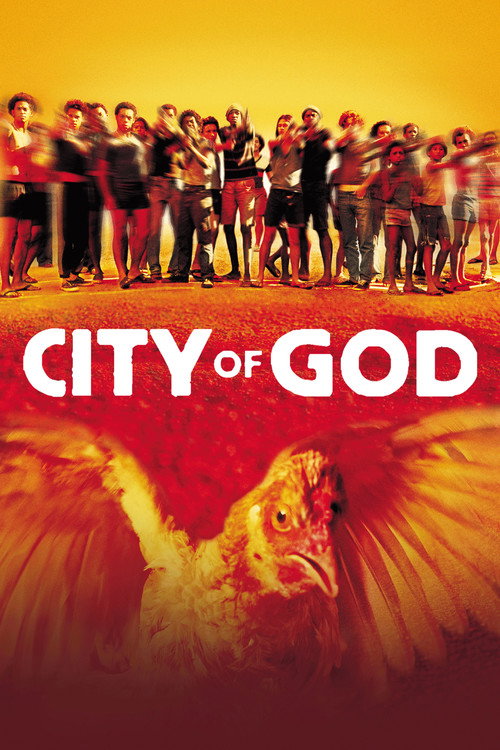
City of God2002
A parallel descent into urban violence seen through younger eyes. Like Brother, it treats crime not as spectacle but as the only economy available, told with stylistic flair that never softens the brutality.
But The handheld camera work is deliberately chaotic and the violence is shocking. Some find the frenetic energy exhausting rather than propulsive.
A Prophet2009
Another story of a young man corrupted by proximity to power inside a closed system. Audiard's film shares Brother's fascination with how mentorship becomes corruption, and its moral clarity about the cost.
But It's a prison film that moves slowly, with long stretches of watching relationships calcify. Patience required.

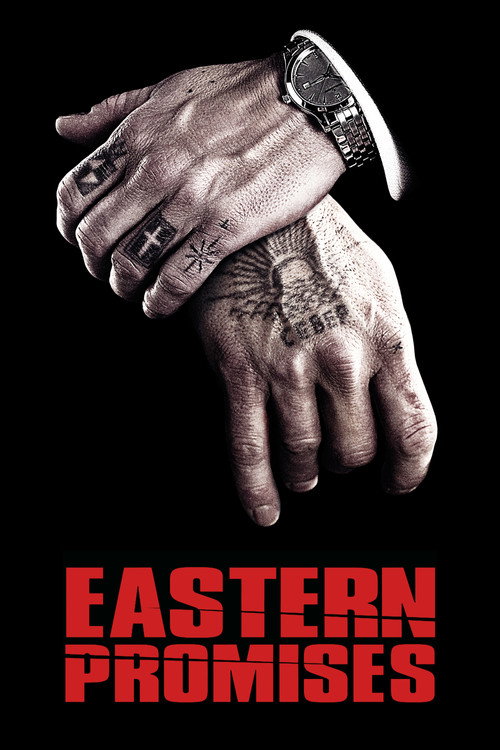
Eastern Promises2007
Cronenberg's portrait of Russian organized crime in London captures the same cold fatalism as Brother, with Viggo Mortensen delivering a performance of glacial menace. Similar DNA: family, obligation, the violence just beneath politeness.
But It's more stylized and less grimy than Brother. Some prefer Balabanov's rawer approach to Cronenberg's precision.
Not sure tonight? Get a pick in a minute, starting from Brother
The wildcard
Something you would not have found on your own.
Come and See1985
Both track a young man's corruption through proximity to violence in post-Soviet space. Both treat the audience as adults who don't need moral guidance. Both are unflinching about the cost.
Elem Klimov's war film is the closest thing to Brother in Russian cinema—a young man's initiation into a world of violence so complete it erases who he was. Shot in Belarusian forests with apocalyptic intensity, it's about the same spiritual annihilation.
But It's a harrowing film about atrocity. One of the most difficult war films ever made. The imagery is deliberately traumatic and will stay with you in ways you may not want.

More like this (7)
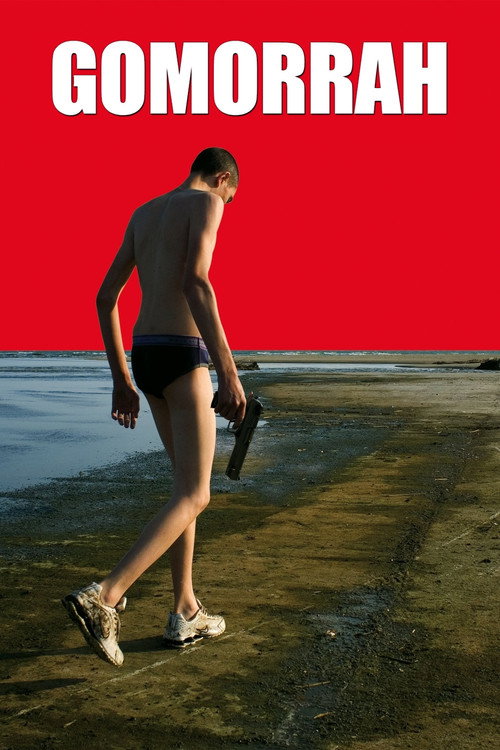
Gomorrah2008
An unflinching look at Neapolitan organized crime that matches Brother's refusal to make criminals sympathetic or exciting. Both films understand that the real story is how systems grind people into dust.
But It's deliberately unglamorous and can feel repetitive—the point is the tedium and waste, not momentum or surprises.
In the Mood for Love2000
A completely different register, but both films are about the unbridgeable distance between people who share a frame. Wong Kar-wai's aching restraint versus Balabanov's brutal directness, same emotional truth underneath.
But If you're coming off Brother looking for more adrenaline, this will feel glacially slow and oblique. It requires a different kind of attention.

The Godfather Part II1974
The foundational text for stories about young men groomed into crime by older relatives. Coppola's ambition is operatic where Balabanov is documentary, but both understand how family becomes a trap.
But Nearly three and a half hours, and the Vito Corleone sections move at a deliberate, almost ceremonial pace that modern viewers sometimes find slow.

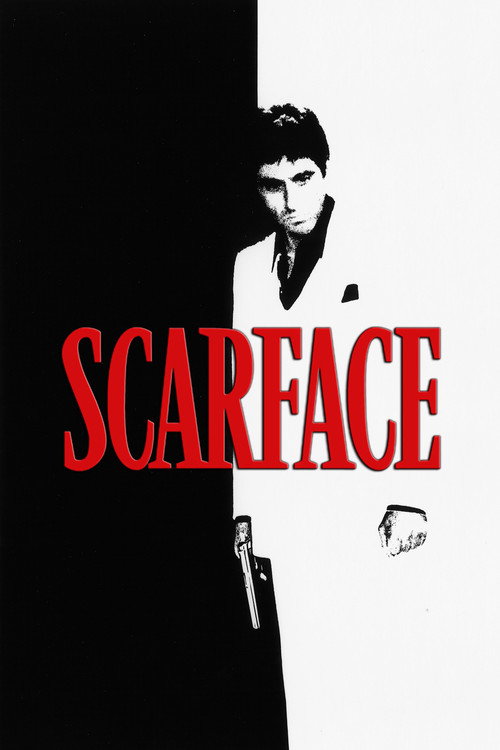
Scarface1983
Tony Montana's rise and fall has the same kinetic violence as Brother, the same sense of a man being devoured by the world he enters. De Palma's maximalism against Balabanov's minimalism, same story told two different ways.
But It's become a meme and a poster. Hard to watch without the weight of cultural baggage. Also, Pacino's accent divides people sharply.
Stalker1979
Tarkovsky's meditation on desire and corruption in Soviet Russia shares Brother's interest in what the system does to the soul. Different genres entirely, but both are deeply Russian films about the cost of wanting something.
But It's 163 minutes of philosophical science fiction that moves at the speed of a man walking through grass. Not for anyone seeking plot momentum.

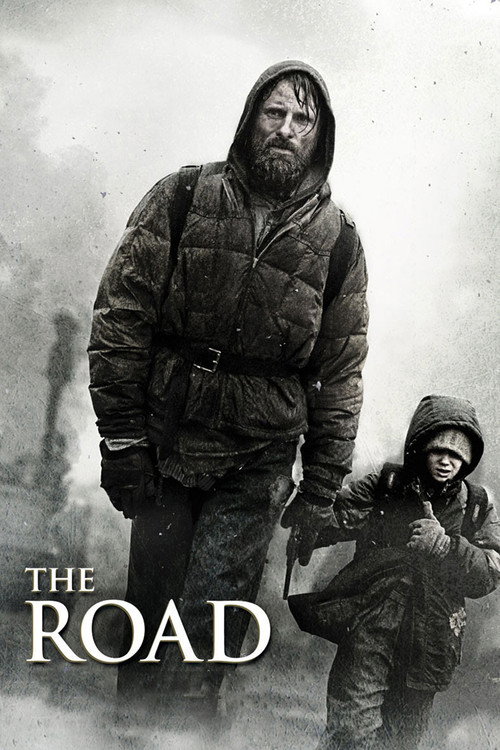
The Road2009
A father-son journey through devastation that shares Brother's bleak worldview and refusal to offer comfort. Both understand that family can be what keeps you human or what destroys you.
But It's relentlessly grim and the relationship between the characters never quite warms. Some find it punishing rather than moving.
In America2003
Both are about brothers and what families owe each other. Both use arrival in a new city as the moment when everything breaks. Both understand that migration is spiritual as well as geographical.
Jim Sheridan's film about an Irish family immigrating to America is a mirror-image Brother: same desperation to escape a dead place, same family bonds, same discovery that you can't outrun what you carry. It's tender where Brother is brutal, but the structure is identical.
But It's a deeply felt family drama, almost sentimental in places. If you want the coldness of Brother maintained throughout, this will feel like a betrayal.

People
Cast
 Sergei Bodrov Jr.Danila Bagrov
 Viktor SukhorukovViktor Bagrov
 Yuriy Kuznetsov"German" Hoffman
 Svetlana PismichenkoSveta

 Sergey Murzin"Krugli"
 Irina RakshinaZinka
 Igor ShibanovPoliceman
 Andrey FedortsovStepan
 Vladimir ErmilovPavel Evgrafovich
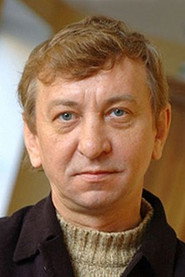 Anatoliy GorinSvetlana's Neighbor
 Andrey KraskoApartment Owner
Directing
- Natalya FrolovaAssistant Director
- Aleksei BalabanovDirector
Writing
- Aleksei BalabanovWriter
Production
- Larisa SergeyevaCasting Director
- Sergei SelyanovProducer