
Film
Infernal Street
A 1973 Hong Kong action film where a doctor's assistant takes on drug traffickers running a Japanese nightclub. Raw, energetic martial arts cinema with the moral clarity of pulp: good people versus bad people, fists and honor the currency. Made for audiences who want righteous violence, practical stunts, and no apologies.
If you liked this
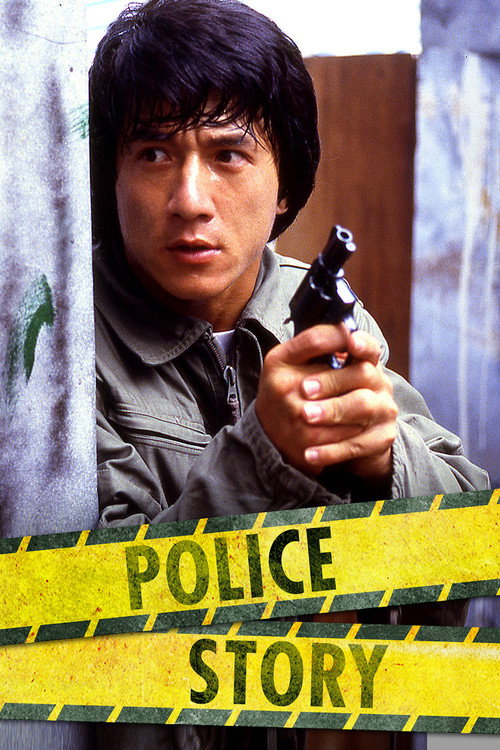
Police Story1985
Jackie Chan's breakthrough vehicle: a policeman framed for murder who must fight to clear his name. The action is inventive, the comedy lands, and Chan's physicality—that willingness to actually hurt himself—makes it electric.
But The plot is thin even by action standards, and the tone whips between broad comedy and brutal violence in ways that can feel jarring if you're not in the mood for it.
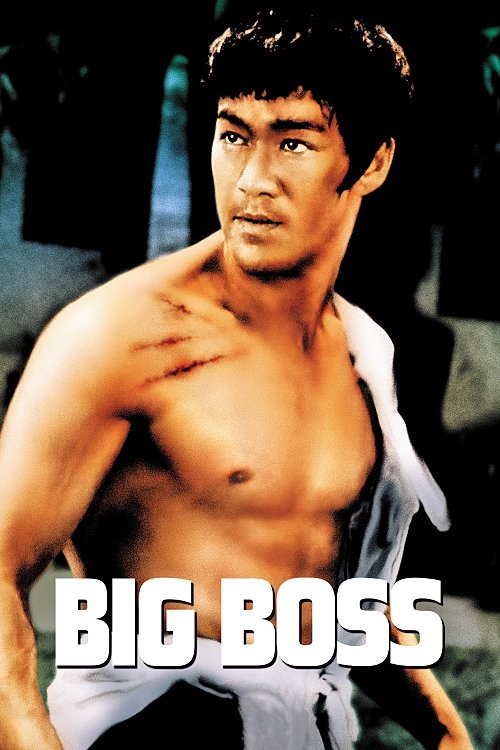
The Big Boss1971
Bruce Lee's first major film, made just two years before Infernal Street. A laborer discovers corruption at an ice factory and methodically dismantles it. Fast, brutal, and Lee's screen presence is almost supernatural.
But The early '70s action grammar looks stiff compared to later films, and long stretches between fights can feel slow if you need constant momentum.
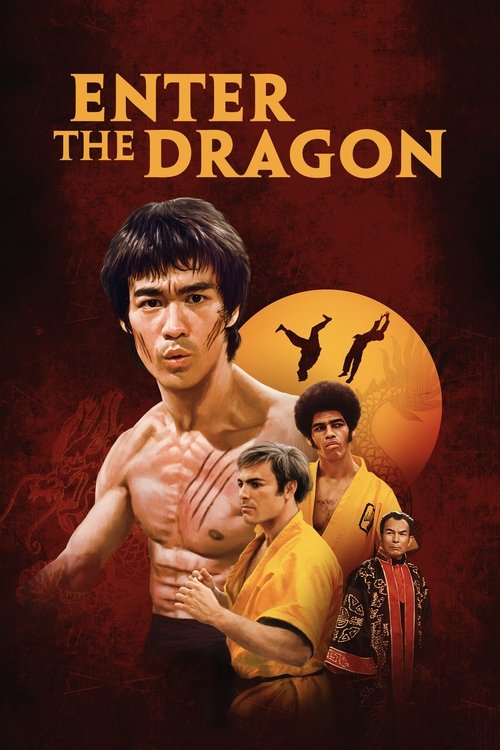
Enter the Dragon1973
Bruce Lee's only major Hollywood production, made the same year as Infernal Street. A martial artist infiltrates a crime boss's island fortress. Stylish, propulsive, and Lee's final complete performance—there's a weight to watching it.
But It's the most polished film here, which some find less raw and urgent than the grittier Hong Kong products of the era.
Not sure tonight? Get a pick in a minute, starting from Infernal Street
The wildcard
Something you would not have found on your own.
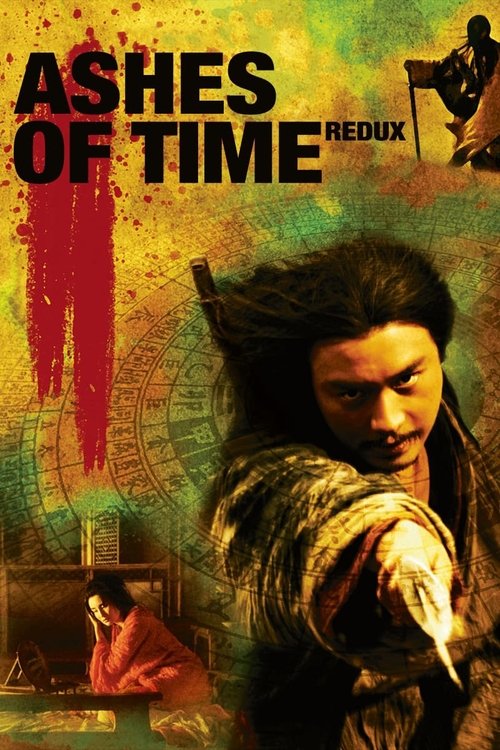
Ashes of Time1994
Both are Hong Kong action films, but Ashes of Time is what happens when an action movie stops serving audiences and serves only the director's vision—a crucial evolution of the form Infernal Street represents.
Wong Kar-wai's fragmented, fever-dream adaptation of a martial arts legend. Not plot-driven like Infernal Street, but driven by light, color, and the weight of violence as metaphor. It shows what Hong Kong cinema became when it stopped needing to be functional.
But It's deliberately oblique, plotwise nearly incoherent, and visually overwhelming. If you came for clear good-versus-evil, you'll find philosophical ambivalence instead.
More like this (8)
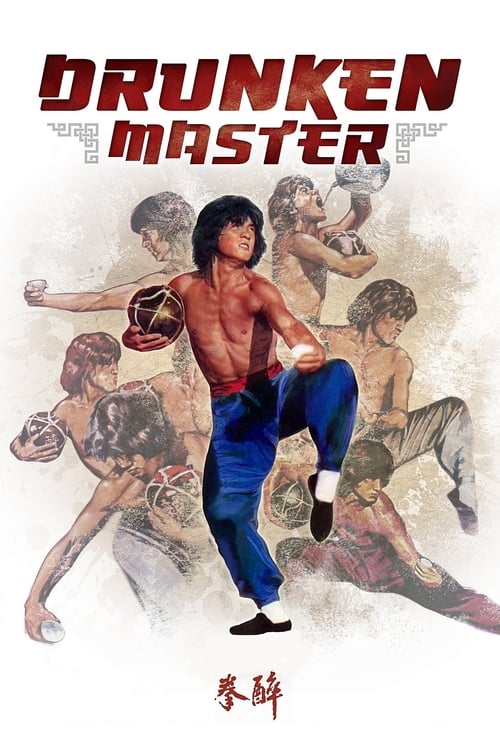
Drunken Master1978
Jackie Chan's wild, inventive follow-up where he plays a street punk trained in drunken boxing. The action choreography is genuinely creative, and Chan's comic timing makes the downtime fun instead of tedious.
But The dubbing is noticeably poor, and the framing story about a punk learning discipline may feel sentimental if you're there purely for mayhem.
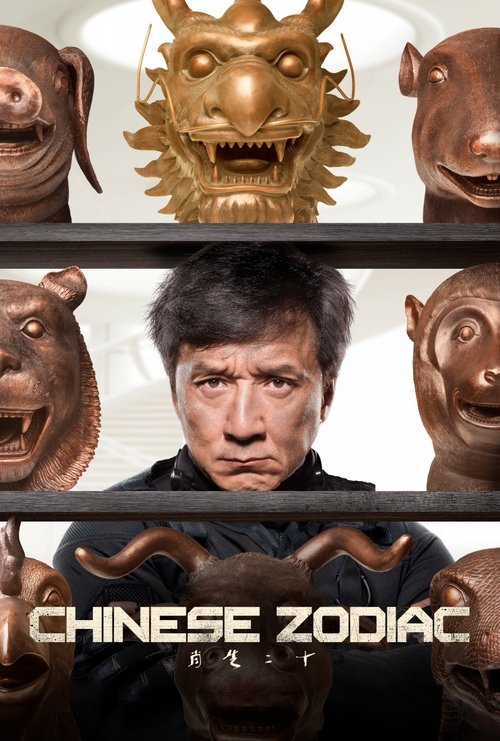
Chinese Zodiac2012
A straightforward kung fu revenge plot: a master's student avenges his teacher's death. The fights are inventive and the moral framework is that direct—which is exactly what that era did best.
But It's genuinely obscure and harder to find than comparable titles, and the print quality varies wildly depending on where you watch it.
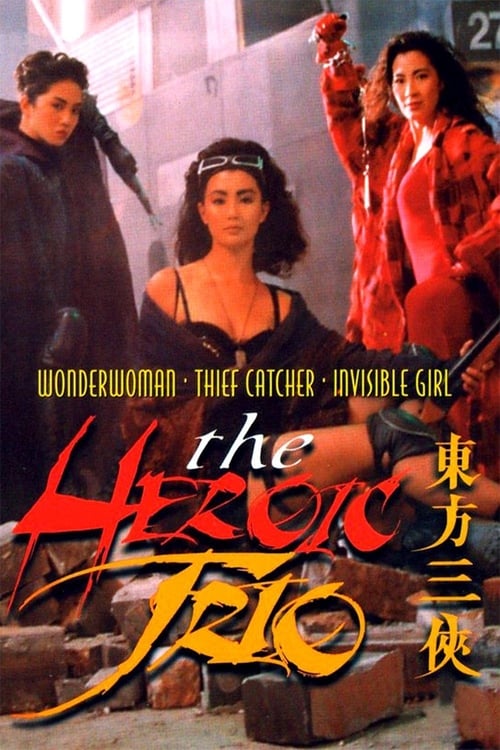
The Heroic Trio1993
Three masked women with superpowers fight a villain kidnapping infants. It's visually gorgeous, campy in the best way, and treats its premise with absolute sincerity. Eiko Matsuda, Michelle Yeoh, and Anita Mui are magnetic.
But The plot doesn't quite hold together, and if you need coherent world-building over style and energy, this will frustrate you.
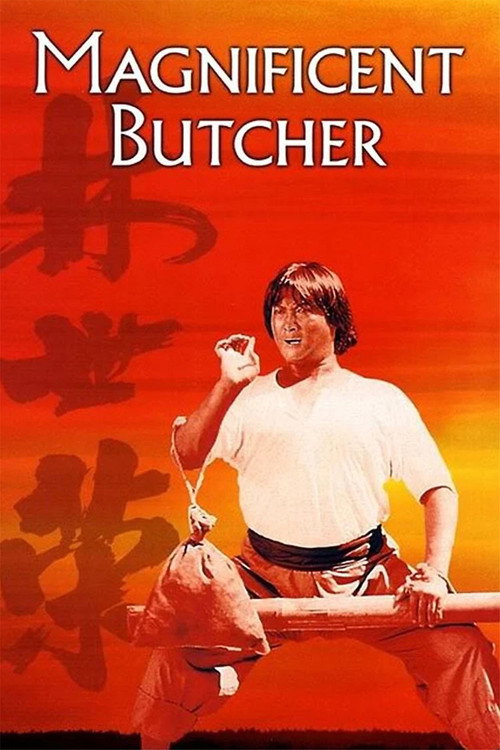
The Magnificent Butcher1979
Sammo Hung's eccentric period piece about a butcher and martial artist framed for murder. Hung's direction is playful and the action sequences are genuinely surprising—he's interested in problem-solving through combat.
But It's scattered and weird, with tonal shifts that won't work if you want a taut narrative. The dubbed version can feel disjointed.
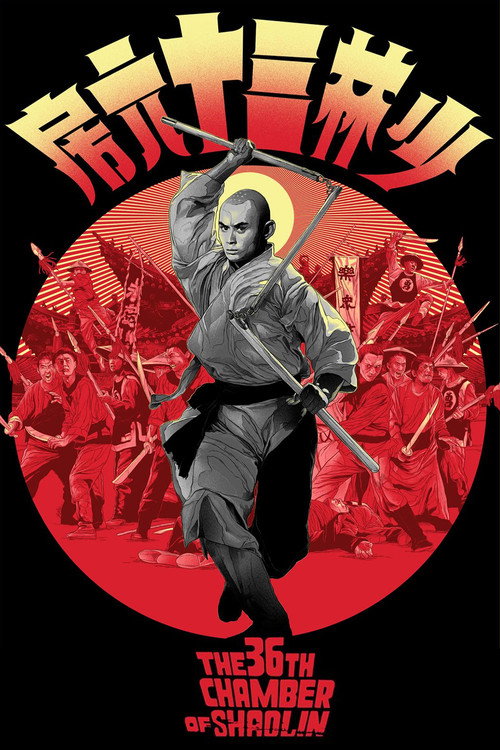
The 36th Chamber of Shaolin1978
Gordon Liu undergoes brutal monastic training to become a martial arts master, then uses those skills to liberate his people from oppression. Patient, methodical, and philosophically grounded in a way that elevates it beyond simple action.
But The first hour is training sequences and very slow. If you need narrative momentum from frame one, the film's meditative pace will test your patience.
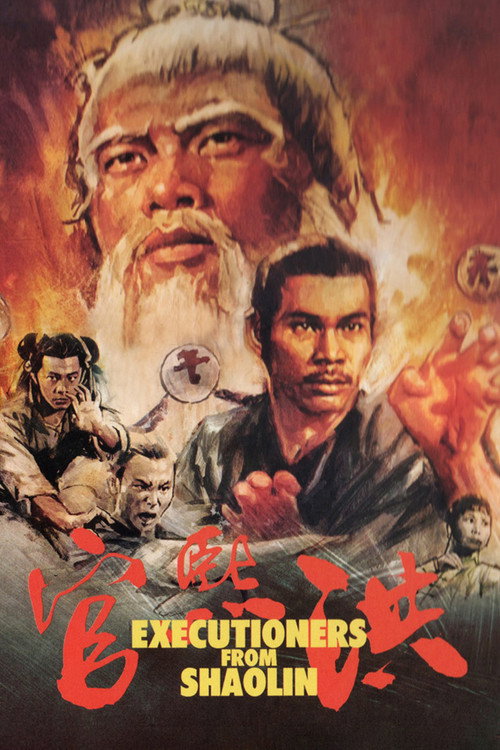
Executioners from Shaolin1977
Chen Kuan-tai hunts down the man who killed his family, developing crane-style kung fu to match his enemy's snake style. The fight choreography is intricate and the revenge arc is emotionally coherent.
But It's less widely available than the Shaw Brothers films that inspired it, and the print quality is often poor. The pacing can feel repetitive.
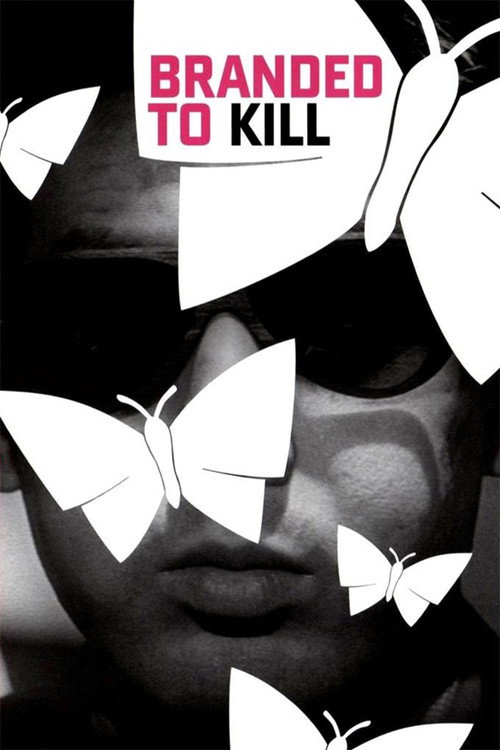
Branded to Kill1967
Made six years before Infernal Street, it's the mirror image: both films about underworld criminality in East Asia, but while Infernal Street operates in clarity and moral certainty, Branded to Kill dissolves everything into unreliable perception and chaos.
Seijun Suzuki's surrealist Japanese thriller about a contract killer whose sexual obsession destroys his career. It looks like a noir but operates on dream logic. Visually baroque, morally slippery, formally radical.
But It has almost nothing in common with conventional action cinema. The editing is disorienting, the narrative refuses clarity, and you're never sure what's real. It's art-film formalism, not entertainment.
Mulholland Drive2001
Like Infernal Street, it's obsessed with criminal underworlds and justice, but where Infernal Street's good guy cleanly defeats bad guys, Mulholland Drive asks whether good and bad even exist—whether identity and morality are stable enough to act on at all.
David Lynch's Hollywood nightmare where two women search for identity in a city that doesn't quite exist. Structurally, it feels like two films stitched together. Hypnotic, occasionally devastating, formally adventurous in ways that will rewire how you watch movies.
But It's deliberately frustrating. Nothing resolves cleanly, the ending recontextualizes everything, and if you need certainty or conventional narrative, you'll leave feeling cheated rather than illuminated.

People
Cast
 Yu Tien-LungChi Shou
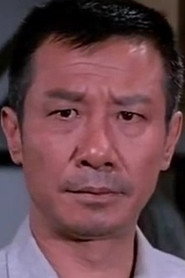 Tsao ChienDr. Chau
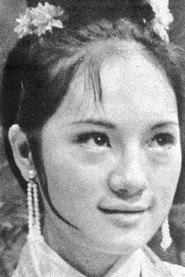 Wang Ching-PingTien Fei
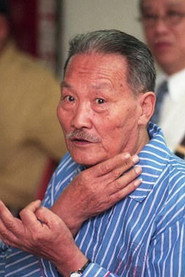 Miao TianJapanischer Big Boss
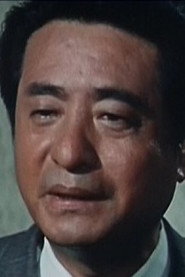 Wu KuangChinesischer Big Boss
 Si Sin-DaiFrau eines Drogensüchtigen
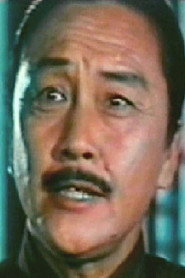 Yu Sung-ChaoApotheker
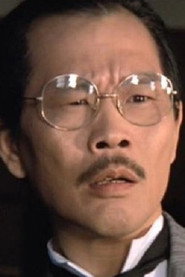 Wong Cheong-ChiApotheker
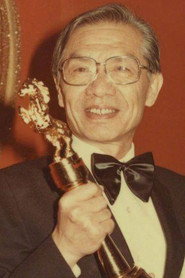 Chang FengDrogenabhängiger
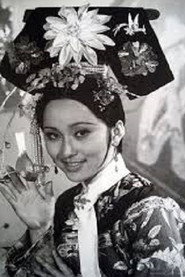 Hsiao YaoEntführte Frau
- Wan Hsi ChinJapanischer Schwertkämpfer
 Yu HengDrogenabhängiger